Start with measured process data
Selection begins with airflow (m³/h), inlet concentration (mg/m³), solvent species, temperature, and operating hours. Guessing any of these leads to oversized oxidizers or unstable operation.
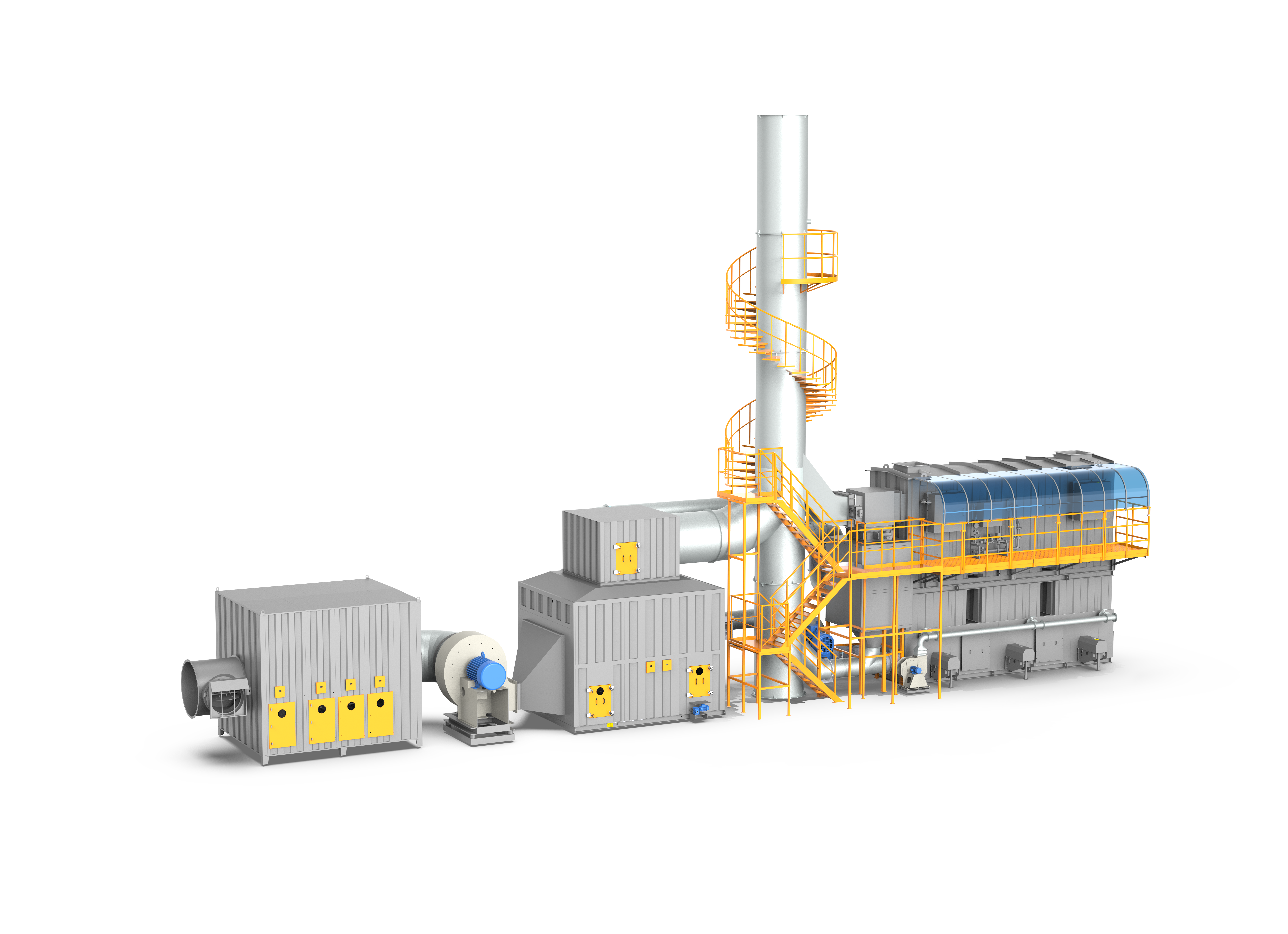
How airflow and inlet concentration drive choices between zeolite concentration, RTO, catalytic oxidizer, and carbon systems.
Selection begins with airflow (m³/h), inlet concentration (mg/m³), solvent species, temperature, and operating hours. Guessing any of these leads to oversized oxidizers or unstable operation.
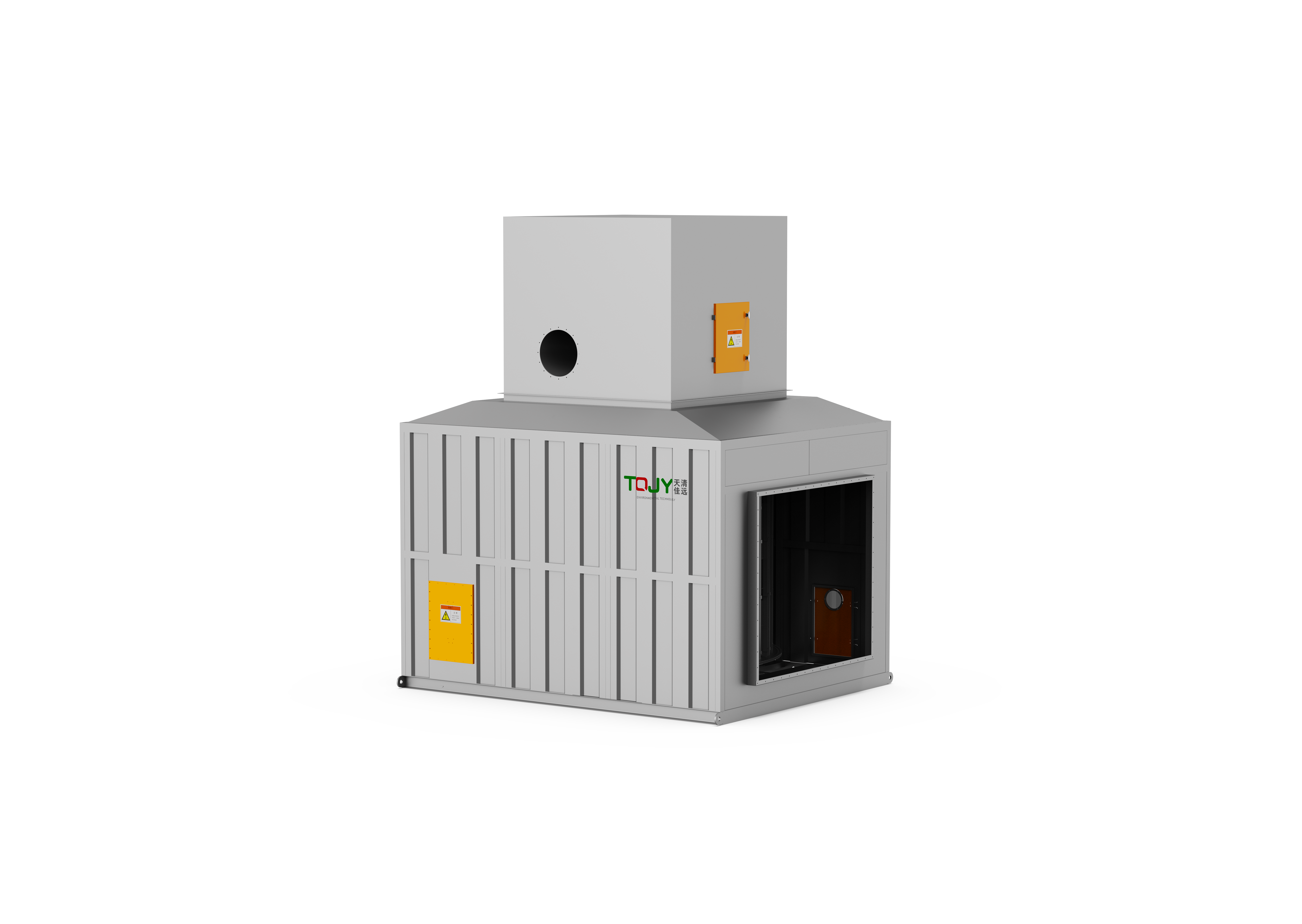
When airflow is high and concentration is low, a zeolite rotor concentrator reduces the volume sent to the oxidizer. The concentrated stream is then treated by RTO or catalytic oxidizer, cutting fuel use.
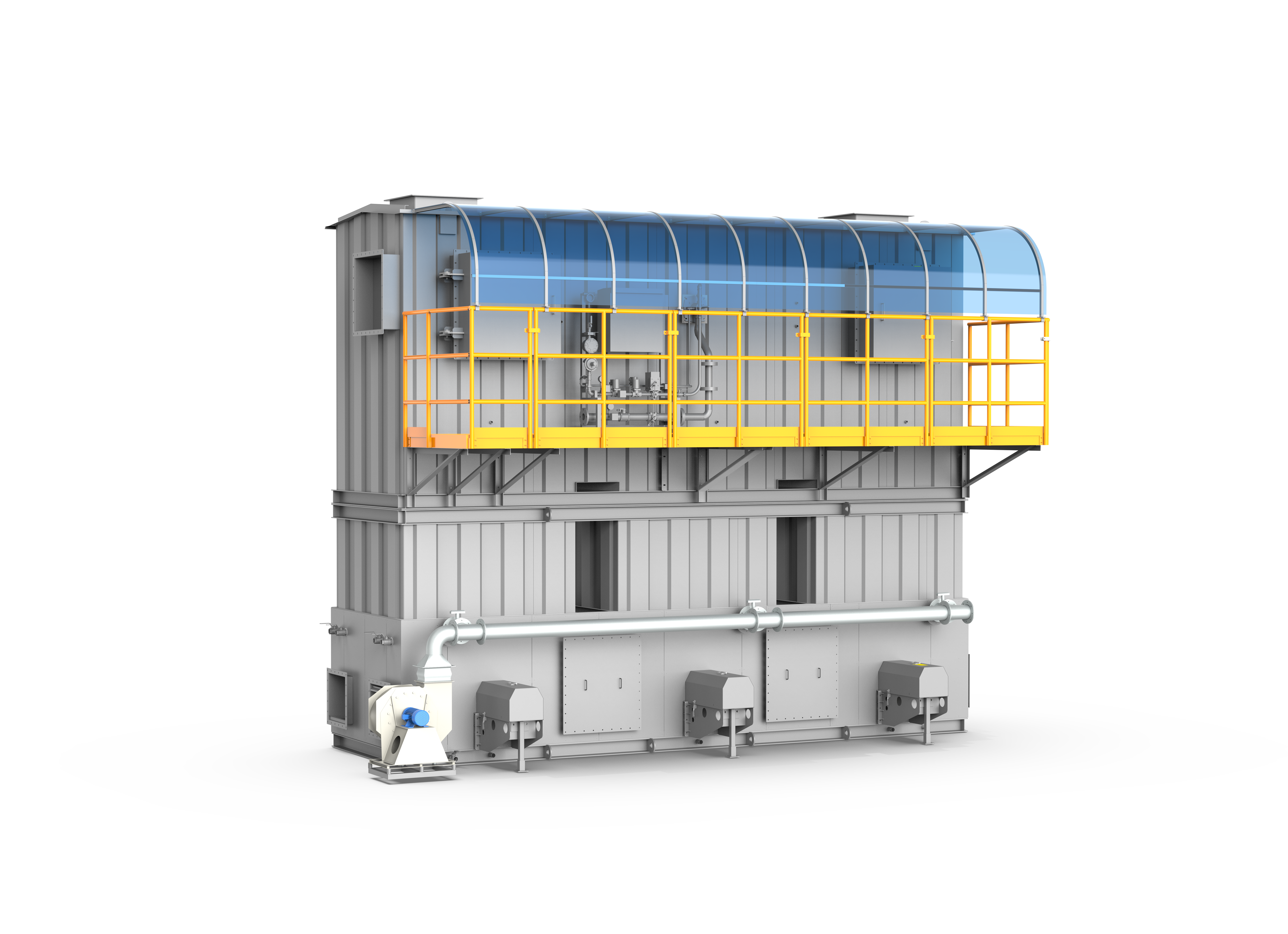
Streams that already support autothermal or near-autothermal oxidation often favor RTO directly. Heat recovery can feed dryers or other plant consumers.
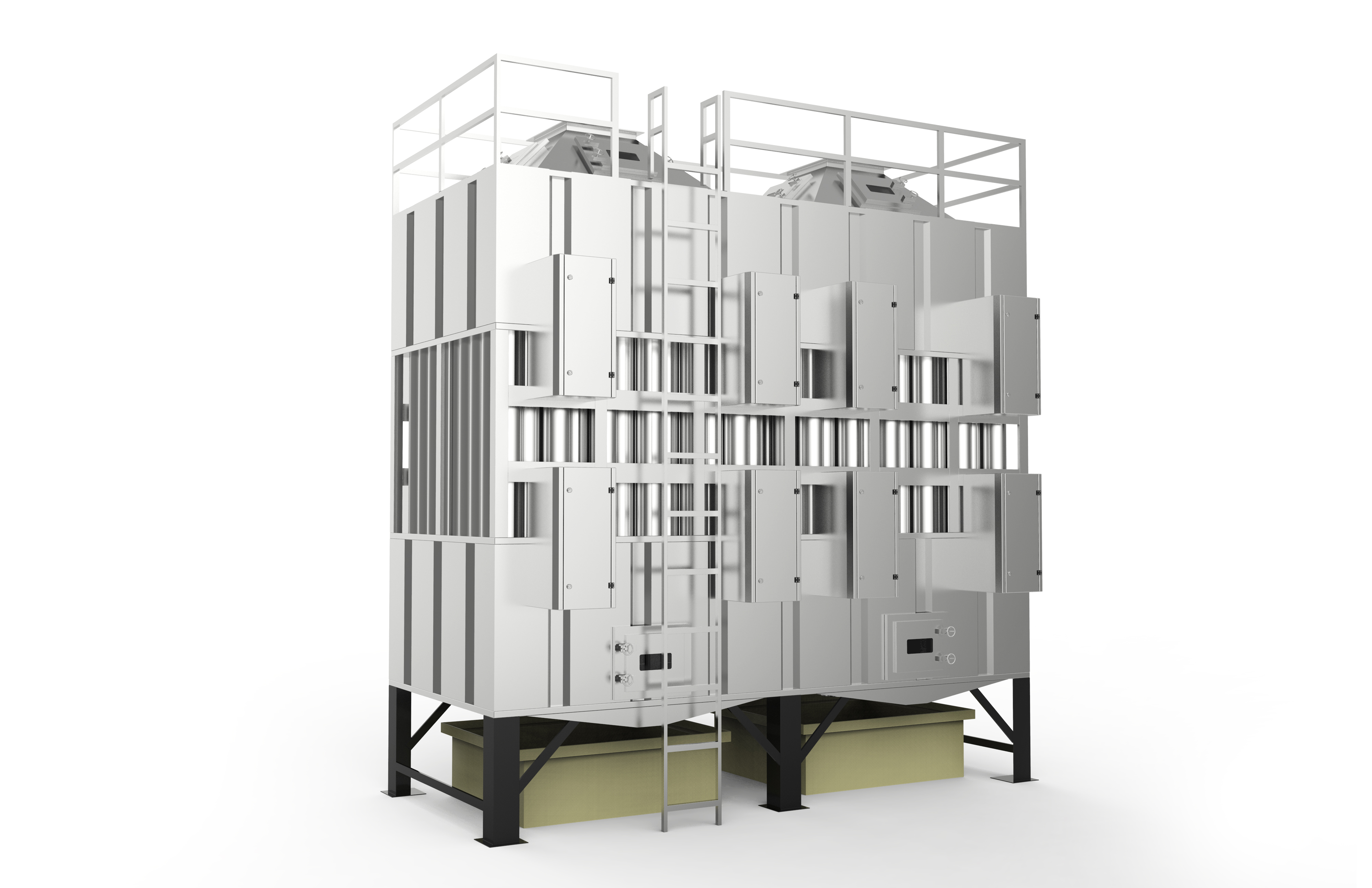
Catalytic systems suit lower oxidation temperatures and many compact or retrofit sites. They are commonly paired with zeolite or activated-carbon concentration packages.
Include airflow, concentration range, primary solvents, LEL margin, layout constraints, and the emission standard you must meet. FluxFine engineers map that data to a recommended train.