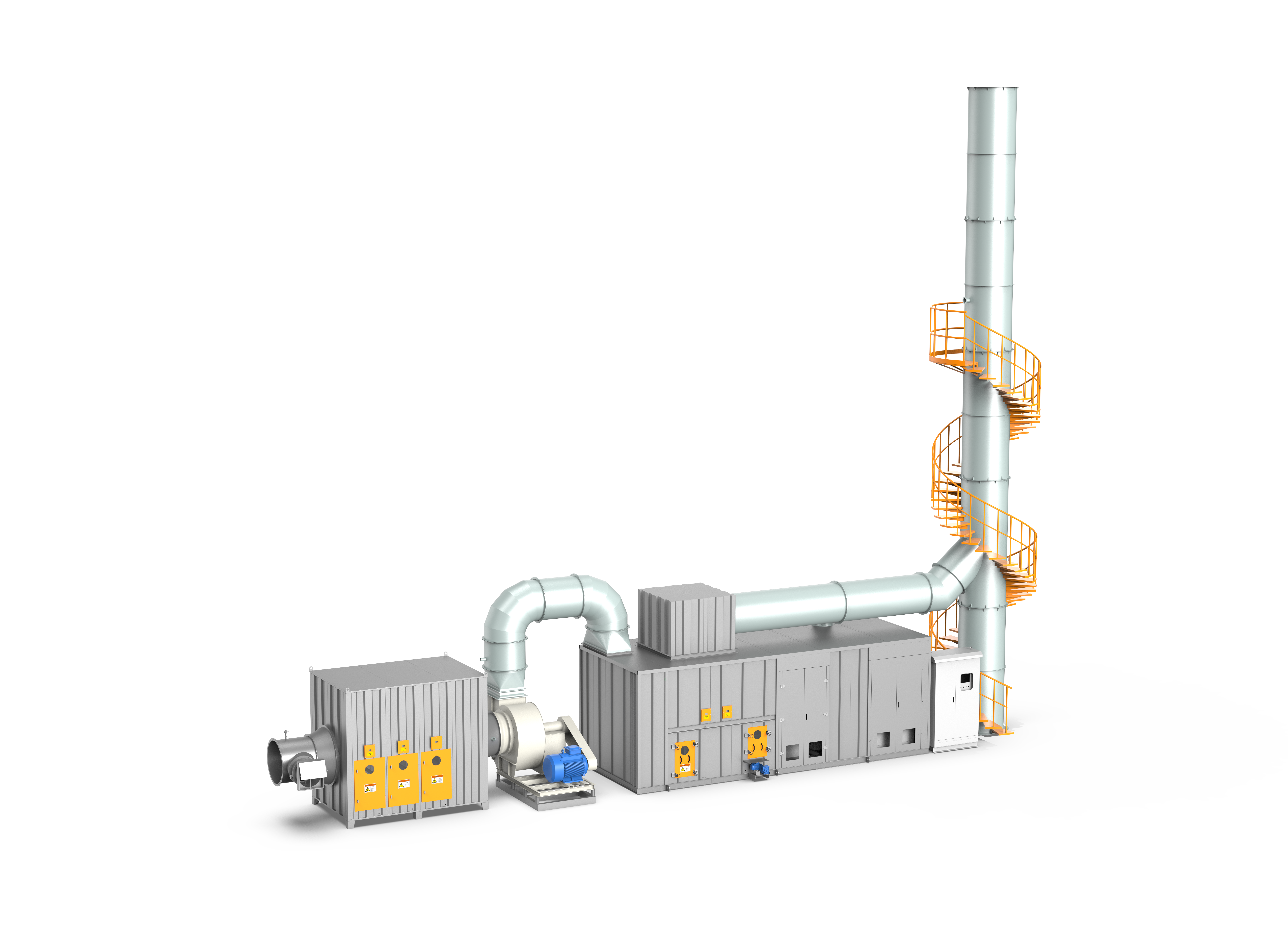
Catalytic Oxidizer (CO)
Catalytic oxidation systems—standalone or paired with zeolite/carbon concentration—for efficient abatement at lower operating temperatures.
Where Catalytic Oxidizer fits
Catalytic oxidizers destroy VOCs over a catalyst bed at lower temperatures than thermal-only systems. FluxFine supplies standalone CO units and integrated packages with zeolite or activated-carbon concentration for compact plant footprints.
Low-to-medium concentration streams; space-constrained plants
Catalog reference; project-specific
Catalog application range
Integrated-unit reference
How the system works
Preheat brings the stream to catalyst light-off temperature. Organics oxidize across the catalyst bed; heat exchangers recover energy to sustain the reaction. Upstream concentration keeps the oxidizer small when process airflow is large.
- 01Pretreat incompatible mist and particulate.
- 02Adsorb and concentrate dilute VOCs where required.
- 03Preheat the concentrated stream to catalyst light-off.
- 04Oxidize organics across the catalyst and recover useful heat.
Choose by process conditions
| Configuration | Description | Best fit | Source metric |
|---|---|---|---|
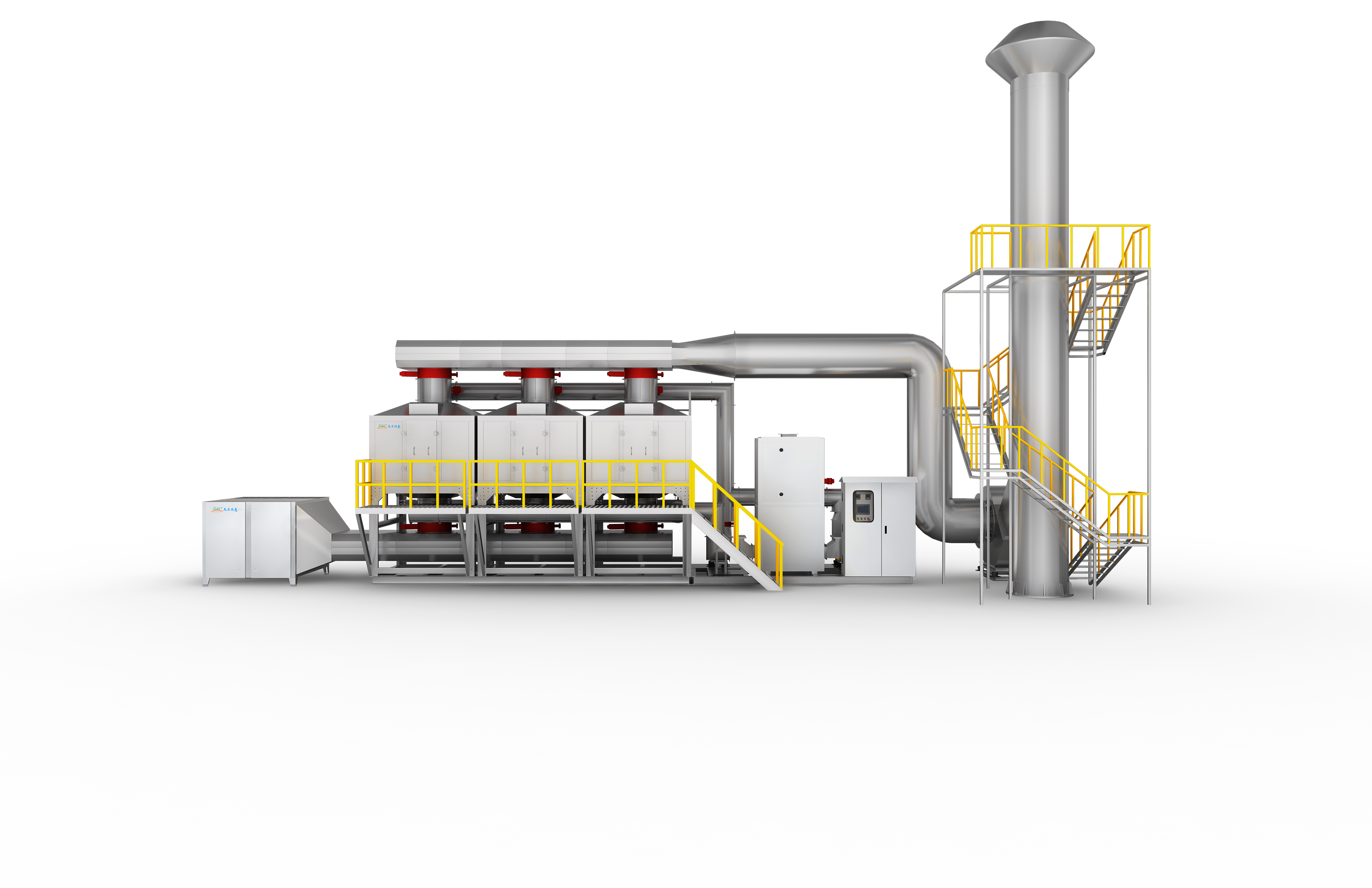
| Zeolite Rotor + CO | Continuous zeolite concentration paired with a compact catalytic oxidizer. | Large airflow, low concentration coating and printing exhaust. | Catalog reference: >=90% purification |
| Activated Carbon + CO | Swing-bed carbon adsorption and hot-air desorption feeding catalytic oxidation. | Intermittent medium-to-low concentration VOC duty. | Catalog reference: >=80% purification |
| Low-Airflow Molecular Adsorption Package | Compact adsorption-catalytic unit for laboratories and smaller production lines. | Low airflow, stable compatible solvents, and limited floor area. | Project-specific |
| RCO | Regenerative catalytic oxidation combines ceramic heat storage with lower-temperature catalytic reaction. | Compatible VOC streams where energy efficiency and stable continuous operation are priorities. | Catalog reference: >=95% purification |
Typical pollutants
- Toluene and xylene
- Ethyl and butyl acetates
- Alcohols
- MEK, MIBK, and compatible ketones
Engineering features
- Catalyst temperature monitoring
- Preheat and heat-exchange control
- Adsorption-bed switching logic
- Automatic alarms and bypass logic
- Integrated export-skid options
Selection cautions
- Catalyst poisons, dust, sulfur, silicon, halogens, and heavy metals require review.
- High-boiling and easily polymerized compounds should be treated cautiously.
- Catalyst selection and replacement interval are process-specific.
Products using this technology
Zeolite + CO
An integrated low-temperature oxidation package for large-airflow, low-concentration and catalyst-compatible VOC streams.
Activated Carbon + CO
Swing-bed adsorption and desorption combined with catalytic oxidation for intermittent, low-concentration VOC exhaust.
RCO
Ceramic heat regeneration combined with catalytic oxidation for compatible VOC streams requiring continuous, energy-conscious treatment.
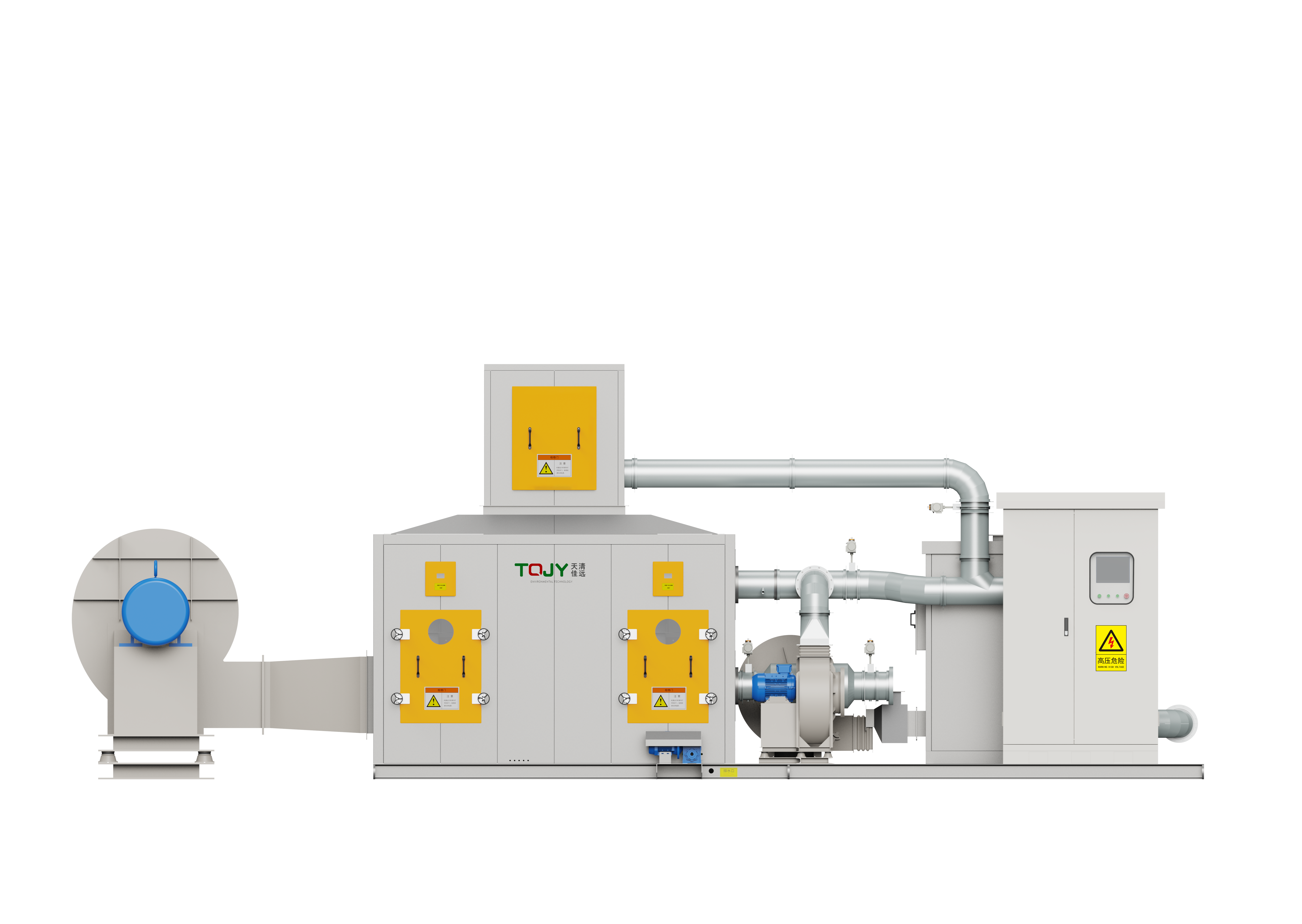
Compact Adsorption + CO
A compact adsorption-catalytic package for laboratories and smaller production lines with low-concentration VOC exhaust.
Low-Volume Zeolite + CO
Compact molecular adsorption-catalytic integrated unit designed for low-concentration, low-volume VOC sources.
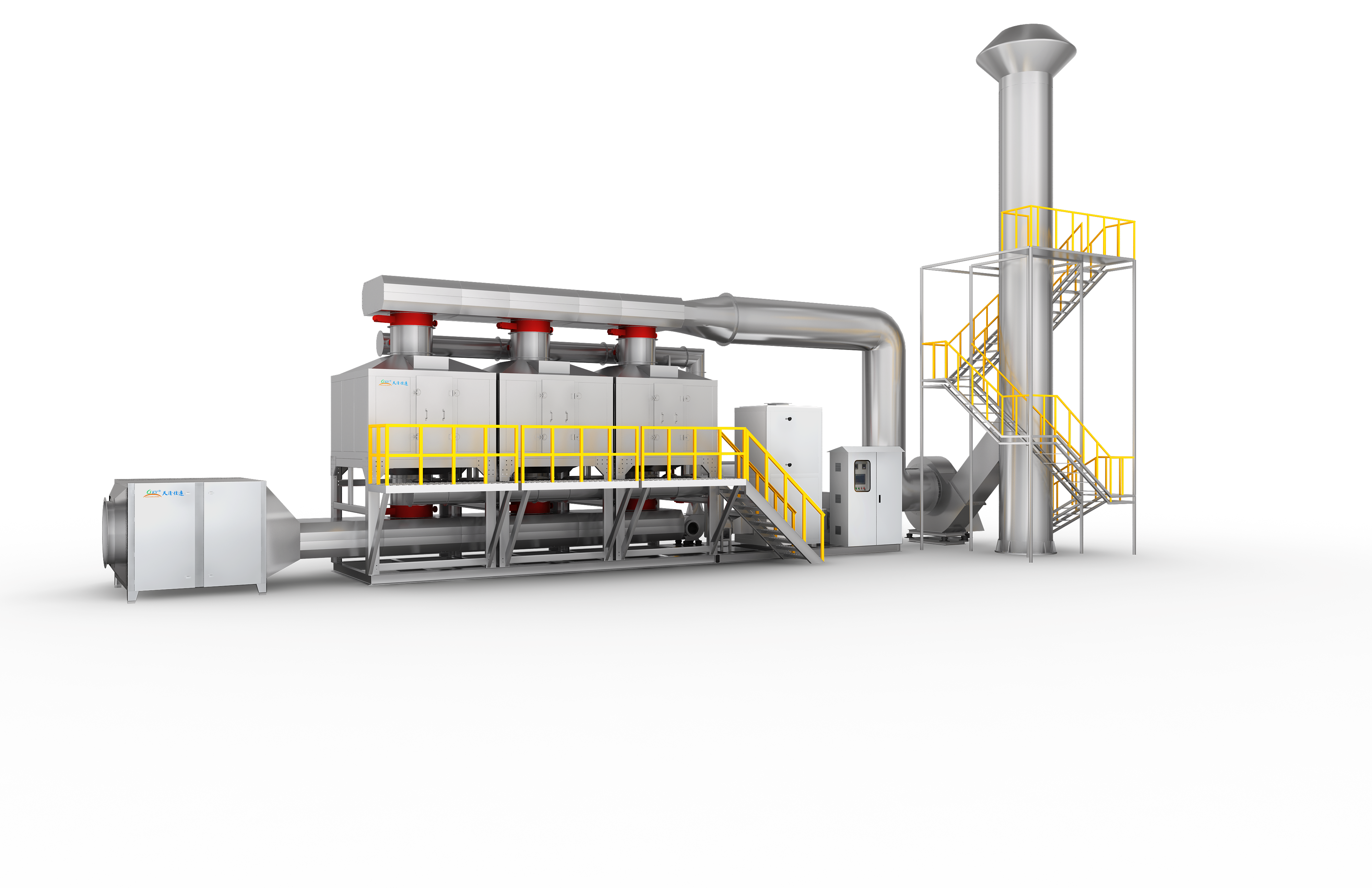
Equipment views
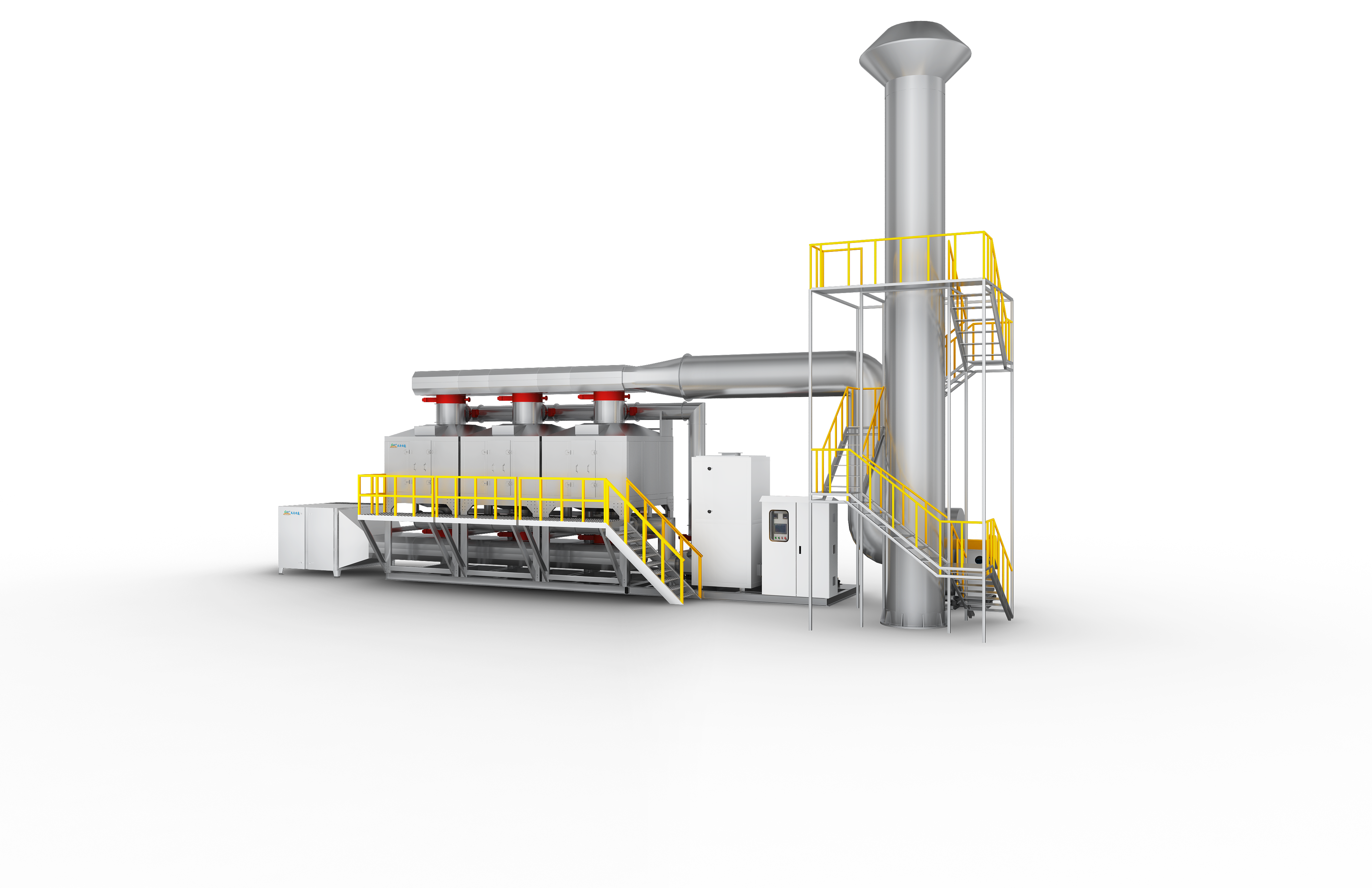
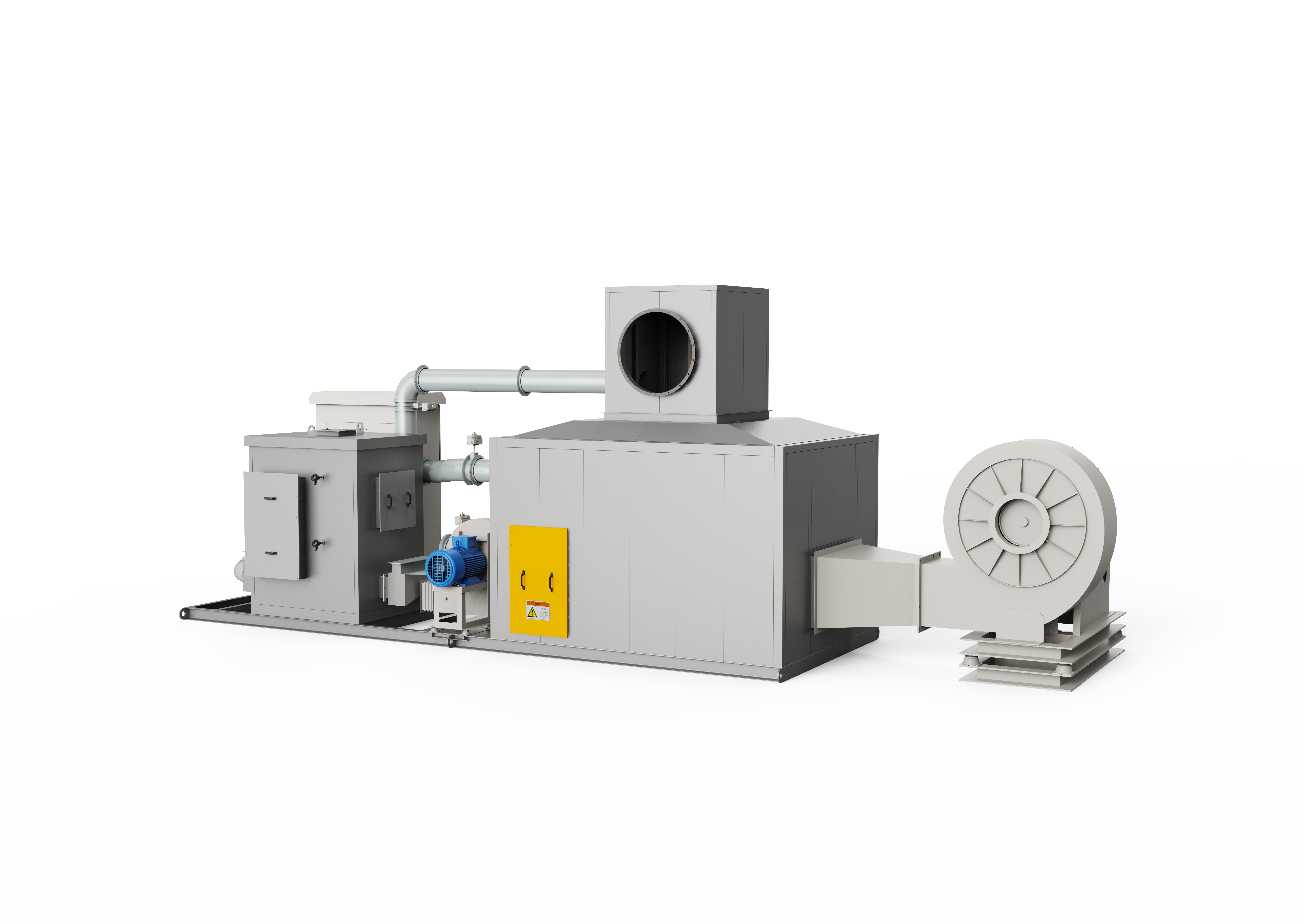
Specify Catalytic Oxidizer for your plant
Performance depends on actual gas composition, inlet load, temperature and operating schedule. Share process data for a configuration review.