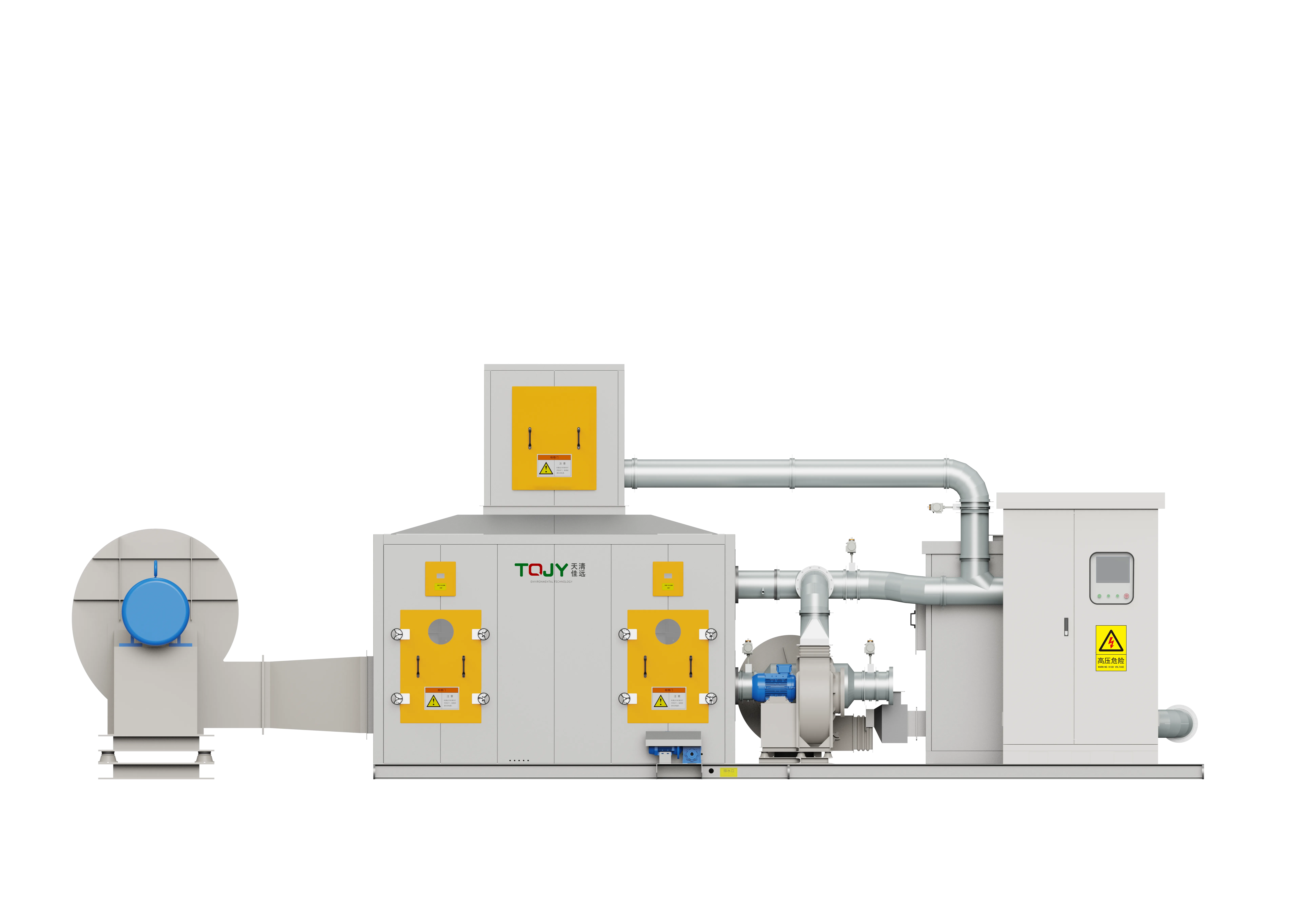
Low-Airflow Molecular Adsorption Catalytic Unit
A compact adsorption-catalytic package for laboratories and smaller production lines with low-concentration VOC exhaust.
Designed around actual process conditions
The packaged unit combines molecular adsorption, desorption and catalytic oxidation for smaller air volumes where a large continuous rotor system is not justified.
Molecular Sieve Adsorption-Catalytic VOC Unit
Based on inlet loading
Requires thermal loop
Zeolite media
Operating references and configuration choices
These reference values and modules clarify the scope we evaluate. They are not a substitute for a process-data review or final proposal.
| Engineering reference | Value | How to read it |
|---|---|---|
| Application scope | Low-airflow, compatible VOC sources | A selection reference only; final capacity and materials follow the project design basis. |
| Configuration | Project-specific | Confirmed from process data, site constraints and the required treatment objective. |
| Performance basis | Process-dependent | No generic removal, safety or compliance promise is made without the stated pollutant and operating conditions. |
Typical modules considered
- Front-end filtration selected for dust and mist loading
- Molecular adsorption module with controlled desorption
- Integrated catalytic oxidation section
- Automatic cycle controls, alarms and service-access provisions
Project-specific selection notes
- Use measured airflow and solvent loading to verify whether a compact cyclic package is appropriate.
- Check catalyst and adsorption-media compatibility before final selection.
- Do not apply the unit to high-dust, sticky or unreviewed catalyst-poisoning streams without pretreatment.
How to use this product information
This compact unit is intended for smaller, conditioned sources. Large continuous high-airflow duty is typically evaluated separately using rotor or multi-bed concentration systems.
- The bilingual product material positions this configuration for laboratories, small coating/printing lines and other low-airflow VOC sources.
- The published description is a selection starting point. Process data, utilities, materials, safety requirements and acceptance criteria remain subject to engineering review.
What we review before specifying Compact Adsorption + CO
A product name is a starting point, not a final design. These inputs define pretreatment, materials, controls, equipment size and scope boundaries.
Project data to provide
- VOC species and catalyst-compatibility screening
- Airflow, concentration profile and desired operating cycle
- Sulfur, chlorine, silicon, phosphorus, heavy-metal and aerosol content
- Pretreatment condition and available utilities
- Required emission limit and installation footprint
Typical engineered scope
- Filtration and conditioning matched to catalyst protection
- Catalyst reactor, heater and heat-exchanger configuration
- Optional zeolite or carbon adsorption/concentration stage
- Temperature, pressure and fan controls with safety permissives
- Access for catalyst inspection and planned maintenance
Safety and controls
- Catalyst poison screening is a prerequisite, not an optional upgrade.
- Dust, oil and sticky aerosol must be controlled upstream to protect adsorption media and catalyst surfaces.
- Temperature management and interlocks are configured for the selected catalyst and fuel/heat source.
- No public page should promise a fixed removal rate without the actual gas composition and design basis.
How it works
Adsorption media captures dilute VOCs and periodically releases a concentrated stream to the catalytic oxidation section.
- 01Filter incoming exhaust
- 02Adsorb compatible VOCs
- 03Desorb the media
- 04Oxidize the concentrated gas catalytically
- Laboratories
- Small spray-painting lines
- Flat printing
- Low-airflow stable exhaust
- Media and catalyst compatibility must be confirmed.
- Not intended as a default replacement for large-airflow continuous rotor systems.
Typical pollutants
- Compatible coating solvents
- Printing solvents
- Laboratory VOCs
- Low-concentration organics
Engineering features
- Compact packaged design
- Automatic cycle control
- Integrated catalytic section
- Small-line retrofit orientation
Available options
- Integrated cabinet
- Split adsorption modules
- Prefiltration
- Remote monitoring
Relevant industries
Coating & Surface Finishing
Industrial paint, UV coating, adhesive, metal finishing and multi-booth surface processes.
Electronics, PCB & Semiconductors
PCB, semiconductor, motor, and appliance process exhaust.
Pharmaceutical & Medical
Solvent exhaust from synthesis, coating, and finishing.
New Materials & New Energy
Battery materials, functional films, composites and advanced material production.
General technology selection
These answers explain the selection path. Final performance, safety scope and dimensions follow the approved project design.
Why choose catalytic oxidation?
Catalytic oxidation can operate at a lower reaction temperature than thermal-only oxidation for compatible, clean VOC streams. It is commonly considered where compact layout or lower-temperature operation is valuable.
What can damage a catalyst?
Sulfur, chlorine, silicon, heavy metals, dust, oil and some reactive compounds can reduce catalyst activity. The process chemistry and upstream controls must be reviewed first.
Source basis: VOCs equipment source. Catalyst performance and service interval depend on gas chemistry and pretreatment.
Specific product Q&A
Why use a molecular sieve instead of standard activated carbon for VOC concentration?
While standard activated carbon is highly effective, it poses a severe fire risk during high-temperature thermal desorption and struggles with high-humidity exhaust streams. FluxFine's hydrophobic molecular sieves (zeolite) are non-combustible and engineered to aggressively repel water molecules. This allows them to safely handle higher desorption temperatures and effectively concentrate VOCs even in humid environments (up to 80% RH) without losing adsorption capacity.
How does the integrated Catalytic Oxidizer (CO) save energy during desorption?
Once the molecular sieve is saturated, it is regenerated using hot air (180-220°C). The concentrated VOCs are then routed to the Catalytic Oxidizer and destroyed at ~300°C. The beauty of the integrated design is that the hot, purified exhaust from the CO is routed through an internal heat exchanger to preheat the incoming fresh air for the desorption loop. This thermal recycling often allows the desorption process to run entirely on recovered heat.
Is this system suitable for heavy particulate or paint mist?
Absolutely not. The molecular sieve media consists of microscopic, perfectly sized pores. Any particulate, paint mist, or sticky aerosol will permanently plug these pores, destroying the media's adsorption capability. Strict multi-stage dry filtration (often including F9 or HEPA grade filters) or wet electrostatic precipitators (WESP) must be installed upstream to ensure only clean gas enters the concentrator.
Equipment views
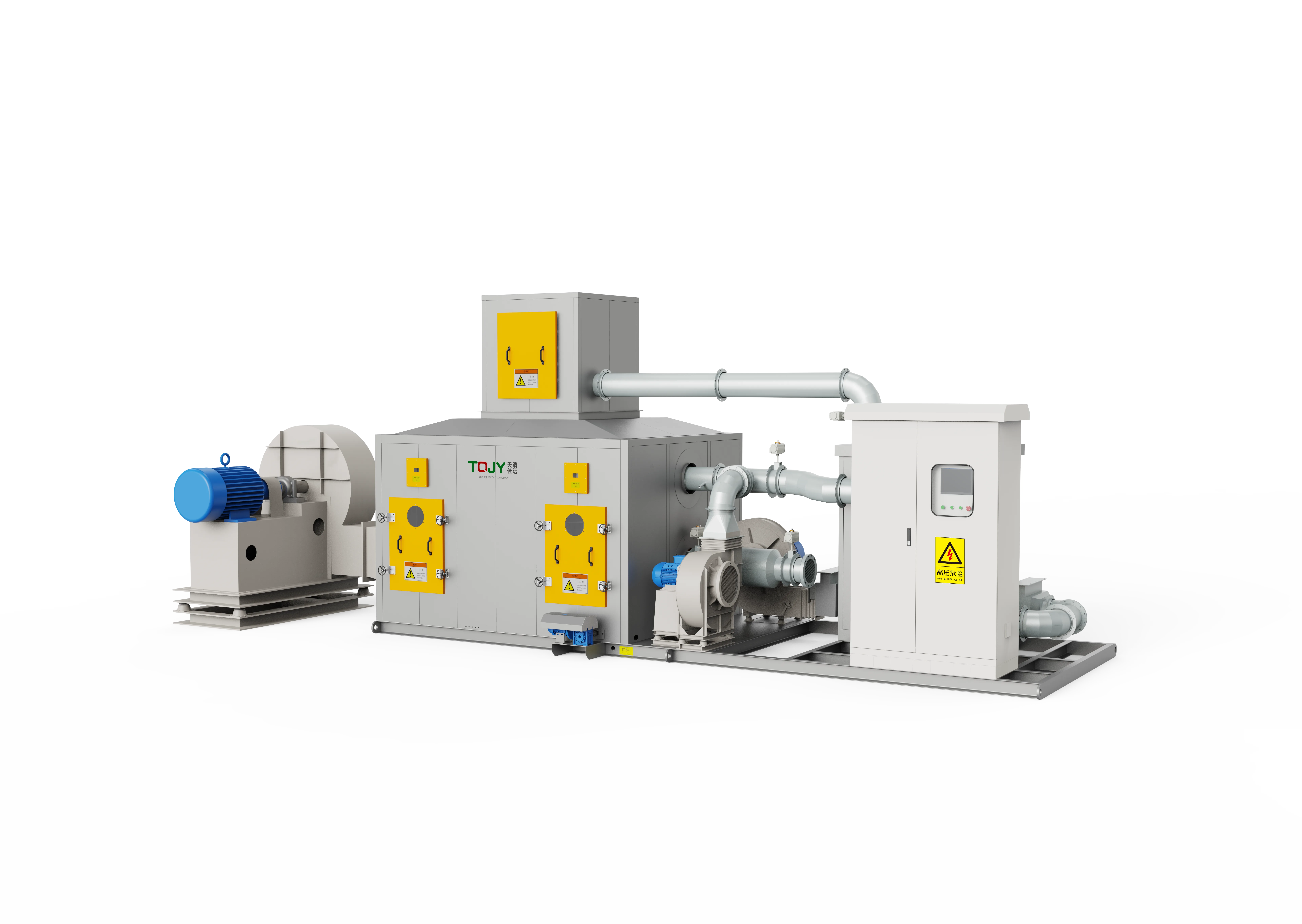
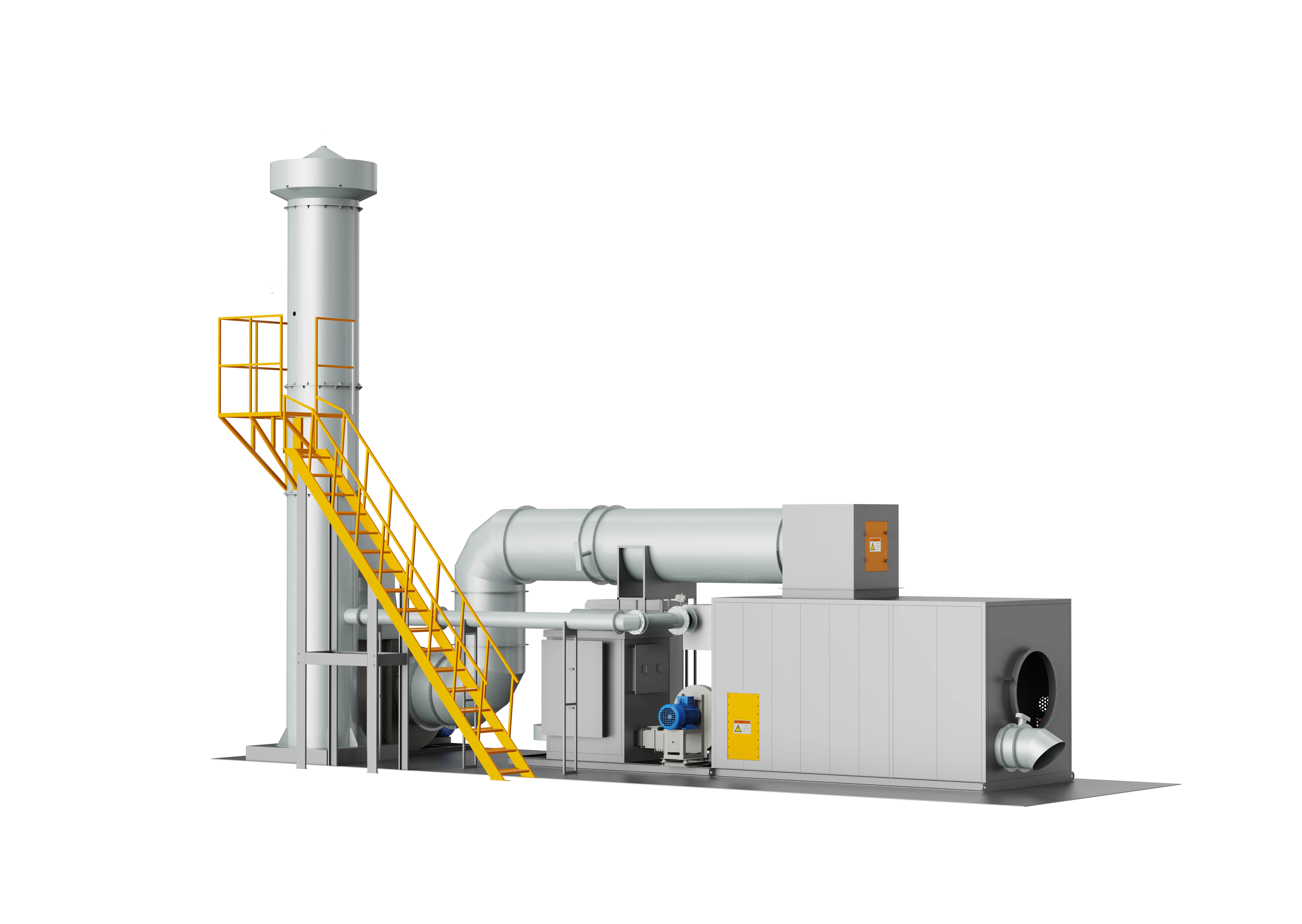
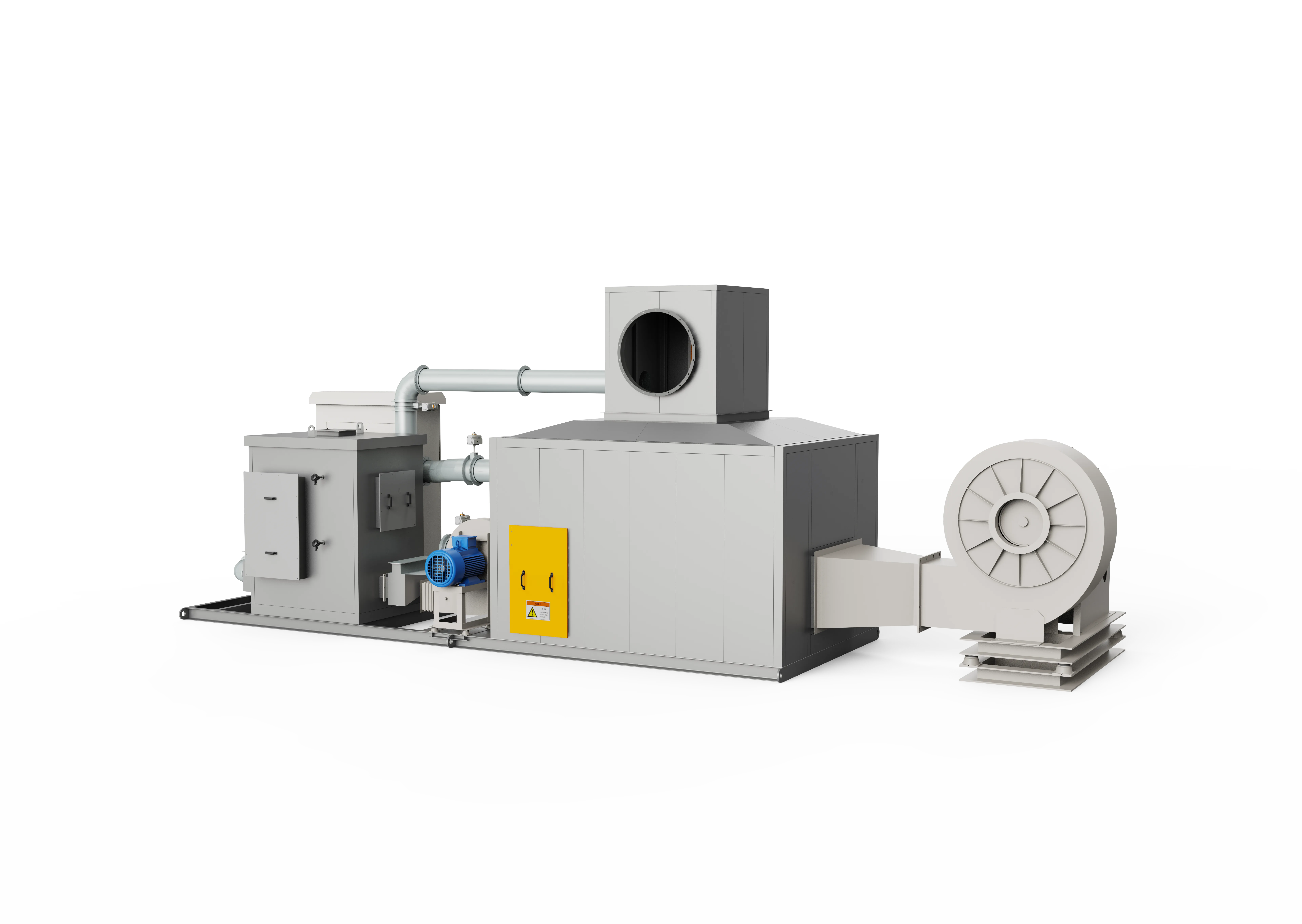
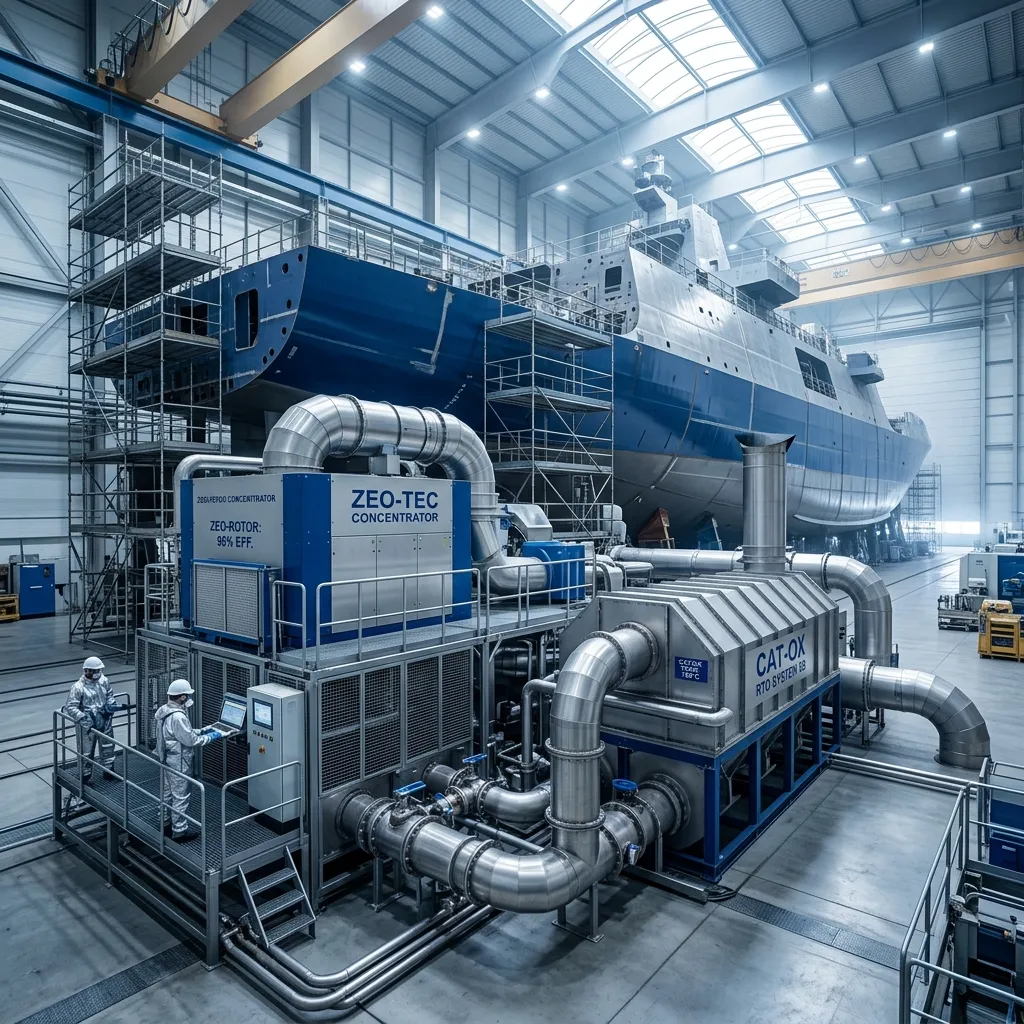
Product images show representative FluxFine configurations. Final dimensions, materials and interfaces follow the approved project design.
Proven Compact Adsorption + CO installations
Review documented treatment trains featuring Compact Adsorption + CO technology across various industrial processes.
Configure Compact Adsorption + CO for your plant
Share measured process data so the engineering team can confirm suitability, pretreatment, equipment size and scope boundaries.
Source basis: Bilingual legacy product record and current product image set. Published values are selection references, not a project guarantee.