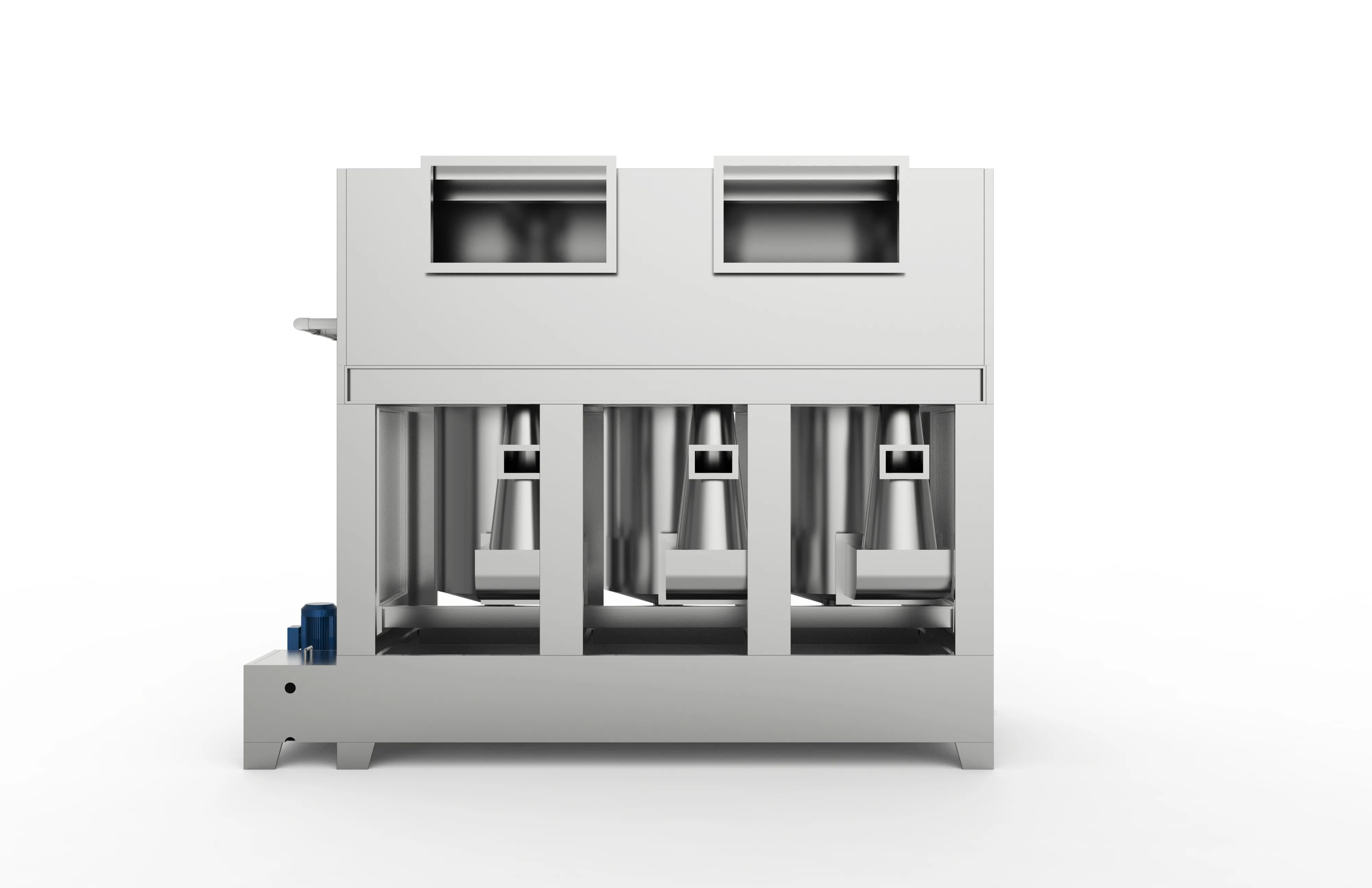
Industrial Spray Tower Scrubber
A configurable wet scrubber for soluble gas absorption, cooling, dust conditioning and pretreatment.
Designed around actual process conditions
The spray tower provides broad front-end conditioning through gas-liquid contact. Material, packing, nozzles and reagent chemistry are selected for the pollutant and downstream process.
PP Spray Tower / 304 Stainless Steel Scrubber
With chemical dosing
For >5 micron particles
PP, FRP, or Stainless
Operating references and configuration choices
These reference values and modules clarify the scope we evaluate. They are not a substitute for a process-data review or final proposal.
| Engineering reference | Value | How to read it |
|---|---|---|
| Application scope | Soluble-gas absorption, cooling and wet pretreatment | A selection reference only; final capacity and materials follow the project design basis. |
| Configuration | Project-specific | Confirmed from process data, site constraints and the required treatment objective. |
| Performance basis | Process-dependent | No generic removal, safety or compliance promise is made without the stated pollutant and operating conditions. |
Typical modules considered
- Spray or packed contact zone
- Recirculation tank, pump, dosing and monitoring provisions
- Mist eliminator and duct/fan interface
- Blowdown and wastewater connection
Project-specific selection notes
- Select reagent and material from the actual gas chemistry, temperature and corrosion requirements.
- Confirm pH/ORP or other liquid-control requirements in the engineered scope.
- Do not describe a spray tower as universal VOC removal without defined solubility and contact conditions.
How to use this product information
Wet scrubbing is generally selected for soluble gases, cooling and conditioning. It can protect downstream treatment but is not interchangeable with oxidation or adsorption.
- The source materials describe PP/304 configurations and wet-scrubbing use in chemical, electronics, pharmaceutical and process-pretreatment contexts.
- The published description is a selection starting point. Process data, utilities, materials, safety requirements and acceptance criteria remain subject to engineering review.
What we review before specifying Spray Scrubber
A product name is a starting point, not a final design. These inputs define pretreatment, materials, controls, equipment size and scope boundaries.
Project data to provide
- Gas chemistry and required absorption/reaction
- Airflow, inlet temperature, dust and mist loading
- Liquid chemistry, pH/ORP control and make-up water
- Wastewater treatment route and discharge constraints
- Corrosion requirements, footprint and pressure-drop allowance
Typical engineered scope
- Inlet quench, jet or packed contact stage as required
- Recirculation tank, pump, chemical dosing and instrumentation
- Mist eliminator and duct/fan interface
- Materials selected for temperature and chemistry
- Wastewater, sludge and maintenance access provisions
Safety and controls
- The treatment liquid is selected from the gas chemistry and operating target.
- pH, ORP, liquid level, pressure drop and pump status are typical monitored points.
- Scrubbers may be pretreatment, primary acid/alkali control or a polishing stage; the role must be defined.
- Do not quote generic efficiency without the gas species, reagent and contact design.
How it works
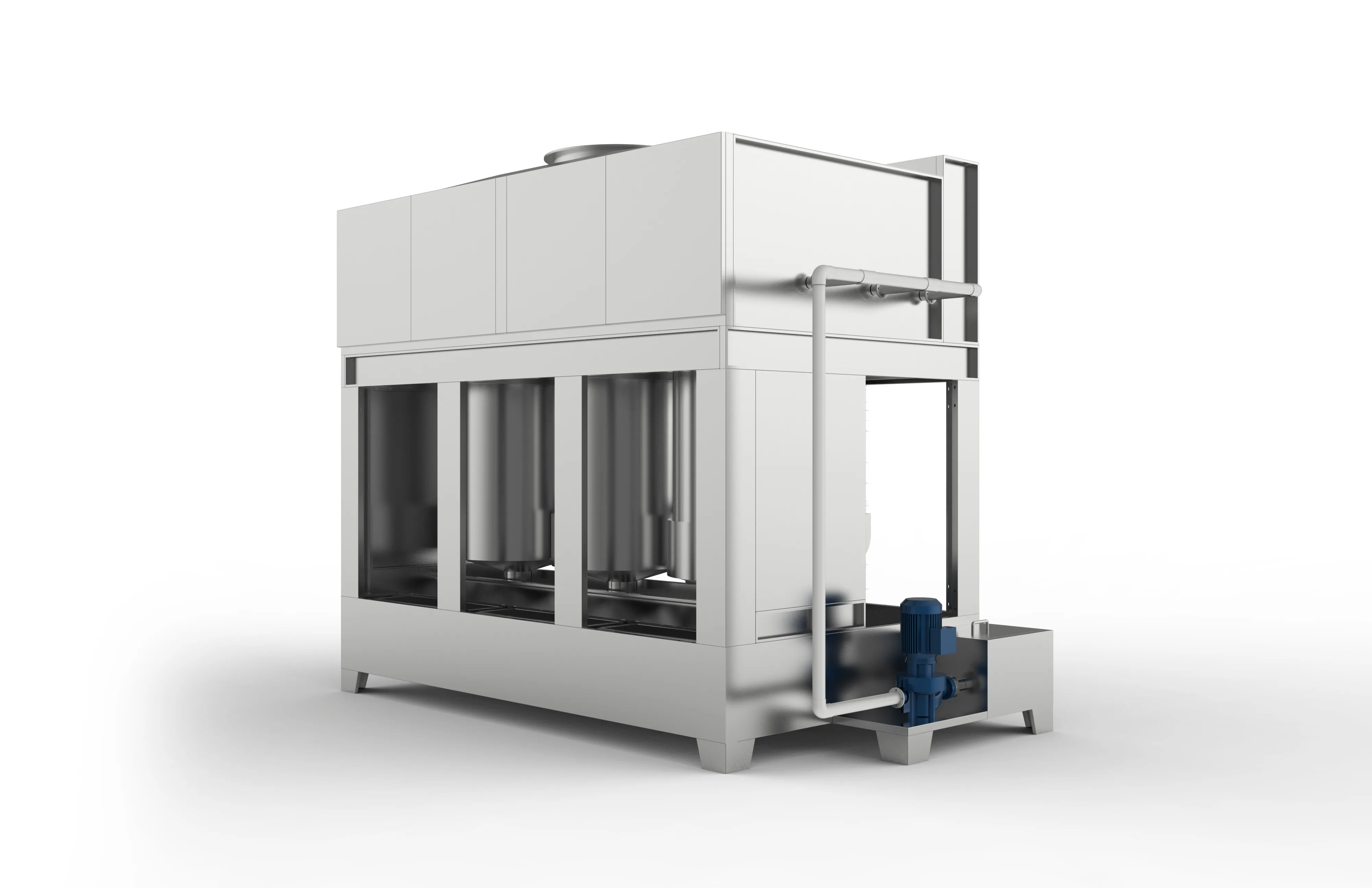
Recirculated liquid is distributed across the gas stream to absorb soluble contaminants, cool exhaust and capture coarse particulate before droplet separation.
- 01Distribute gas through the tower
- 02Contact with sprayed or packed liquid
- 03Separate entrained droplets
- 04Recirculate and condition the liquid
- Acid or alkaline gas absorption
- Exhaust cooling and humidification
- Dust and mist pretreatment
- WESP or oxidation protection
- A spray tower is not a universal VOC removal device.
- Reagent consumption, blowdown and corrosion must be included in lifecycle planning.
Typical pollutants
- Acid gases
- Alkaline gases
- Coarse particulate
- Water-soluble contaminants
Engineering features
- Simple industrial configuration
- Cooling and absorption duty
- Recirculating liquid loop
- Flexible construction materials
Available options
- PP construction
- 304 stainless steel
- Packing and chemical dosing
- Mist eliminator
Relevant industries
Chemical Industry
Resins, coatings, waterproofing, and specialty chemicals.
Pharmaceutical & Medical
Solvent exhaust from synthesis, coating, and finishing.
Food Industry
Frying, roasting, and process oil-fume control.
New Materials & New Energy
Battery materials, functional films, composites and advanced material production.
General technology selection
These answers explain the selection path. Final performance, safety scope and dimensions follow the approved project design.
When is a wet scrubber used before VOC treatment?
It can cool or remove acid/alkali gas, soluble contaminants and certain mist/particulate so that the downstream adsorption or oxidation equipment is protected.
What happens to the scrubber liquid?
It is recirculated with controlled make-up and blowdown. The project must define chemical dosing, wastewater treatment and disposal responsibilities.
Source basis: VOCs equipment source. Materials, reagent and performance are selected from the gas chemistry.
Specific product Q&A
How does a spray scrubber remove both particulate and acid gases?
A wet spray scrubber operates through two primary mechanisms. First, high-density spray nozzles atomize the scrubbing liquid, creating a massive surface area of droplets that physically collide with and capture incoming dust and particulate. Second, chemical absorption occurs: by dosing the recirculation water with neutralizing agents (like Sodium Hydroxide for acid gases), the pollutants chemically react with the droplets as they pass through the spray zone, neutralizing the exhaust.
Why is pH monitoring critical in a chemical scrubber?
If a scrubber is neutralizing acid gas (like HCl or SO2), the scrubbing liquid will quickly become acidic. If the pH drops too low, the liquid loses its absorption capacity, and toxic acid gas will bypass the scrubber and exit the stack. FluxFine integrates continuous automatic pH monitoring and dosing pumps that instantly inject alkaline reagents to maintain the precise pH balance required for optimal mass transfer.
What materials are used to prevent scrubber corrosion?
Industrial exhaust streams are highly corrosive, especially after absorbing acids. Standard carbon steel will fail rapidly. FluxFine custom engineers scrubber vessels using corrosion-resistant materials such as Polypropylene (PP), Fiberglass Reinforced Plastic (FRP), or high-grade Stainless Steel (304/316L). The material selection is strictly dictated by the operating temperature and the specific chemical composition of the exhaust gas.
Equipment views
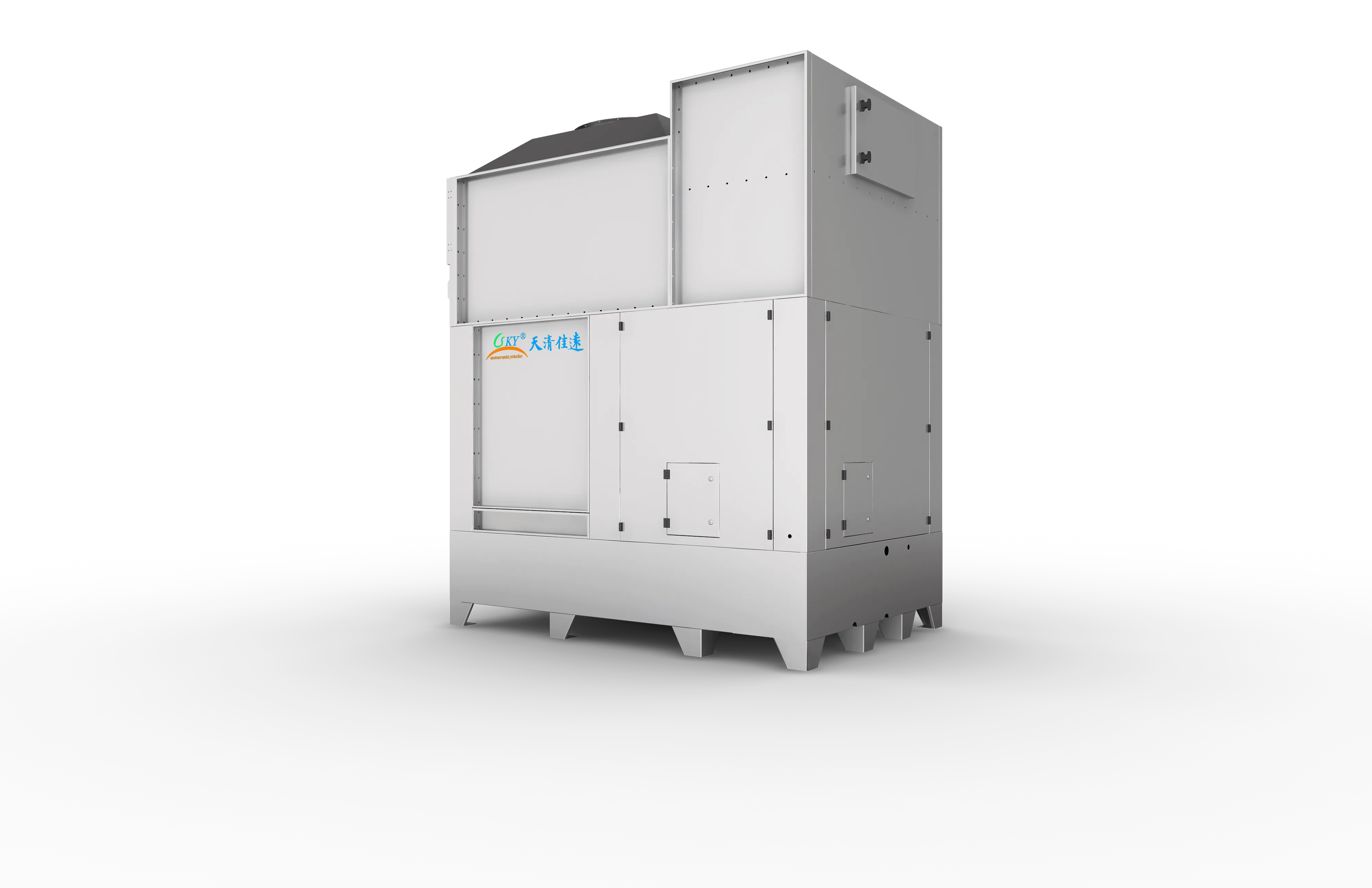
Product images show representative FluxFine configurations. Final dimensions, materials and interfaces follow the approved project design.
Configure Spray Scrubber for your plant
Share measured process data so the engineering team can confirm suitability, pretreatment, equipment size and scope boundaries.
Source basis: Bilingual legacy product record and current scrubber image set. Published values are selection references, not a project guarantee.