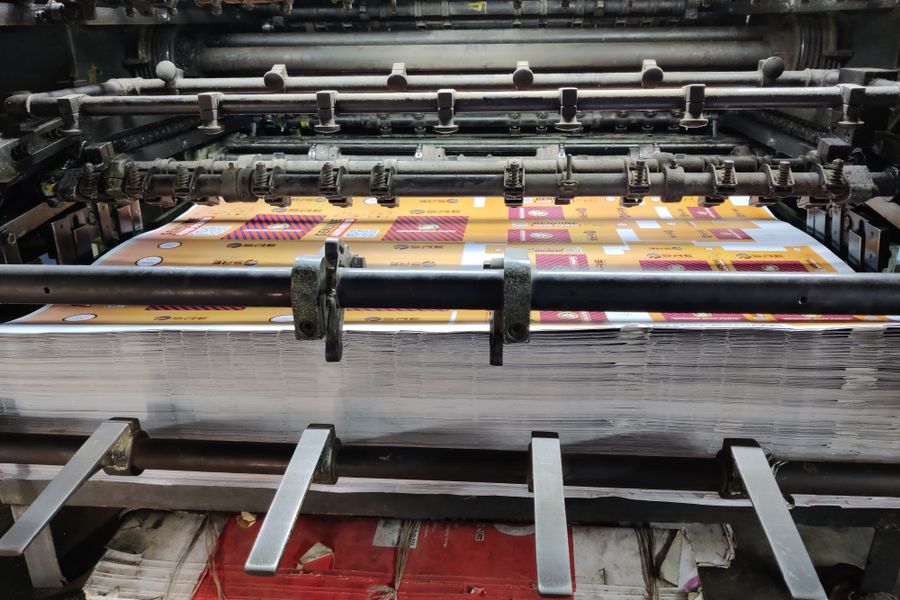
Printing & Laminating
Gravure, flexible packaging, lamination, optical film and continuous web processes.
Processes and emission sources
Typical trains use zeolite concentration ahead of RTO or catalytic oxidation, sized to line airflow and dryer duty.

Real engineering project deployed by FluxFine Environmental.
Common pollutants
- Ethyl acetate
- Toluene and xylene
- Alcohols
- Ketones
- Mixed printing solvents
Typical conditions
- Large and fluctuating dryer airflow
- Low-to-medium VOC concentration
- Multiple solvent recipes
- Continuous production
Engineering priorities
- Dryer exhaust balance
- LEL control
- Solvent compatibility
- Production changeovers
- Heat reuse potential
From collection to compliant discharge
- 01
Source collection
- 02
Particulate filtration
- 03
Zeolite concentration
- 04
RTO or catalytic oxidation
- 05
Optional heat recovery
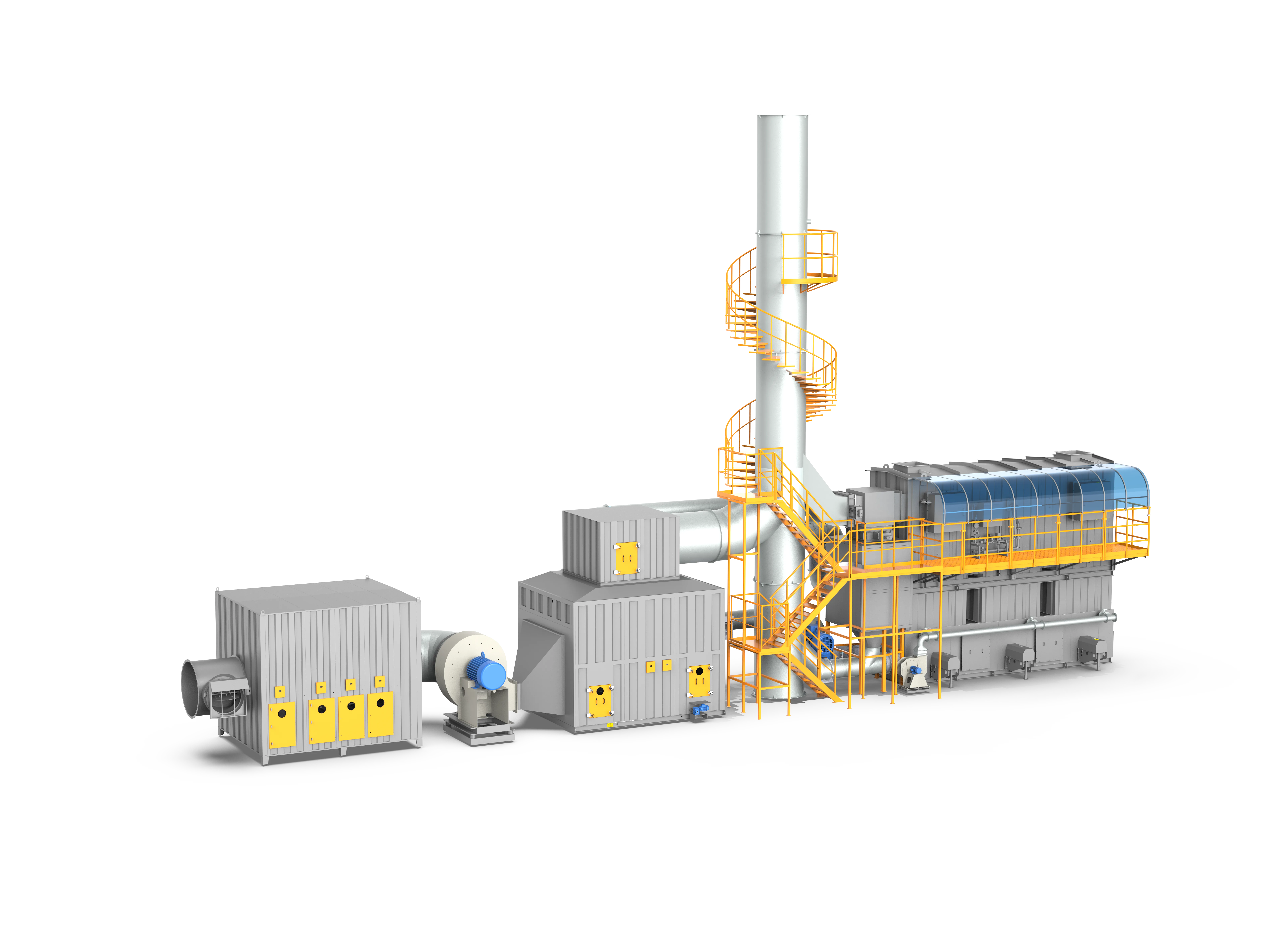
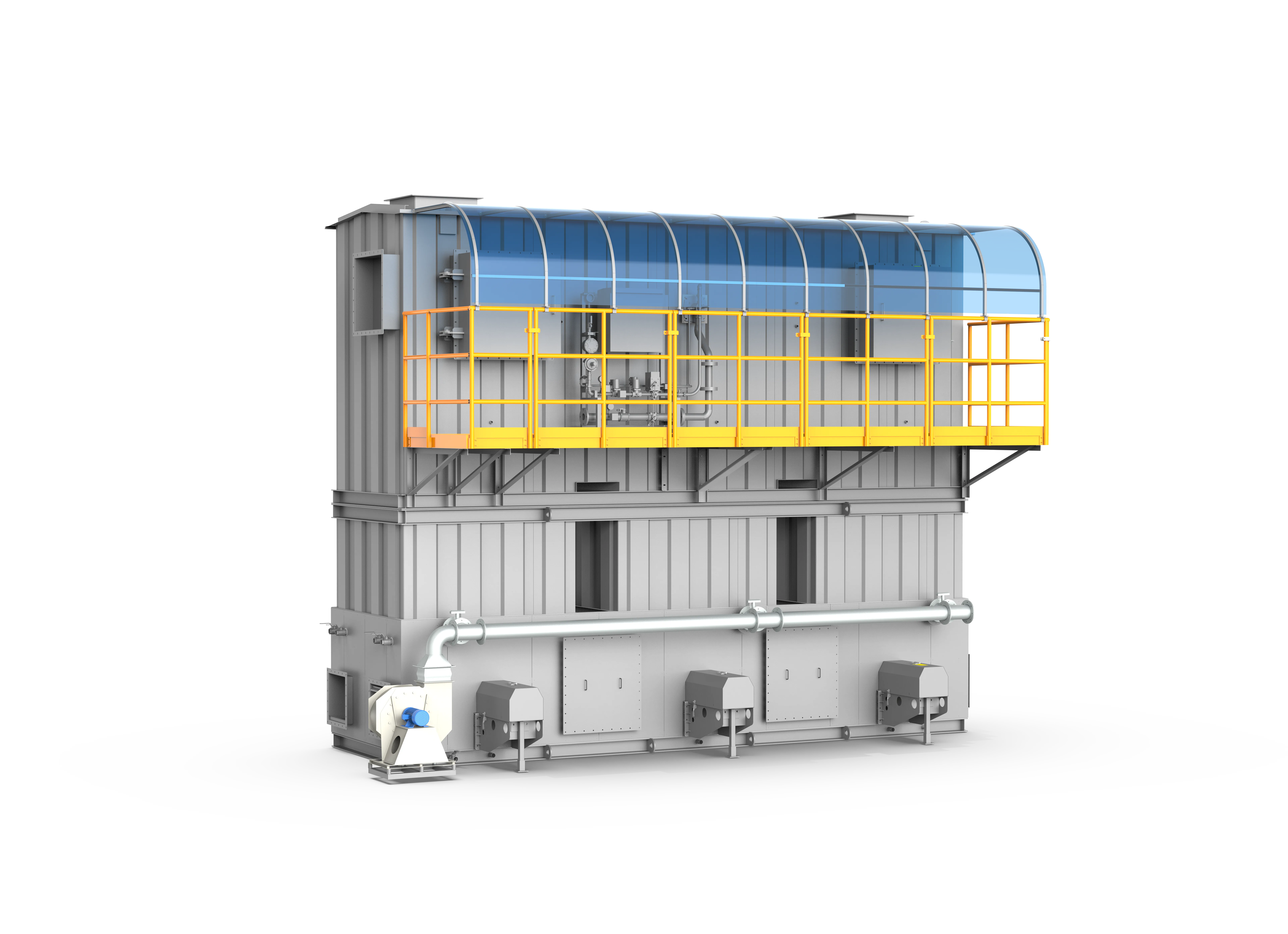
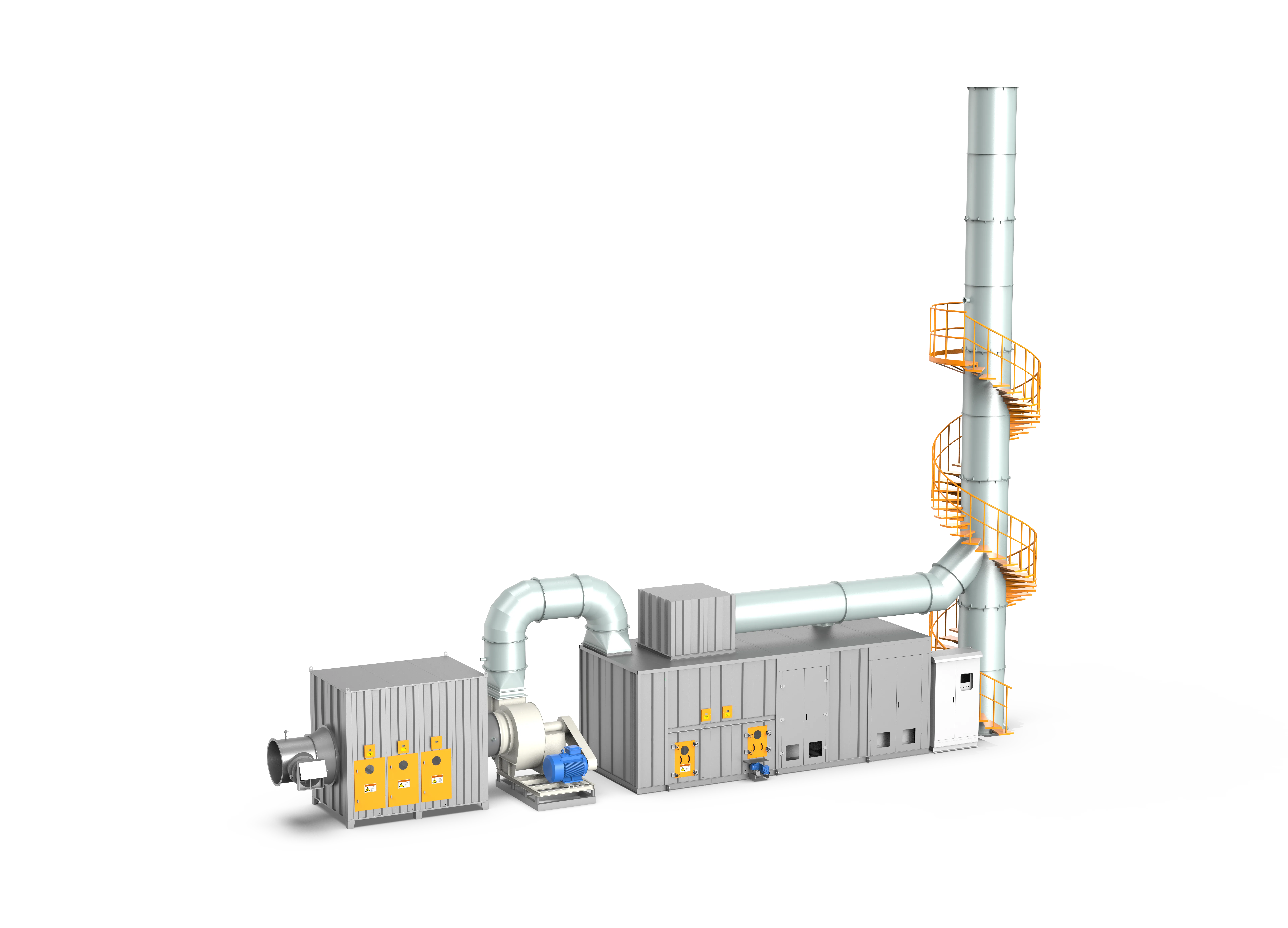
How we turn printing & laminating exhaust data into a treatment train
The recommended configuration is built around the actual production process, not a generic industry label. This is especially important when one site has multiple exhaust headers, recipes or operating modes.
Common treatment challenges
- Large airflow with relatively low solvent concentration
- Changing ink/solvent recipes across SKUs
- Heat recovery opportunities on drying lines
Data we request
- Exhaust source, airflow and operating schedule
- VOC/pollutant analysis, concentration range and LEL information
- Temperature, humidity, dust, mist and corrosive components
- Existing collection or pretreatment equipment
- Emission target, layout, utilities and shutdown constraints
Engineering decisions
- Whether streams should be segregated, balanced or treated together
- Which pretreatment protects downstream equipment
- Whether concentration, direct oxidation, recovery or polishing is appropriate
- Materials, safety interlocks, monitoring and maintenance access
- Where recovered heat or utilities can be integrated
Recommended path for printing & laminating exhaust
This is a decision framework based on the supplied product and project material. The final train changes with measured chemistry, operating patterns and site constraints.
Common emission sources
- Printing press and ink-drying exhaust
- Laminating and adhesive application
- Coating oven and web dryer exhaust
- Cleaning/solvent-handling points
Dry filtration → zeolite concentration → RTO or catalytic oxidation
Large dryer airflow and relatively dilute solvent loading often make concentration worth evaluating before destruction. The oxidizer is selected from solvent chemistry, load variation and heat-reuse opportunity.
- 01Map each dryer/press header and solvent recipe
- 02Remove particulate and sticky contamination
- 03Concentrate compatible VOCs
- 04Destroy the smaller concentrated stream
- 05Recover heat where the production process can use it
Direct RTO with heat recovery
Consider when inlet VOC load/heat value, space, process continuity and energy balance support direct thermal oxidation without a concentrator.
Process-specific questions
Why separate printing and lamination exhaust?
Different solvent mixes, temperatures and airflow patterns can affect safety, treatment efficiency and energy use. Segregation is assessed before final duct and treatment design.
Can dryer heat be reused?
Possibly. Heat reuse is assessed against temperature demand, contamination risk, operating schedule and the approved heat balance.
Documented printing & laminating applications
Published records show the documented process context and treatment configuration. Airflow and concentration values, where shown, are project data rather than product guarantees.
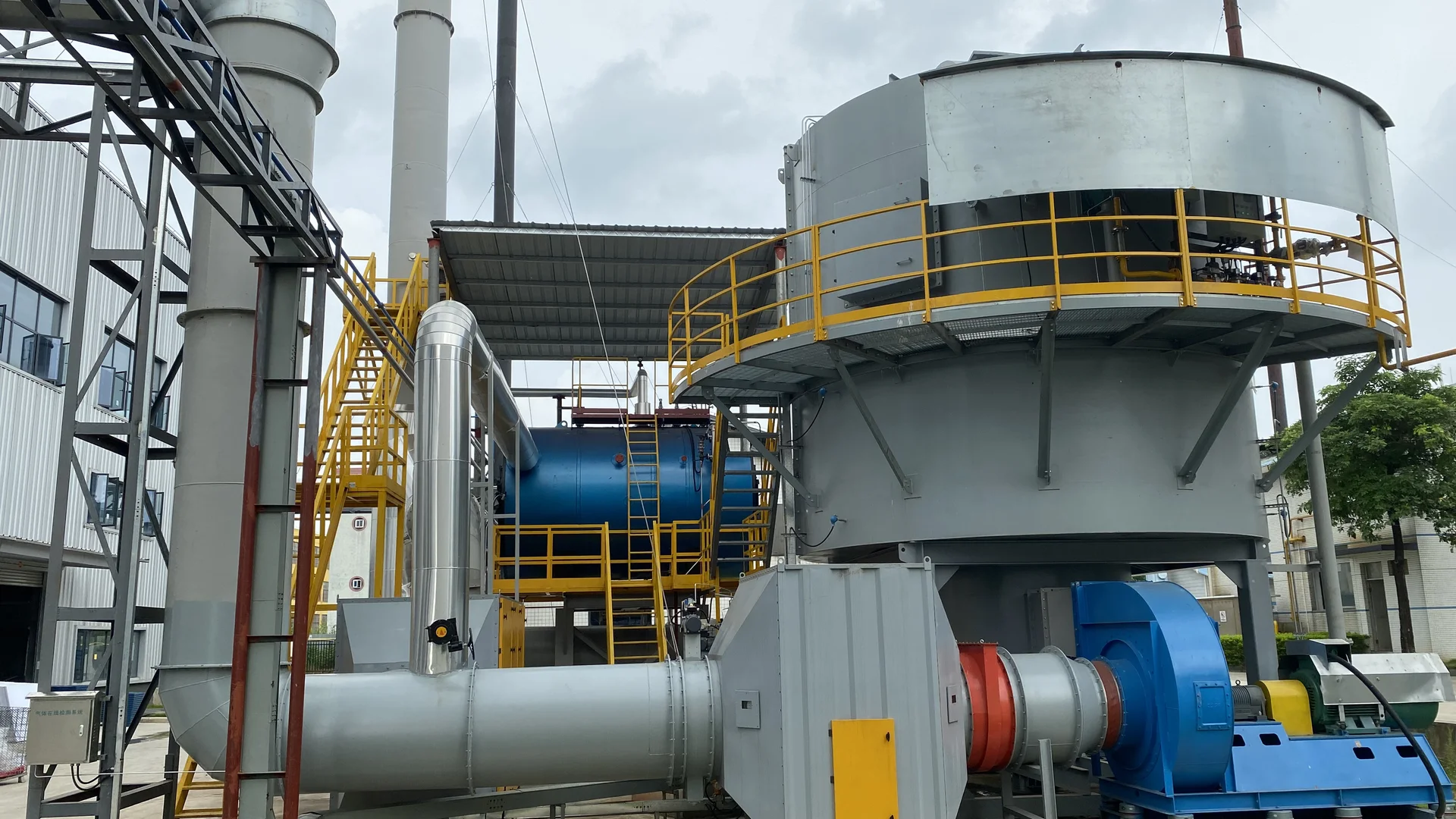
60,000 m³/h Three-Bed RTO Expansion for High-Speed Flexible Packaging Lines
Dual-Stage Dry Filtration (F7/F9) + 60,000 m³/h Three-Bed RTO + Hot Gas Bypass + Dryer Heat Exchanger
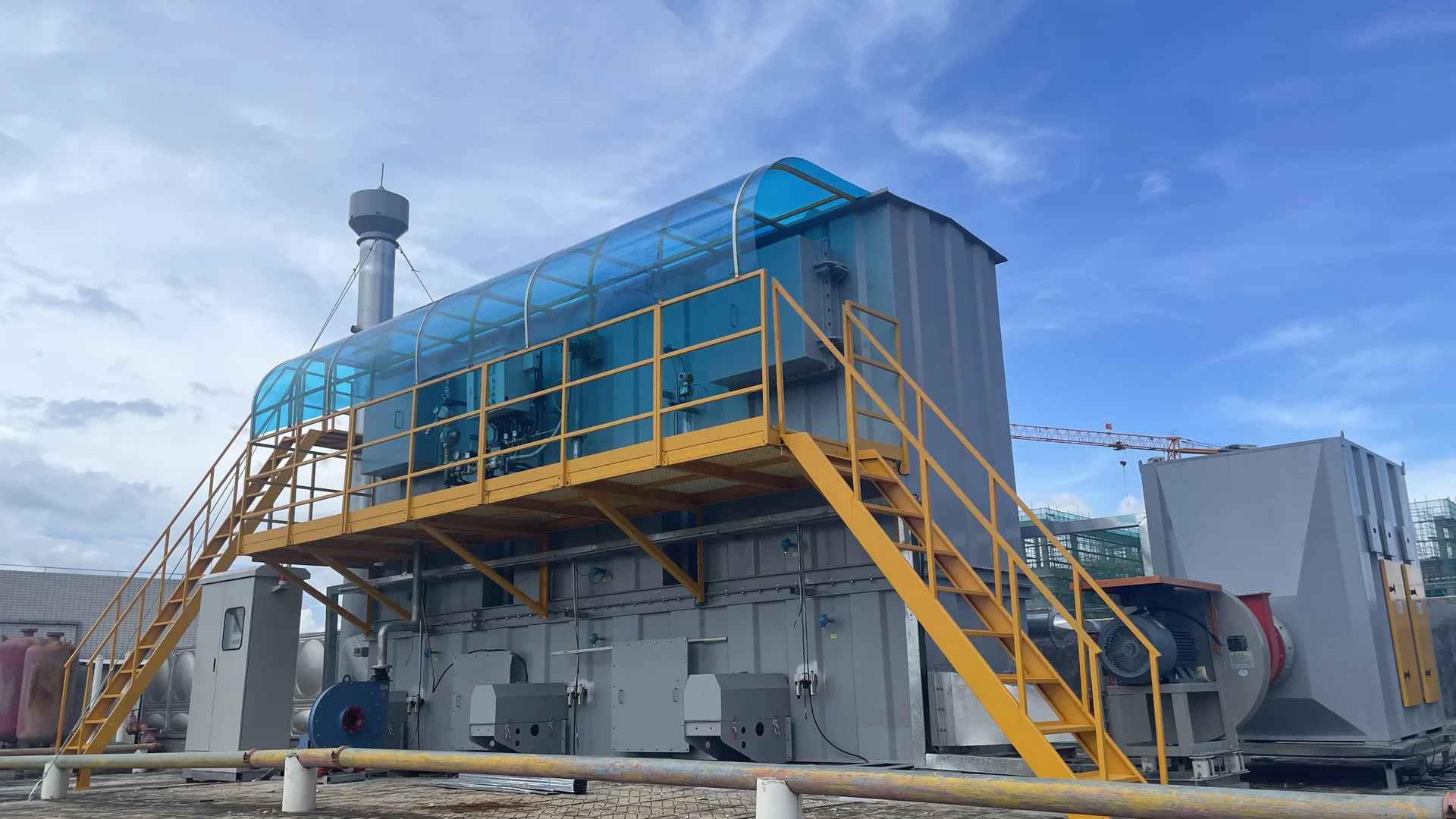
40,000 m³/h Three-Bed RTO for High-Methanol Decorative Paper Gravure Printing Exhaust
Modular Dual-Stage Dry Filtration + 40,000 Nm³/h Three-Bed RTO + Automated Hot Gas Bypass Damper
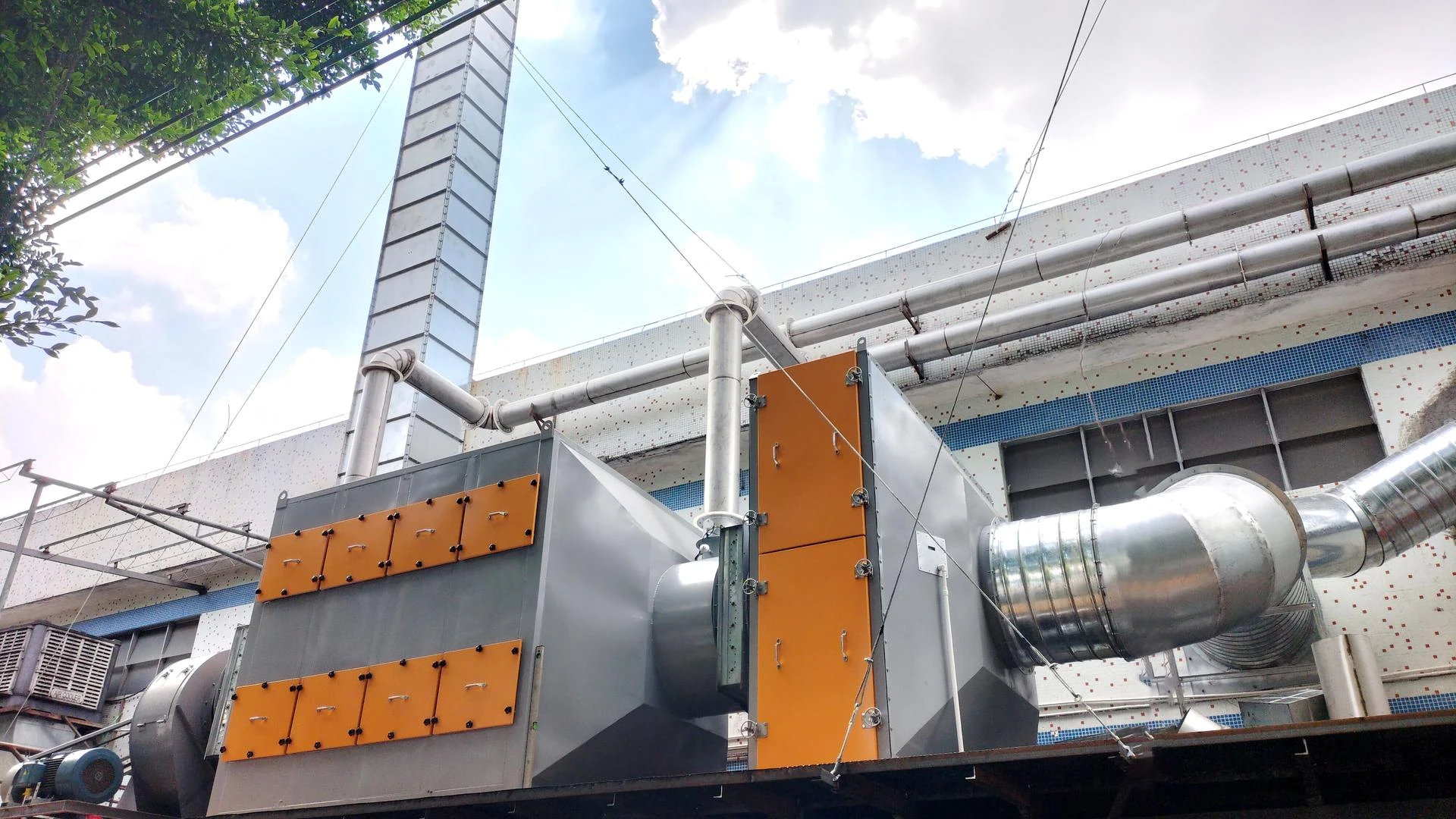
60,000 m³/h Zeolite Rotor Concentrator & Catalytic Oxidizer for Gravure Packaging Printing Presses
3-Stage Dry Particulate Filtration (G4/F7/F9) + 60,000 m³/h Zeolite Rotor + 6,000 m³/h Catalytic Oxidizer with Dual-Stage Heat Recovery
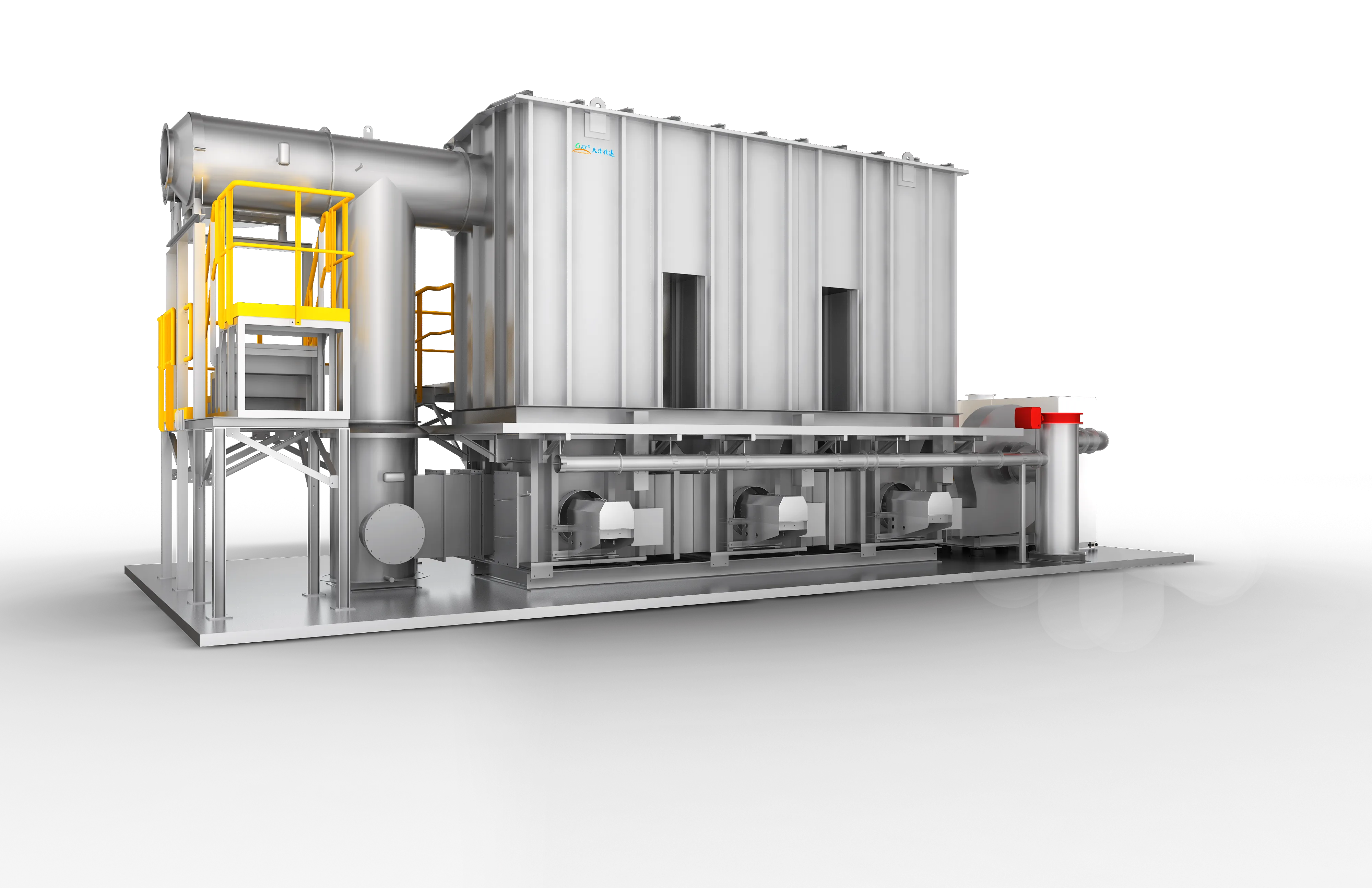
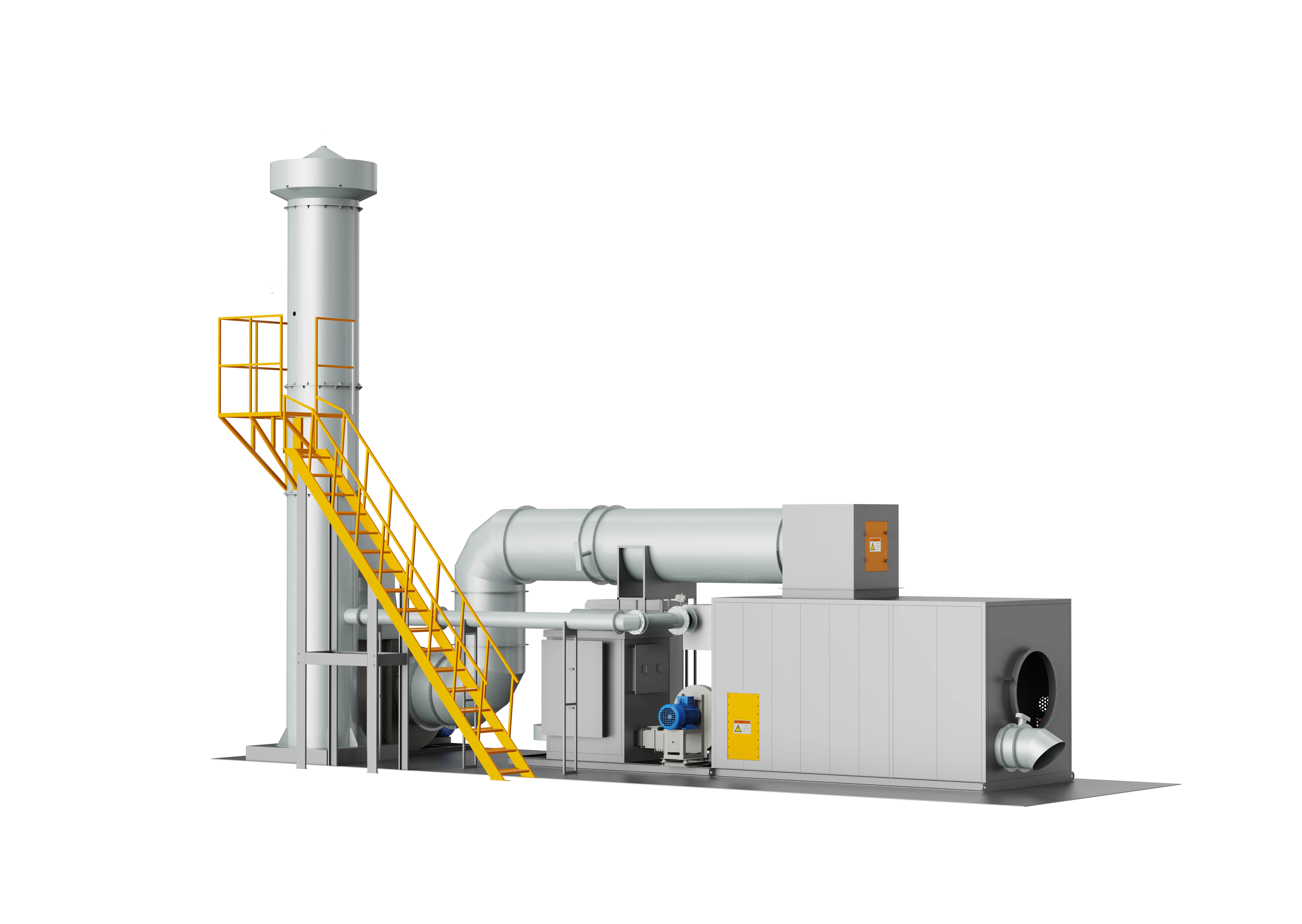
Packaging Printing Three-Bed RTO Project
Three-bed RTO + heat recovery
Printing Exhaust Concentration and Catalytic Oxidation
Zeolite rotor + split catalytic oxidation
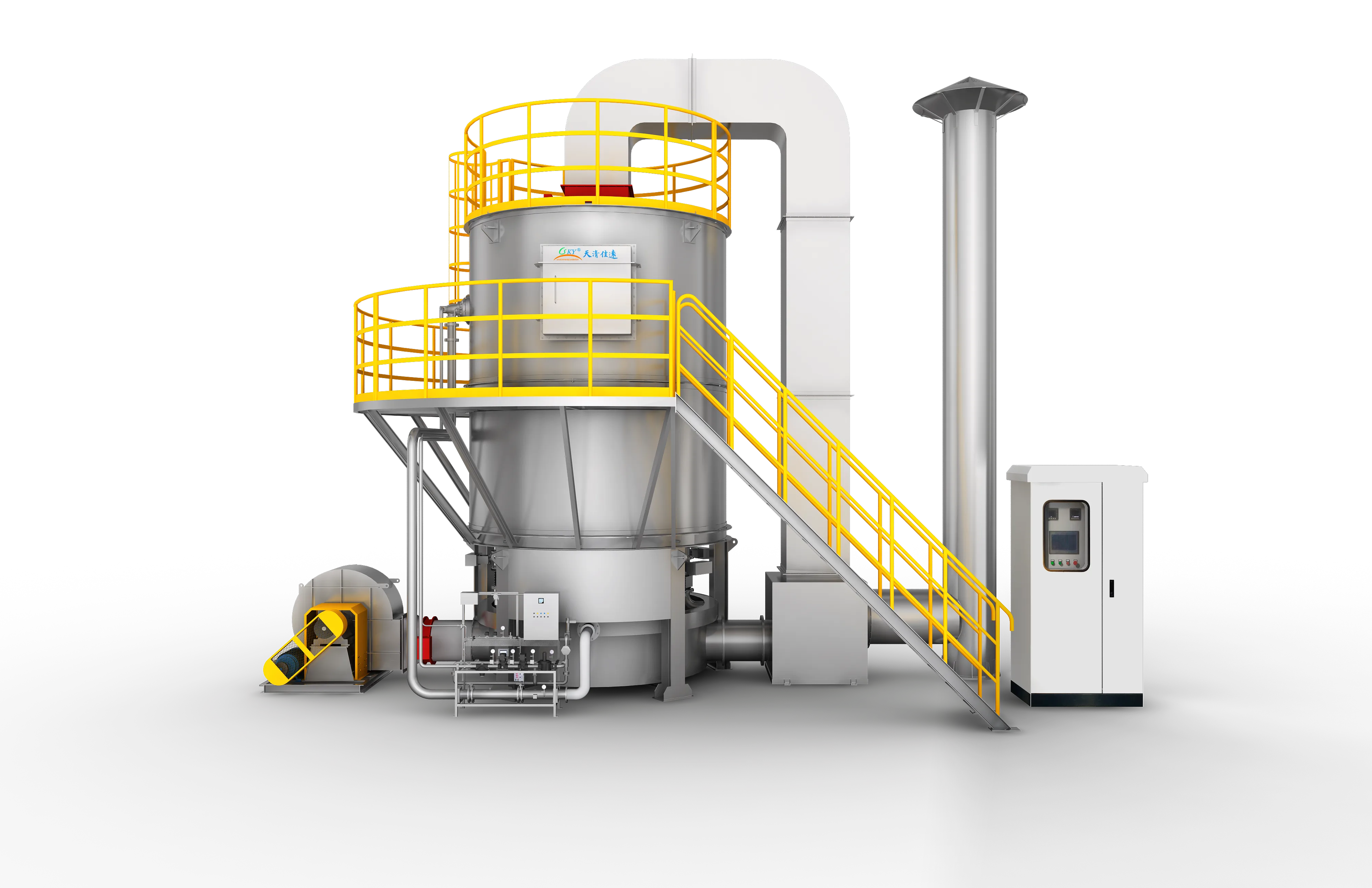
Optical Film Coating Rotary RTO Project
Dry filtration + rotary RTO + heat recovery
Configurations commonly evaluated
These configurations are starting points for this industry. Final selection depends on measured airflow, pollutant chemistry, concentration, temperature and production schedule.
Three-Tower RTO
A premier-grade industrial VOC thermal abatement system that achieves >=99% VOC destruction efficiency and >=95% thermal energy recovery through a classic three-bed alternating heat-exchange and purge process.
View equipmentRotary RTO
A next-generation RTO system utilizing a continuously rotating gas distributor instead of switching valves, providing stable thermal destruction of VOCs with >= 99% purification efficiency, >= 95% thermal recovery, and zero pressure spikes.
View equipmentZeolite Rotor
A high-efficiency VOC pre-treatment and concentration system utilizing advanced hydrophobic zeolite molecular sieves to continuously adsorb, desorb, and enrich large-airflow, low-concentration organic exhaust gases, reducing downstream thermal destruction energy consumption by 40% to over 50%.
View equipmentRotor + 3-Tower RTO
The premier system for large-airflow, low-concentration VOC emissions, combining a hydrophobic zeolite rotor for 10-40x gas enrichment with a mature three-tower RTO for complete destructive oxidation, cutting energy costs by 40%-60%.
View equipmentRotor + Rotary RTO
The ultimate high-end VOC abatement configuration, marrying a hydrophobic zeolite rotor for 10-40x gas concentration with a valveless Rotary RTO for continuous, pulse-free, and highly energy-efficient thermal destruction (efficiency >= 99.8%).
View equipmentZeolite Rotor + CO
A modular, highly compact VOC abatement system integrating zeolite molecular sieve concentration with low-temperature catalytic oxidation (CO) at 250-350°C, delivering energy savings of up to 20%+ and zero fire risk for small-to-medium airflow setups.
View equipmentMap your printing & laminating process
Share exhaust sources, airflow, concentration, operating temperature and schedule. We will identify pretreatment needs and a suitable control train.