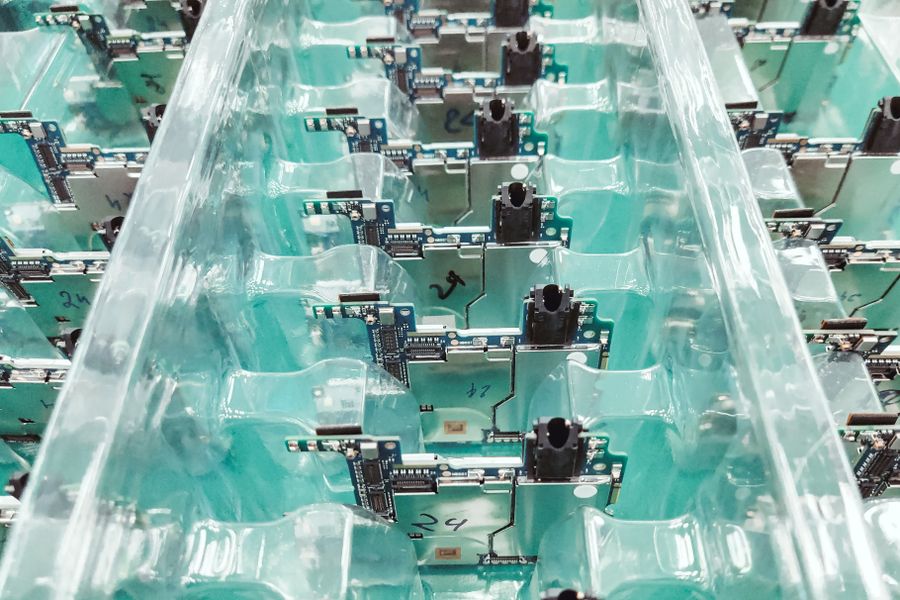
Electronics, PCB & Semiconductors
PCB, semiconductor, motor, and appliance process exhaust.
Processes and emission sources
Compact concentration + oxidation trains, with WESP where oil mist or sticky aerosols are present.

Real engineering project deployed by FluxFine Environmental.
Common pollutants
- Solvent VOCs
- Acid or alkaline co-streams
- Flux fumes
- Oil mist
- Fine particulate
Typical conditions
- Large mixed exhaust networks
- Space-constrained utility areas
- Continuous duty
- Process-sensitive pressure control
Engineering priorities
- Corrosion resistance
- Stream compatibility
- Footprint
- Bypass and redundancy
- Utility integration
From collection to compliant discharge
- 01
Stream segregation
- 02
Chemical or particulate pretreatment
- 03
Concentration
- 04
Oxidation
- 05
Polishing as required
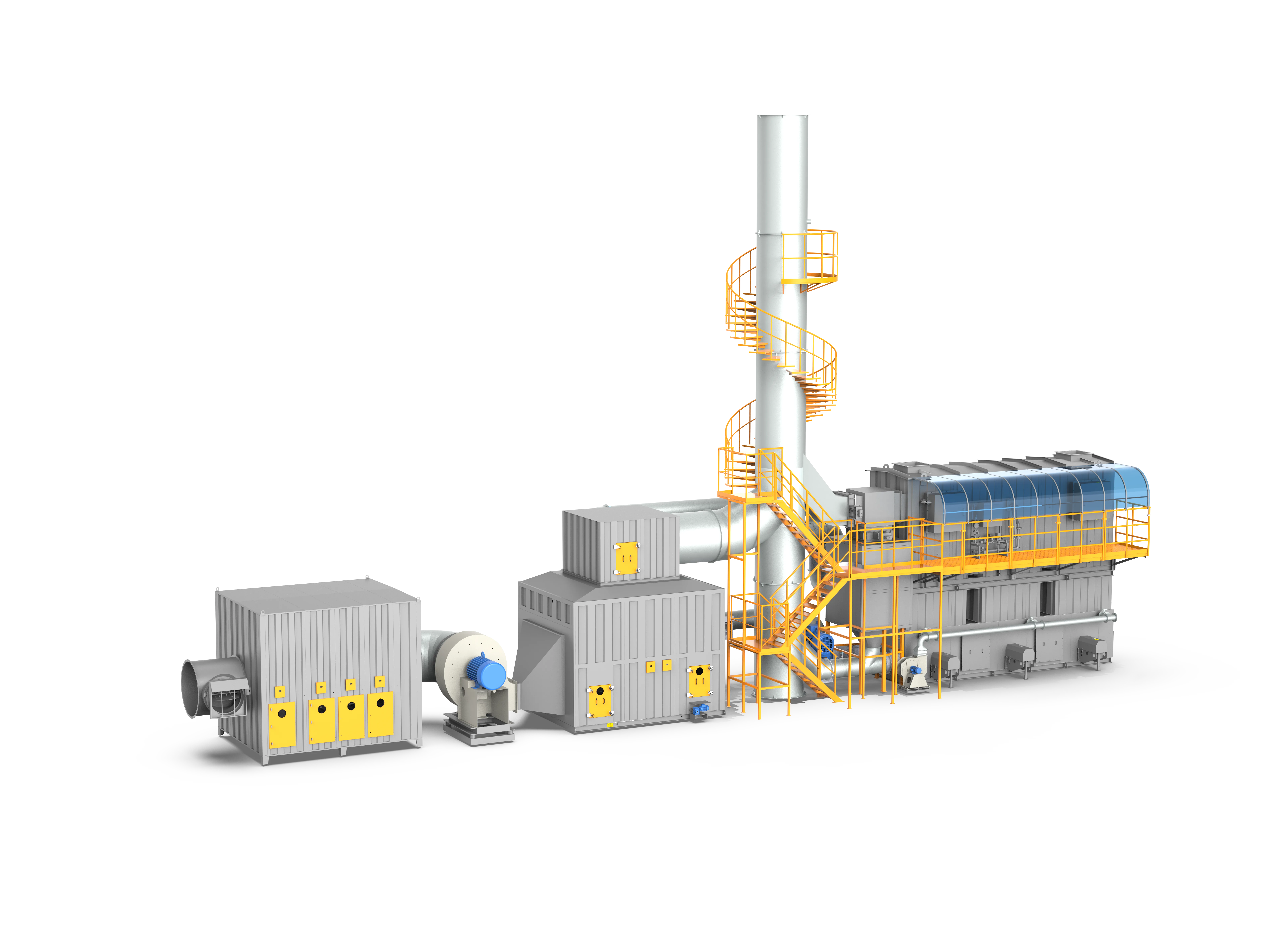
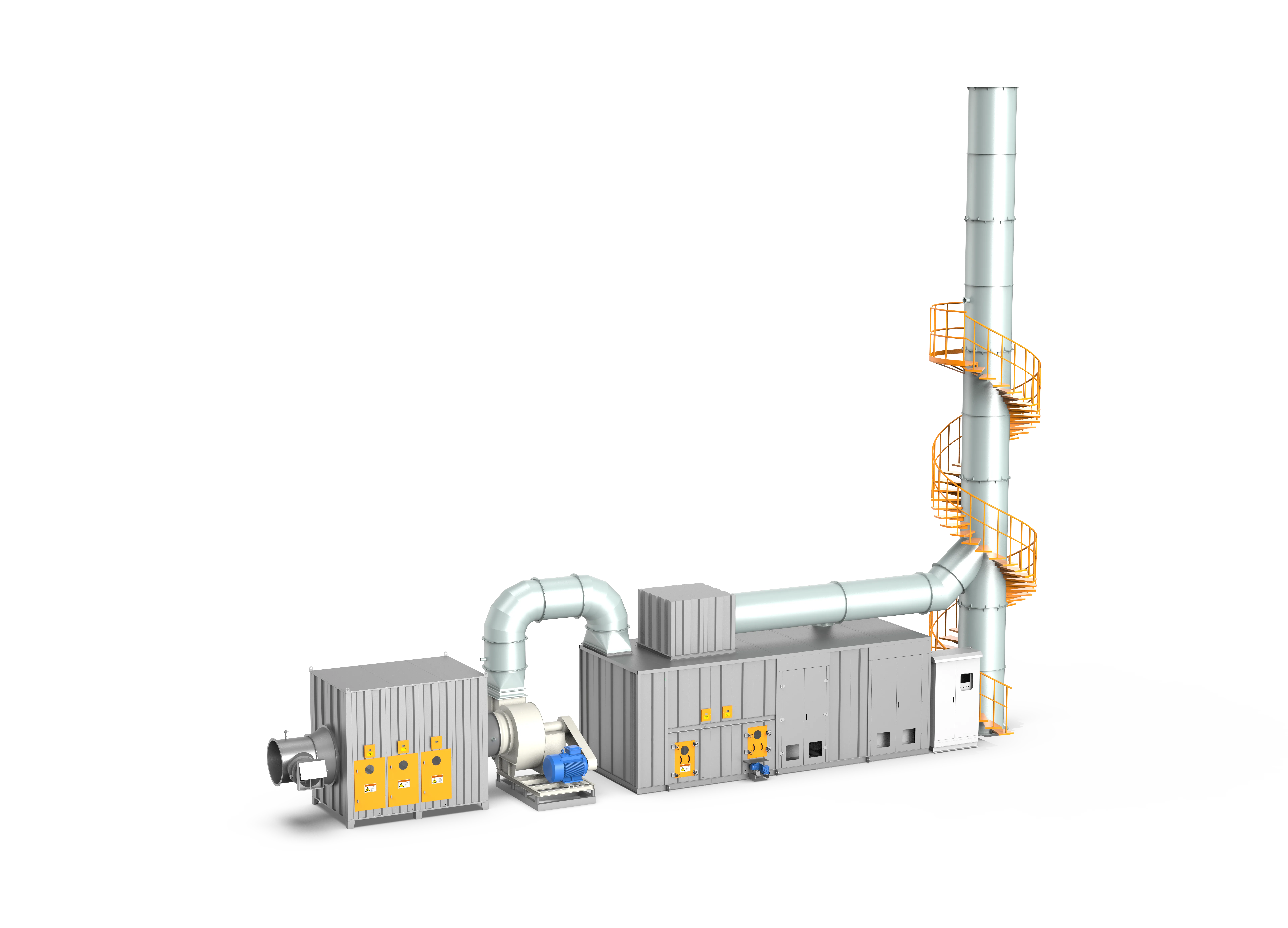
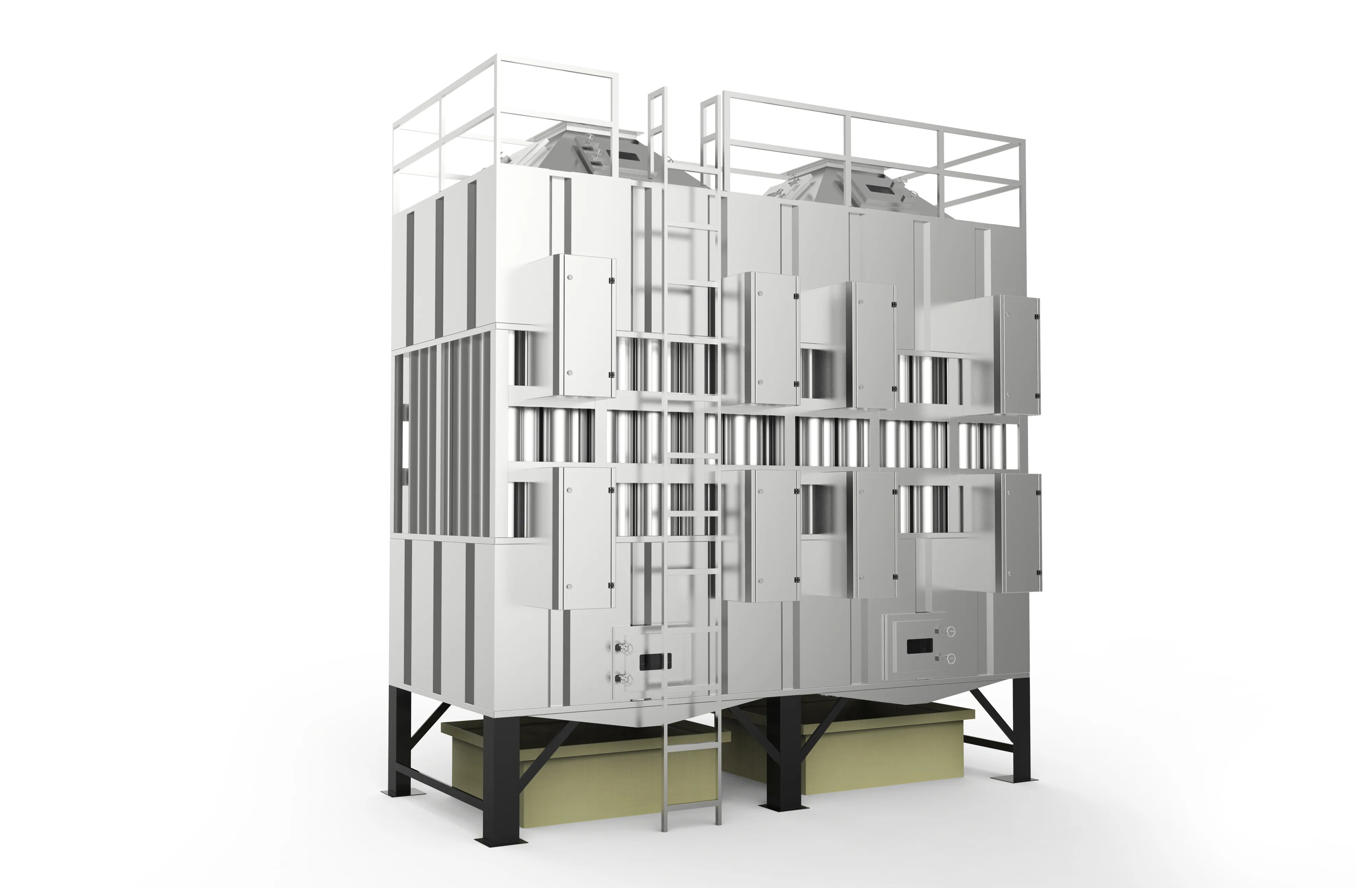
How we turn electronics, pcb & semiconductors exhaust data into a treatment train
The recommended configuration is built around the actual production process, not a generic industry label. This is especially important when one site has multiple exhaust headers, recipes or operating modes.
Common treatment challenges
- Mixed organic and particulate loads
- Tight plant footprints
- Stable uptime requirements
Data we request
- Exhaust source, airflow and operating schedule
- VOC/pollutant analysis, concentration range and LEL information
- Temperature, humidity, dust, mist and corrosive components
- Existing collection or pretreatment equipment
- Emission target, layout, utilities and shutdown constraints
Engineering decisions
- Whether streams should be segregated, balanced or treated together
- Which pretreatment protects downstream equipment
- Whether concentration, direct oxidation, recovery or polishing is appropriate
- Materials, safety interlocks, monitoring and maintenance access
- Where recovered heat or utilities can be integrated
Recommended path for electronics, pcb & semiconductors exhaust
This is a decision framework based on the supplied product and project material. The final train changes with measured chemistry, operating patterns and site constraints.
Common emission sources
- PCB process and solvent exhaust
- Electronic-material coating/drying
- Flux fume and fine particulate points
- Acid/alkali process co-streams
Stream segregation → chemistry-specific pretreatment → concentration/oxidation or WESP polishing
Electronics sites can combine incompatible exhaust types. Segregating acid/alkali, solvent, particulate and oil-mist streams protects downstream equipment and preserves control performance.
- 01Map headers by chemistry and process
- 02Separate corrosive or particulate-rich streams
- 03Apply filtration/scrubbing/WESP where needed
- 04Concentrate or oxidize compatible VOC streams
- 05Maintain pressure control and service access
Compact zeolite + catalytic package
Consider for clean, catalyst-compatible low-concentration solvent streams where site footprint is constrained.
Process-specific questions
Why is stream segregation important for PCB exhaust?
A mixed header can combine acids, alkalis, VOCs and particulate that need different materials and treatment methods. Separation reduces corrosion, fouling and cross-contamination risk.
Is WESP a VOC treatment system?
WESP targets fine aerosol and mist. It can be a pretreatment or polishing stage but does not replace oxidation when the organic gas load requires destruction.
Documented electronics, pcb & semiconductors applications
Published records show the documented process context and treatment configuration. Airflow and concentration values, where shown, are project data rather than product guarantees.
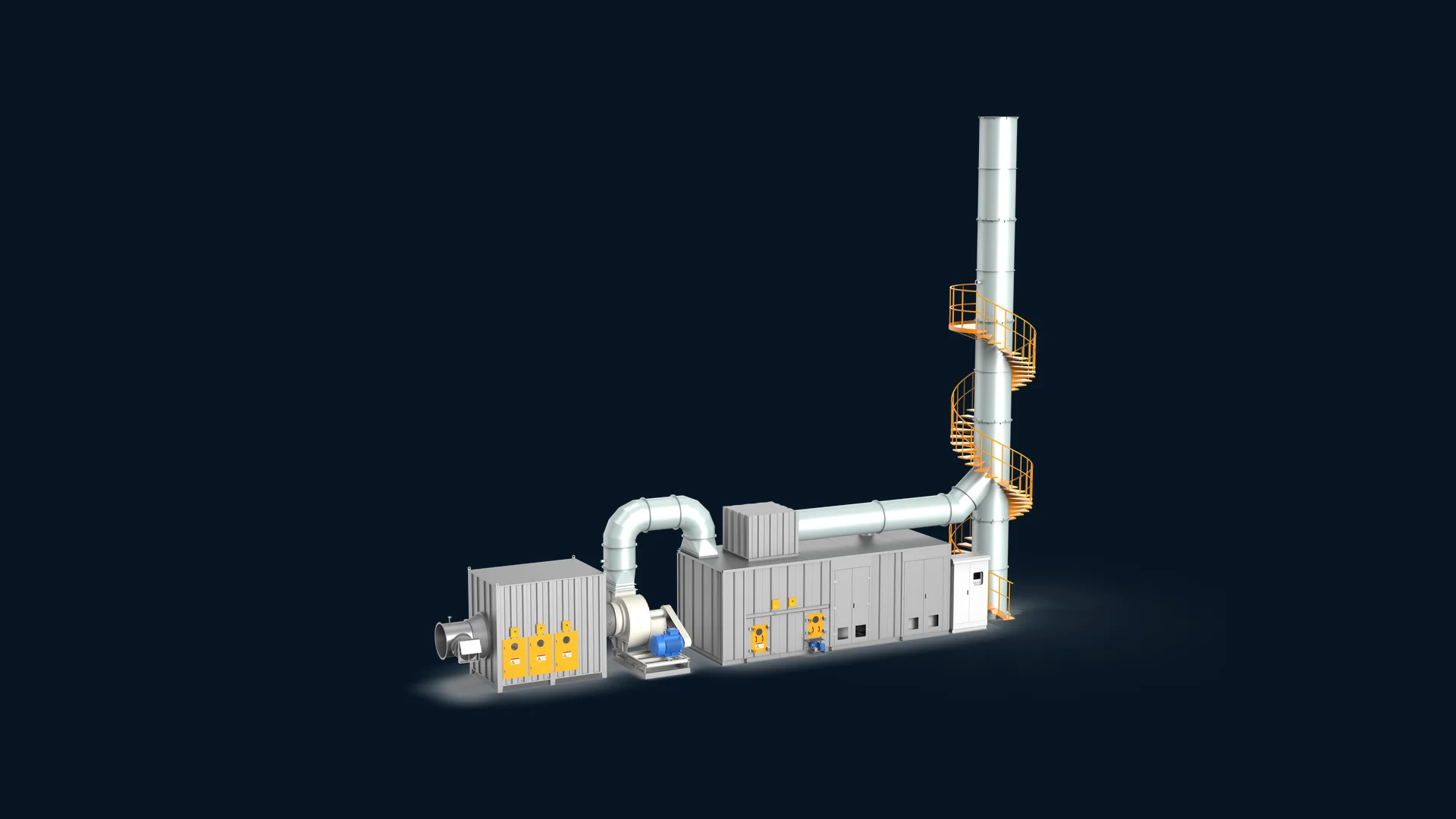
40,000 m³/h Zeolite Concentrator & Intermittent Catalytic Oxidizer for Acoustic Component Spray Lines
Cyclone Hybrid Scrubber + 4-Stage Dry Filtration (G4/F7/F9/H10) + 20:1 Zeolite Concentrator + 2,000 m³/h Intermittent Catalytic Oxidizer (CO)
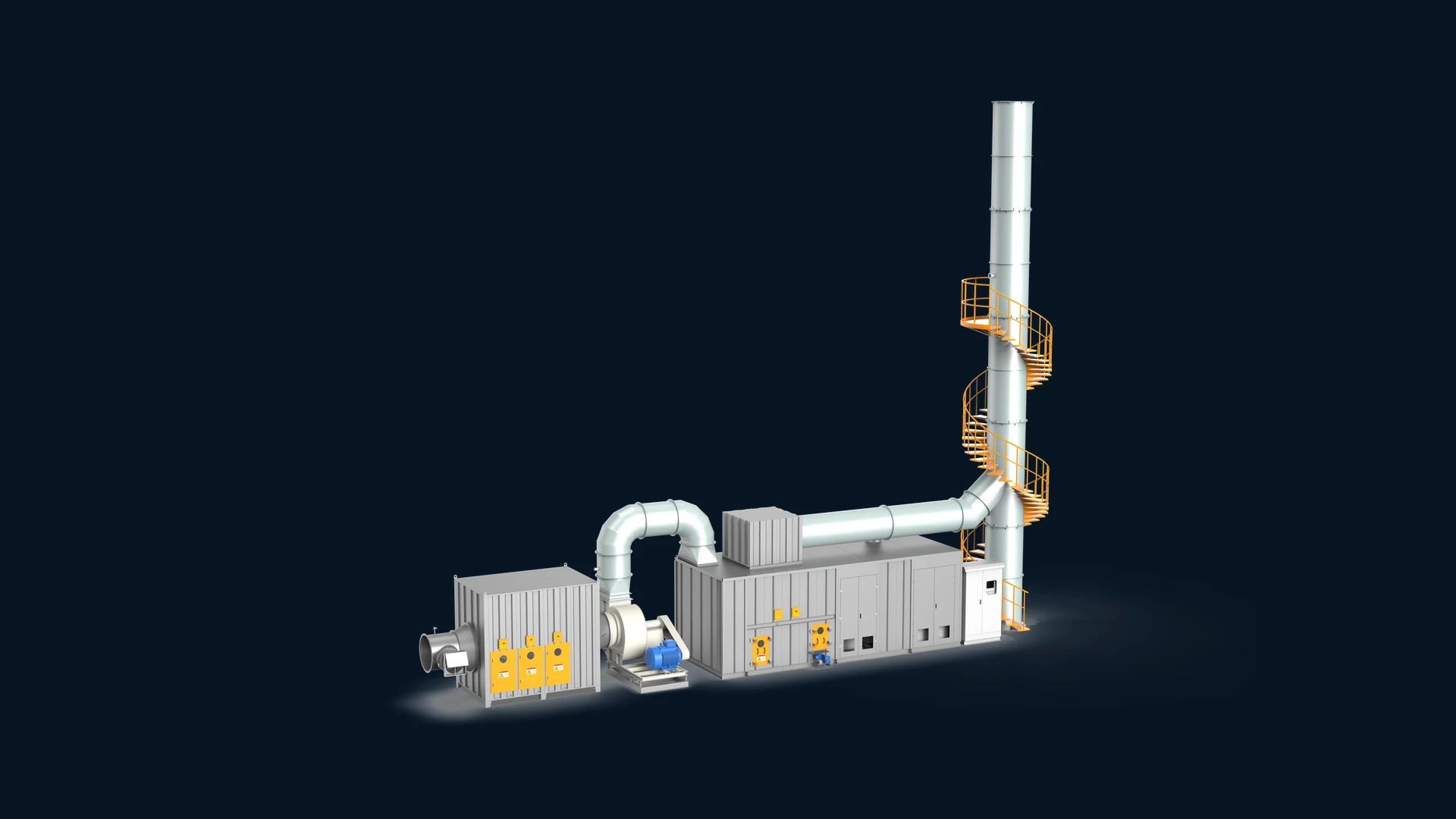
30,000 m³/h Zeolite Rotor & Catalytic Oxidizer for PCB Screen Printing & Coating Exhaust
Wet Scrubber + 4-Stage Dry Filtration Box (G4/F5/F7/F9) + 30,000 m³/h Zeolite Rotor + 3,000 m³/h Flameless Catalytic Oxidizer

700,000 m³/h Multi-Train VOCs & Fluoride Treatment System for NVT Technology Lithium Battery Plants
14-Train PP Alkali Scrubbing (5% NaOH) + Two-Stage Demisting + Cyclic Honeycomb Carbon Adsorption + Catalytic Oxidation (CO, 25:1 Ratio)
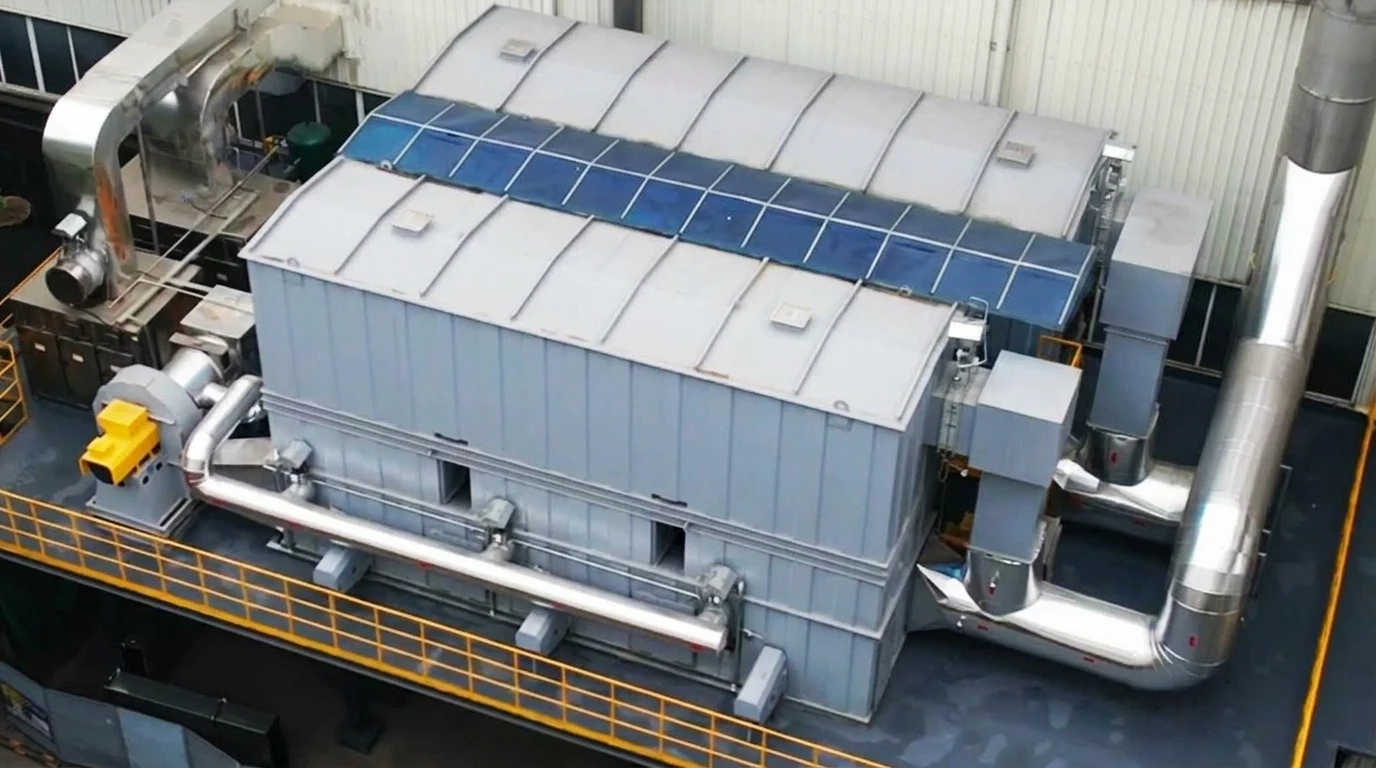
60,000 m³/h Dual 3-Bed RTO Thermal Abatement System for Haier Smart Home (Chongqing)
Dual-Train 3-Bed RTO (35k + 25k m³/h) + Stainless Wire Mesh Demisters + 25m Combined Stack
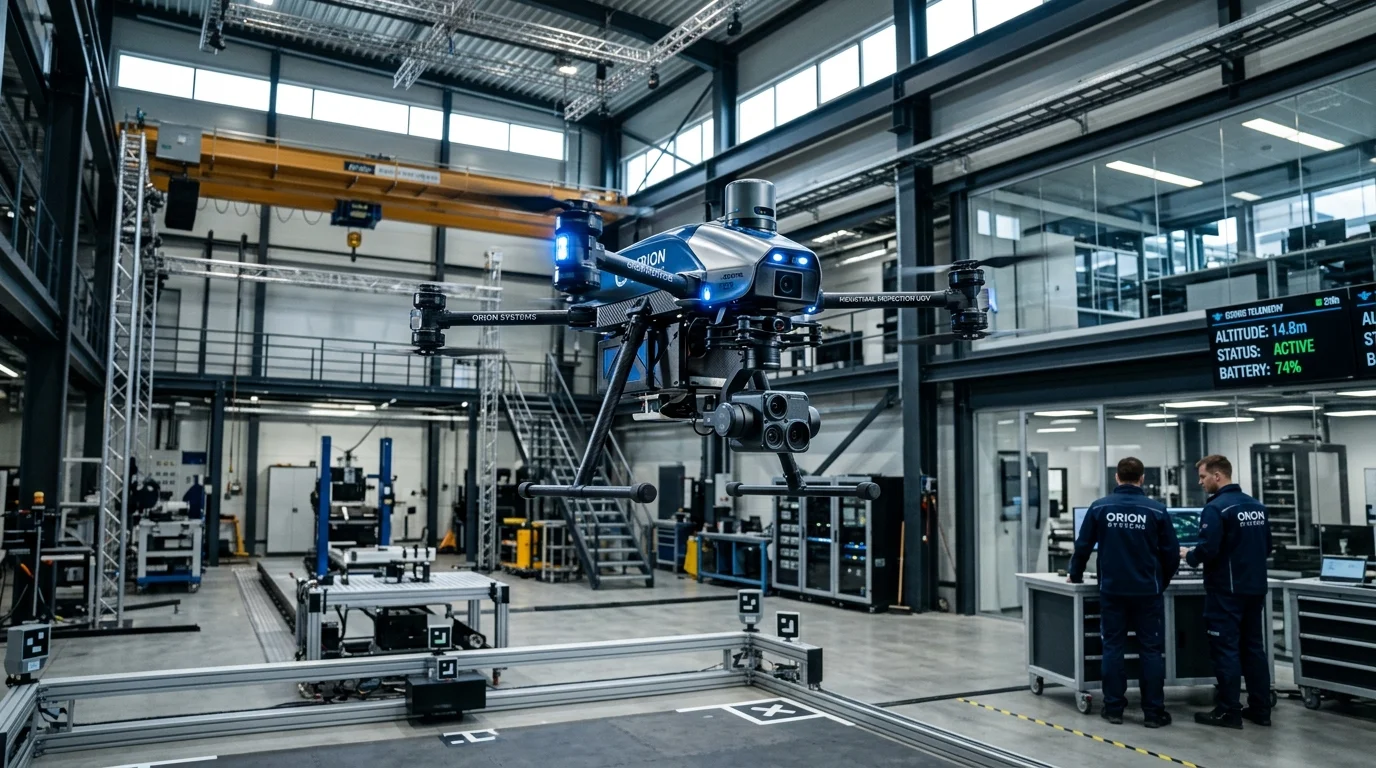
15,000 m³/h VOC & Odor Abatement System for DJI Innovation Drone Testing Facility
PP Wet Chemical Scrubber + G4/F5 Dry Filter + Dual-Stage SUS304 GAC Adsorbers
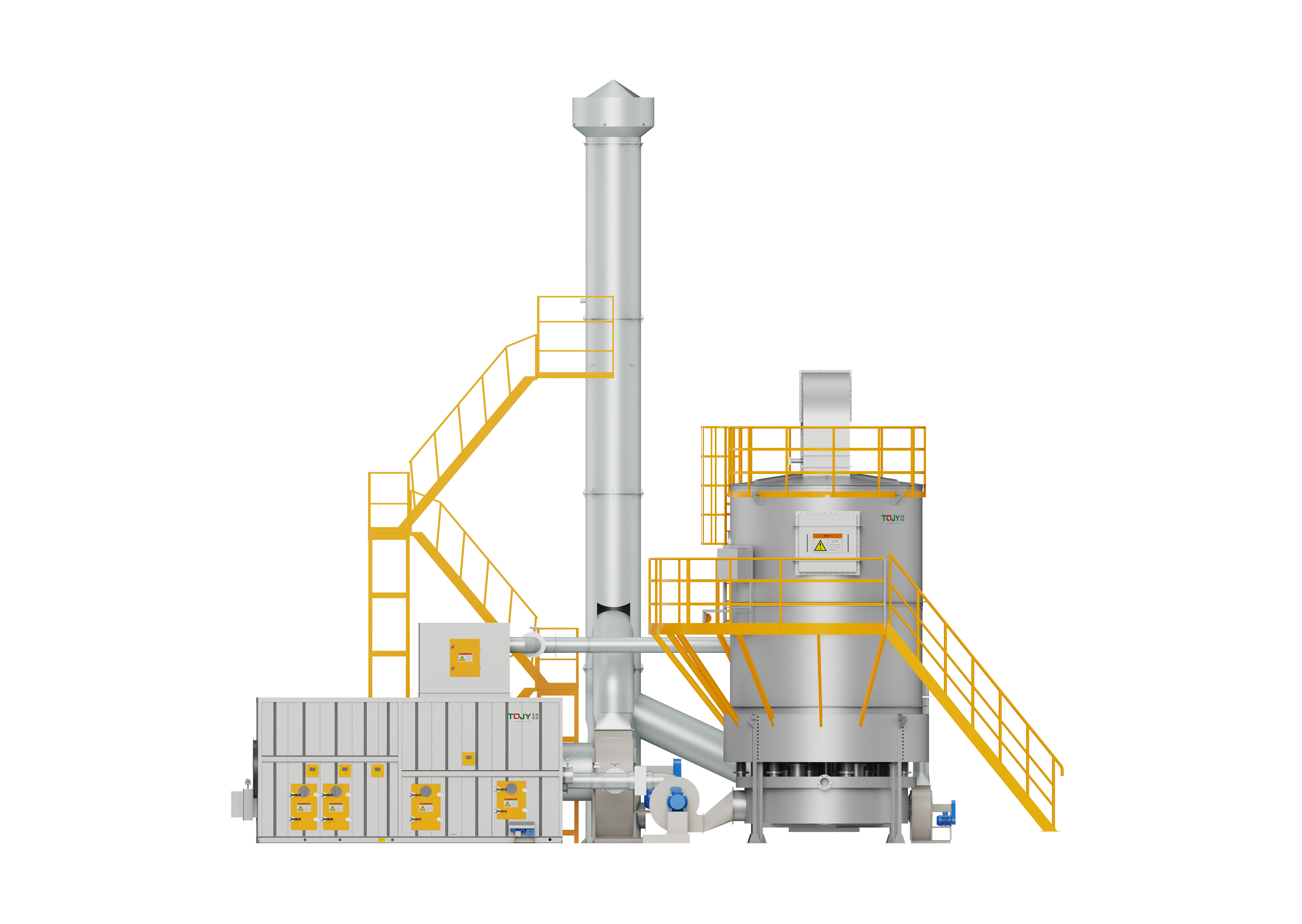
High-Airflow PCB VOC Control
Zeolite rotor + three-bed RTO
Configurations commonly evaluated
These configurations are starting points for this industry. Final selection depends on measured airflow, pollutant chemistry, concentration, temperature and production schedule.
Zeolite Rotor
A high-efficiency VOC pre-treatment and concentration system utilizing advanced hydrophobic zeolite molecular sieves to continuously adsorb, desorb, and enrich large-airflow, low-concentration organic exhaust gases, reducing downstream thermal destruction energy consumption by 40% to over 50%.
View equipmentRotor + 3-Tower RTO
The premier system for large-airflow, low-concentration VOC emissions, combining a hydrophobic zeolite rotor for 10-40x gas enrichment with a mature three-tower RTO for complete destructive oxidation, cutting energy costs by 40%-60%.
View equipmentZeolite Rotor + CO
A modular, highly compact VOC abatement system integrating zeolite molecular sieve concentration with low-temperature catalytic oxidation (CO) at 250-350°C, delivering energy savings of up to 20%+ and zero fire risk for small-to-medium airflow setups.
View equipmentRCO
Ceramic heat regeneration combined with catalytic oxidation for compatible VOC streams requiring continuous, energy-conscious treatment.
View equipmentCompact Adsorption + CO
A compact adsorption-catalytic package for laboratories and smaller production lines with low-concentration VOC exhaust.
View equipment304 Stainless Air Duct
High-quality 304 stainless steel welded air ducts with anti-corrosion coatings, sized 80-2000mm.
View equipmentMap your electronics, pcb & semiconductors process
Share exhaust sources, airflow, concentration, operating temperature and schedule. We will identify pretreatment needs and a suitable control train.