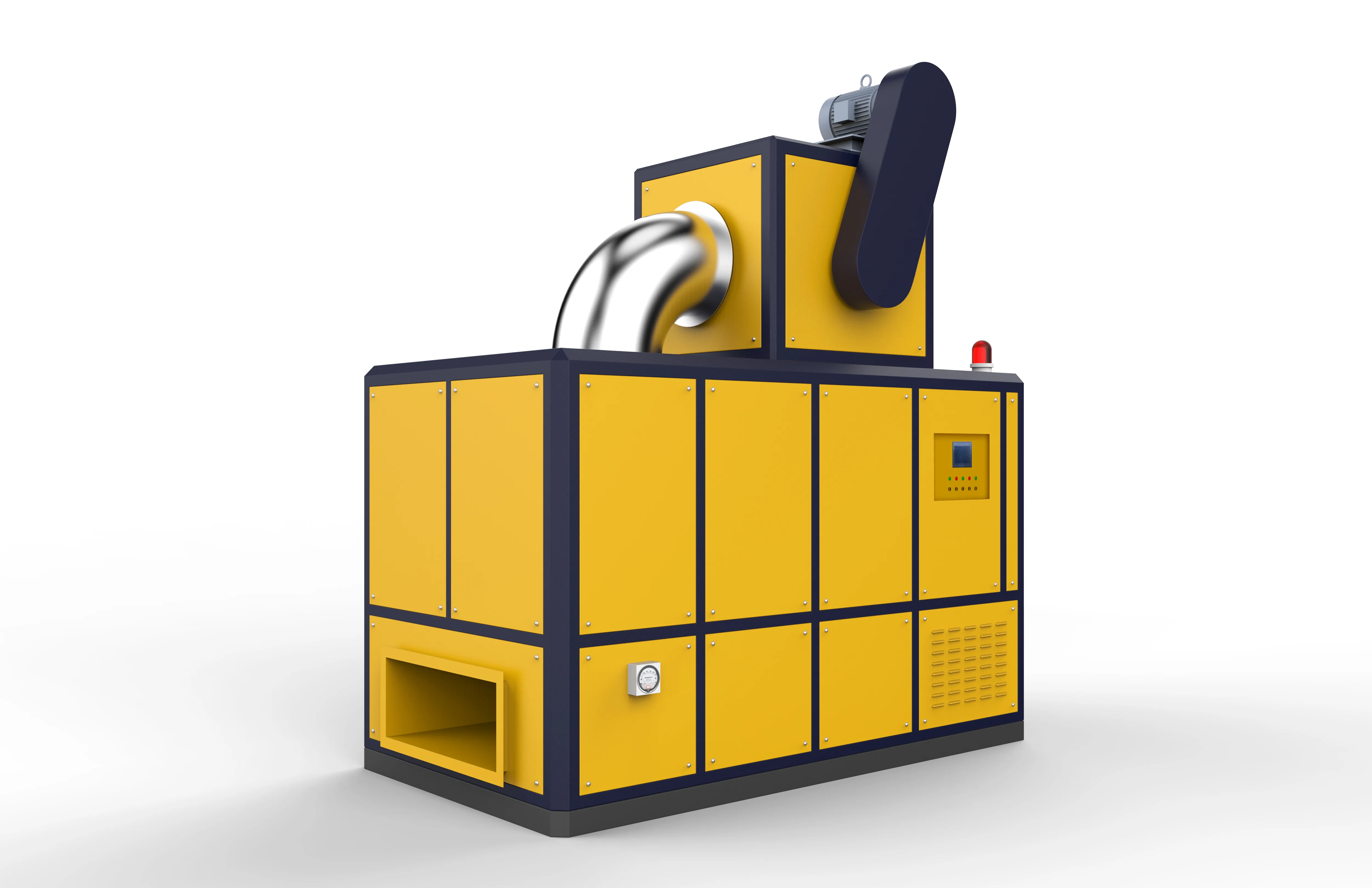
Stainless Steel Air Duct (304 Welded Duct)
High-quality 304 stainless steel welded air ducts with anti-corrosion coatings, sized 80-2000mm.
Designed around actual process conditions
We manufacture our own stainless steel welded air ducts to ensure perfect integration with our environmental equipment. Available in outer diameters from 80mm to 2000mm and thicknesses from 0.5mm to 20mm, providing a one-stop service from fabrication to installation.
Industrial Welded Duct
Standard premium grade
Customizable
Project specific
Operating references and configuration choices
These reference values and modules clarify the scope we evaluate. They are not a substitute for a process-data review or final proposal.
| Engineering reference | Value | How to read it |
|---|---|---|
| Application scope | Industrial exhaust conveyance and connection to abatement equipment | A selection reference only; final capacity and materials follow the project design basis. |
| Configuration | Project-specific | Confirmed from process data, site constraints and the required treatment objective. |
| Performance basis | Process-dependent | No generic removal, safety or compliance promise is made without the stated pollutant and operating conditions. |
Typical modules considered
- Duct sections, supports and expansion/detail interfaces
- Flanged or welded joints selected by installation and maintenance requirements
- Drainage, access doors and insulation where the process requires them
- Leakage/inspection provisions within the agreed fabrication scope
Project-specific selection notes
- Confirm gas temperature, corrosion potential, dust abrasion, pressure, routing and structural loads.
- Select grade, wall thickness, support spacing and expansion provisions from the actual duty.
- Ductwork is an engineered system interface, not a standalone emissions-control technology.
How to use this product information
Duct construction should be compared by corrosion, temperature, pressure, leakage risk, access and installation constraints rather than nominal material alone.
- The bilingual source contains the baseline stainless-steel duct product description; final materials and fabrication details need project confirmation.
- The published description is a selection starting point. Process data, utilities, materials, safety requirements and acceptance criteria remain subject to engineering review.
What we review before specifying 304 Stainless Air Duct
A product name is a starting point, not a final design. These inputs define pretreatment, materials, controls, equipment size and scope boundaries.
Project data to provide
- Gas chemistry and required absorption/reaction
- Airflow, inlet temperature, dust and mist loading
- Liquid chemistry, pH/ORP control and make-up water
- Wastewater treatment route and discharge constraints
- Corrosion requirements, footprint and pressure-drop allowance
Typical engineered scope
- Inlet quench, jet or packed contact stage as required
- Recirculation tank, pump, chemical dosing and instrumentation
- Mist eliminator and duct/fan interface
- Materials selected for temperature and chemistry
- Wastewater, sludge and maintenance access provisions
Safety and controls
- The treatment liquid is selected from the gas chemistry and operating target.
- pH, ORP, liquid level, pressure drop and pump status are typical monitored points.
- Scrubbers may be pretreatment, primary acid/alkali control or a polishing stage; the role must be defined.
- Do not quote generic efficiency without the gas species, reagent and contact design.
How it works
Provides a highly durable, leak-proof, and corrosion-resistant conduit for transporting harsh chemical fumes and high-temperature exhaust from the process source to the abatement system.
- 01Custom fabrication
- 02Anti-corrosion coating (if required)
- 03On-site welding and assembly
- 04Leakage testing
- Corrosive chemical exhaust
- High-temperature flue gas
- Outdoor exposed ductwork
- Cleanroom extraction
- Proper expansion joints must be engineered for high-temperature runs.
- Weight of thick-walled ducts requires robust structural supports.
Typical pollutants
- Acidic/alkaline fumes
- High-temp VOCs
- Abrasive dust
- Corrosive gases
Engineering features
- OD 80-2000mm
- Thickness 0.5-20mm
- Premium 304 SS
- Optional special anti-corrosion coating
Available options
- 316L for extreme corrosion
- Flanged or welded joints
- Insulated ducting
Relevant industries
Chemical Industry
Resins, coatings, waterproofing, and specialty chemicals.
Pharmaceutical & Medical
Solvent exhaust from synthesis, coating, and finishing.
New Materials & New Energy
Battery materials, functional films, composites and advanced material production.
Electronics, PCB & Semiconductors
PCB, semiconductor, motor, and appliance process exhaust.
Coating & Surface Finishing
Industrial paint, UV coating, adhesive, metal finishing and multi-booth surface processes.
General technology selection
These answers explain the selection path. Final performance, safety scope and dimensions follow the approved project design.
When is a wet scrubber used before VOC treatment?
It can cool or remove acid/alkali gas, soluble contaminants and certain mist/particulate so that the downstream adsorption or oxidation equipment is protected.
What happens to the scrubber liquid?
It is recirculated with controlled make-up and blowdown. The project must define chemical dosing, wastewater treatment and disposal responsibilities.
Source basis: VOCs equipment source. Materials, reagent and performance are selected from the gas chemistry.
Specific product Q&A
Why use welded stainless steel ducts instead of spiral galvanized ducts?
Spiral galvanized ducts are cheap and suitable for clean, ambient HVAC air. However, industrial exhaust often contains heavy abrasive dust, corrosive chemical fumes, or high temperatures. Galvanized zinc coatings melt at low temperatures and quickly erode under abrasion. FluxFine's heavy-wall, fully welded stainless steel ducts provide absolute leak-proof integrity, zero fugitive emissions, and the structural strength to handle high-velocity, harsh industrial gases without degrading.
Do high-temperature stainless steel ducts require expansion joints?
Yes, absolutely. Stainless steel expands significantly when heated. A long, rigid run of welded ducting carrying 300°C+ exhaust will physically grow by several inches. Without properly engineered and positioned metallic or fabric expansion joints, this thermal expansion will literally tear the ductwork apart, shear off the support brackets, and severely damage the connected abatement equipment.
How do you prevent condensation and acid rain inside the ductwork?
When conveying hot, humid exhaust (especially after a wet scrubber or before a WESP), the duct walls must remain above the gas dew point. If the gas hits a cold uninsulated duct, water and acid will condense, raining back down into the process or pooling in the duct and causing rapid corrosion. FluxFine specifies thick industrial mineral wool insulation covered by an aluminum or stainless steel cladding to maintain the internal gas temperature.
Proven 304 Stainless Air Duct installations
Review documented treatment trains featuring 304 Stainless Air Duct technology across various industrial processes.
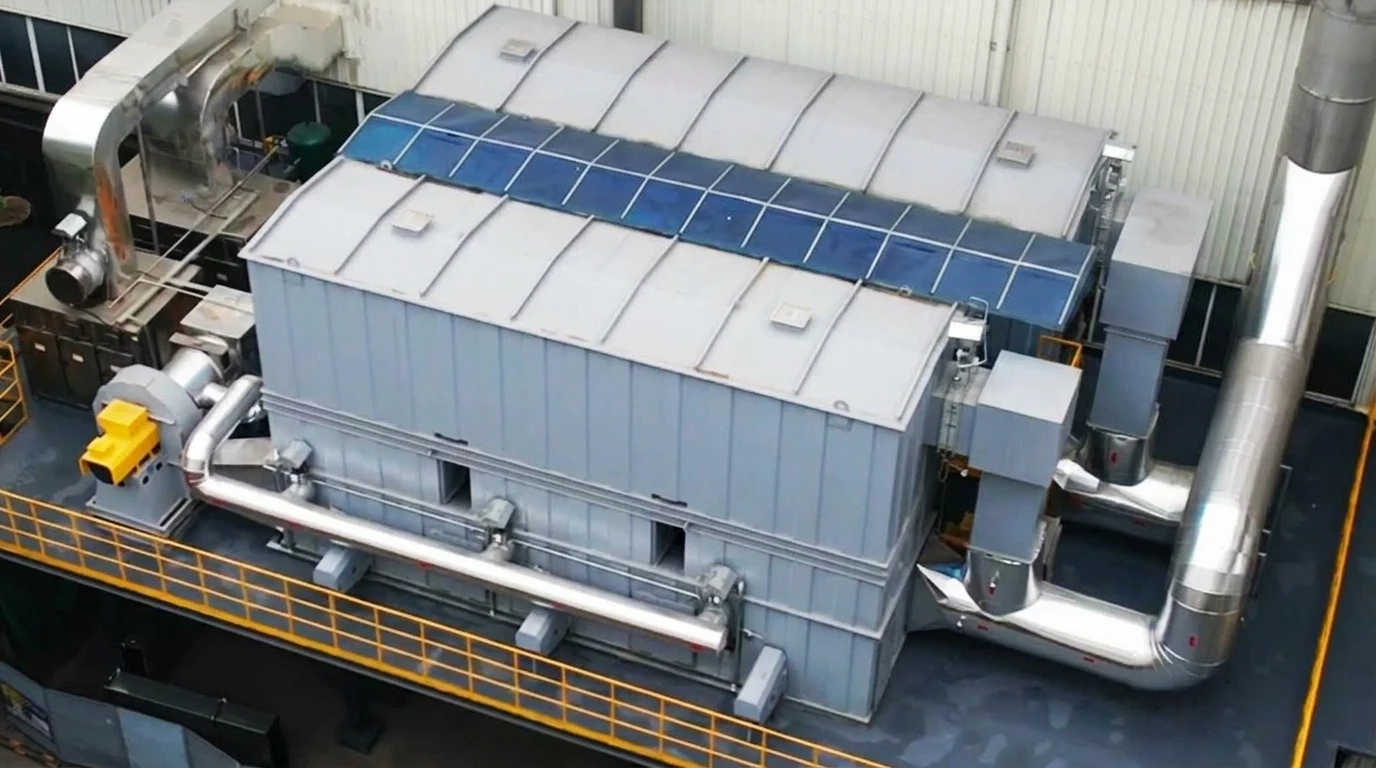
60,000 m³/h (35,300 CFM) · AC heat exchanger coil thermal degreasing ovens (stamping & drawing lubricant VOCs)
60,000 m³/h Dual 3-Bed RTO Thermal Abatement System for Haier Smart Home (Chongqing)
Dual-Train 3-Bed RTO (35k + 25k m³/h) + Stainless Wire Mesh Demisters + 25m Combined Stack
Read project reference →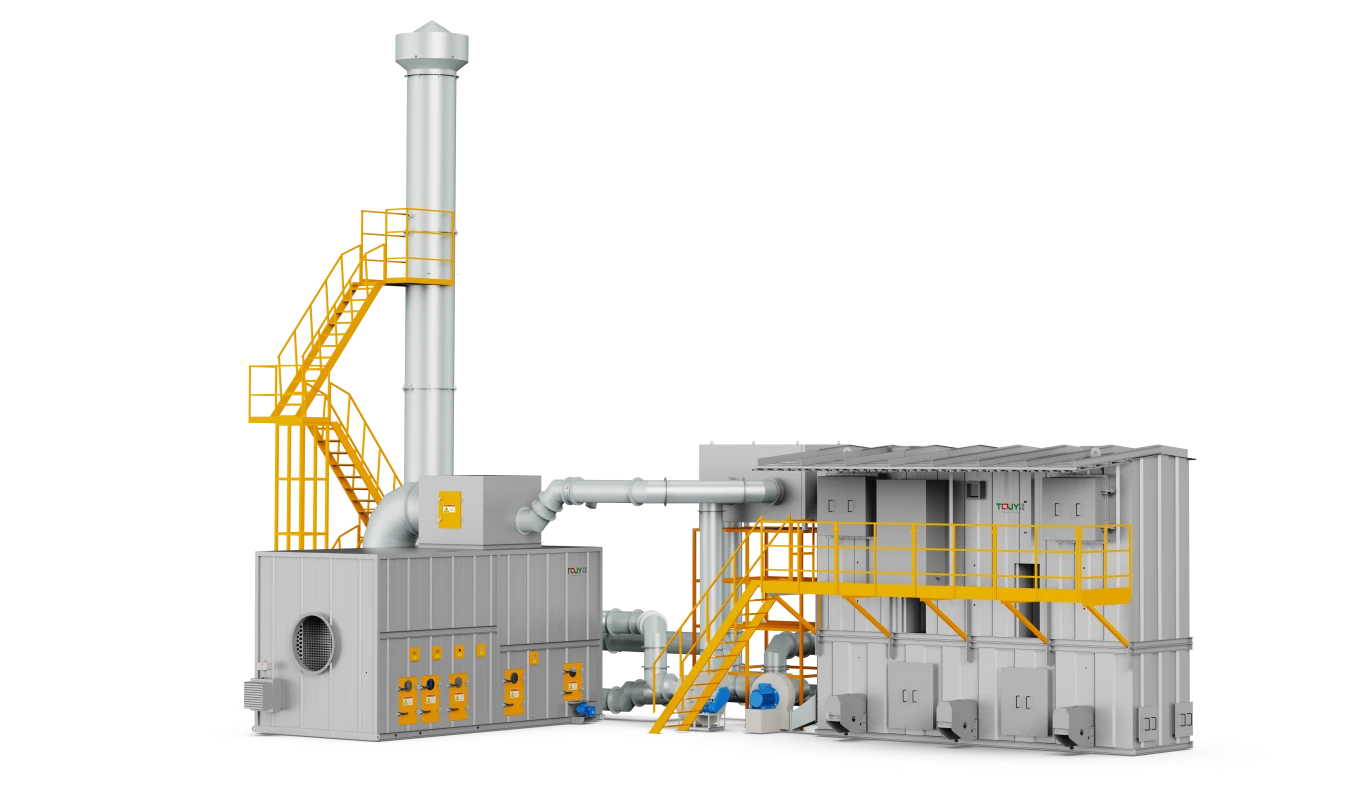
395,000 m³/h (232,400 CFM) across 5 production divisions · Automotive exterior protection components, 4WD accessories, chassis mounts & robotic/manual welding lines
395,000 m³/h Centralized Welding Fume & Metal Dust Extraction System for Dongjian Auto
Spot-Cooling Fresh Air Supply + Robotic On-Arm Tracking Hoses + 3D Hover Extraction Arms + Workstation Enclosures + Central Pulse-Jet Cartridge Dust Collectors
Read project reference →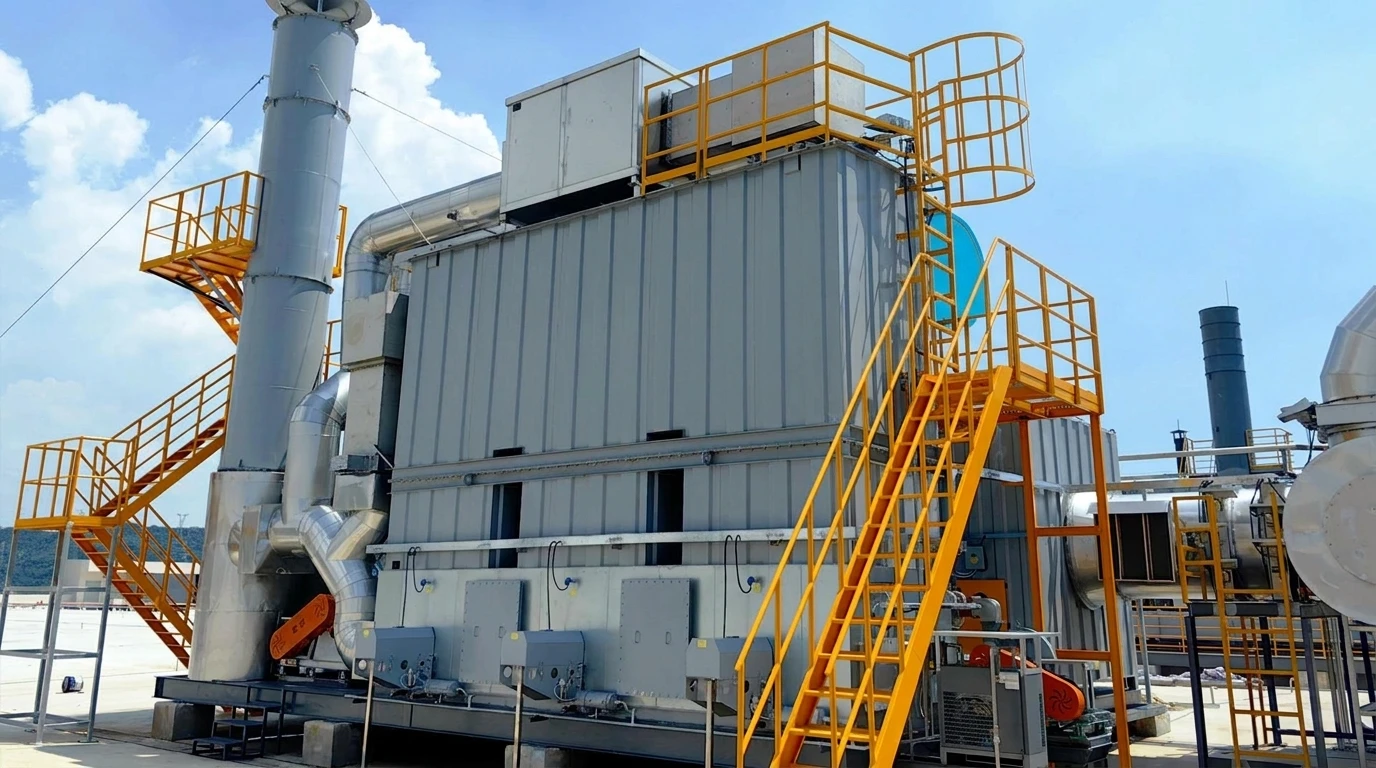
30,000 m³/h (17,650 CFM) · Automotive interior door panels and instrument clusters adhesive spraying, synthetic leather wrapping, laminating & tunnel oven curing
30,000 m³/h Adhesive Wrapping & Spraying VOCs Abatement System for Guangze Automotive Trim
Multi-Stage Dry Mist Coalescing Filtration Box + Dual-Stage Activated Carbon Adsorbers + 30 kW VFD Induced Draft Fan + 15m Roof Stack
Read project reference →Configure 304 Stainless Air Duct for your plant
Share measured process data so the engineering team can confirm suitability, pretreatment, equipment size and scope boundaries.
Source basis: Extracted from bilingual catalog for SEO. Published values are selection references, not a project guarantee.