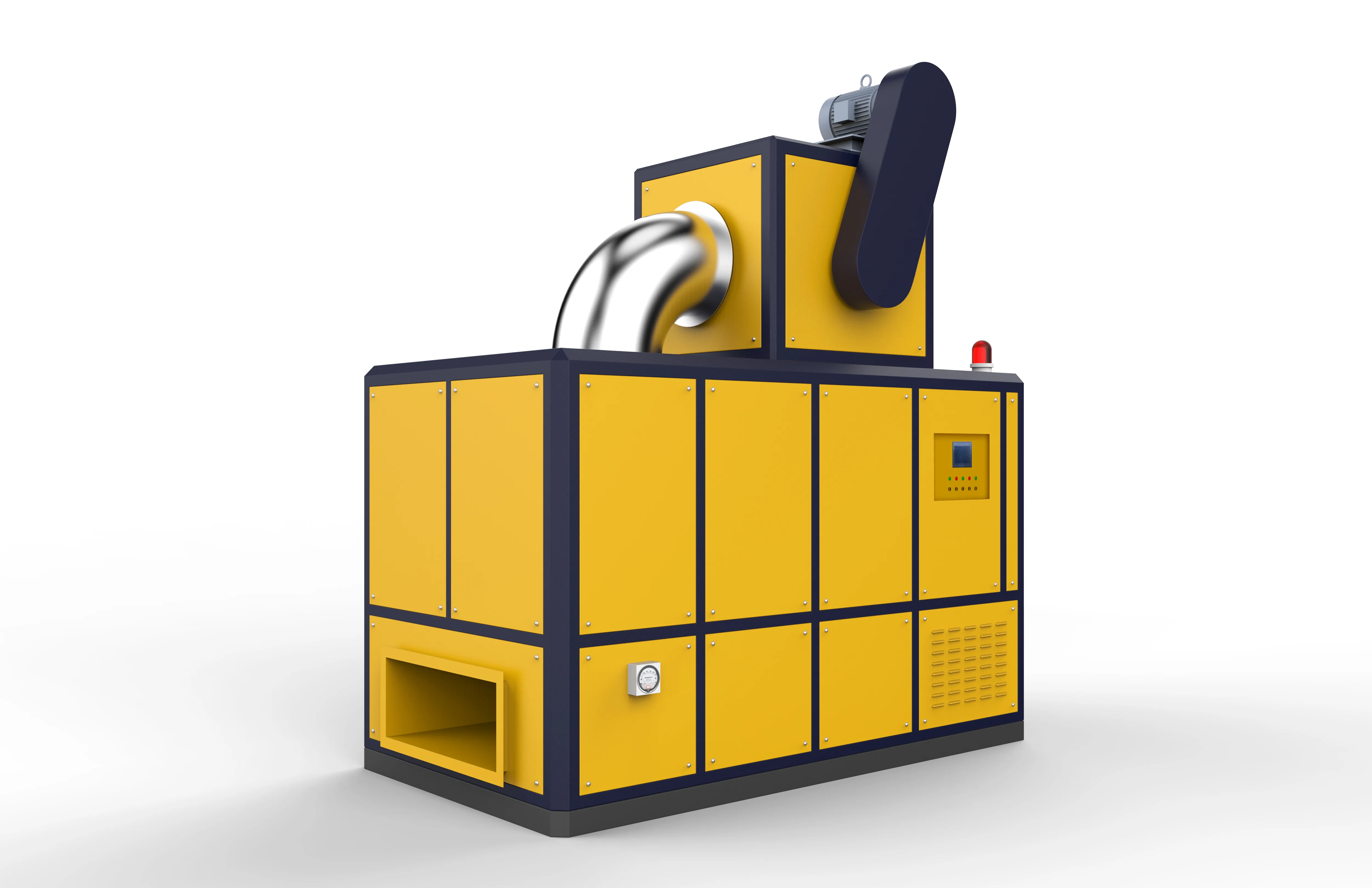
Odor Control
Microbial and photo-ion catalytic deodorization for process odors and waste-handling facilities.
Where Odor Control fits
Odor control systems target reduced sulfur compounds and process smells where full VOC oxidation trains are unnecessary. Microbial and photo-ion options cover industrial and compact installations.
Process odor, wastewater, waste handling
Selected by odor chemistry
Project-specific
Modular design
How the system works
Odorous air contacts a biological or photo-ion catalytic stage designed for the odor profile and airflow. Systems are sized for continuous or intermittent duty at wastewater, waste, and process vents.
- 01Collect and balance odorous air at the source.
- 02Condition humidity or remove particulate where required.
- 03Treat in a microbial or photo-ion catalytic stage.
- 04Monitor outlet odor and maintain media or modules.
Choose by process conditions
| Configuration | Description | Best fit | Source metric |
|---|---|---|---|
| Microbial Deodorization | Biological treatment for biodegradable odor compounds. | Wastewater, farms, food, waste handling, rubber, and selected process vents. | Project-specific |
| Photo-Ion Catalytic Unit | Compact oxidation and ionization for lower-load odor duty. | Pump stations, laboratories, food-waste rooms, and smaller facilities. | Project-specific |
| Industrial Photo-Ion System | Scaled modular equipment for continuous industrial odor streams. | Rubber, plastics, tire, refinery, and waste-treatment applications. | Project-specific |
Typical pollutants
- Reduced sulfur compounds
- Wastewater odors
- Waste-handling odors
- Low-concentration process smells
Engineering features
- Source collection design
- Humidity and residence-time control
- Modular treatment stages
- Low-pressure-drop options
- Accessible maintenance zones
Selection cautions
- Odor chemistry and peak load must be measured before selecting a technology.
- High-concentration VOC streams may require adsorption or oxidation instead of odor polishing alone.
What determines the final treatment train
Technology selection begins with process data. The same technology can require different pretreatment, materials, controls and maintenance provisions from one plant to another.
Information to confirm
- Odor source and compound analysis
- Average and peak load, airflow and humidity
- Presence of high-concentration VOCs, aerosol or corrosive gas
- Operating schedule and required boundary/stack objective
- Available footprint, utilities and maintenance capability
Typical system scope
- Source capture and prefiltration
- Selected biological, photo-ion, adsorption or polishing stage
- Fan/duct interface and local controls
- Inspection and media/lamp maintenance access
- Monitoring points matched to the selected process
Selection boundaries
- Odor polishing is not a substitute for VOC oxidation when concentration and risk require a thermal or catalytic system.
- Selection follows measured odour chemistry and peak loading.
- Filter/media/lamp maintenance must be planned as part of the operating model.
Source basis: existing site content. Odor-control performance is application-specific.
Products using this technology
Microbial Deodorizer
Biological waste gas treatment unit utilizing specialized microorganisms to digest and eliminate severe industrial and municipal odors.

Photo-Ion Deodorizer
High-efficiency, low-energy photo-ion catalytic oxidation system for rapid odor elimination in smaller facilities.
Selection questions
How is odor technology selected?
Start with the source, compound analysis, airflow, humidity and peak load. The same smell complaint can need very different treatment trains.
Can odor control treat high-concentration VOCs?
Not as a default. High VOC loads may require adsorption, catalytic oxidation or thermal oxidation after a process and safety review.
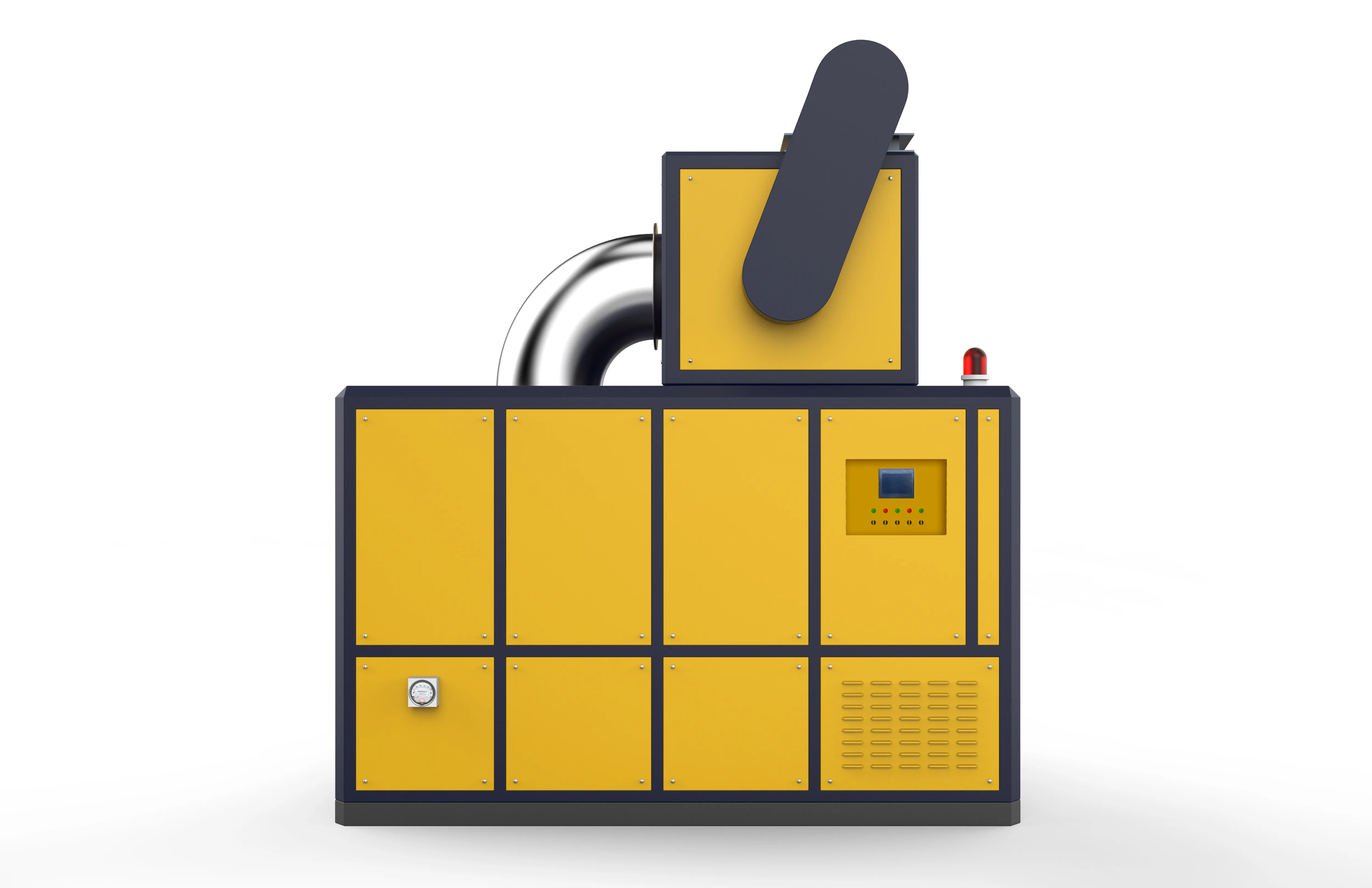
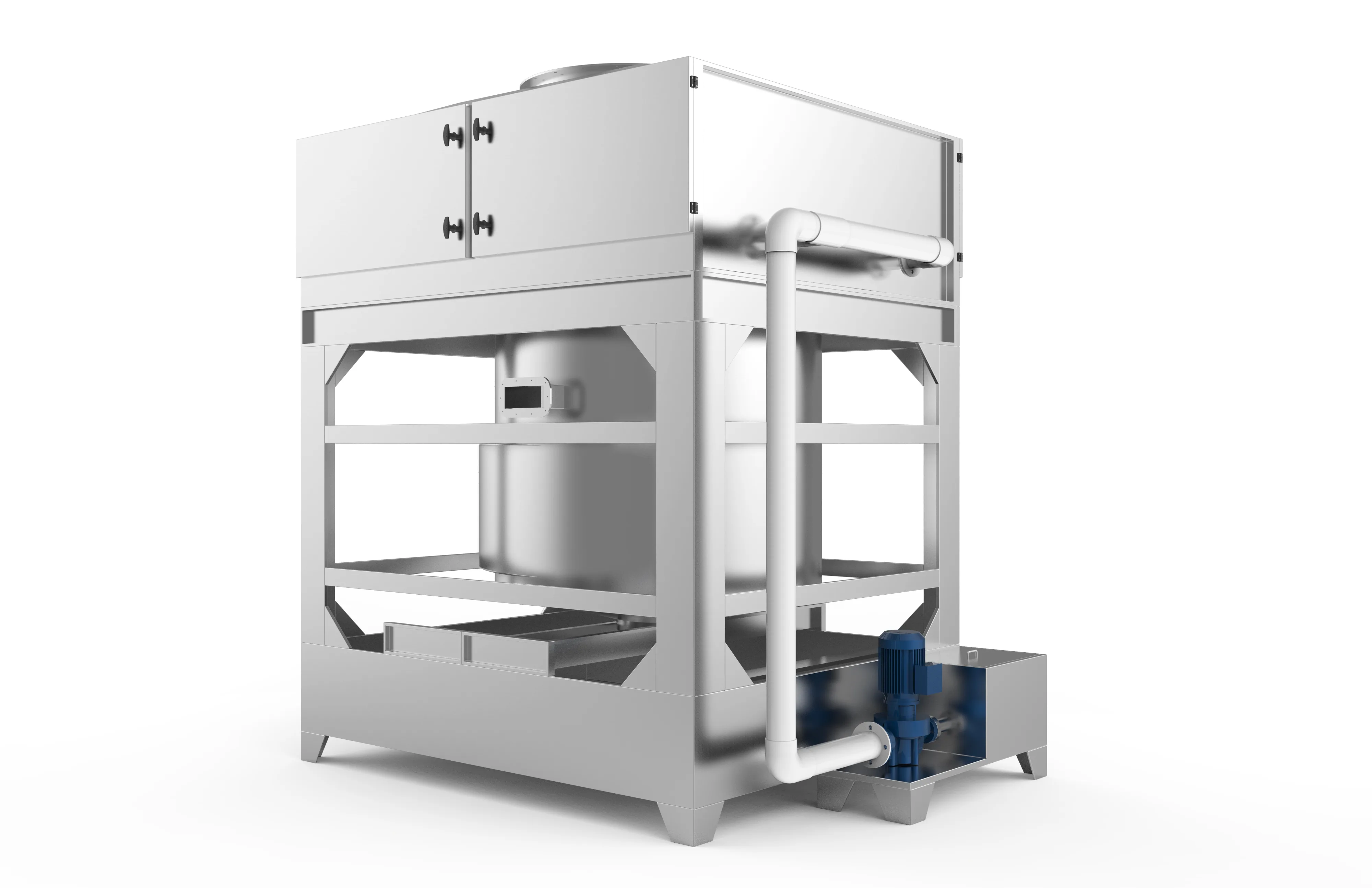
Equipment views
Specify Odor Control for your plant
Performance depends on actual gas composition, inlet load, temperature and operating schedule. Share process data for a configuration review.