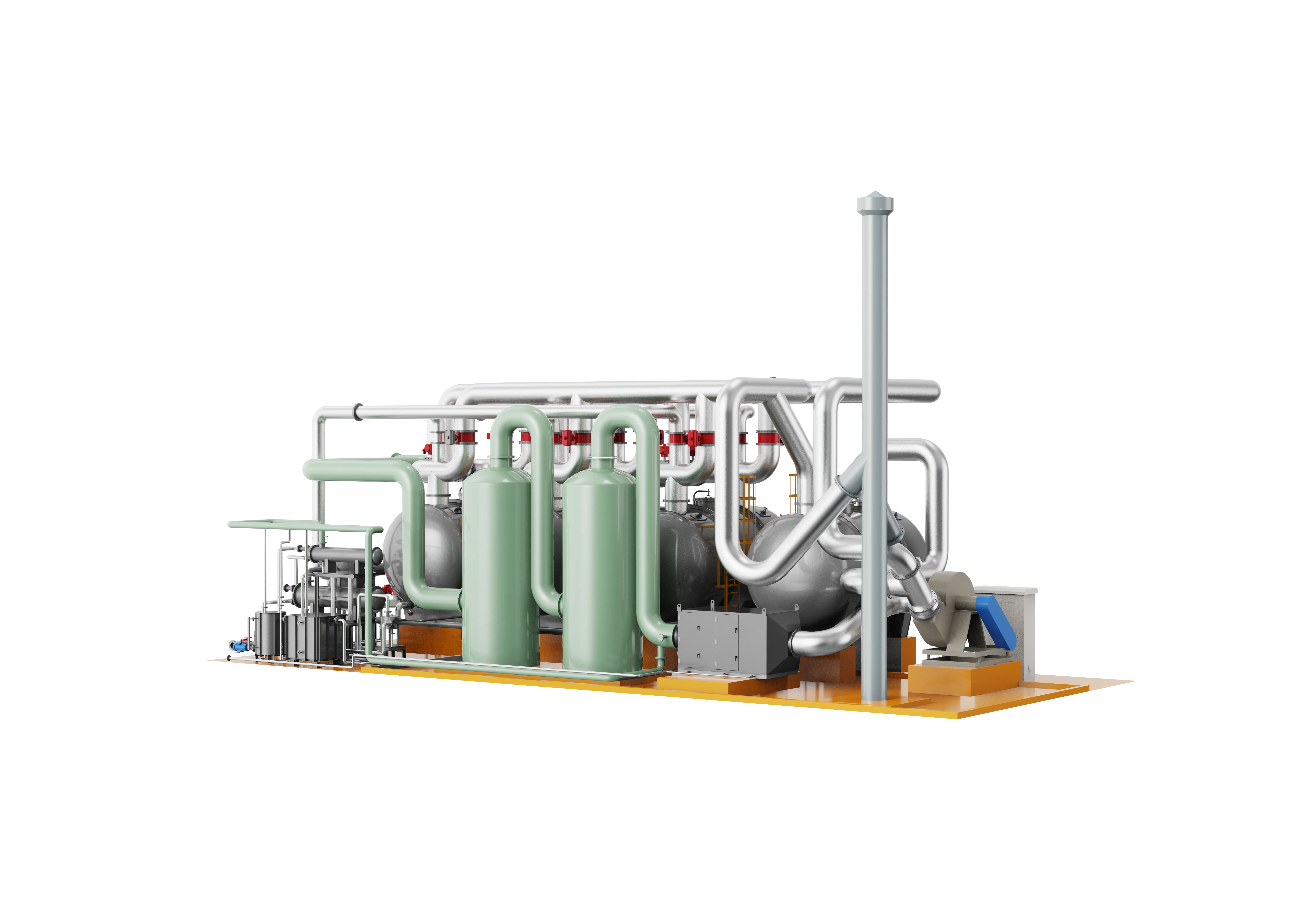
Activated Carbon Systems
Adsorption, desorption, and solvent recovery packages for low-concentration organics and recoverable solvent streams.
Where Activated Carbon fits
Activated carbon systems adsorb organics from dilute exhaust. Depending on the project, beds are regenerated to a catalytic oxidizer or recovered by steam desorption and condensation when solvents have reuse value.
Low concentration VOCs; solvent recovery duty
Catalog reference; project-specific
Catalog reference for suitable solvents
Adsorption and regeneration
How the system works
Exhaust passes through carbon beds until breakthrough. Desorption regenerates capacity—either sending a concentrated stream to CO, or recovering solvent via steam and condensation for reuse.
- 01Carbon beds adsorb organics from the process stream.
- 02A standby bed maintains treatment during regeneration.
- 03Hot air sends concentrated VOCs to CO, or steam releases recoverable solvent.
- 04Condensation separates and collects solvent for reuse where feasible.
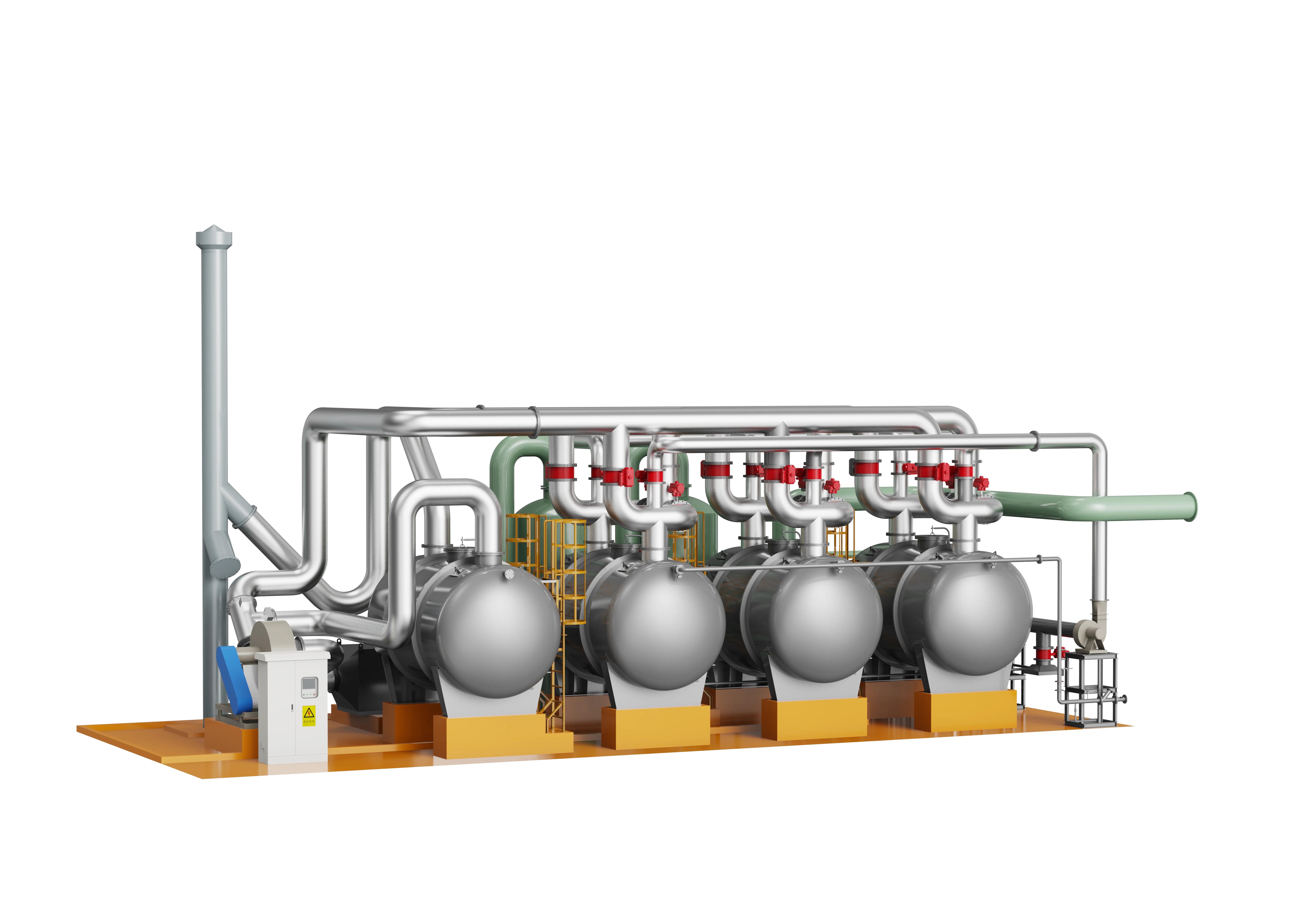
Choose by process conditions
| Configuration | Description | Best fit | Source metric |
|---|---|---|---|
| Activated Carbon + CO | Adsorption, hot-air desorption, and catalytic oxidation in an integrated treatment train. | Medium-to-low concentration organic exhaust without recovery value. | Project-specific |
| Steam Desorption + Condensation Recovery | Steam regenerates the carbon and a condenser recovers valuable solvent. | Compatible, economically recoverable solvent streams. | Catalog reference: >=99% purification for suitable duty |
Typical pollutants
- Recoverable solvents
- Benzene-family VOCs
- Ketones and esters
- Alcohols, aldehydes, and ethers
Engineering features
- Parallel adsorption beds
- Breakthrough and temperature monitoring
- Steam or hot-air regeneration
- Condensate separation
- Fire prevention and interlocks
Selection cautions
- Carbon fire risk, solvent compatibility, humidity, and breakthrough must be engineered.
- Recovery economics depend on solvent purity, value, and condensability.
What determines the final treatment train
Technology selection begins with process data. The same technology can require different pretreatment, materials, controls and maintenance provisions from one plant to another.
Information to confirm
- Solvent identity, concentration, recovery value and water miscibility
- Airflow, production schedule and adsorption/desorption cycle
- Temperature, humidity, dust and oil content
- Steam, cooling water, inerting and recovered-solvent handling
- Hazardous-area classification and fire-protection requirements
Typical system scope
- Conditioning and filtration before adsorption
- Activated-carbon vessels and saturation/cycle controls
- Hot-air or steam desorption package
- Catalytic destruction or condensation/phase separation downstream
- Fire monitoring, isolation and safe solvent handling
Selection boundaries
- Carbon systems require a specific fire, static-control and temperature-monitoring design.
- Hot, humid, dusty or oil-bearing gas needs pretreatment or a different technology.
- Solvent recovery needs a defined recovered-liquid quality, storage and disposal/reuse route.
- Cycle time and media replacement are based on actual mass loading, not just airflow.
Source basis: VOCs equipment source and 2026 catalogue. Recovery and removal outcomes are project-specific.
Products using this technology
Selection questions
When is solvent recovery worth considering?
Recovery can be evaluated when the solvent mix is recoverable, its value supports the added equipment, and steam/cooling-water and liquid-handling routes are available.
Can activated carbon treat any exhaust stream?
No. High humidity, oil, dust, excessive temperature and incompatible chemistry can quickly reduce performance or create a safety concern.
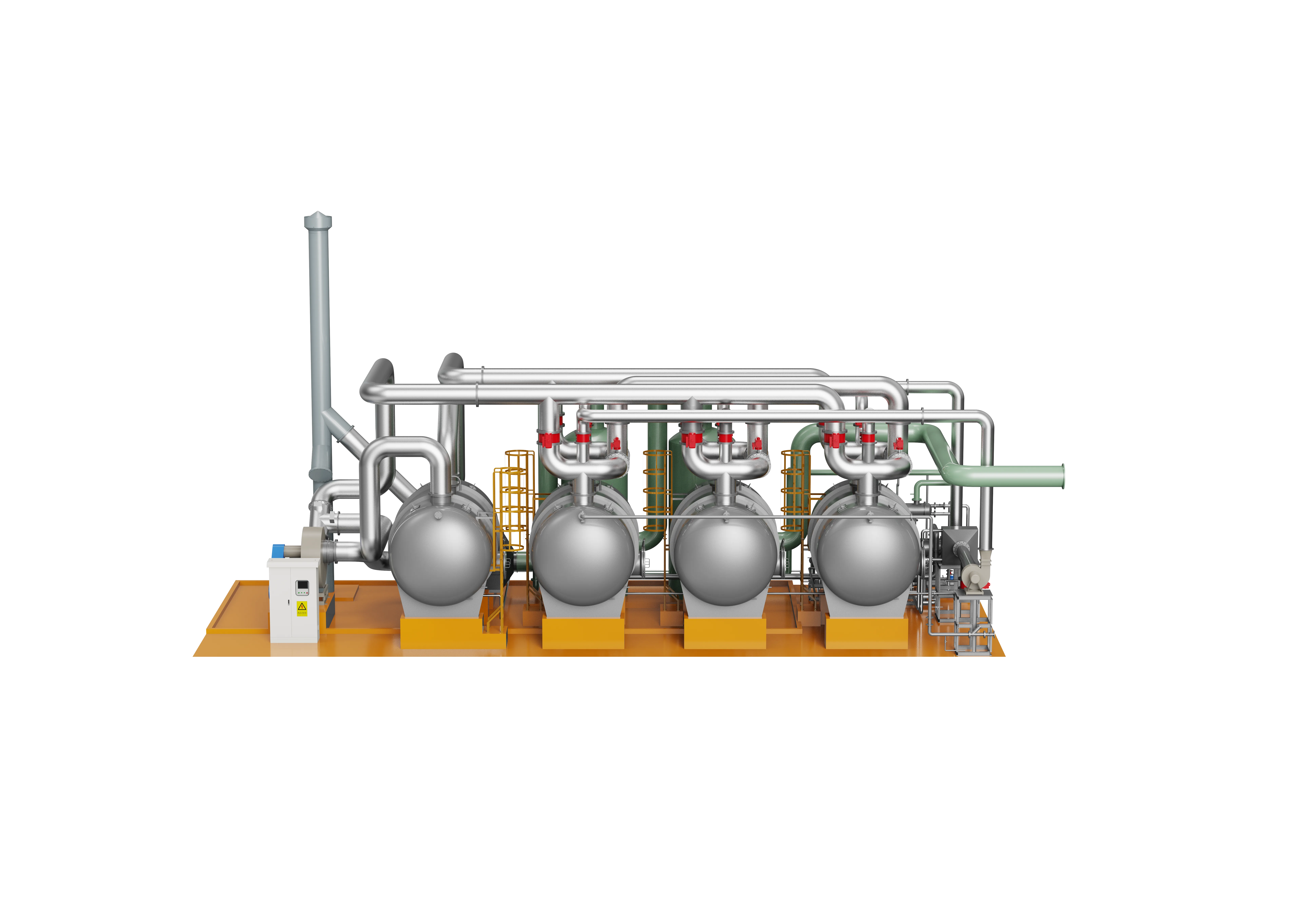
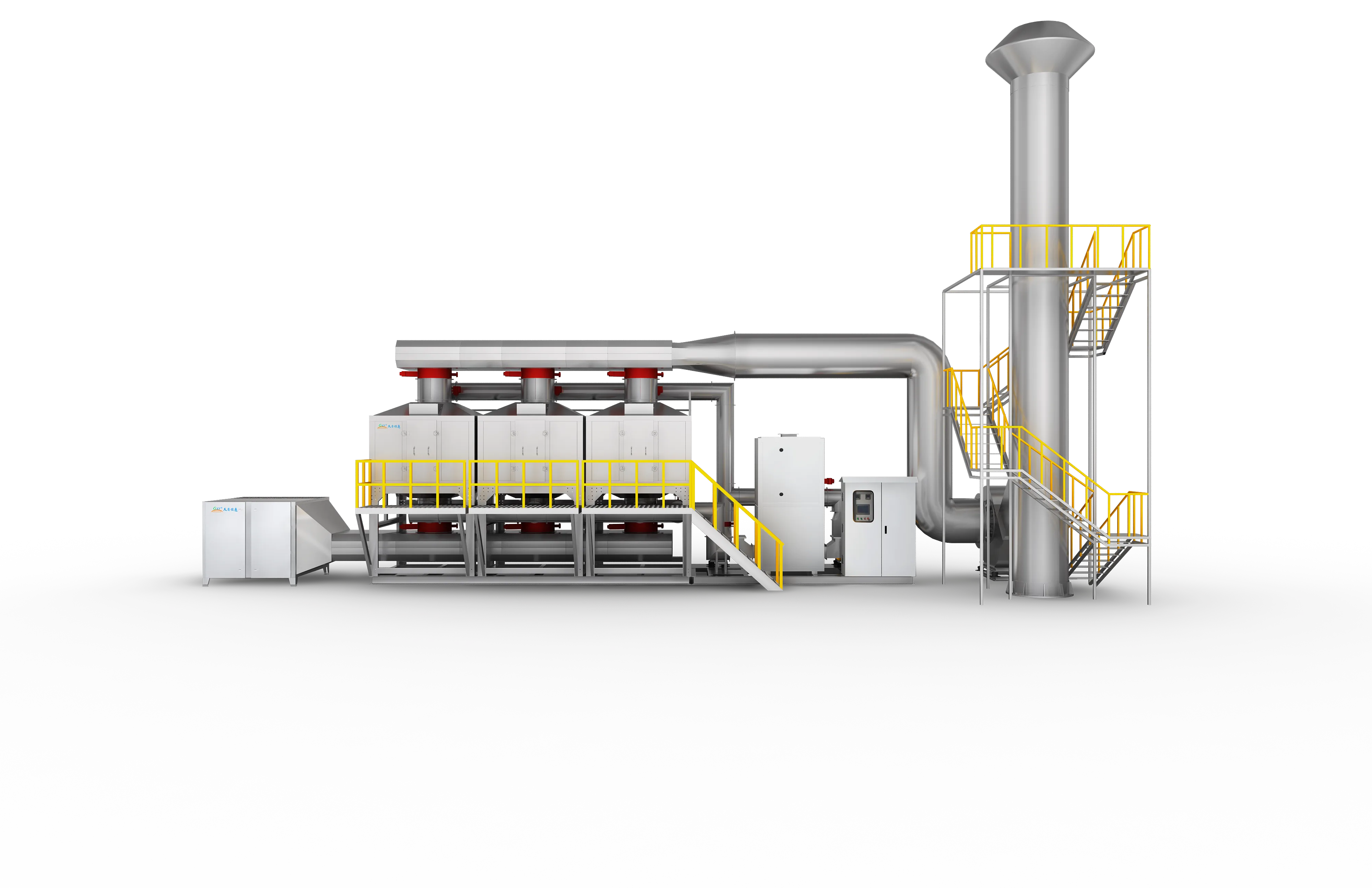
Equipment views
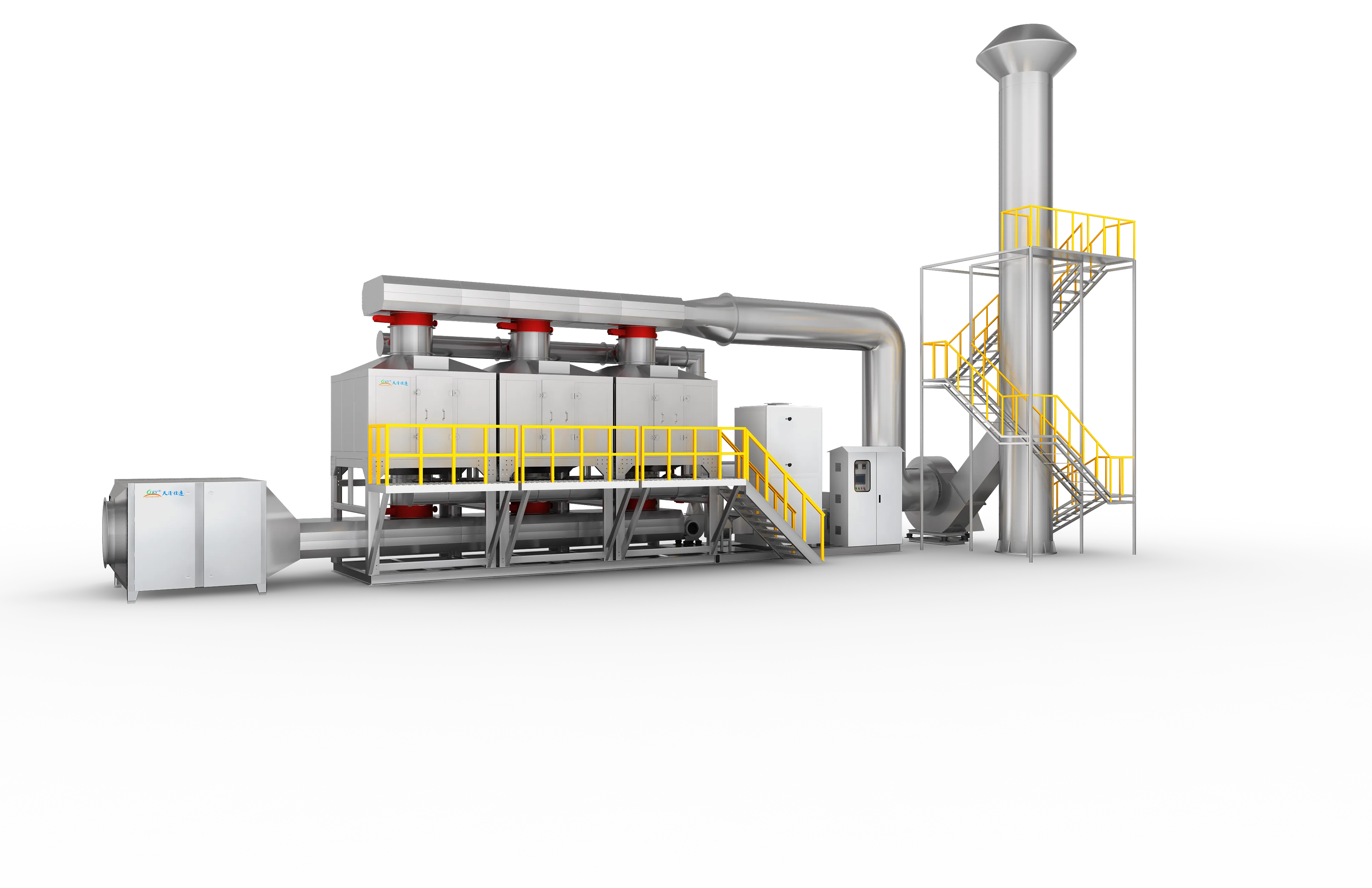
Specify Activated Carbon for your plant
Performance depends on actual gas composition, inlet load, temperature and operating schedule. Share process data for a configuration review.