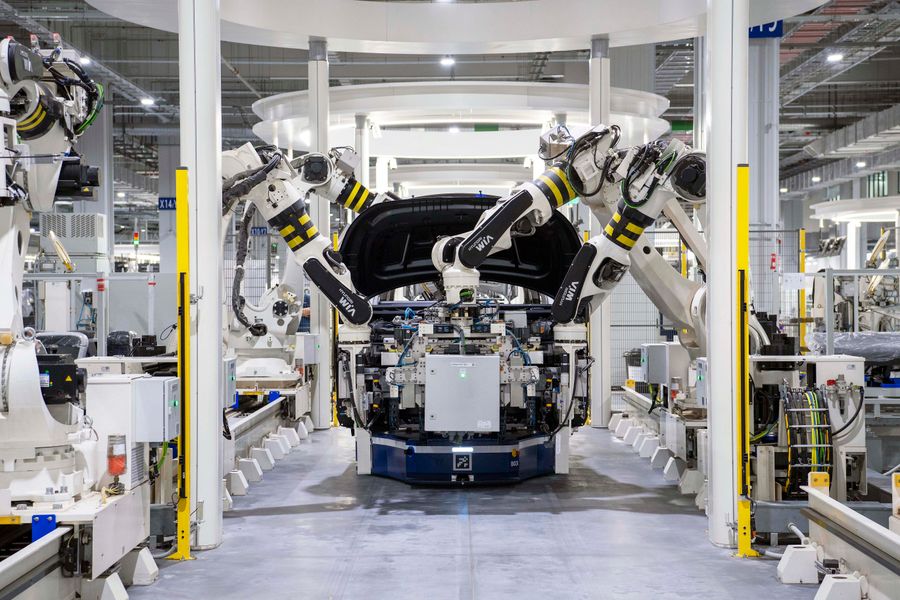
Automotive & E-Mobility
OEM parts, e-bike, and industrial spray booth exhaust.
Processes and emission sources
Dry filtration or wet pretreatment, then zeolite + RTO/CO packages matched to booth count and schedule.

Real engineering project deployed by FluxFine Environmental.
Common pollutants
- Paint solvents
- Adhesive VOCs
- Alcohols
- Esters
- Process odors
Typical conditions
- Multi-booth collection
- Large airflow
- Shift-based peaks
- High uptime requirements
Engineering priorities
- Line expansion allowance
- Redundant operation
- Booth pressure balance
- Acceptance documentation
- Plant shutdown windows
From collection to compliant discharge
- 01
Source capture
- 02
Paint-mist filtration
- 03
Adsorption or concentration
- 04
Oxidation
- 05
Energy recovery
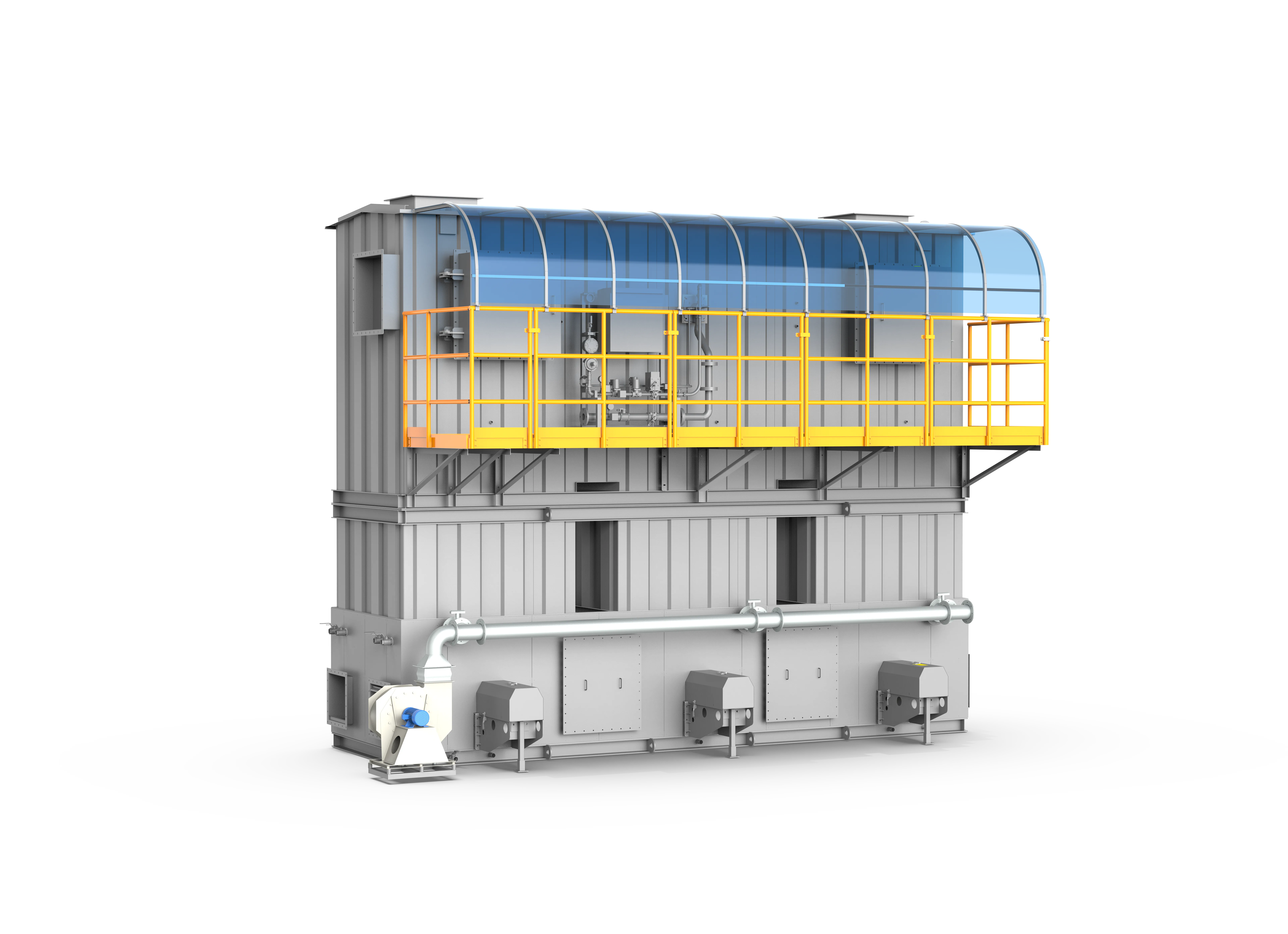
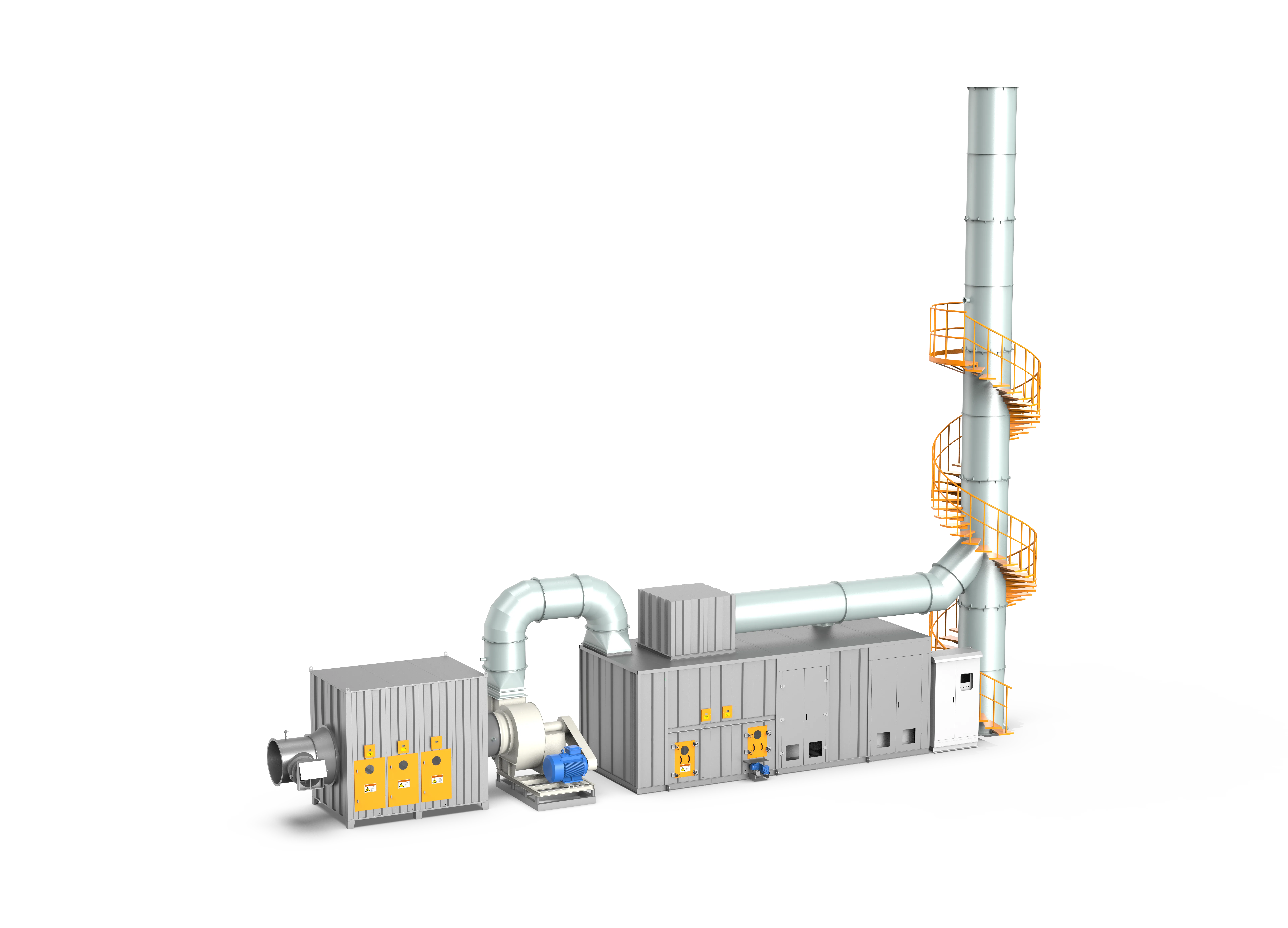
How we turn automotive & e-mobility exhaust data into a treatment train
The recommended configuration is built around the actual production process, not a generic industry label. This is especially important when one site has multiple exhaust headers, recipes or operating modes.
Common treatment challenges
- Booth exhaust with paint mist pretreatment needs
- High airflow paint shops
- Compliance across multi-booth facilities
Data we request
- Exhaust source, airflow and operating schedule
- VOC/pollutant analysis, concentration range and LEL information
- Temperature, humidity, dust, mist and corrosive components
- Existing collection or pretreatment equipment
- Emission target, layout, utilities and shutdown constraints
Engineering decisions
- Whether streams should be segregated, balanced or treated together
- Which pretreatment protects downstream equipment
- Whether concentration, direct oxidation, recovery or polishing is appropriate
- Materials, safety interlocks, monitoring and maintenance access
- Where recovered heat or utilities can be integrated
Recommended path for automotive & e-mobility exhaust
This is a decision framework based on the supplied product and project material. The final train changes with measured chemistry, operating patterns and site constraints.
Common emission sources
- Vehicle/component spray booths
- Flash-off and bake ovens
- Adhesive/sealant application
- E-mobility component coating lines
Paint-mist filtration → zeolite concentration → RTO or catalytic oxidation
Multi-booth facilities commonly create high airflow with changing load. Concentration is evaluated after robust paint-mist protection, then the destruction stage is matched to solvent chemistry and production uptime.
- 01Survey each booth and oven source
- 02Set pressure-balance and capture requirements
- 03Protect downstream media from overspray
- 04Concentrate or directly oxidize based on load
- 05Integrate controls, heat recovery and expansion allowance
Direct RTO
Consider for higher-load exhaust where the heat balance supports direct thermal oxidation and the site can accommodate the equipment and safety scope.
Process-specific questions
What data is needed from a paint shop?
Booth count, airflow by operating mode, paint/solvent SDS, concentration profile, temperature, mist loading, planned expansion and production schedule.
Can the system be expanded later?
Expansion should be designed in at the start through duct allowance, controls architecture, pad space and capacity strategy.
Documented automotive & e-mobility applications
Published records show the documented process context and treatment configuration. Airflow and concentration values, where shown, are project data rather than product guarantees.
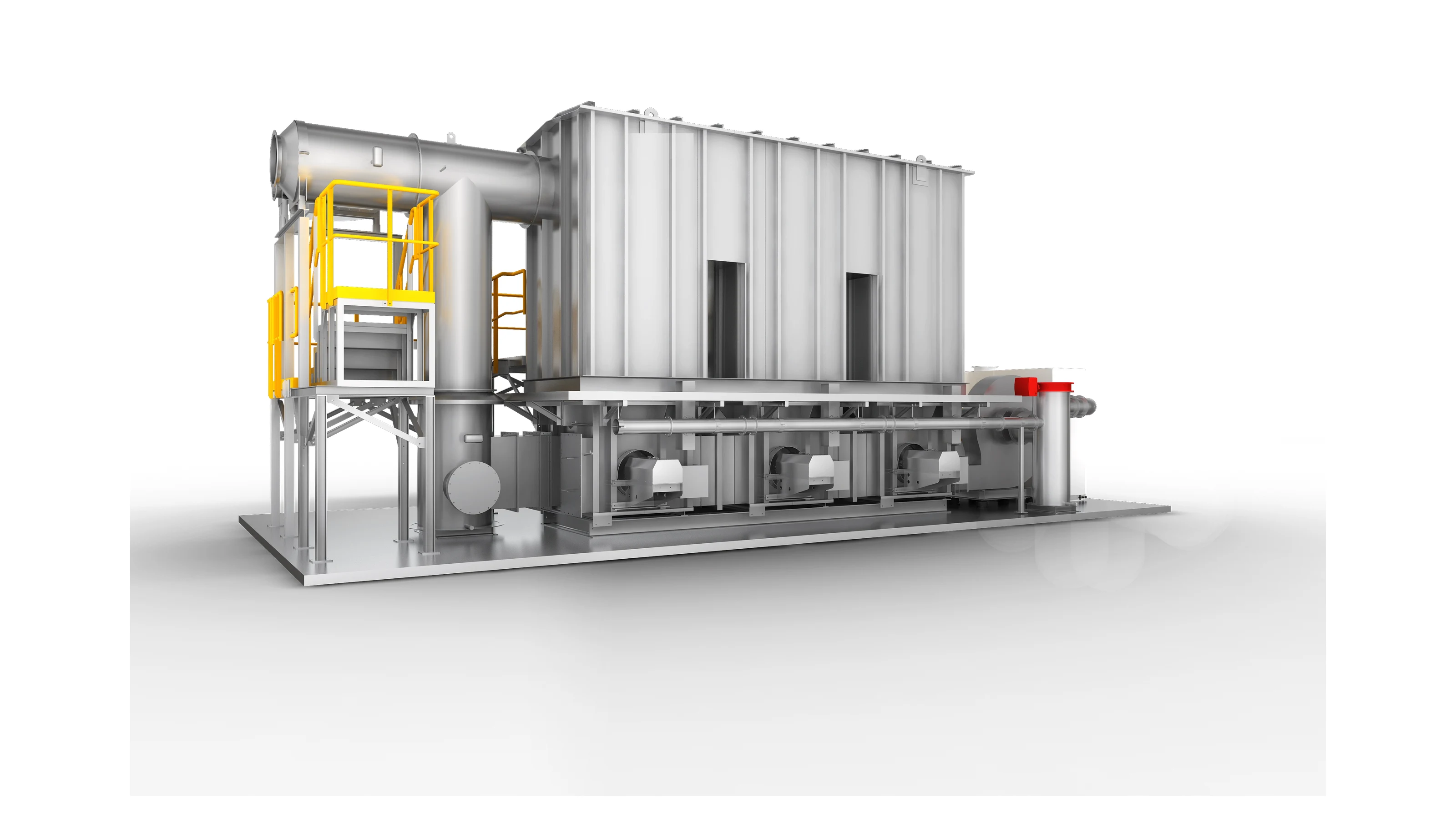
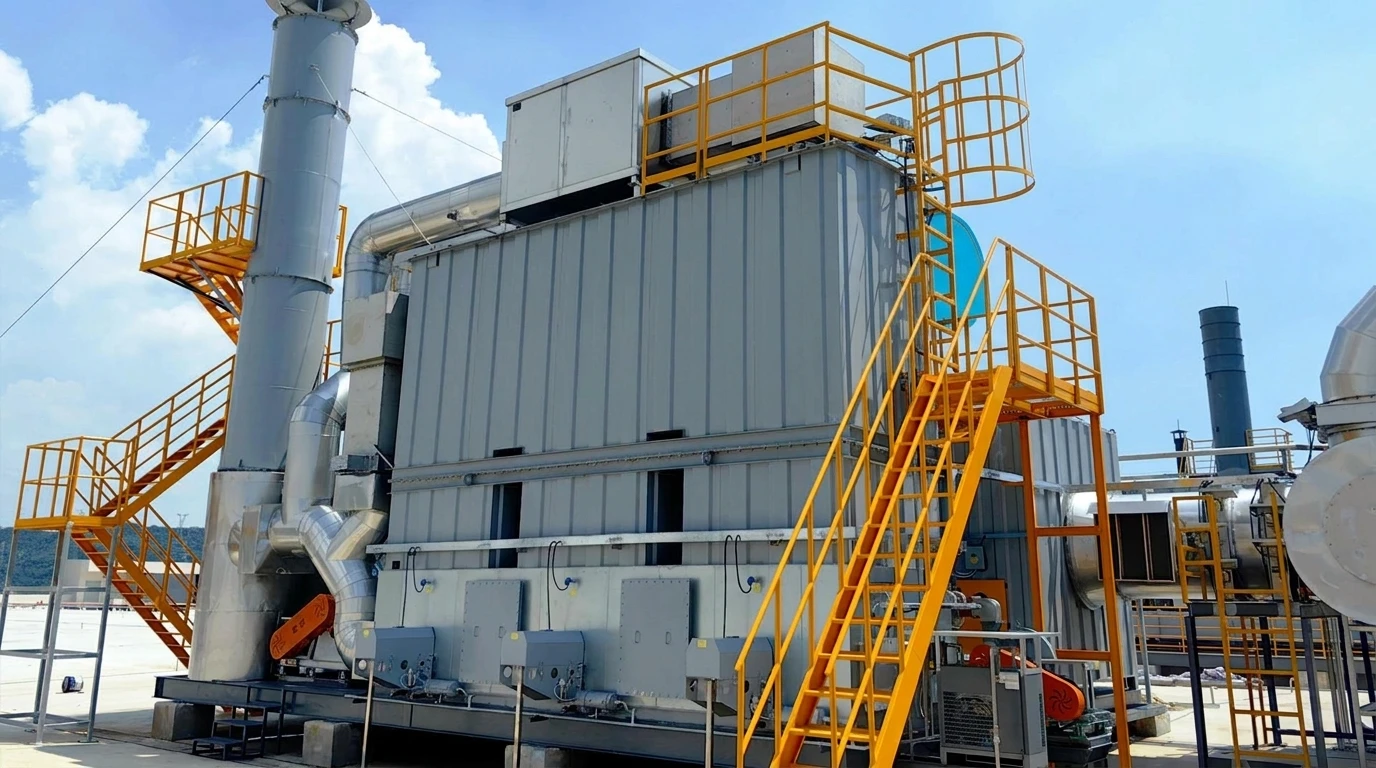
30,000 Nm³/h Automotive Interior Trim Printing & Coating VOCs Abatement via Three-Bed RTO System
Equalization Mixing Chamber + SUS304 Wire-Mesh Demister + Three-Bed Regenerative Thermal Oxidizer (3-Bed RTO) + 65 kW Waste Heat Recovery
30,000 m³/h Adhesive Wrapping & Spraying VOCs Abatement System for Guangze Automotive Trim
Multi-Stage Dry Mist Coalescing Filtration Box + Dual-Stage Activated Carbon Adsorbers + 30 kW VFD Induced Draft Fan + 15m Roof Stack
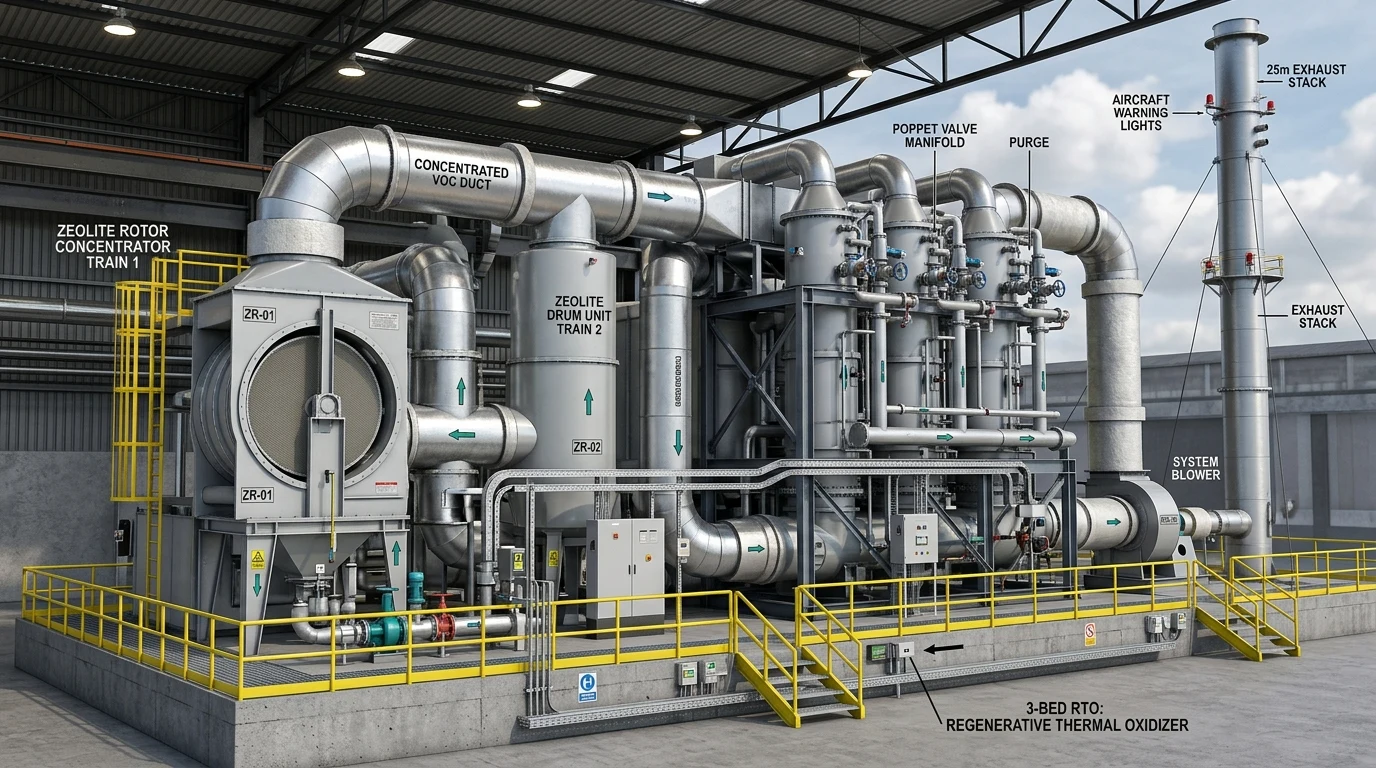
60,000 m³/h Dual Zeolite Rotor/Drum & 3-Bed RTO System for Wuhan Guangjia Automotive Interior Trim Coating
Dual Jet-Mixing Venturi Scrubbers + 4-Stage Dry Filtration Boxes + 40,000 m³/h Disk Zeolite Rotor + 20,000 m³/h Cylindrical Zeolite Drum + 8,000 m³/h 3-Bed RTO
395,000 m³/h Centralized Welding Fume & Metal Dust Extraction System for Dongjian Auto
Spot-Cooling Fresh Air Supply + Robotic On-Arm Tracking Hoses + 3D Hover Extraction Arms + Workstation Enclosures + Central Pulse-Jet Cartridge Dust Collectors
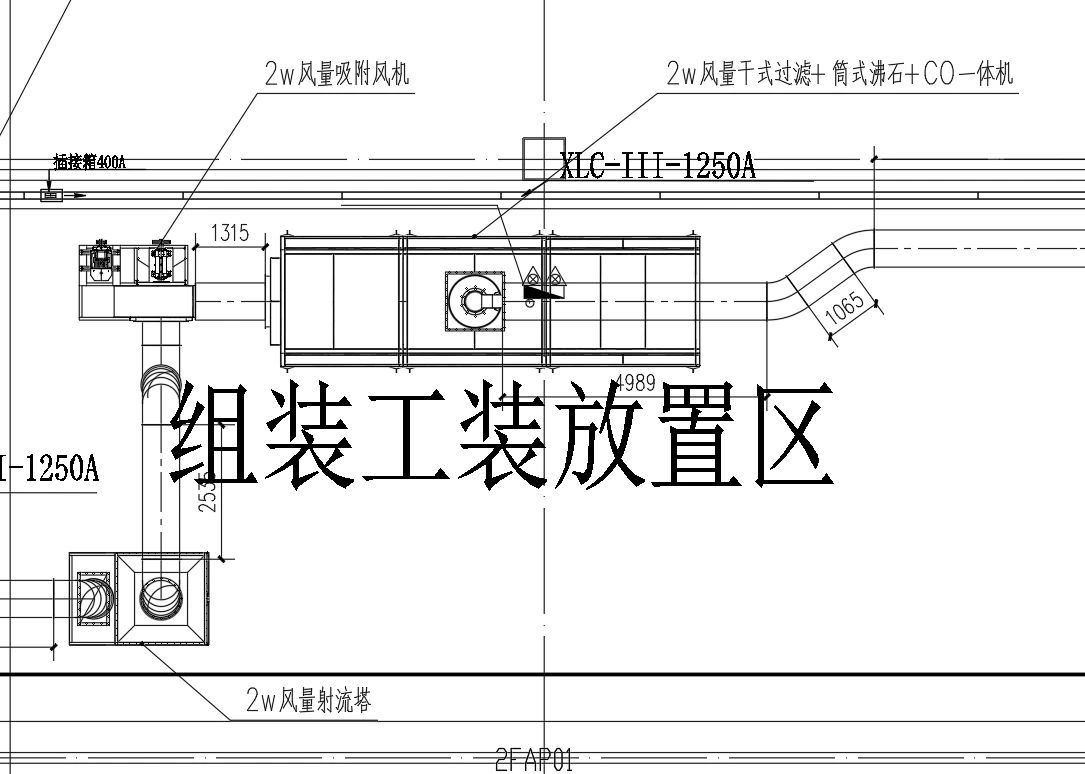
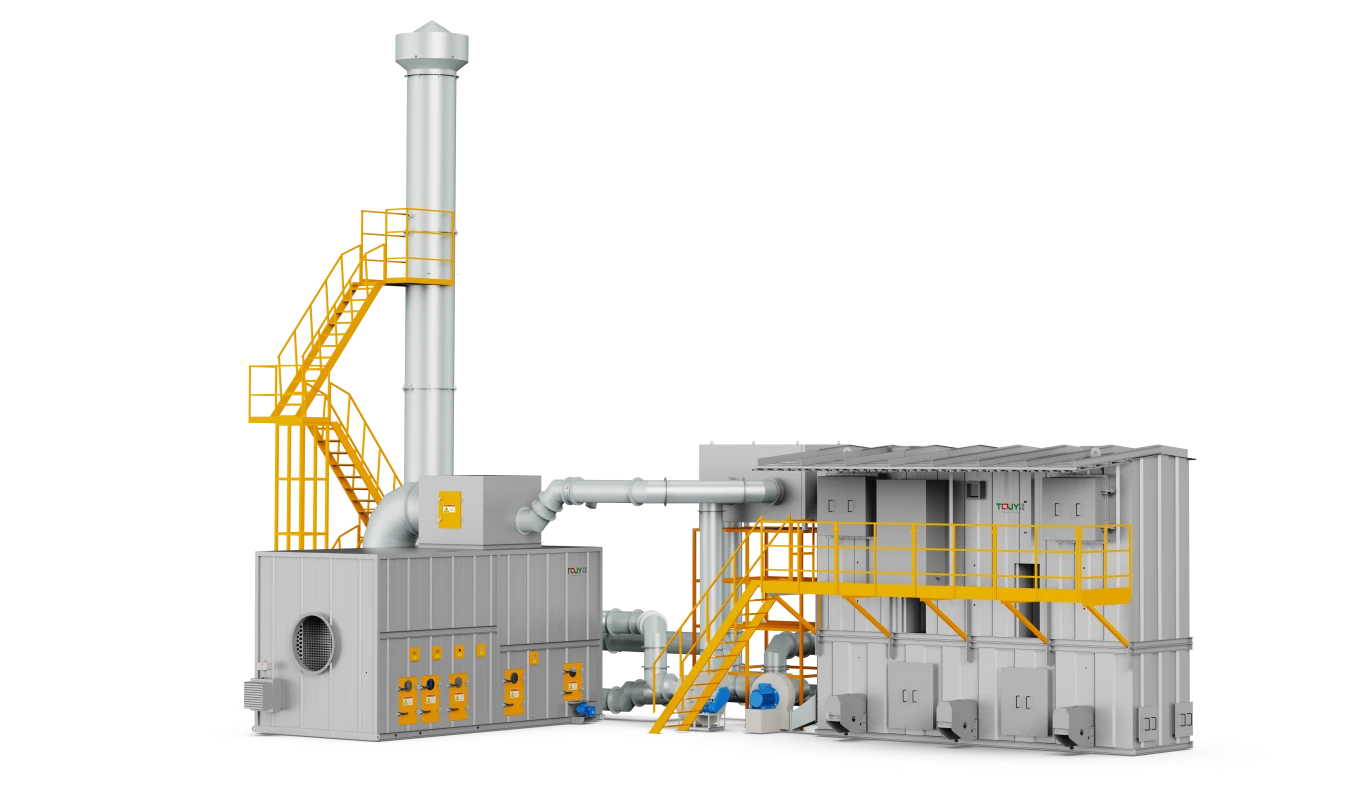
20,000 m³/h Automotive Headlamp Coating VOCs & Paint Mist Abatement System for Jiali Car Light
Jet Kinetic Scrubber (Auto Slag Skimmer) + 5-Stage Spring-Clip Modular Dry Filter + Cylindrical Zeolite Drum & CO Skid (13.3:1 Ratio)
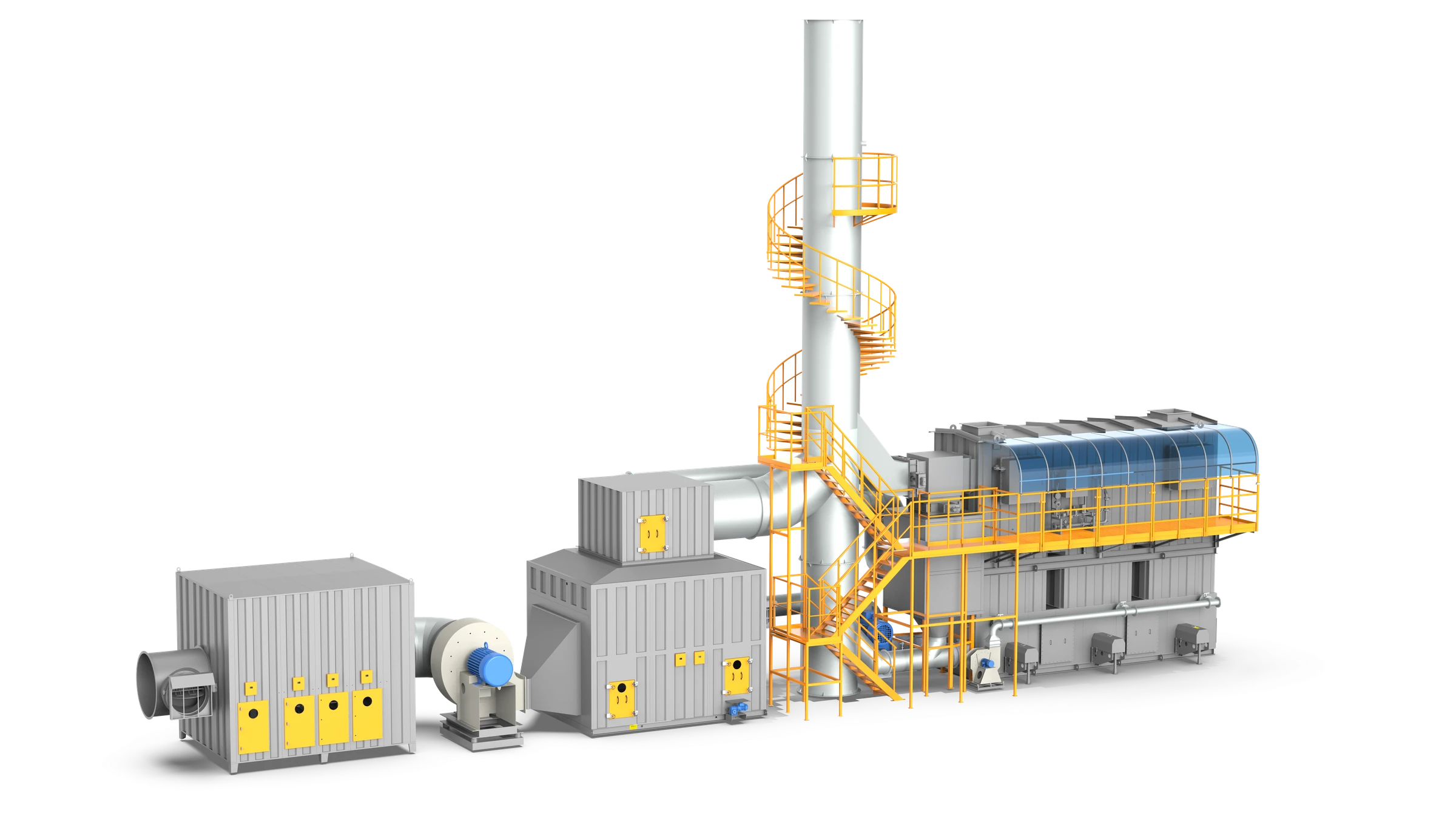
200,000 m³/h Zeolite Drum & 3-Bed RTO System for CIMC Vehicles
5-Stage HEPA Dry Filtration (G4-H11) + Cylindrical Zeolite Drum Concentrator + 3-Bed RTO
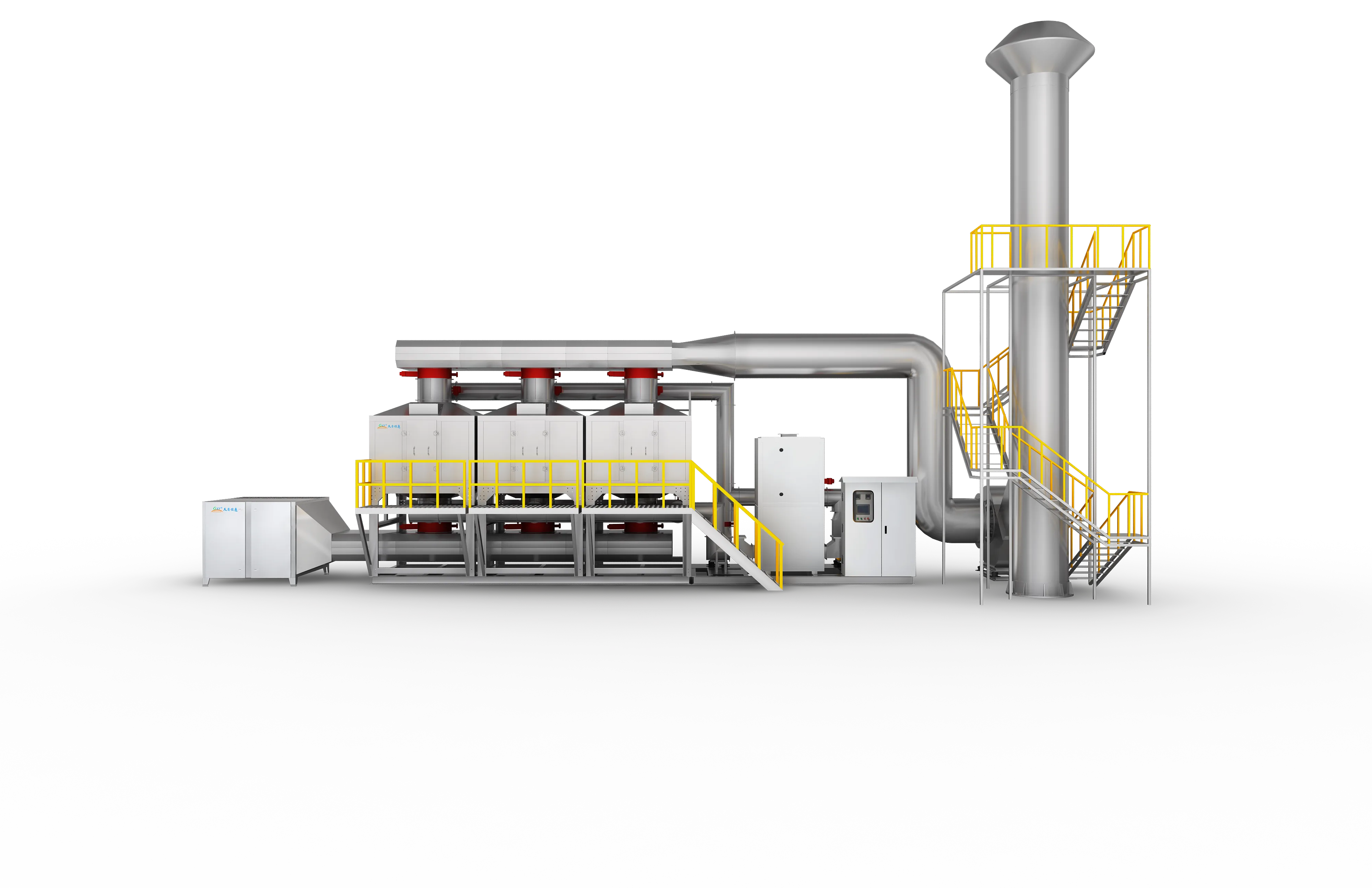
Large-Airflow Automotive Coating VOC Control
Activated carbon concentration + catalytic oxidation
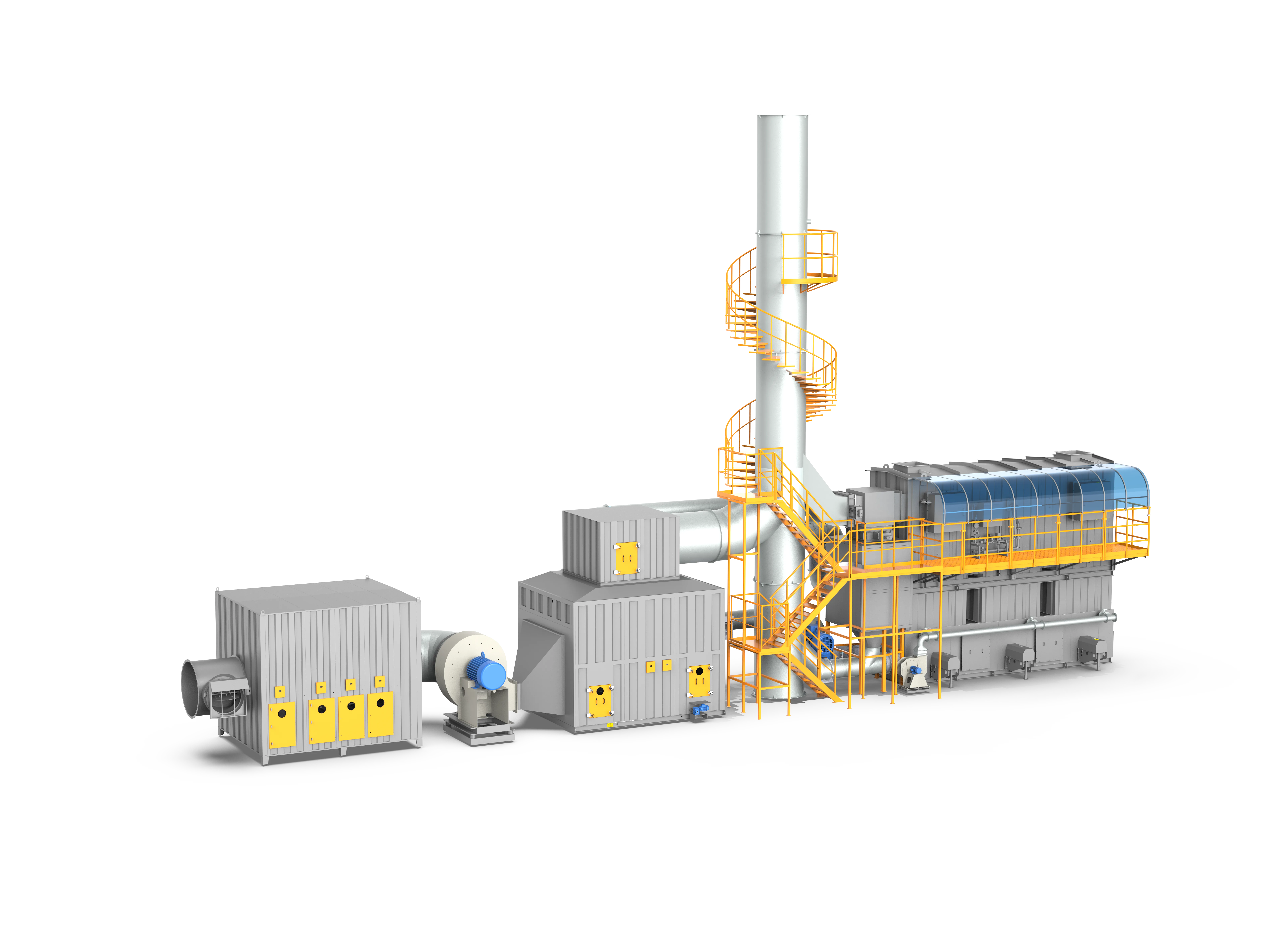
E-Bike Production Base Coating Exhaust Treatment
Dry filtration + zeolite rotor + RTO
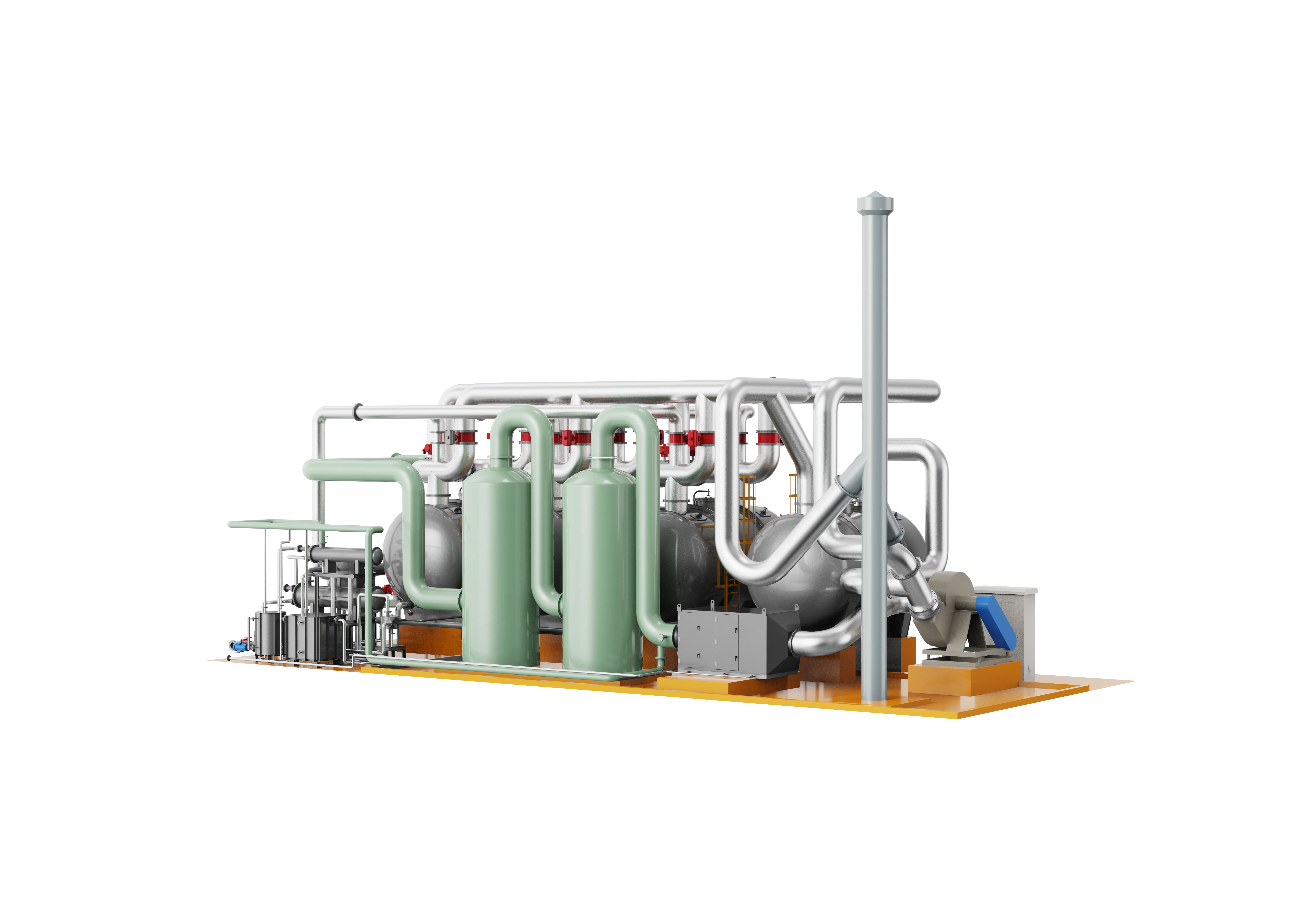
Battery Manufacturing VOC Treatment
Activated carbon concentration + three-bed RTO
Configurations commonly evaluated
These configurations are starting points for this industry. Final selection depends on measured airflow, pollutant chemistry, concentration, temperature and production schedule.
Three-Tower RTO
A premier-grade industrial VOC thermal abatement system that achieves >=99% VOC destruction efficiency and >=95% thermal energy recovery through a classic three-bed alternating heat-exchange and purge process.
View equipmentRotary RTO
A next-generation RTO system utilizing a continuously rotating gas distributor instead of switching valves, providing stable thermal destruction of VOCs with >= 99% purification efficiency, >= 95% thermal recovery, and zero pressure spikes.
View equipmentZeolite Rotor
A high-efficiency VOC pre-treatment and concentration system utilizing advanced hydrophobic zeolite molecular sieves to continuously adsorb, desorb, and enrich large-airflow, low-concentration organic exhaust gases, reducing downstream thermal destruction energy consumption by 40% to over 50%.
View equipmentRotor + 3-Tower RTO
The premier system for large-airflow, low-concentration VOC emissions, combining a hydrophobic zeolite rotor for 10-40x gas enrichment with a mature three-tower RTO for complete destructive oxidation, cutting energy costs by 40%-60%.
View equipmentRotor + Rotary RTO
The ultimate high-end VOC abatement configuration, marrying a hydrophobic zeolite rotor for 10-40x gas concentration with a valveless Rotary RTO for continuous, pulse-free, and highly energy-efficient thermal destruction (efficiency >= 99.8%).
View equipmentZeolite Rotor + CO
A modular, highly compact VOC abatement system integrating zeolite molecular sieve concentration with low-temperature catalytic oxidation (CO) at 250-350°C, delivering energy savings of up to 20%+ and zero fire risk for small-to-medium airflow setups.
View equipmentMap your automotive & e-mobility process
Share exhaust sources, airflow, concentration, operating temperature and schedule. We will identify pretreatment needs and a suitable control train.