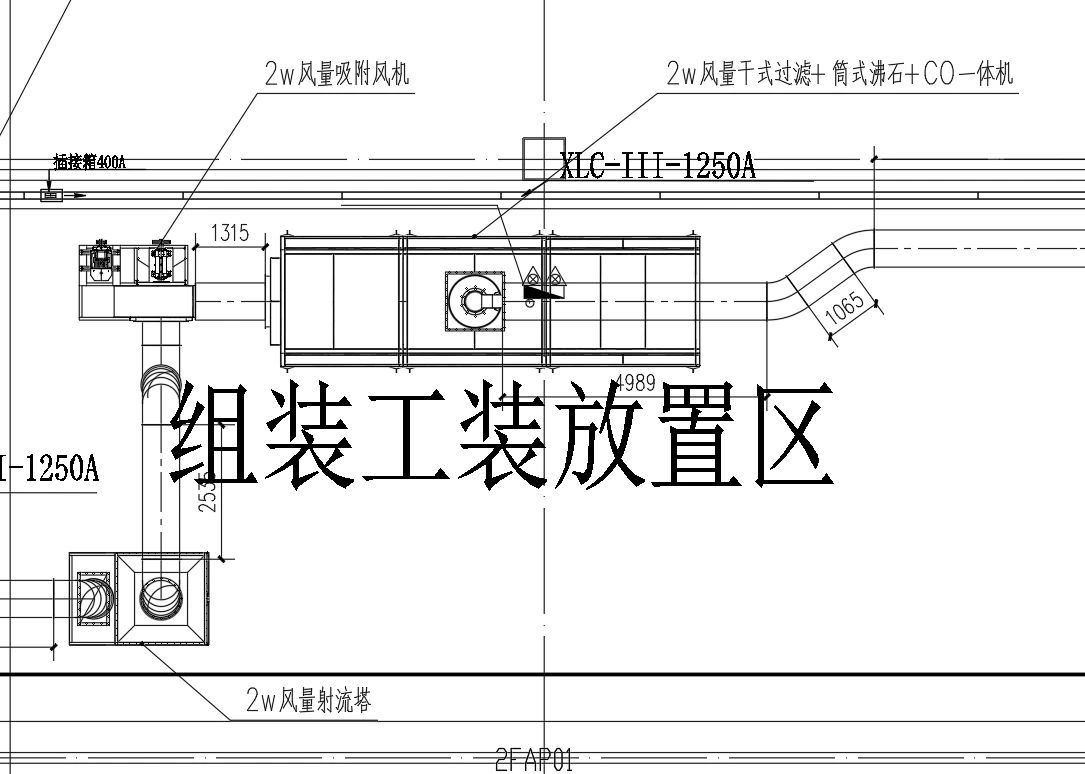
20,000 m³/h Automotive Headlamp Coating VOCs & Paint Mist Abatement Facility
Guangdong Jiali Car Light Co., Ltd. (Jiali Industrial) | Automated Automotive LED Headlamp Robotic Spray Coating & UV Curing
Eliminating Sticky Paint Aerosols & Preventing DIBK Coking via Cylindrical Zeolite Drum & Catalytic Oxidation
Guangdong Jiali Car Light Co., Ltd., a primary manufacturing base of Zhejiang Jiali Industrial Co., Ltd. founded in 1987, operates a modern 200-acre automotive lighting production campus in the Zhaoqing Gaoyao Auto Parts Industrial Park. With an annual capacity of 5 million adaptive front-lighting systems (AFS) and LED headlamps plus 10 million auxiliary automotive lamps, Jiali is a recognized Tier-1 lighting supplier to global automotive OEMs including GAC Toyota, FAW Toyota, Dongfeng Honda, Dongfeng Nissan, and Xpeng Motors.
During automated robotic color coating and UV tunnel curing, continuous exhaust streams generate 20,000 m³/h (11,760 CFM) of dilute VOCs (50–80 mg/m³) laden with sticky acrylic resin droplets, leveling agents, and ultrafine carbon black pigment particulates (0.1–50 μm). The solvent profile is dominated by a 50:50 binary mixture of propylene glycol methyl ether acetate (PGMEA / PMA, CAS 108-65-6) and diisobutyl ketone (DIBK, CAS 108-83-8). If unmitigated, sticky paint mist causes rapid surface blind-off and permanent micro-pore fouling on zeolite molecular sieves, while hydrophobic DIBK poses severe coking risks if desorption temperatures exceed 220°C.
FluxFine engineered, fabricated, and commissioned a turnkey air pollution control facility combining fluid-kinetic wet scrubbing, multi-barrier dry filtration, and all-in-one thermal abatement. The train incorporates a 20,000 m³/h Jet Kinetic Scrubber with an automatic continuous paint slag skimmer, a 5-Stage Spring-Clip Modular Dry Filtration Box with continuous DP transmitter interlocks, and a Skid-Mounted Cylindrical Zeolite Drum & Catalytic Oxidizer (CO) Integrated Unit (13.3:1 concentration ratio). Operating with precious metal Pt/Pd honeycomb catalysts and desorption strictly throttled to 180–200°C (never exceeding 210°C), the system delivers verified ≥90.0% overall system VOC removal efficiency (≥98.0% CO destruction), limits clean stack emissions to NMHC ≤ 10 mg/m³, and guarantees long-term zeolite molecular sieve integrity.
Engineered Performance & Guaranteed Compliance
Empirical parameters verified during continuous automated automotive headlamp coating and UV curing operations.
11,760 CFM continuous exhaust handling covering robotic color spray booths, flash-off zones, and UV curing ovens.
High-efficiency zeolite adsorption paired with ≥98.0% single-pass catalytic oxidation across Pt/Pd honeycomb matrix.
Shrinks 20,000 m³/h dilute stream into 1,500 m³/h desorption stream, enabling sustained autothermal oxidation.
Clean stack output certified under 10 mg/m³ (far surpassing Guangdong DB44/2367-2022 limit of 90 mg/m³).
Three Critical Obstacles in Automotive Lighting Coating Abatement
Automated robotic spraying of automotive headlamps creates a harsh combination of sticky acrylic resin polymers, sub-micron pigments, and high-boiling ketones that rapidly defeat conventional abatement equipment.
Sub-Micron Acrylic Mist & Zeolite Fouling
Basecoat spraying generates sticky acrylic resin droplets and carbon black pigment cores (0.1–50 μm). Conventional packed scrubbers clog within weeks due to polymer build-up on packing media, while ordinary 2-stage dry filters allow sub-micron aerosols to penetrate. Once sticky paint mist reaches zeolite rotors, molecular sieve micro-channels glaze permanently, destroying adsorption capacity.
Solvent Dichotomy: PMA vs. Hydrophobic DIBK
PGMEA (PMA, b.p. 146°C) has high water solubility (~160 g/L) and is readily washed, but DIBK (b.p. 168–169°C) is strongly hydrophobic (water solubility ≈0.4 g/L, LogP 2.65) and passes through water scrubbers unaffected. Furthermore, as an aliphatic ketone, DIBK is prone to thermal polymerization and severe carbonaceous coking on catalysts if desorption temperatures exceed 220°C.
Stringent Emissions vs. Strict LEL Margins
Guangdong DB44/2367-2022 mandates total VOCs ≤ 90 mg/m³ and total removal efficiency ≥ 80–88%. Meanwhile, concentrating the 20,000 m³/h dilute stream by 13.3:1 generates a desorbed stream up to 600 mg/m³ entering the catalytic oxidizer. Ensuring complete oxidation across variable production schedules while maintaining flammability strictly below 1.0% LEL (<15% LEL statutory ceiling) requires advanced thermal interlocks.
Engineered 4-Stage Pretreatment & Thermal Concentration Train
A high-efficiency engineering train integrating Venturi kinetic scrubbing, 5-stage gradient particulate filtration, cylindrical zeolite drum adsorption, and an autothermal catalytic oxidizer.
Jet Kinetic Scrubber
Venturi fluid-kinetic atomization (L/G ≥1.0 L/m³). Captures ≥85% sticky paint mist, absorbs water-soluble PMA, and continuously skims coagulated slag.
DP: ≤1,500 Pa (6.0 in. w.g.)
5-Stage Dry Filtration
Paint mist mat + G4 + F7 + F9 + H10 sub-HEPA gradient barrier with tool-free spring clips and DP interlocks. Intercepts particulates ≥0.3–1 μm.
Clean DP: ≤200 Pa (0.8 in. w.g.)
Cylindrical Zeolite Drum
Radial airflow across outer mantle with 3× larger face area. Low face velocity (≤2.5 m/s) and thin 250 mm bed minimize fan power.
Stack Output: ≤10 mg/m³ NMHC
Catalytic Oxidizer (CO)
Pt/Pd honeycomb catalyst (300 g/m³) at 450°C. Shell-and-tube heat exchange maintains desorption at 180–200°C (≤210°C max anti-coking).
Destruction DRE: ≥98.0%
| Process Stage | Operating Equipment | Airflow & Differential Pressure | Key Operating Parameters | Purification & Compliance Result |
|---|---|---|---|---|
| Pretreatment 01 | Jet Kinetic Scrubber Tower (SS201) | 20,000 m³/h (11,760 CFM) DP ≤ 1,500 Pa (6.0 in. w.g.) | L/G ≥ 1.0 L/m³, 20 m³/h pump, automatic paint slag scraper, dual-stage PP demisters | ≥85% Particulate Capture, PMA absorption |
| Pretreatment 02 | 5-Stage Modular Dry Filter Box (Q235) | 20,000 m³/h (11,760 CFM) DP ≤ 200–1,000 Pa | Mist mat + G4 + F7 + F9 + H10 bags, tool-free spring clips, bottom quick-drain valve | Inlet PM to Rotor ≤ 1–5 mg/m³ |
| Concentration 03 | Cylindrical Zeolite Drum (Q235/SS304) | 20,000 m³/h Adsorption DP ≤ 800 Pa (3.2 in. w.g.) | Radial face flow, ≤2.5 m/s velocity, 250 mm bed depth, 1–6 r/h VFD rotation | 13.3:1 Shrinkage, Stack NMHC ≤ 10 mg/m³ |
| Thermal Oxidation 04 | Catalytic Oxidizer (CO) Skid | 1,500 m³/h (880 CFM) Reaction Bed: 450°C | Pt/Pd honeycomb (300 g/m³), 66 kW heater, desorption throttled at 180–200°C (≤210°C) | ≥98.0% DRE, Zero DIBK Coking |
Four Heavy-Duty Design Advances for Automotive Coating Reliability
Pairing fluid-kinetic scrubbing, multi-tier dry barrier filtration, cylindrical zeolite geometry, and precise anti-coking thermal loops to guarantee uninterrupted industrial uptime.
Venturi Jet Kinetic Atomization with Continuous Paint Slag Skimming
Traditional packed spray scrubbers clog within weeks in automotive color coating operations because atomized acrylic resins agglomerate into thick, sticky polymeric crusts across packing rings.
FluxFine deployed a specialized Jet Kinetic Scrubber Tower constructed from corrosion-resistant SS201 stainless steel. Process gas accelerates through high-velocity Venturi throat nozzles, where high-pressure recirculating water sprays generate extreme turbulent shear without packing media. The intense micro-droplet kinetic contact encapsulates sticky paint particles (≥85% capture) and dissolves water-soluble PGMEA.
An integrated mechanical continuous paint slag skimmer continuously scrapes floating paint coagulants into a dedicated collection hopper. Combined with dual-stage PP hollow ball and wire mesh demisters, the unit achieves continuous non-clogging operation with zero packing maintenance downtime.
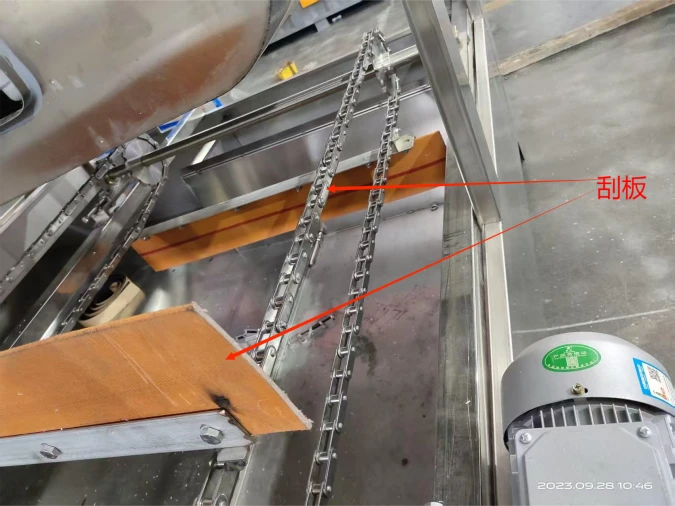
Figure 5.1: Jet kinetic scrubber with automatic mechanical paint slag skimmer for continuous non-clogging particulate removal.
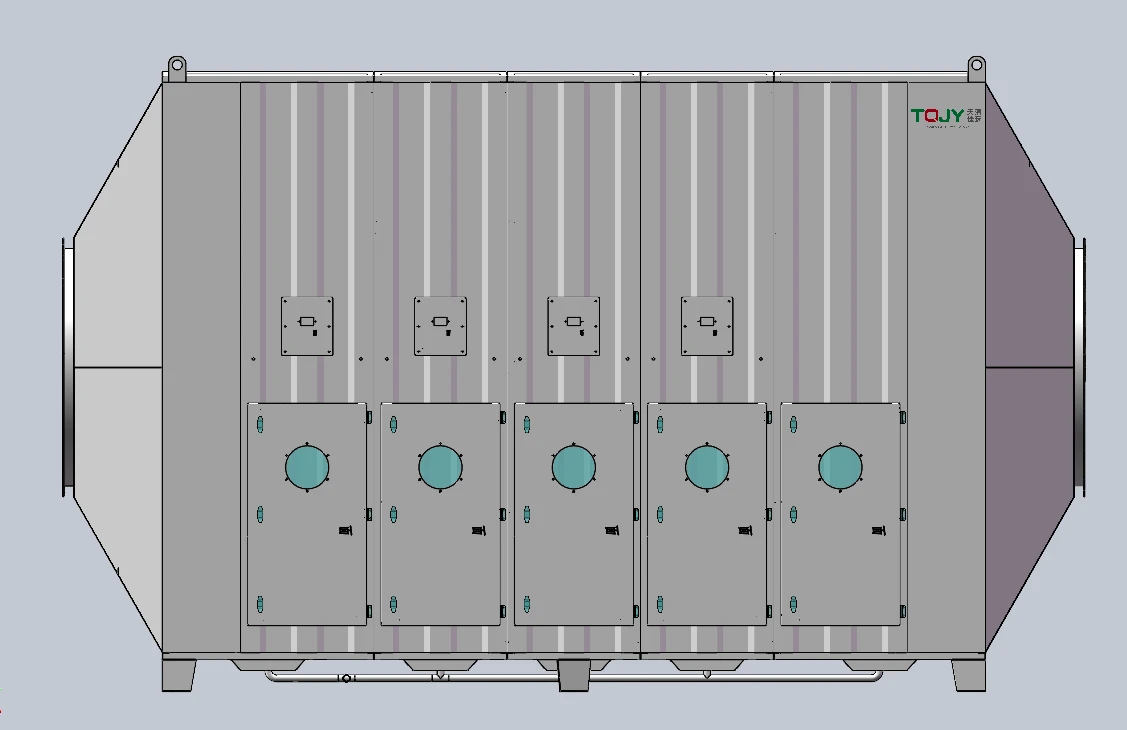
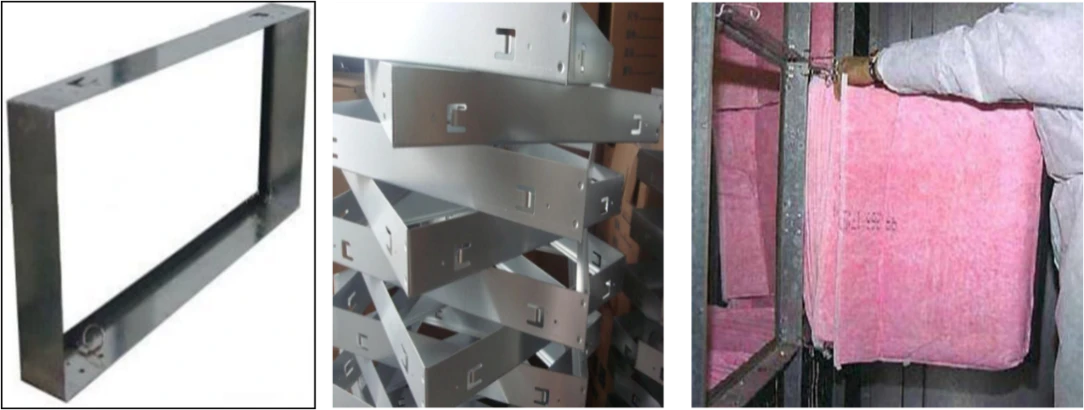
Tool-free spring clips
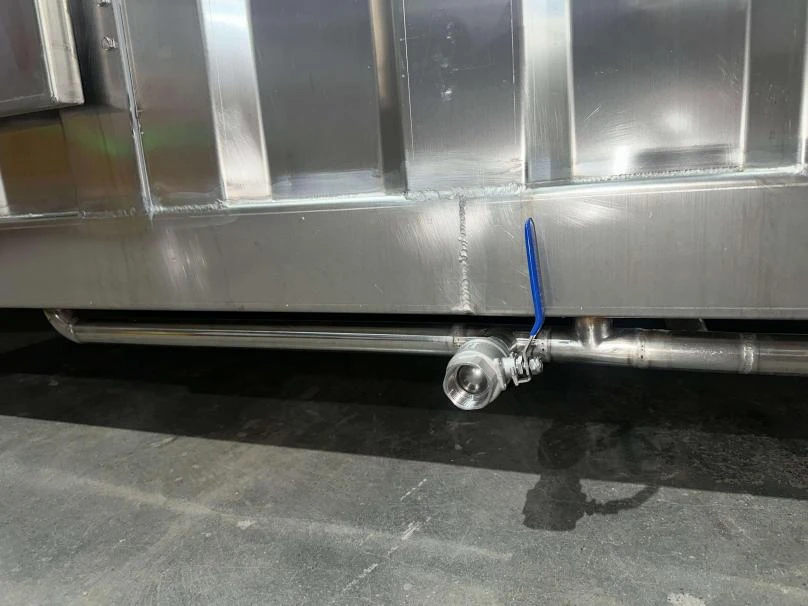
Fast bottom drain valve
Figure 5.2: 5-Stage gradient dry filtration vessel with differential pressure interlocks, tool-free spring-clip frames, and bottom drain purge.
5-Stage Spring-Clip Modular Dry Filter with Fast-Drain Purge
To protect hydrophobic zeolite molecular sieves from permanent pore fouling, particulate concentrations must be reduced below 5 mg/m³. Downstream of the wet scrubber, remaining moisture and sub-micron paint pigments enter a heavy-duty 5-Stage Modular Dry Filtration Box.
The filter bank implements a strict gradient interception hierarchy: Paint Mist Arrestor Mat → G4 Synthetic Media → F7 Intermediate Pocket → F9 High-Efficiency Pocket → H10 Sub-HEPA Safety Barrier. Each tier is monitored by independent differential pressure transmitters tied directly into the automated PLC.
All filter cells are secured via quick-release spring-clip locking frames, cutting element changeover intervals by 70% without tools. An inclined bottom pan equipped with high-capacity rapid drain valves allows operators to flush accumulated condensates and particulates instantly during routine maintenance.
Skid-Mounted Zeolite Drum & Catalytic Oxidizer (CO) All-in-One Assembly
To satisfy tight plant footprint constraints inside the Zhaoqing industrial campus, FluxFine integrated the rotary zeolite concentrator, catalytic oxidation reactor, heat exchangers, and drive systems onto a unified structural steel skid.
Desorption hot air (1,500 m³/h, 13.3:1 concentration ratio) is generated by routing hot oxidation exhaust (450°C) through an internal high-efficiency shell-and-tube heat exchanger. Desorption temperatures are strictly throttled at 180–200°C (with a hard ceiling at 210°C). This precise thermal window guarantees complete desorptive release of high-boiling PGMEA and DIBK while preventing ketone polymerization and catalyst coking.
The catalytic core houses 0.13 m³ of precious metal Pt/Pd honeycomb catalysts (300 g/m³ active loading, GHSV 12,500 h⁻¹). With a low light-off temperature of 260°C and a 66 kW electric startup heater, the reactor sustains high-efficiency oxidation (≥98.0% destruction) under minimal utility consumption.
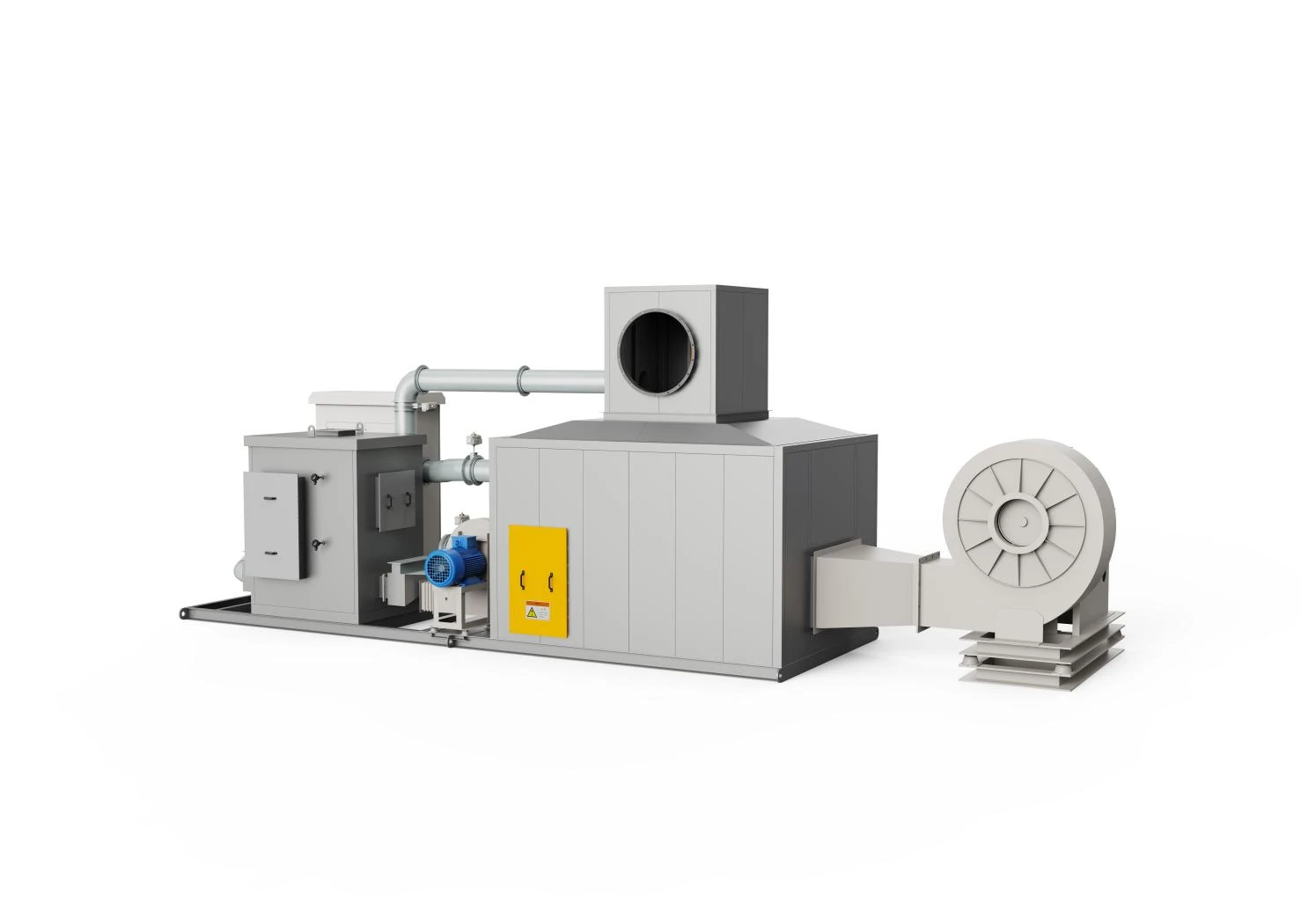
Figure 5.3: 3D CAD assembly of the integrated zeolite drum and catalytic oxidizer (CO) skid engineered for Jiali Car Light.
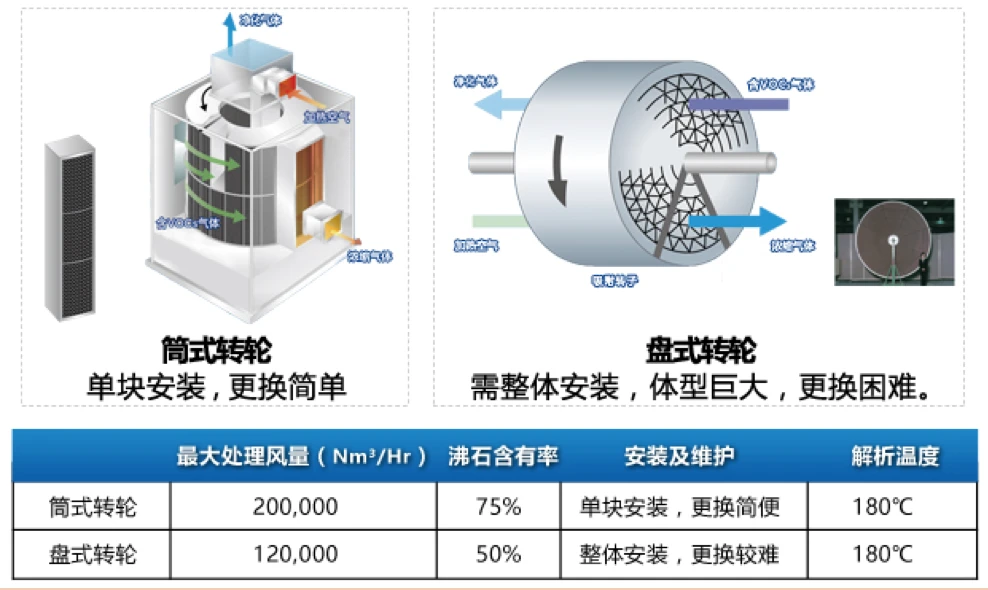
Figure 5.4: Aerodynamic cross-section comparison: Cylindrical drum radial flow provides 3× larger area and lower face velocity.
Cylindrical Drum Geometry vs. Conventional Disc Rotors
In conventional disc-type zeolite rotors, airflow traverses axially through circular end-faces. Given highway transport envelope limitations (maximum diameter ≈ 2.5–3.0 m), disc rotors face velocity is constrained, forcing deeper media beds (400 mm) and higher pressure drops.
FluxFine implemented an advanced Cylindrical Zeolite Drum Concentrator. Process exhaust enters the drum interior and flows radially outward across the expansive cylindrical mantle. This geometry expands effective adsorption face area by up to 300% within identical shipping dimensions.
Operating with a face velocity ≤2.5 m/s and a thinner 250 mm zeolite layer, adsorption pressure drop drops to ≤800 Pa (compared to 1,200–1,500 Pa in traditional disc rotors), dramatically reducing process fan power consumption. Furthermore, cylindrical drum modules utilize independent segment rails, enabling single-block slide-out replacement without expensive overhead crane disassembly.
Four-Dimensional Engineering Metric Matrix
Comprehensive verified parameters across inlet boundary conditions, stack compliance limits, concentration economics, and process safety interlocks.
1. Inlet Operating Conditions & Boundaries
INLET BOUNDARY- Design Airflow Volume:20,000 m³/h (11,760 CFM)
- Inlet VOC Concentration:50 mg/m³ (Peak 80 mg/m³)
- Dominant Solvent Species:PGMEA (50%) + DIBK (50%)
- Particulate Overspray Profile:Sticky acrylic resin & pigment (0.1–50 μm)
- Operating Temperature:Ambient to 35°C (Negative pressure)
- Annual Duty Schedule:330 days/yr • 20 h/day effective
2. Guaranteed Performance & Environmental Compliance
COMPLIANCE RESULT- Overall System VOC Removal:≥90.0% Verified DRE
- CO Catalytic Reactor DRE:≥98.0% Single-Pass DRE
- Clean Stack NMHC Output:≤ 10 mg/m³ (Cap: 90 mg/m³)
- Clean Stack Particulates (PM):≤ 5 mg/m³ (Cap: 20 mg/m³)
- Benzene Series Stack Output:≤ 5 mg/m³ (Cap: 60 mg/m³)
- Regulatory Benchmarks:Guangdong DB44/2367-2022, EU BAT
3. Energy Economics, Concentration & Thermal Loop
PROCESS EFFICIENCY- Concentration Ratio:13.3:1 Volumetric Shrinkage
- Desorption Airflow Rate:1,500 m³/h (880 CFM)
- Desorption Temperature Window:180 – 200°C (≤210°C Hard Limit)
- Heat Exchanger Thermal Recovery:≥70% Enthalpy Recirculated
- Electric Startup Power:66 kW Installed Rating
- Zeolite Drum Pressure Drop:≤800 Pa (3.2 in. w.g.)
4. Metallurgy Sizing & Process Safety Architecture
FAIL-SAFE SAFETY- Catalyst Specifications:0.13 m³ Pt/Pd Honeycomb (300 g/m³)
- Vessel Metallurgy:SS201 Scrubber • Q235 / SS304 Drum
- Max Concentrated VOC to CO:≤600 mg/m³ (<1.0% LEL, 15× Margin)
- Heater Cut-Off Temperature:400°C Auto Electric Trip
- Emergency Shutdown Trip:500°C Fresh Air Bypass & Isolation
- Automation Architecture:PLC State Memory & Cloud Diagnostics
Equipment in This Project
Standardized industrial air pollution control hardware engineered and commissioned for the Jiali Car Light automated coating facility.
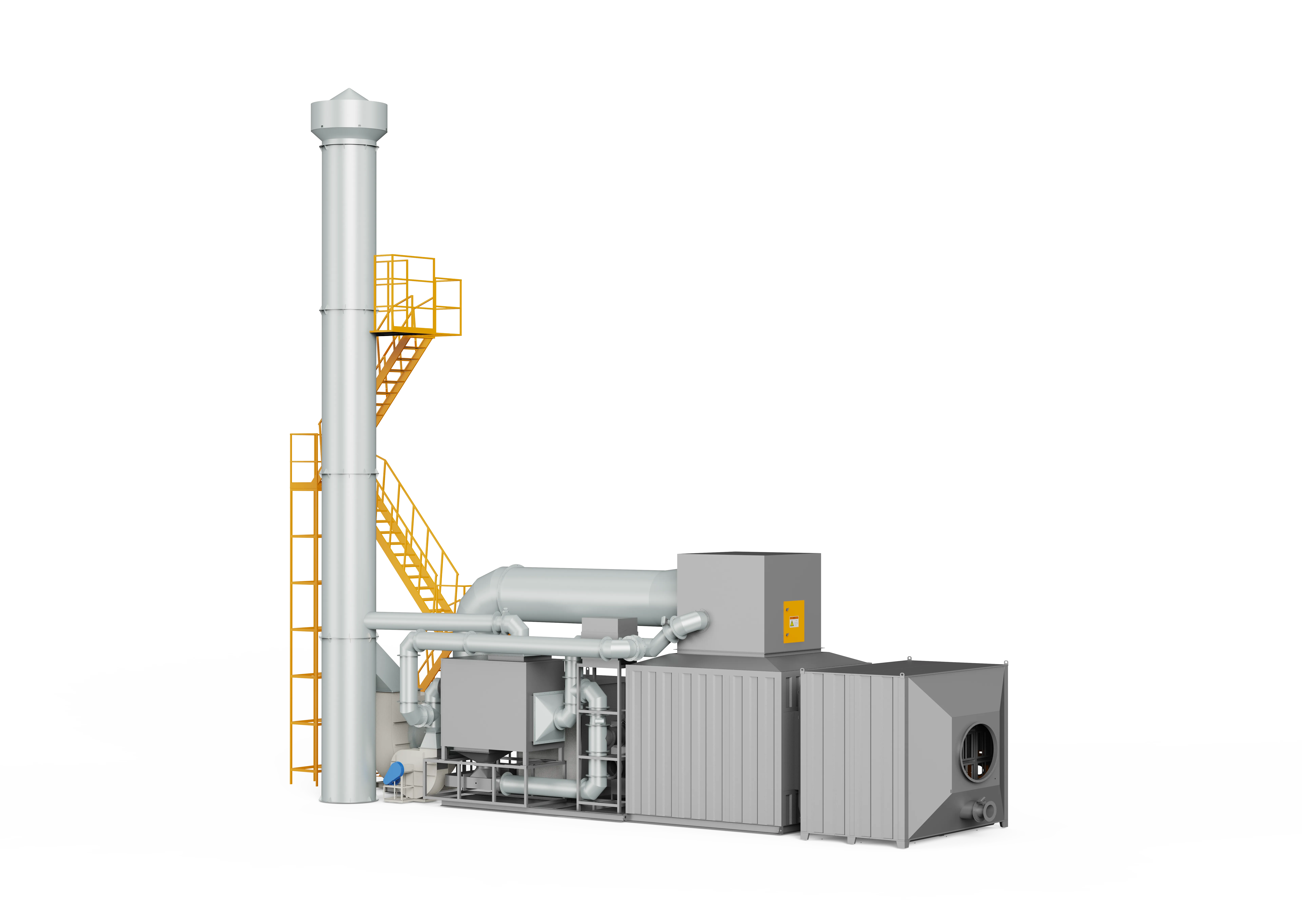
Zeolite Rotor
A high-efficiency VOC pre-treatment and concentration system utilizing advanced hydrophobic zeolite molecular sieves to continuously adsorb, desorb, and enrich large-airflow, low-concentration organic exhaust gases, reducing downstream thermal destruction energy consumption by 40% to over 50%.
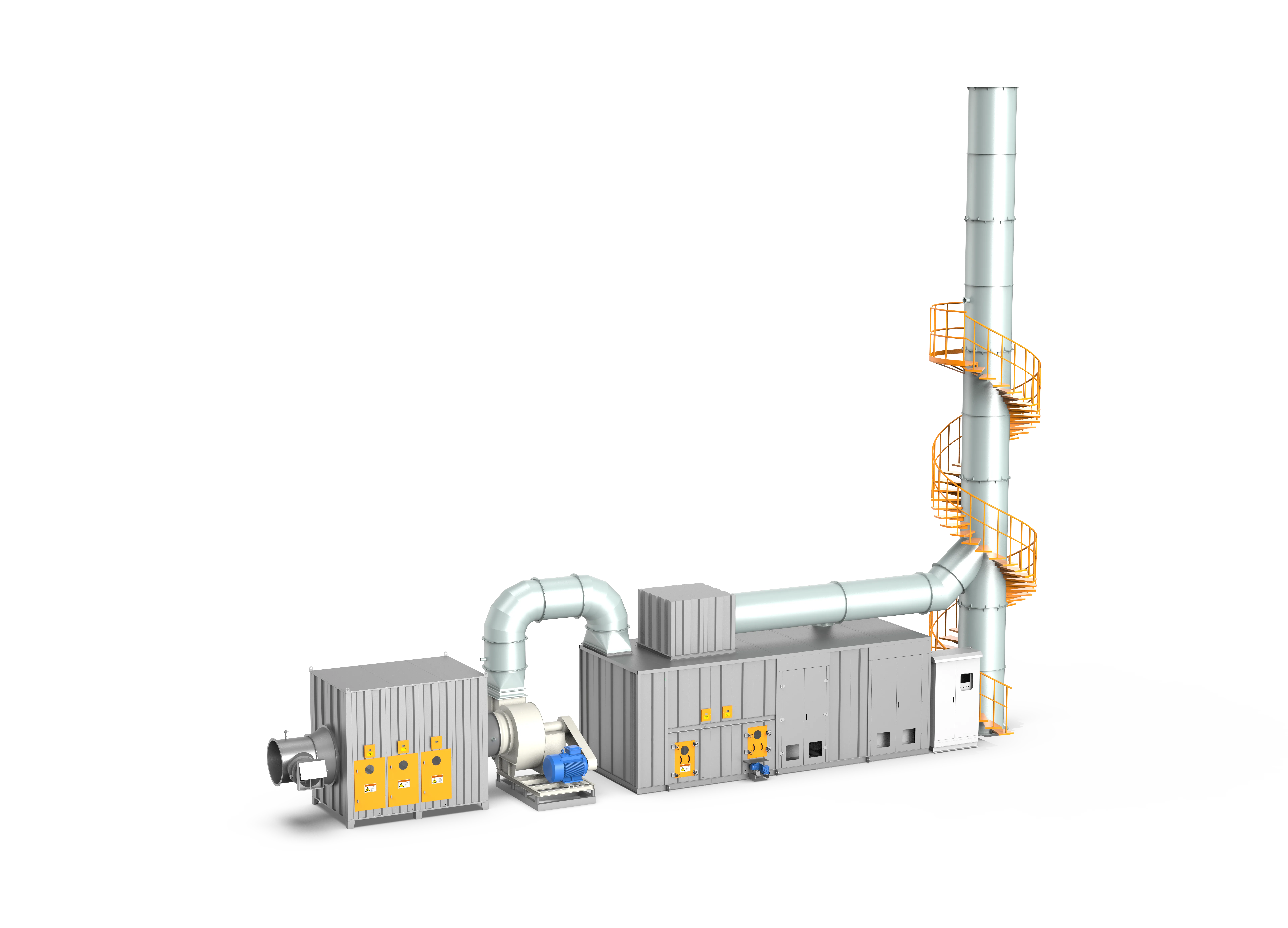
Zeolite Rotor + CO
A modular, highly compact VOC abatement system integrating zeolite molecular sieve concentration with low-temperature catalytic oxidation (CO) at 250-350°C, delivering energy savings of up to 20%+ and zero fire risk for small-to-medium airflow setups.
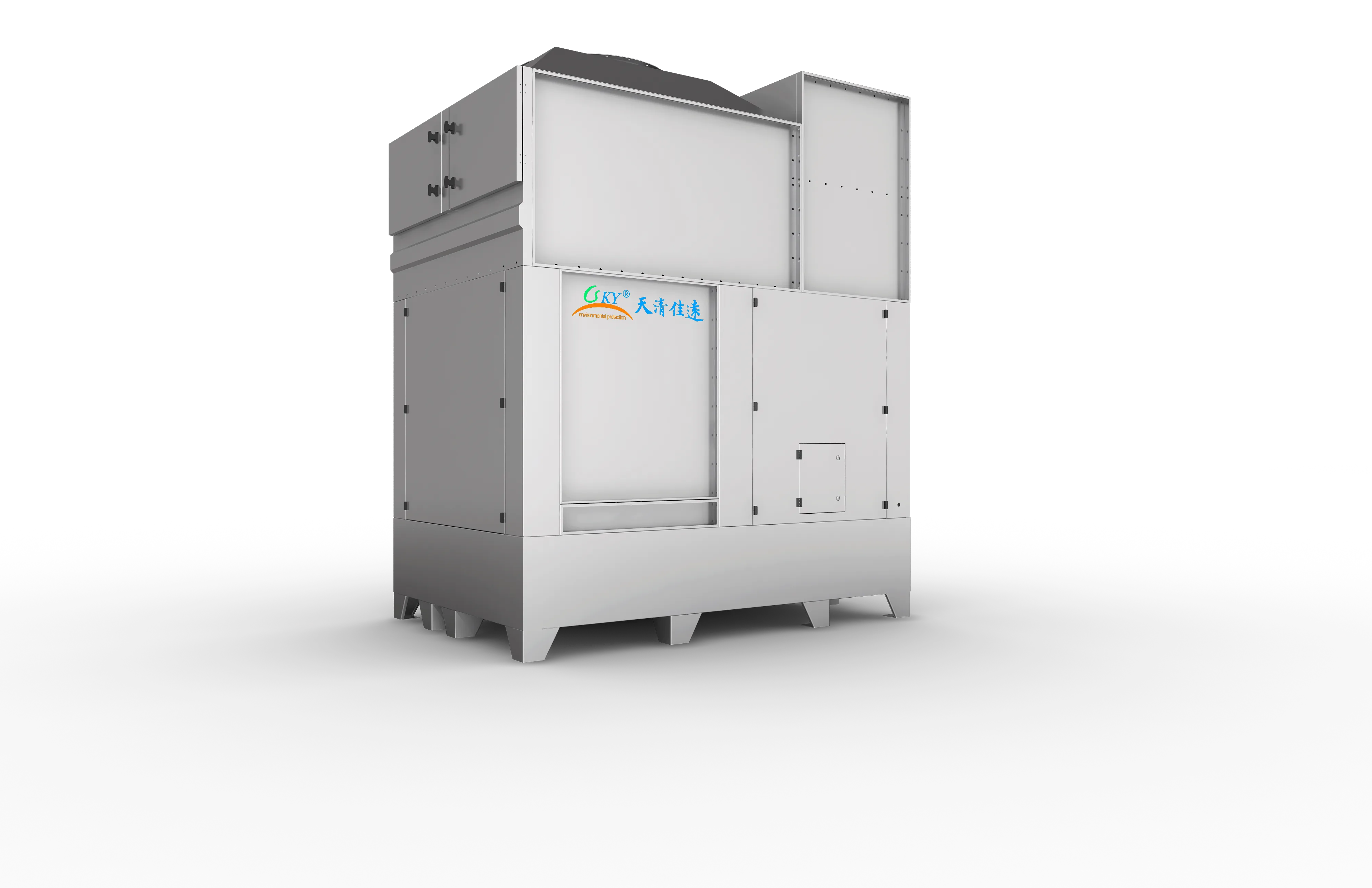
RCO
Ceramic heat regeneration combined with catalytic oxidation for compatible VOC streams requiring continuous, energy-conscious treatment.
Jet Scrubber
A next-generation wet scrubber utilizing jet-ejection fluid dynamics to self-inhale process gases and generate intensive turbulent mixing, delivering acid-gas and dust removal efficiencies of >=95% with zero clogging.
Engineered Air Pollution Control for Automotive & High-Precision Manufacturing
FluxFine provides complete turnkey EPC execution — from fluid dynamic simulation, custom metallurgy fabrication, and multi-stage particulate interception to fail-safe catalytic oxidation and worldwide compliance permitting.