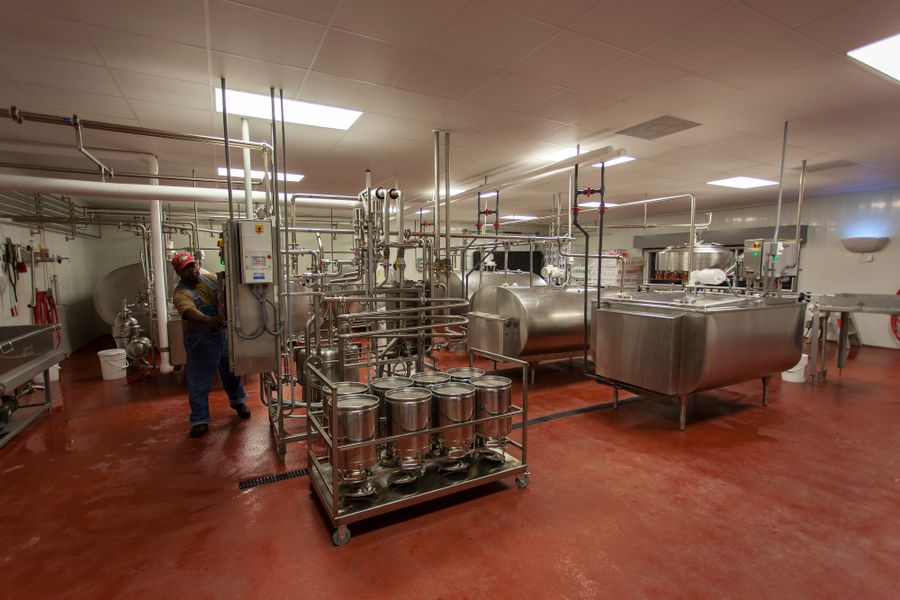
Processes and emission sources
Spray scrubbing pretreatment followed by WESP polishing for fine aerosols and residual mist.

Real engineering project deployed by FluxFine Environmental.
Common pollutants
- Oil mist
- Fine aerosols
- Odor compounds
- Steam
- Sticky particulate
Typical conditions
- Warm humid exhaust
- Sticky loading
- Continuous production
- Frequent sanitation nearby
Engineering priorities
- Fire prevention
- Wash-water management
- Hygiene interfaces
- Electrode cleaning
- Corrosion resistance
From collection to compliant discharge
- 01
Hood capture
- 02
Cooling and washing
- 03
Droplet separation
- 04
WESP polishing
- 05
Odor stage where required
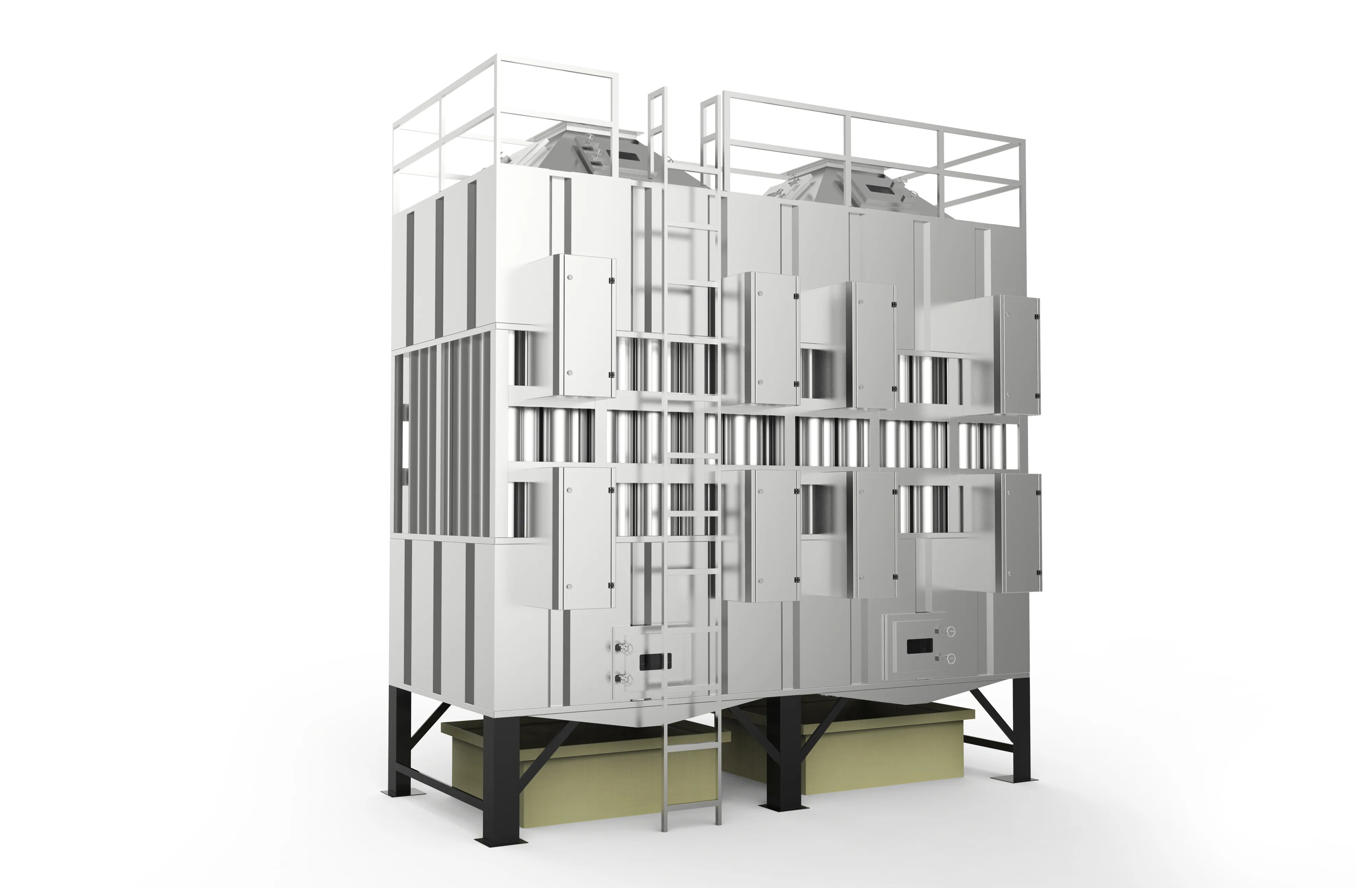
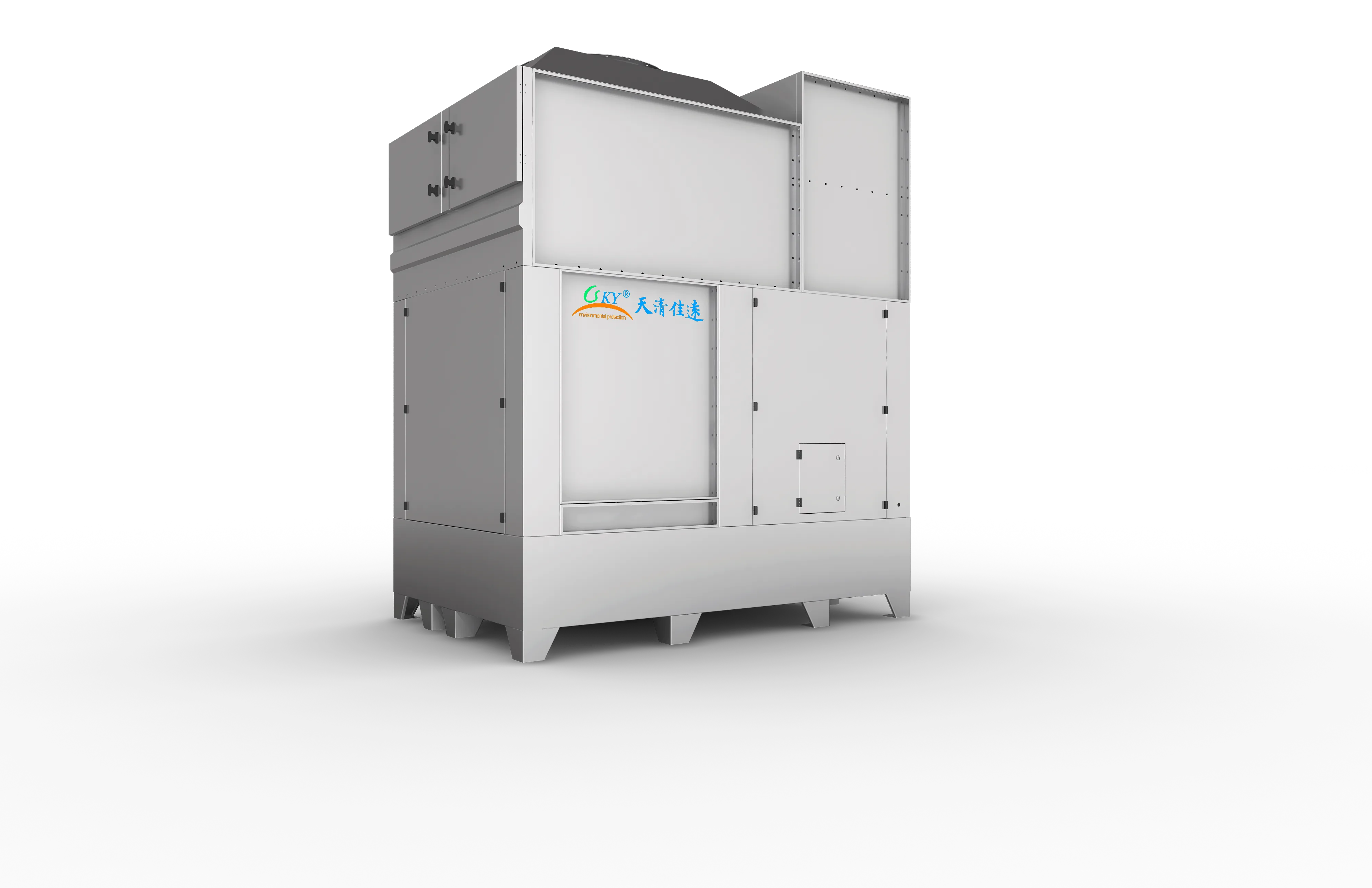
How we turn food industry exhaust data into a treatment train
The recommended configuration is built around the actual production process, not a generic industry label. This is especially important when one site has multiple exhaust headers, recipes or operating modes.
Common treatment challenges
- Sticky oil mist and odor
- Continuous production lines
- Hygiene-adjacent plant constraints
Data we request
- Exhaust source, airflow and operating schedule
- VOC/pollutant analysis, concentration range and LEL information
- Temperature, humidity, dust, mist and corrosive components
- Existing collection or pretreatment equipment
- Emission target, layout, utilities and shutdown constraints
Engineering decisions
- Whether streams should be segregated, balanced or treated together
- Which pretreatment protects downstream equipment
- Whether concentration, direct oxidation, recovery or polishing is appropriate
- Materials, safety interlocks, monitoring and maintenance access
- Where recovered heat or utilities can be integrated
Recommended path for food industry exhaust
This is a decision framework based on the supplied product and project material. The final train changes with measured chemistry, operating patterns and site constraints.
Common emission sources
- Industrial cooking and frying exhaust
- Oil-mist and grease aerosol
- Baking/roasting thermal fumes
- Odor-bearing process exhaust
Grease/mist control → WESP polishing → odor treatment as required
The first objective is often capturing sticky oil aerosol and controlling washdown/wastewater. Odor treatment is selected after the aerosol and compound profile are known.
- 01Capture hot cooking exhaust at source
- 02Cool or condition as required
- 03Remove grease/aerosol using appropriate pretreatment/WESP
- 04Manage wash water and maintenance
- 05Add odor polishing only when the measured problem requires it
Wet scrubbing + WESP
Consider when the exhaust includes water-soluble components or needs an upstream wet stage before electrostatic aerosol polishing.
Process-specific questions
Why is oil mist not handled like ordinary dry dust?
Oil aerosol is sticky and can foul dry media. The collection approach must account for temperature, grease loading, washdown and wastewater handling.
Does WESP eliminate all odor?
WESP is primarily aerosol control. Residual odor chemistry and peak load determine whether a separate odor-control stage is needed.
Configurations commonly evaluated
These configurations are starting points for this industry. Final selection depends on measured airflow, pollutant chemistry, concentration, temperature and production schedule.
Electrostatic Fume Purifier
A dry or low-water electrostatic collection unit for industrial oil fume and fine process aerosol.
View equipmentJet Scrubber
A next-generation wet scrubber utilizing jet-ejection fluid dynamics to self-inhale process gases and generate intensive turbulent mixing, delivering acid-gas and dust removal efficiencies of >=95% with zero clogging.
View equipmentCyclone Scrubber
An elite wet-cyclonic pre-treatment system designed to capture highly sticky, fibrous, and abrasive dusts from industrial grinding, polishing, and spray painting, delivering dust capture efficiencies of 95%-98.5%.
View equipmentSpray Scrubber
A configurable wet scrubber for soluble gas absorption, cooling, dust conditioning and pretreatment.
View equipmentMicrobial Deodorizer
Biological waste gas treatment unit utilizing specialized microorganisms to digest and eliminate severe industrial and municipal odors.
View equipmentJet-Mixing Tower
High-energy gas-liquid mixing front-end equipment for flammable, explosive, and dust-heavy pre-treatment.
View equipmentMap your food industry process
Share exhaust sources, airflow, concentration, operating temperature and schedule. We will identify pretreatment needs and a suitable control train.