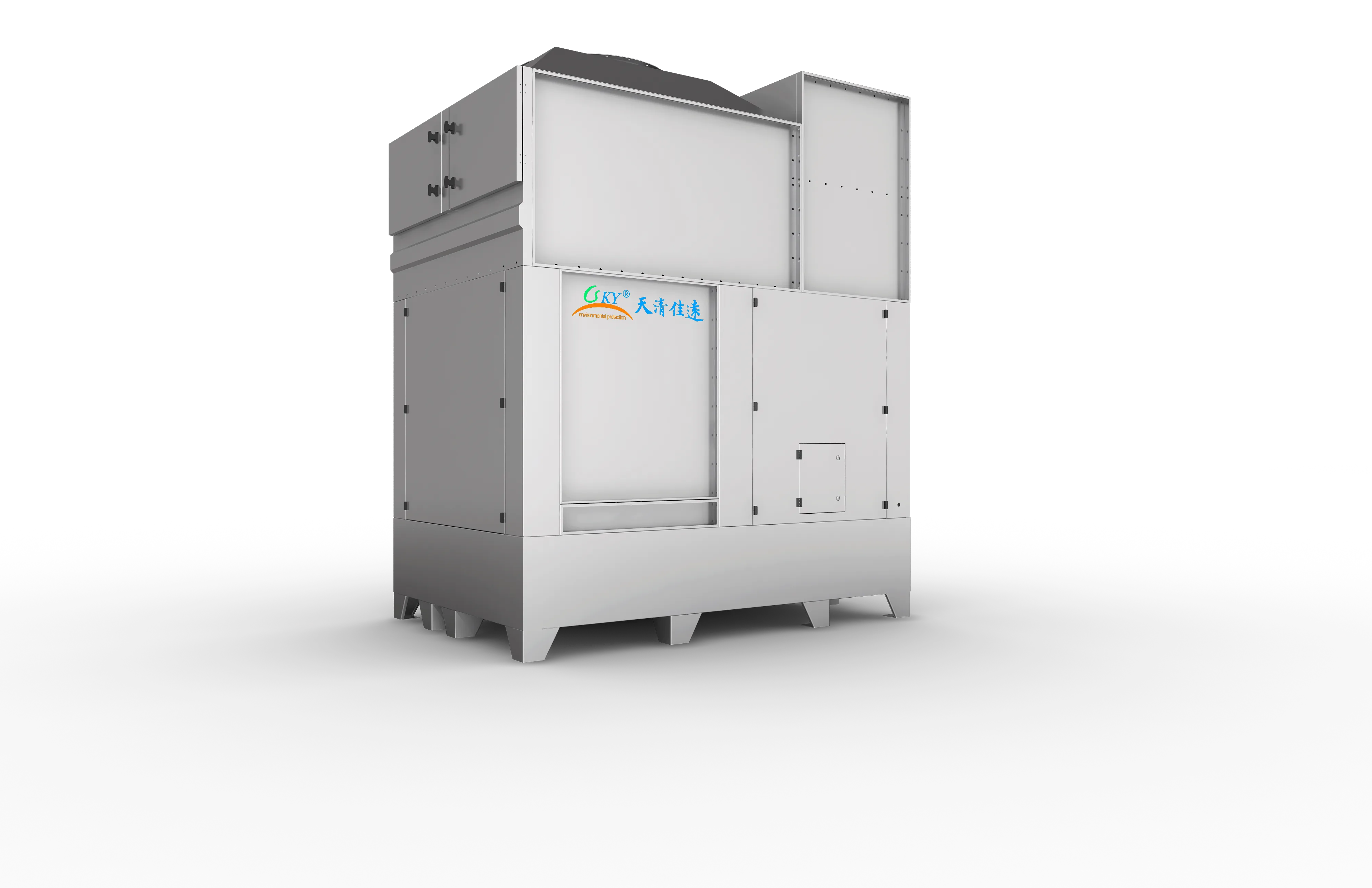
Jet-Mixing Two-Stage Tower (Waste Gas Pre-Treatment)
High-energy gas-liquid mixing front-end equipment for flammable, explosive, and dust-heavy pre-treatment.
Designed around actual process conditions
The Jet-Mixing Two-Stage Tower works in combination with downstream oxidation equipment. It is designed to handle flammable and explosive gases, grinding, polishing, spray-painting exhaust pre-treatment, industrial oil fume particle purification, and smelting dust removal.
Waste Gas Pre-Treatment Equipment
High mass transfer
Acid/alkali neutralization
Packing-free design
Operating references and configuration choices
These reference values and modules clarify the scope we evaluate. They are not a substitute for a process-data review or final proposal.
| Engineering reference | Value | How to read it |
|---|---|---|
| Application scope | High-load wet pretreatment before downstream control | A selection reference only; final capacity and materials follow the project design basis. |
| Configuration | Project-specific | Confirmed from process data, site constraints and the required treatment objective. |
| Performance basis | Process-dependent | No generic removal, safety or compliance promise is made without the stated pollutant and operating conditions. |
Typical modules considered
- Jet-mixing contact zone and staged separation
- Recirculation, dosing and solids/sludge management
- Mist elimination and downstream duct interface
- Materials and drainage selected from gas chemistry
Project-specific selection notes
- Review flammable/combustible dust and gas hazards as a complete collection-and-safety system.
- Define drainage, sludge removal and wastewater treatment before finalizing the tower.
- Use the downstream RTO, CO, WESP or other unit to define the required outlet condition.
How to use this product information
The jet-mixing tower is a front-end conditioning device. The downstream treatment objective determines the complete train.
- The product source identifies use as pretreatment for grinding, polishing, spray-related exhaust, oil fume particles and smelting dust.
- The published description is a selection starting point. Process data, utilities, materials, safety requirements and acceptance criteria remain subject to engineering review.
What we review before specifying Jet-Mixing Tower
A product name is a starting point, not a final design. These inputs define pretreatment, materials, controls, equipment size and scope boundaries.
Project data to provide
- Gas chemistry and required absorption/reaction
- Airflow, inlet temperature, dust and mist loading
- Liquid chemistry, pH/ORP control and make-up water
- Wastewater treatment route and discharge constraints
- Corrosion requirements, footprint and pressure-drop allowance
Typical engineered scope
- Inlet quench, jet or packed contact stage as required
- Recirculation tank, pump, chemical dosing and instrumentation
- Mist eliminator and duct/fan interface
- Materials selected for temperature and chemistry
- Wastewater, sludge and maintenance access provisions
Safety and controls
- The treatment liquid is selected from the gas chemistry and operating target.
- pH, ORP, liquid level, pressure drop and pump status are typical monitored points.
- Scrubbers may be pretreatment, primary acid/alkali control or a polishing stage; the role must be defined.
- Do not quote generic efficiency without the gas species, reagent and contact design.
How it works
High-speed jet mixing creates intense gas-liquid contact, stripping out coarse particulate, aerosols, and explosive dust before the air reaches sensitive downstream equipment.
- 01Exhaust enters the jet-mixing stage
- 02Intense gas-liquid contact captures contaminants
- 03Cyclonic separation drops out sludge
- 04Cleaned gas proceeds to VOC oxidation
- Flammable & explosive gases
- Grinding, polishing & spray-painting exhaust
- Industrial oil fume
- Smelting dust removal
- Must be properly drained and sludge managed to prevent blockages.
- Proper reagent dosing may be required based on exhaust chemistry.
Typical pollutants
- Coarse particulate
- Paint mist
- Explosive dust
- Oil fume particles
Engineering features
- High-energy contact zone
- Non-clogging jet design
- Anti-corrosion construction
- Integrated with downstream RTO/CO
Available options
- PP or 304/316 Stainless Steel
- Automated dosing system
- Sludge extraction valve
Relevant industries
Chemical Industry
Resins, coatings, waterproofing, and specialty chemicals.
Pharmaceutical & Medical
Solvent exhaust from synthesis, coating, and finishing.
Food Industry
Frying, roasting, and process oil-fume control.
Coating & Surface Finishing
Industrial paint, UV coating, adhesive, metal finishing and multi-booth surface processes.
New Materials & New Energy
Battery materials, functional films, composites and advanced material production.
Automotive & E-Mobility
OEM parts, e-bike, and industrial spray booth exhaust.
Rubber & Plastics
PVC, compounding, injection, and polymer processing fumes.
General technology selection
These answers explain the selection path. Final performance, safety scope and dimensions follow the approved project design.
When is a wet scrubber used before VOC treatment?
It can cool or remove acid/alkali gas, soluble contaminants and certain mist/particulate so that the downstream adsorption or oxidation equipment is protected.
What happens to the scrubber liquid?
It is recirculated with controlled make-up and blowdown. The project must define chemical dosing, wastewater treatment and disposal responsibilities.
Source basis: VOCs equipment source. Materials, reagent and performance are selected from the gas chemistry.
Specific product Q&A
Why use a jet mixing tower instead of a standard packed bed scrubber?
Standard packed beds excel at clean gas absorption but fail catastrophically if the exhaust contains sticky particulates, biological matter, or heavy dust (which quickly plug the pall rings). A Jet Mixing Tower is entirely packing-free. It uses high-pressure venturi nozzles to create an intense turbulence zone where gas and liquid violently mix. This achieves excellent mass transfer for chemical absorption without any internal media to clog, ensuring zero maintenance downtime for media replacement.
How does the venturi effect improve gas absorption?
In a jet mixing tower, the scrubbing liquid is injected at high pressure through specialized nozzles, accelerating the gas stream and creating an aggressive venturi effect. This shearing force shatters the liquid into millions of micro-droplets, exponentially increasing the gas-liquid surface area. This intense, high-velocity contact zone rapidly dissolves water-soluble VOCs (like alcohols or ketones) and neutralizes acid gases (HCl, SOx) much faster than a slow-moving packed column.
Does a jet mixing tower require higher pump pressure?
Yes. Because the system relies on hydraulic shearing rather than physical surface area (packing) to create droplets, it requires high-head centrifugal pumps to deliver the liquid at high velocity. While the pump energy consumption is slightly higher than a packed tower, the overall system energy is often lower because the tower induces a strong draft, significantly reducing the static pressure load on the main exhaust fan.
Proven Jet-Mixing Tower installations
Review documented treatment trains featuring Jet-Mixing Tower technology across various industrial processes.
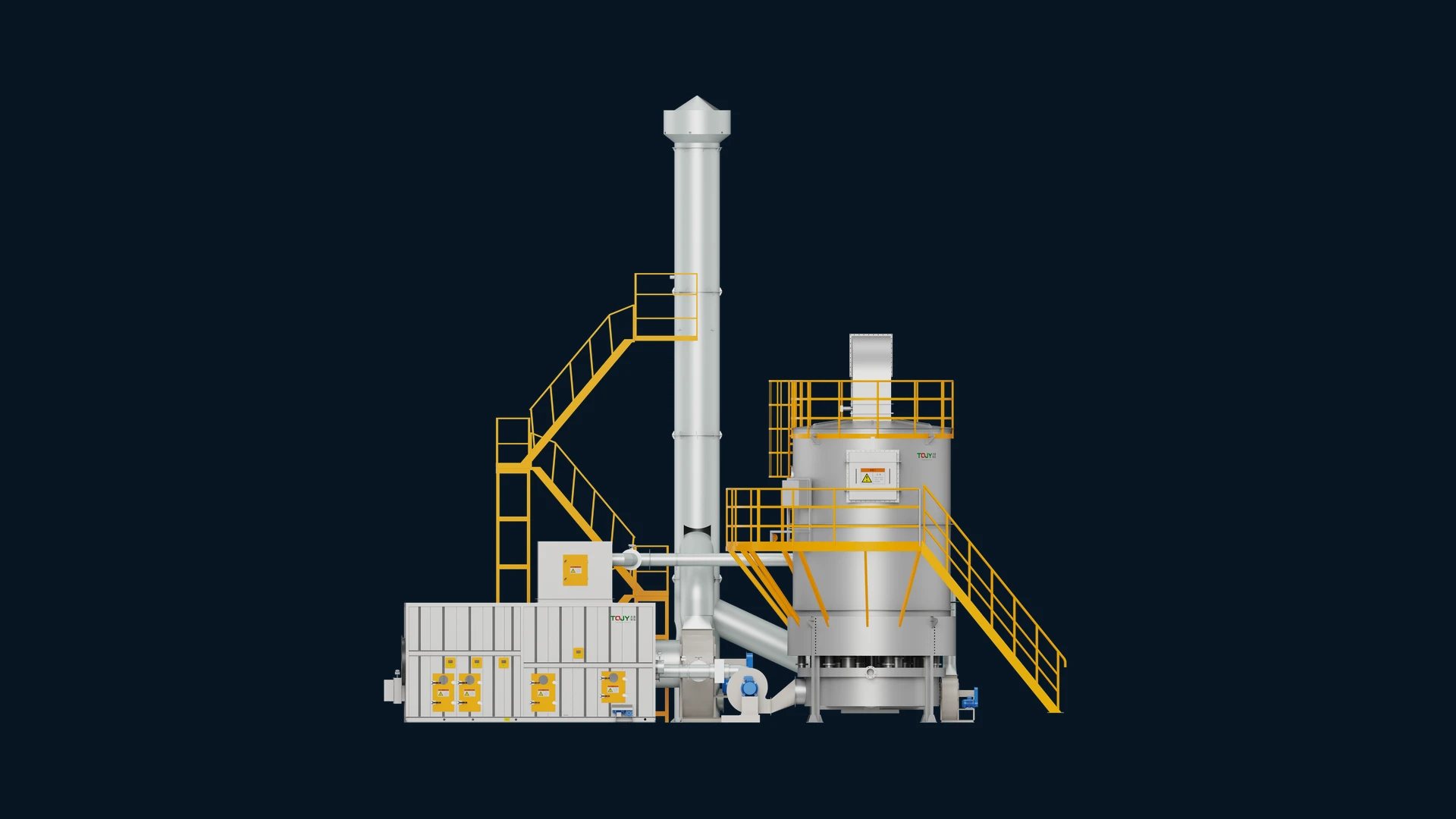
Configure Jet-Mixing Tower for your plant
Share measured process data so the engineering team can confirm suitability, pretreatment, equipment size and scope boundaries.
Source basis: Extracted from bilingual catalog for SEO. Published values are selection references, not a project guarantee.