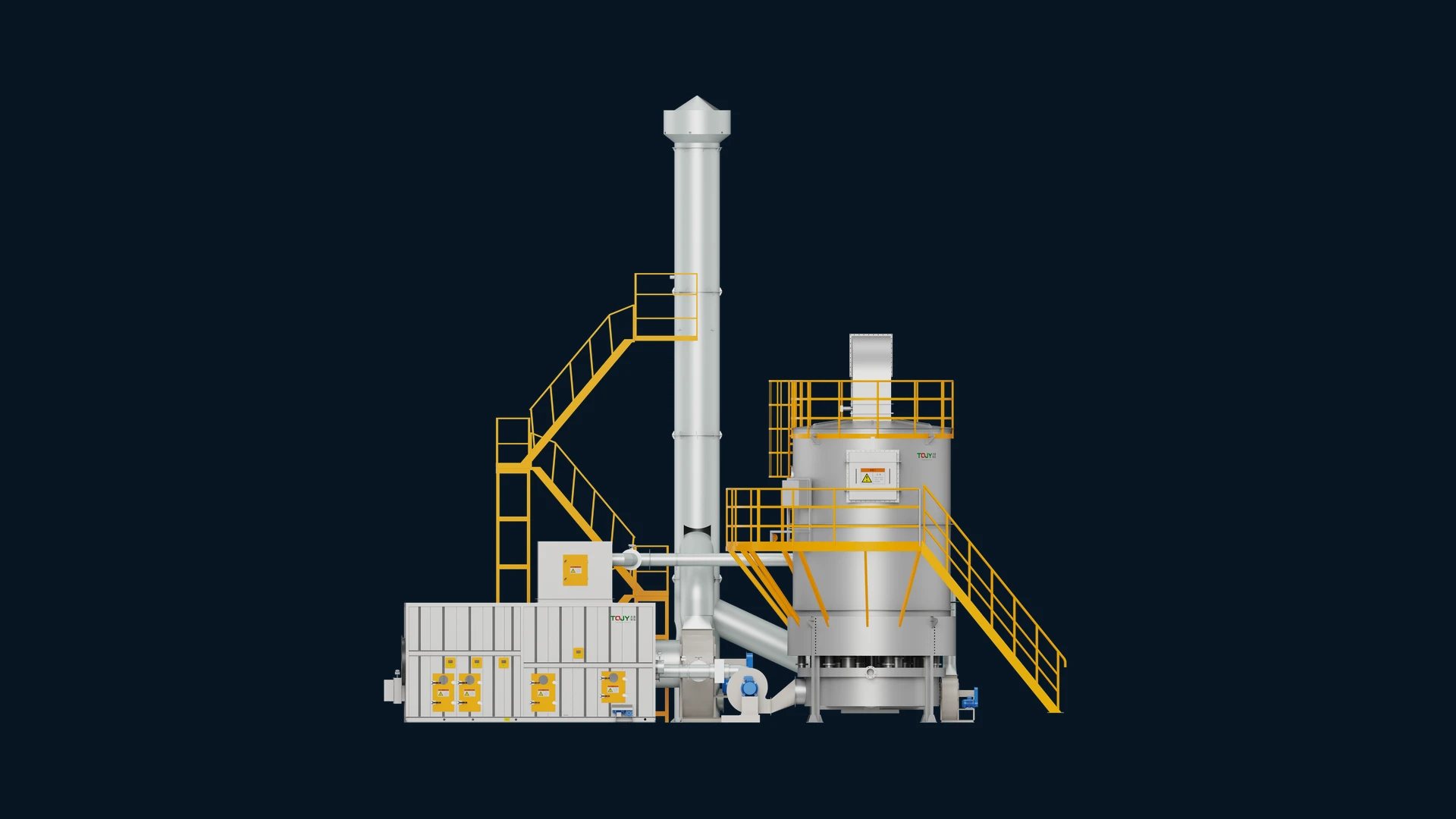
130,000 m³/h Zeolite Rotor & Three-Bed RTO Abatement Train
Foshan Xinyue Decorative Materials Co., Ltd. | Architectural Fluorocarbon Veneers, Spray Booths & Curing Ovens
High-Boiling Solvent & Sticky Aerosol Abatement across 130,000 m³/h Coating Lines
Foshan Xinyue Decorative Materials Co., Ltd. (佛山市昕粤装饰材料有限公司) is a prominent manufacturer of high-end architectural aluminum veneers, fluorocarbon curtain wall panels, and decorative metal facades. The manufacturing facility operates multi-booth automated spray lines, manual touch-up stations, leveling tunnels, and high-temperature curing ovens generating a complex, high-volume exhaust stream of 130,000 m³/h (76,500 CFM).
The exhaust chemistry presented two severe engineering dilemmas: first, heavy particulate and resinous overspray from fluorocarbon paints that rapidly blind molecular sieve pores; second, the presence of refractory high-boiling solvents, notably Dimethyl Phthalate (DMP, boiling point 283°C) and Diethylene Glycol Monobutyl Ether (boiling point 230°C), which constitute over 84% of the solvent mass and cannot be stripped by standard 180°C desorption cycles.
FluxFine engineered an integrated turnkey solution: segregated pre-treatment utilizing a Jet-Mixing Double-Stage Tower for spray booth exhausts, a Cyclone-Hybrid Double-Stage Tower for curing oven cooling and resin capture, followed by five-stage dry coalescing filter boxes. The cleaned stream enters a 130,000 m³/h Zeolite Rotor Concentrator engineered with a dedicated 280°C high-temperature desorption sector, feeding a concentrated 12,000 m³/h stream into a Three-Bed Regenerative Thermal Oxidizer (3-Bed RTO). The system maintains 100% auto-thermal self-sustaining equilibrium (401 kW heat generated vs. 386 kW consumed) with zero auxiliary natural gas, achieving ≥99.0% RTO DRE and stack emissions of NMHC ≤ 24 mg/m³.
Four Engineering Dilemmas in Heavy Architectural Coating
Treating massive architectural spray booth exhausts demands solving sticky aerosol fouling, high-boiling resin desorption, and stringent explosion safety.
Sticky Fluorocarbon Aerosols
Automated spray booths generate viscous paint overspray and sticky resinous polymers. Direct entry into molecular sieve rotors causes catastrophic micropore clogging and irreversible performance drop.
High-Boiling Solvent Trap
Solvents are dominated by Diethylene Glycol Monobutyl Ether (b.p. 230°C) and Dimethyl Phthalate (b.p. 283°C). Standard 180°C desorption leaves residual solvent, causing carbonization and wheel poisoning.
130,000 m³/h Large Airflow
A dilute inlet concentration of 360 mg/m³ across 130,000 m³/h would consume massive natural gas if sent directly to thermal oxidation. Achieving energy neutrality required precise 11:1 concentration.
LEL Concentration Limits
Concentrated stream entering RTO reaches 5,519 mg/m³. The composite solvent 25% LEL threshold is 15,126 mg/m³. Strict multi-point safety interlocks and automated fresh air dilution dampers were essential.
Engineering Evaluation: Carbon Desorption vs. Zeolite Rotor + Three-Bed RTO
FluxFine conducted extensive thermodynamic and safety audits evaluating activated carbon desorption against high-temperature zeolite concentration plus regenerative oxidation.
| Engineering Dimension | Activated Carbon Adsorption-Desorption | FluxFine Zeolite Rotor + 12,000 RTO Train | Engineering Advantage |
|---|---|---|---|
| High-Boiler Desorption (283°C DMP) | Carbon limited to 110°C; DMP accumulates and poisons bed | 280°C high-temp clean desorption sector | Complete high-boiler stripping |
| Auxiliary Natural Gas Demand | Continuous steam generator or fuel burner required | 100% self-sustaining auto-thermal balance (+16 kW surplus) | Zero gas in production |
| Particulate & Mist Pre-Treatment | Simple filter mats prone to frequent breakthrough | Jet-Mixing + Cyclone towers + 5-stage dry filter box | ≥99% aerosol capture (>1μm) |
| Thermal Destruction Efficiency (DRE) | 80.0% - 88.0% across aging catalyst beds | ≥99.0% RTO DRE (890°C chamber temperature) | ≥99.0% DRE compliance |
| Fire & Explosion Safety | High smoldering fire risk from carbon autoxidation | Inorganic ceramic substrate + LEL interlocks | Class A1 incombustible |
Thermal destruction at 890°C with 95% thermal recovery efficiency across cordierite media.
Vastly outperforming Guangdong DB44/2367-2022 provincial limits (≤ 80 mg/m³).
401 kW combustion heat exceeds total system demand by 16 kW, requiring zero fuel gas.
Engineered desorption zone completely releases 283°C Dimethyl Phthalate plasticizers.
Subsystem Architecture & Hardware Execution
Explore the four synchronized engineering subsystems delivering continuous compliance, aerosol protection, and energy balance.
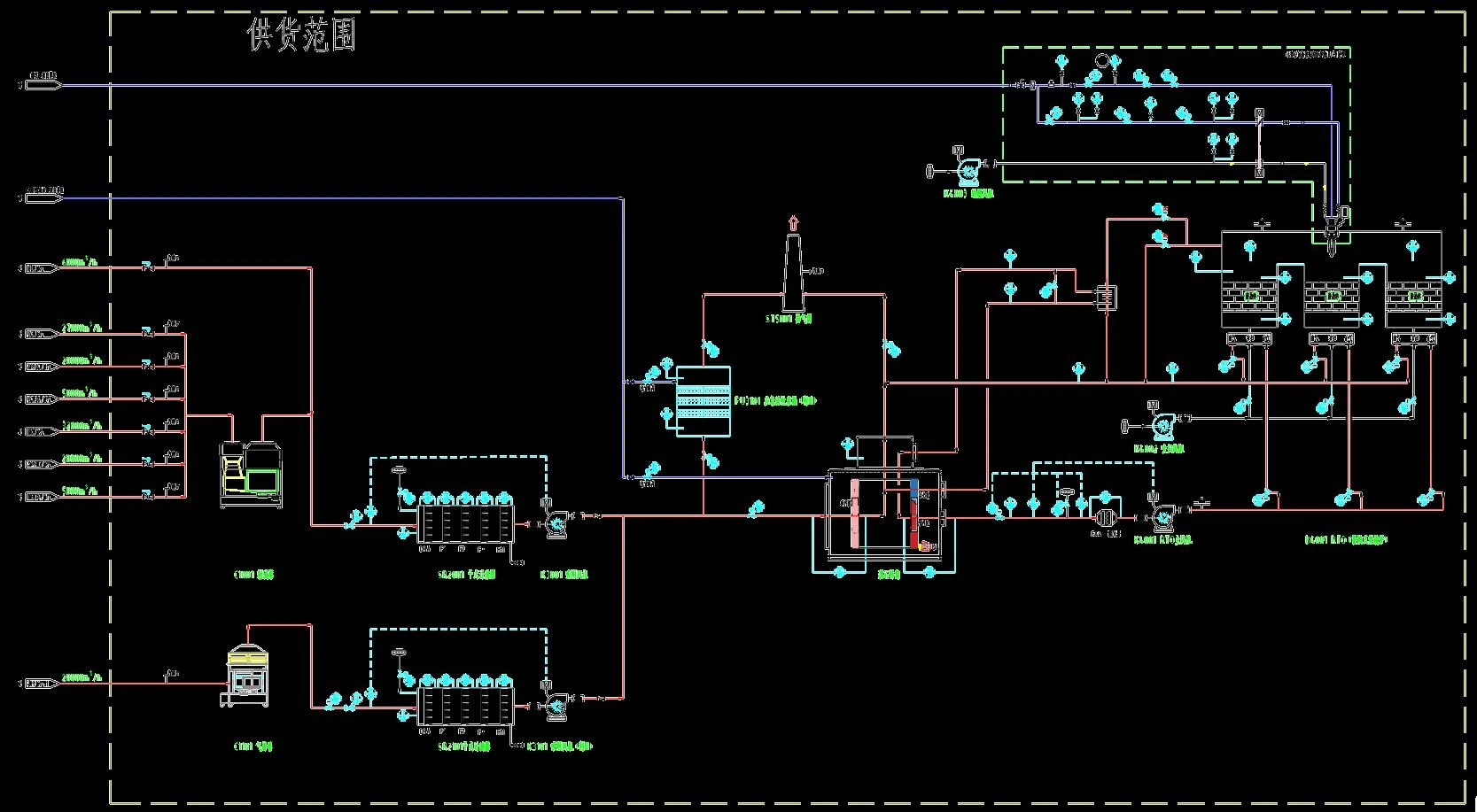
Integrated P&ID Process Topology & Pressure Balance
The system collects exhaust from automated primer and topcoat booths, leveling rooms, paint kitchens, and high-temperature curing ovens across 130,000 m³/h ductwork.
Booth exhausts undergo wet scrub pre-treatment before joining curing oven streams into two 5-stage dry filter units. The cleaned stream feeds into the zeolite rotor, where an 11:1 concentration loop transfers concentrated VOCs (5,519 mg/m³) into the 12,000 m³/h Three-Bed RTO.
Parameters: 130,000 m³/h zeolite intake; 11:1 concentration ratio; 12,000 m³/h RTO capacity; 890°C combustion setpoint; standby activated carbon bypass.
Five-Stage Dry Mist & Particulate Pretreatment
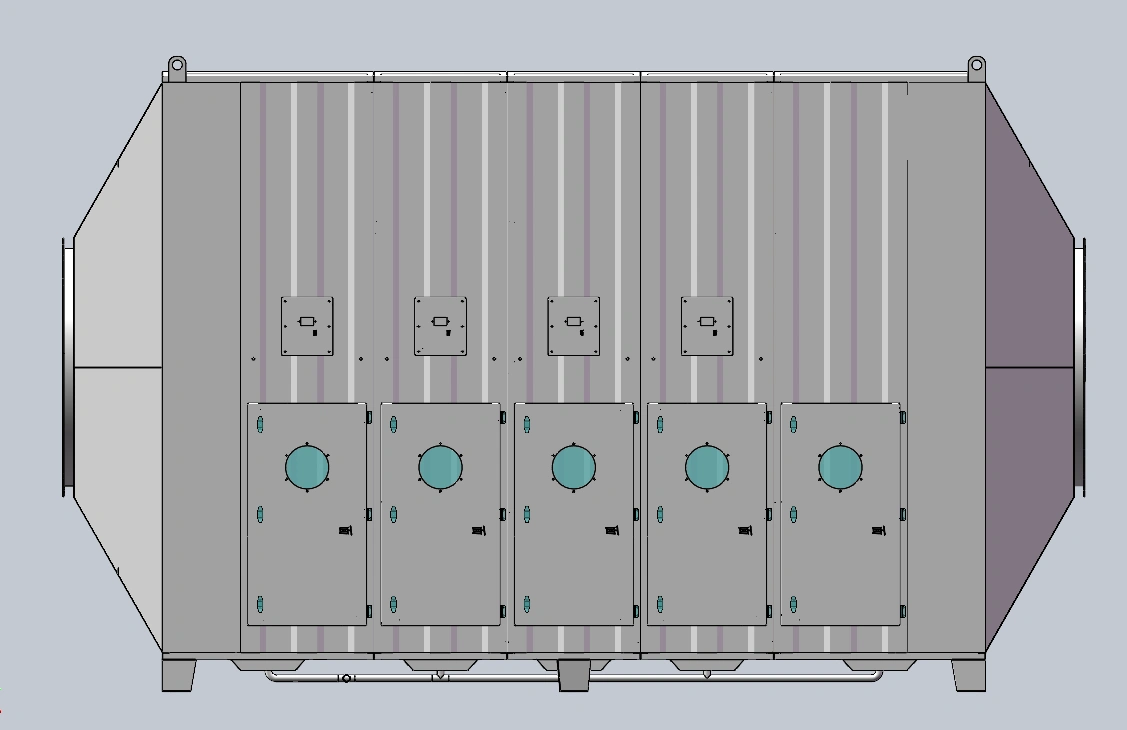
To safeguard the zeolite molecular sieve from paint aerosol blinding, exhaust passes through heavy-duty five-stage filtration: G3 metal mesh coarse barrier, G4 pleated panel filter, F7 synthetic pocket filter, F9 micro-fiber high-efficiency filter, and chemical coalescing media.
Each filtration stage features quick-release clamping doors and dedicated Magnehelic differential pressure transmitters, triggering automated alerts when stage resistance reaches 350 Pa.
Parameters: 110,000 + 20,000 m³/h design flow; capture efficiency >99% for particles ≥1 μm; total clean pressure drop ≤450 Pa.
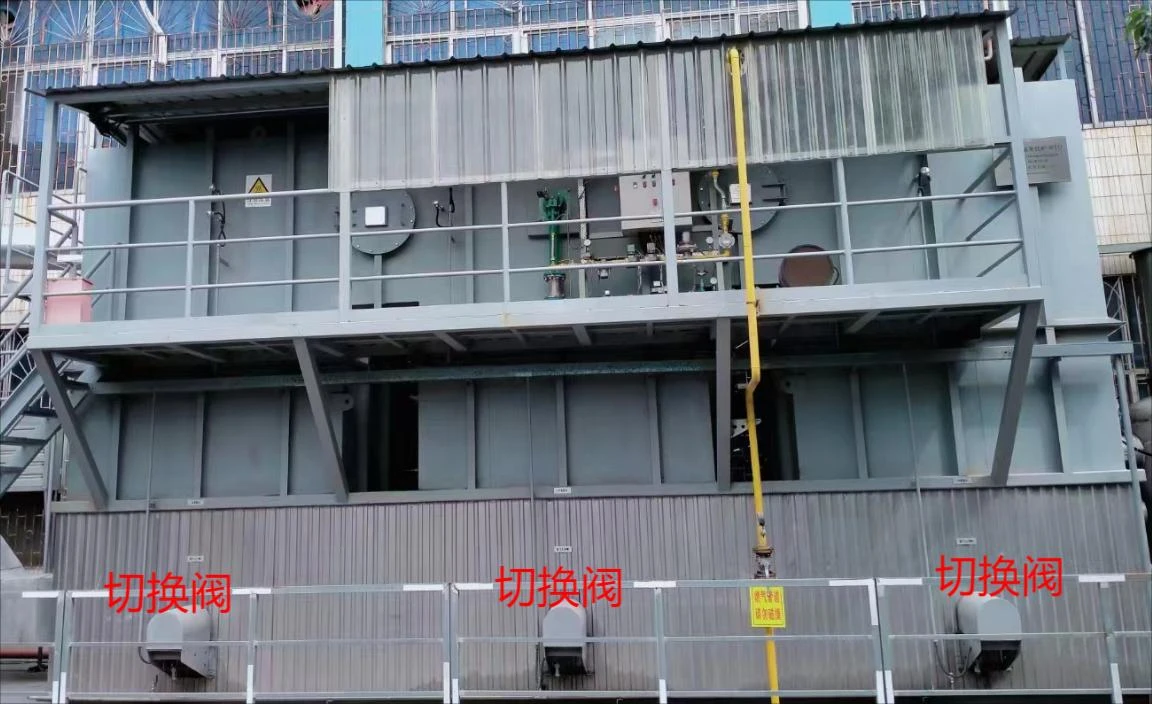
High-Speed Pneumatic Poppet Valves & Zero-Slip Purge
The Three-Bed RTO employs precision pneumatic poppet switching valves engineered for severe industrial duty. Driven by heavy-duty SMC actuators with 120 N·m torque, the valves achieve full transition in ≤1.0s.
Custom fluororubber seal seats guarantee internal leakage rates ≤0.05%. A dedicated clean purge cycle purges residual solvent from the third regenerative bed before switching to exhaust discharge, eliminating transient switching bypass slips.
Parameters: Stroke time ≤1.0s; leakage rate ≤0.05%; 1,000,000 continuous cycle design life; 0.4–0.6 MPa operating air supply.
System Operational & Thermodynamic Data Matrix
Verified operational thresholds, airflow capacities, and destruction metrics for the Xinyue Decorative facility.
| Subsystem | Design Specification | Operating Metric | Compliance Standard |
|---|---|---|---|
| Zeolite Rotor Concentrator | 130,000 m³/h monolithic hydrophobic molecular sieve drum | 11:1 concentration ratio (360 to 5,519 mg/m³) | ≥94.0% adsorption efficiency |
| High-Temp Desorption Sector | Thermal desorption loop dedicated to high-boiling solvents | 280°C continuous desorption temperature | Complete stripping of 283°C DMP |
| Three-Bed RTO Thermal Core | 12,000 m³/h three-chamber regenerative thermal oxidizer | 890°C combustion chamber setpoint | ≥99.0% RTO DRE |
| Pretreatment Scrubbing Towers | Jet-Mixing (booths) + Cyclone-Hybrid (curing ovens) double-stage | ΔP ≤ 1,200 Pa; flue cooling > 40°C | Paint mist removal ≥95% |
| Five-Stage Dry Filter Units | G3 + G4 + F7 + F9 + coalescing multi-tier media box | ΔP ≤ 450 Pa clean resistance | Particulate capture >99% (≥1 μm) |
| Stack Emissions (NMHC) | Combined discharge stack monitored via continuous FID | Measured ≤ 24 mg/m³ | Guaranteed ≤ 80 mg/m³ (DB44/2367) |
Equipment in This Project
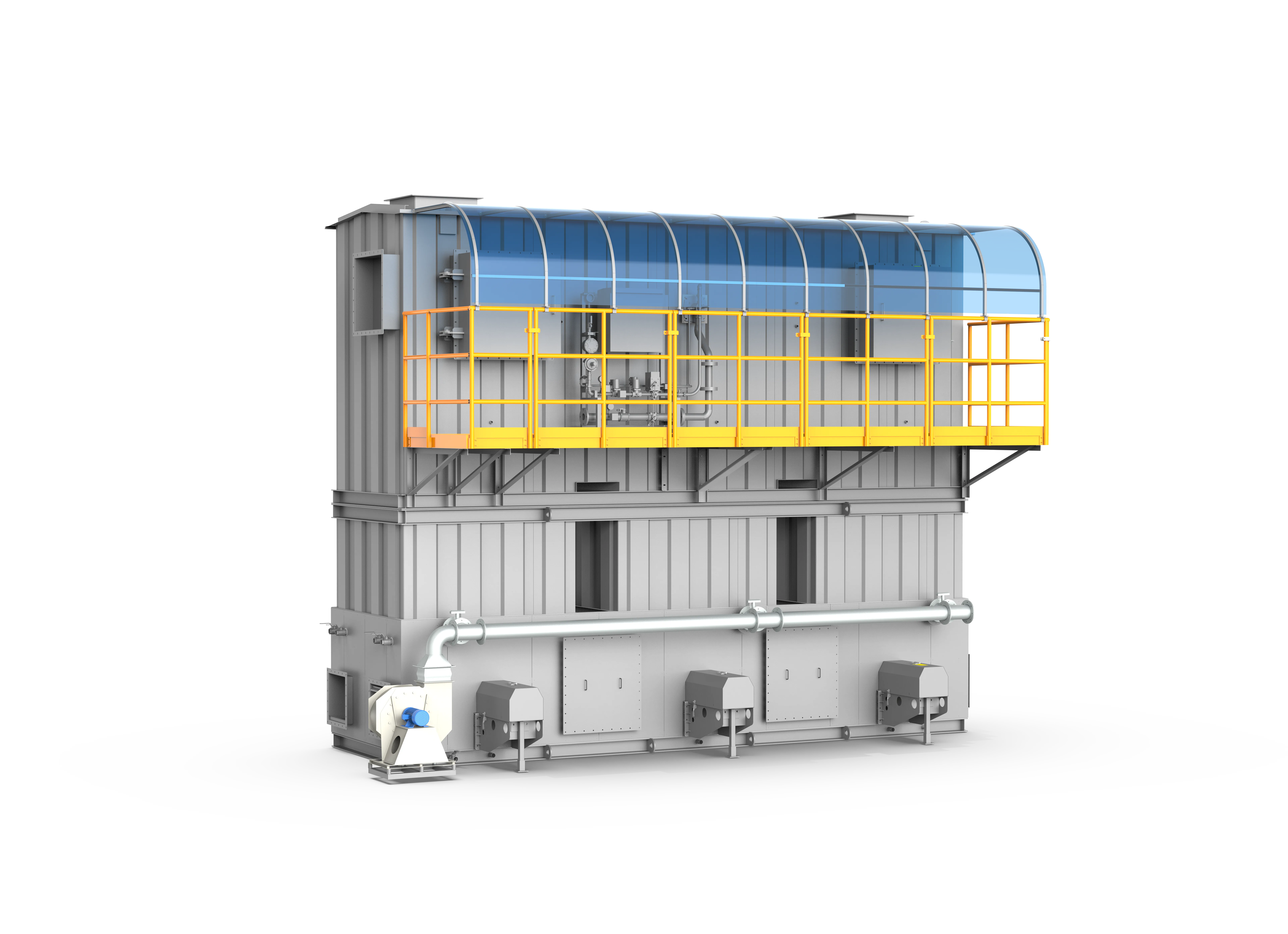
Three-Tower RTO
A premier-grade industrial VOC thermal abatement system that achieves >=99% VOC destruction efficiency and >=95% thermal energy recovery through a classic three-bed alternating heat-exchange and purge process.
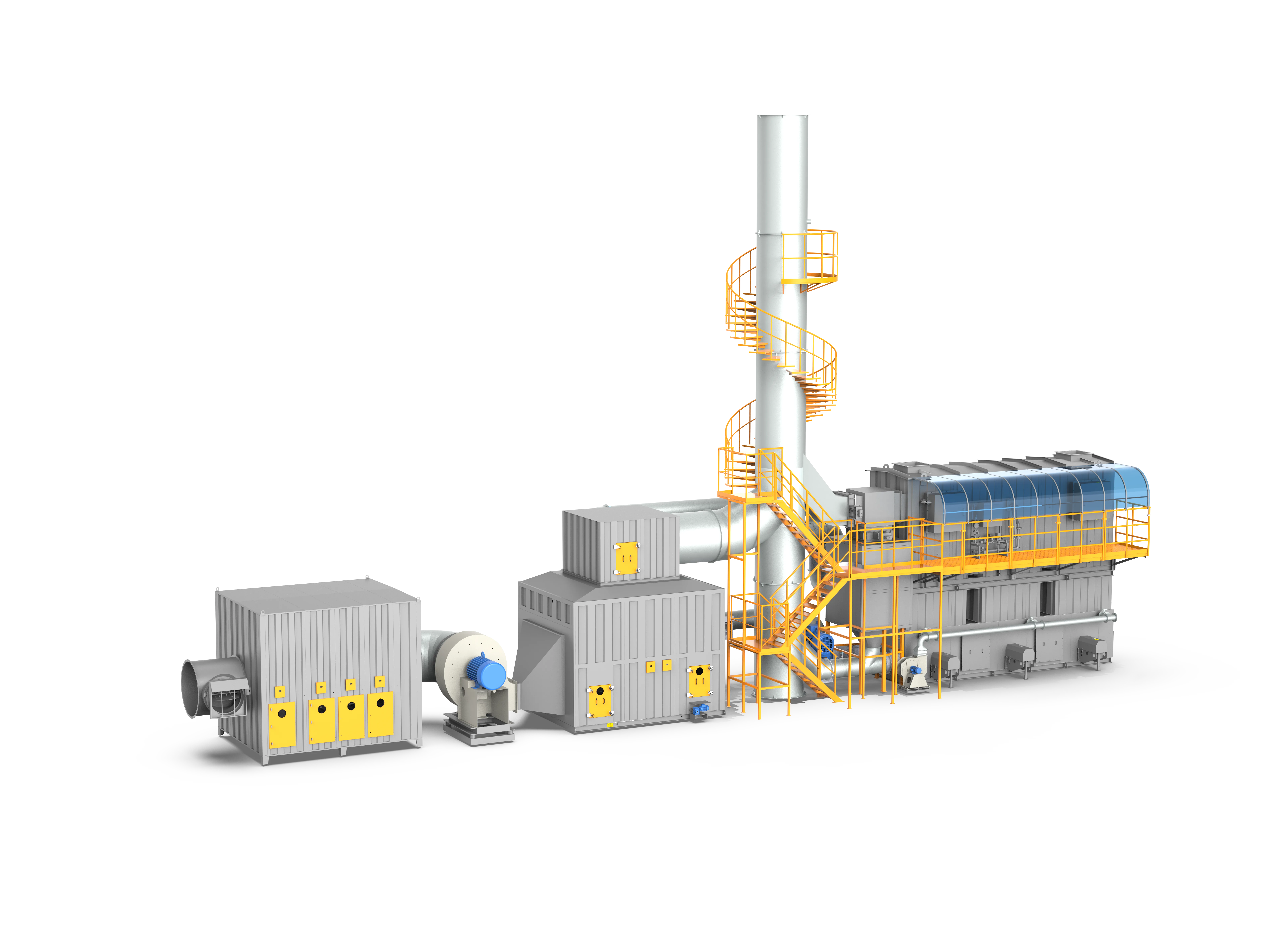
Rotor + 3-Tower RTO
The premier system for large-airflow, low-concentration VOC emissions, combining a hydrophobic zeolite rotor for 10-40x gas enrichment with a mature three-tower RTO for complete destructive oxidation, cutting energy costs by 40%-60%.
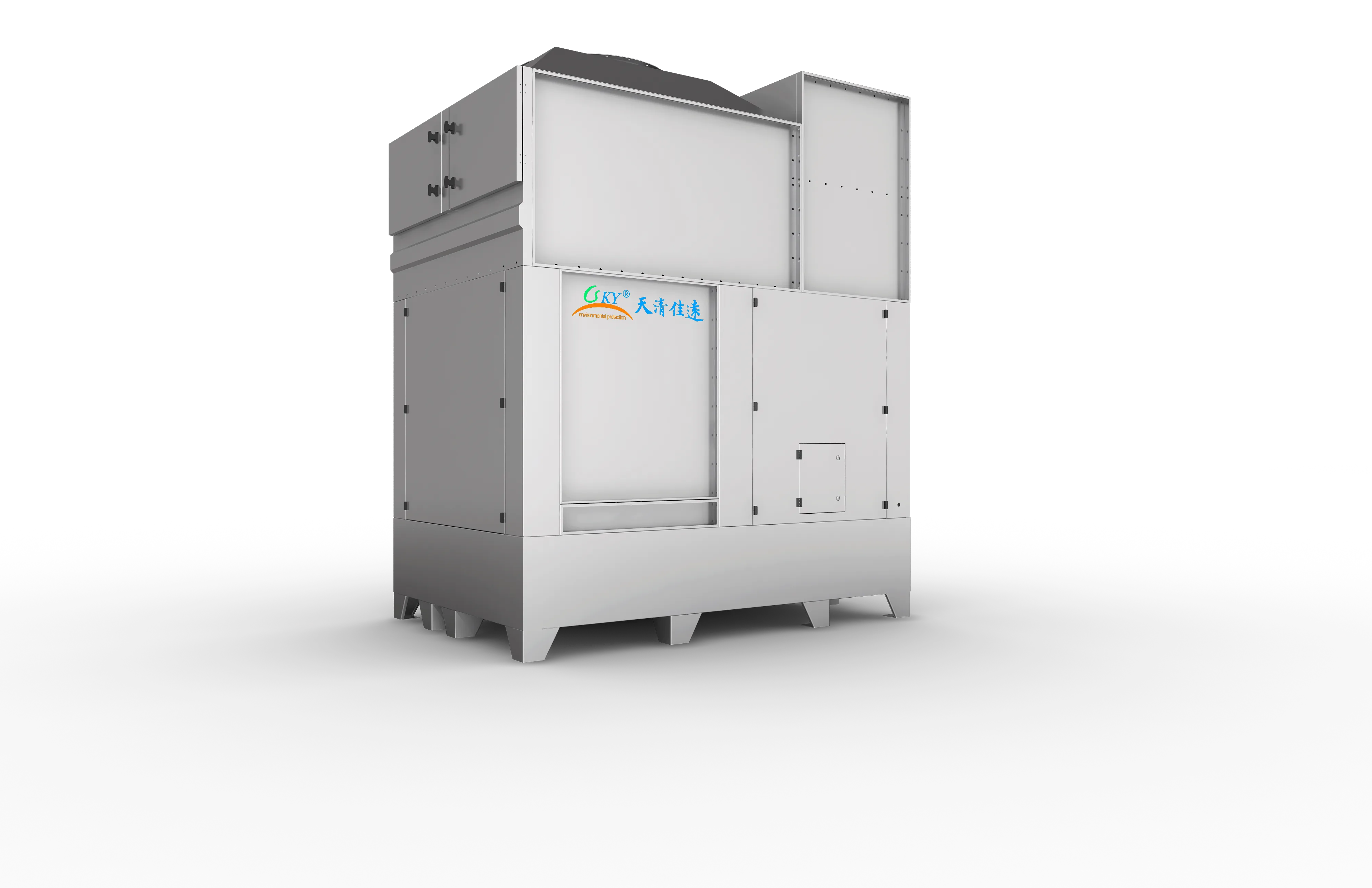
Jet-Mixing Tower
High-energy gas-liquid mixing front-end equipment for flammable, explosive, and dust-heavy pre-treatment.
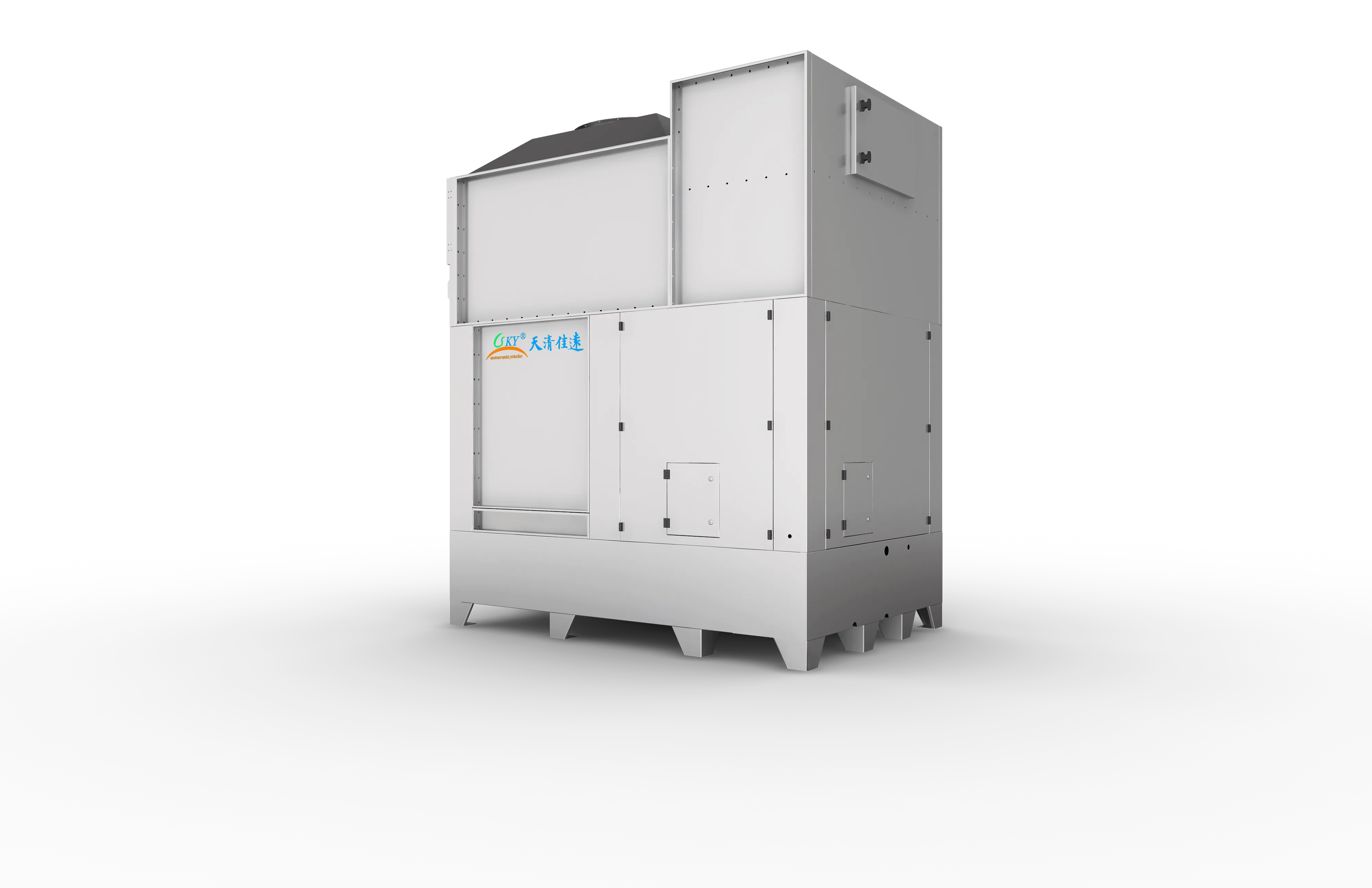
Cyclone Hybrid Tower
Front-end treatment tower specifically engineered for sticky dust, fibrous dust, and heavy polishing particulate.
Custom VOC Abatement for High-Airflow Architectural Coating Facilities
FluxFine provides complete turnkey EPC delivery from diagnostic airflow balancing and multi-stage scrubbers to high-temperature zeolite rotors and regenerative thermal oxidation.