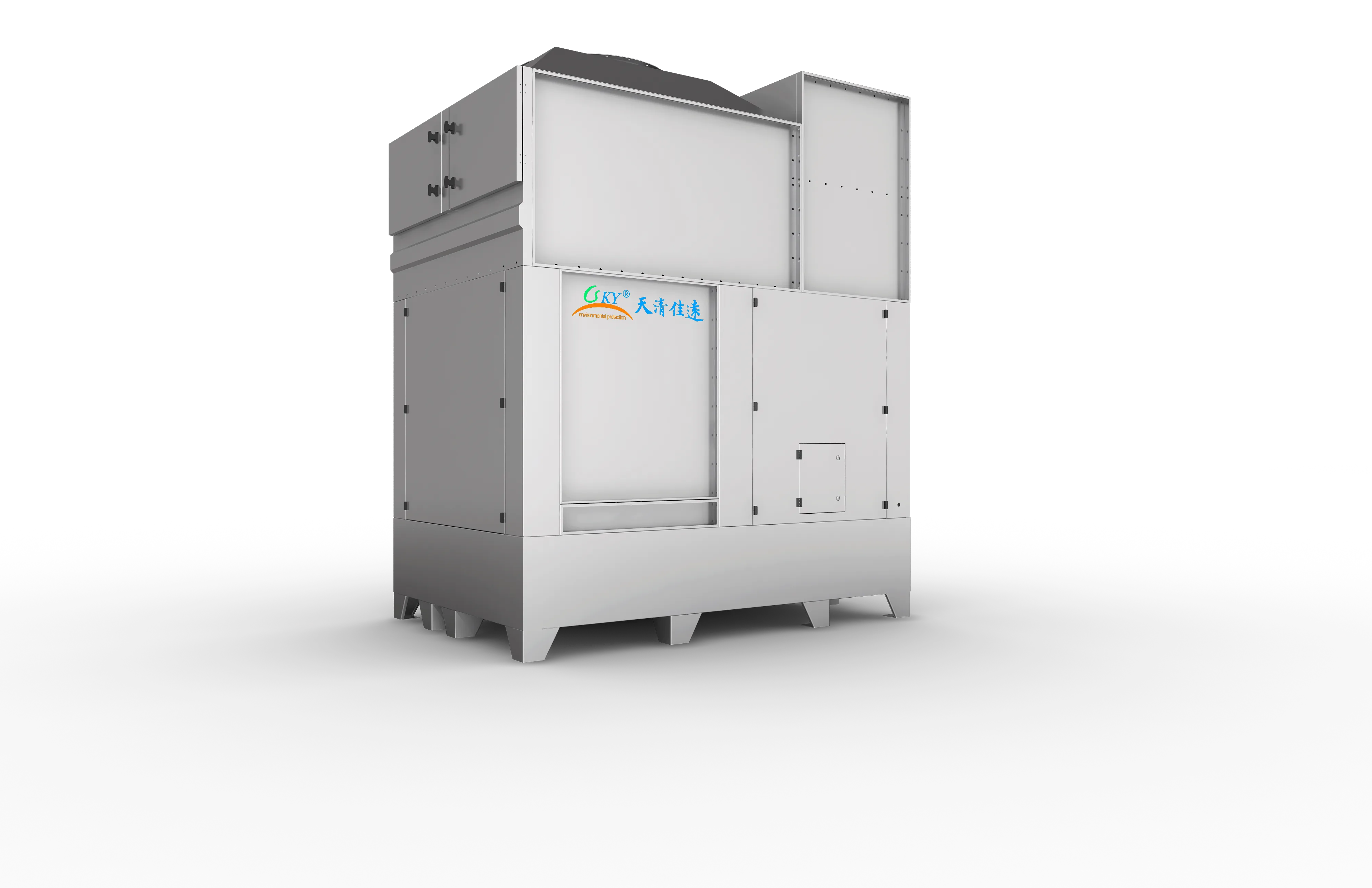
Wet Scrubbing & Mixing Towers
Jet-mixing, cyclone hybrid, and spray towers for pretreatment—acid/alkali gases, sticky dust, and oil mist ahead of oxidation.
Where Wet Scrubbing fits
Wet scrubbing and mixing towers condition exhaust before oxidation or electrostatic stages. They remove acid/alkali gases, sticky dust, and coarse mist that would foul concentrators or oxidizers.
Pretreatment for explosive risk, sticky dust, acid/alkali gases
Pollutant and tower dependent
Selected for chemistry
Often paired with downstream control
How the system works
Gas contacts spray or jet-mixed liquid for absorption and particle capture. Cyclone-hybrid designs add inertial separation for fibrous or sticky dust. Cleaned gas proceeds to zeolite, RTO, CO, or WESP as required.
- 01Gas enters the contact or high-energy mixing zone.
- 02Scrubbing liquid captures particulate or absorbs soluble gas.
- 03Cyclonic or inertial action improves separation where required.
- 04A demister controls droplet carryover before the next stage.
Choose by process conditions
| Configuration | Description | Best fit | Source metric |
|---|---|---|---|
| Jet-Mixing Two-Stage Tower | High-energy gas-liquid mixing followed by separation in a compact two-stage body. | Flammable-risk pretreatment, grinding, polishing, paint mist, and oil-fume particles. | Project-specific |
| Cyclone Hybrid Tower | Cyclonic contact designed for sticky and fibrous dust with straightforward maintenance. | Sticky particulate, textile-like fibers, and high-dust pretreatment. | Project-specific |
| Spray Scrubber | Counter-current spray absorption in PP or stainless construction. | Acid or alkaline exhaust and general gas conditioning. | Project-specific |
Typical pollutants
- Acid and alkaline gases
- Sticky dust
- Fibrous particulate
- Paint mist and coarse oil mist
Engineering features
- Recirculation and dosing options
- Demister stages
- Corrosion-resistant construction
- Access for cleaning
- Integration with WESP, zeolite, RTO, or CO
Selection cautions
- Wastewater, chemical consumption, scaling, freezing, and droplet carryover must be addressed.
- A scrubber does not replace downstream VOC oxidation where dissolved-gas removal is insufficient.
What determines the final treatment train
Technology selection begins with process data. The same technology can require different pretreatment, materials, controls and maintenance provisions from one plant to another.
Information to confirm
- Gas chemistry and required absorption/reaction
- Airflow, inlet temperature, dust and mist loading
- Liquid chemistry, pH/ORP control and make-up water
- Wastewater treatment route and discharge constraints
- Corrosion requirements, footprint and pressure-drop allowance
Typical system scope
- Inlet quench, jet or packed contact stage as required
- Recirculation tank, pump, chemical dosing and instrumentation
- Mist eliminator and duct/fan interface
- Materials selected for temperature and chemistry
- Wastewater, sludge and maintenance access provisions
Selection boundaries
- The treatment liquid is selected from the gas chemistry and operating target.
- pH, ORP, liquid level, pressure drop and pump status are typical monitored points.
- Scrubbers may be pretreatment, primary acid/alkali control or a polishing stage; the role must be defined.
- Do not quote generic efficiency without the gas species, reagent and contact design.
Source basis: VOCs equipment source. Materials, reagent and performance are selected from the gas chemistry.
Products using this technology
Jet Scrubber
A next-generation wet scrubber utilizing jet-ejection fluid dynamics to self-inhale process gases and generate intensive turbulent mixing, delivering acid-gas and dust removal efficiencies of >=95% with zero clogging.
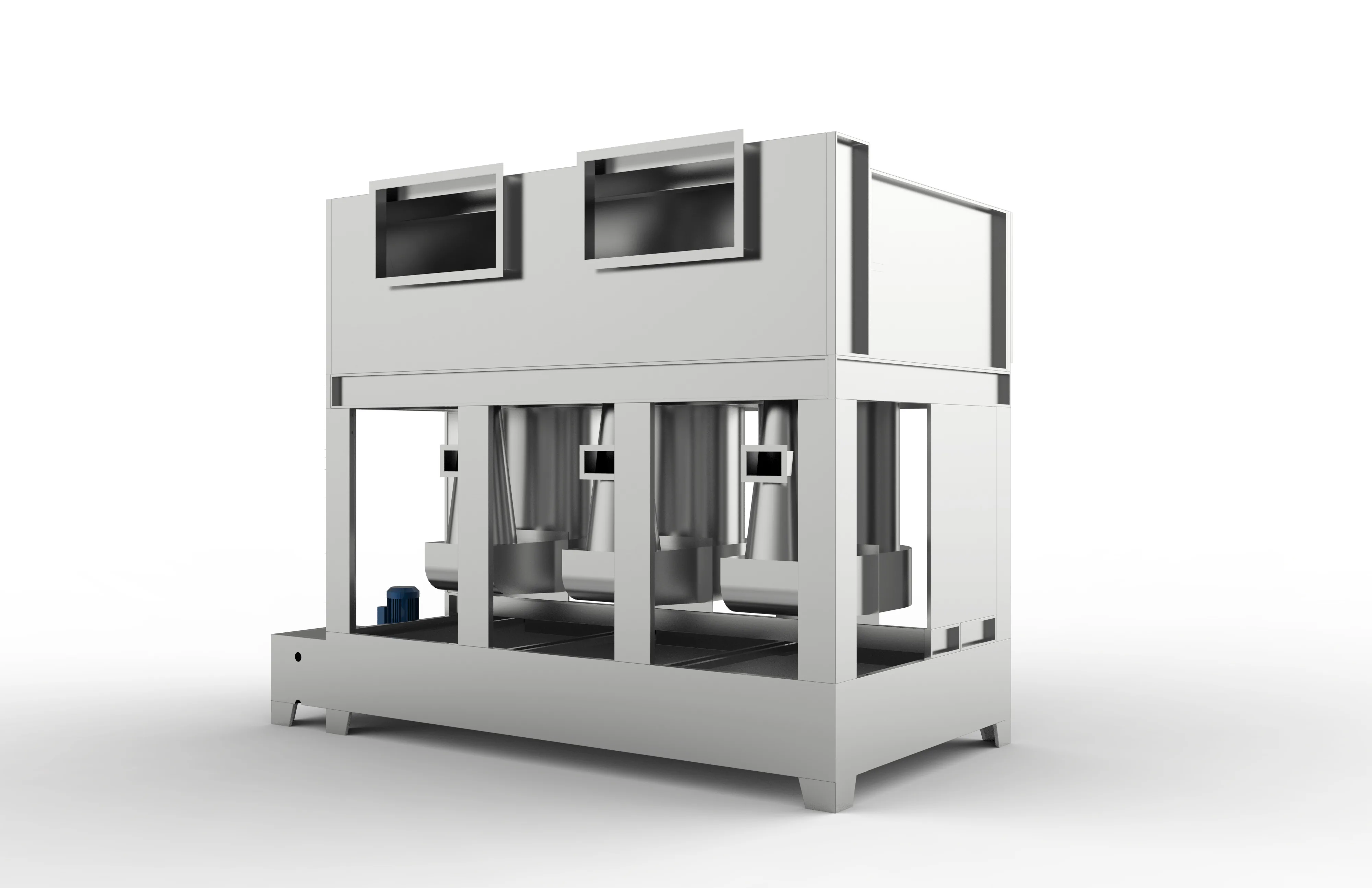
Cyclone Scrubber
An elite wet-cyclonic pre-treatment system designed to capture highly sticky, fibrous, and abrasive dusts from industrial grinding, polishing, and spray painting, delivering dust capture efficiencies of 95%-98.5%.
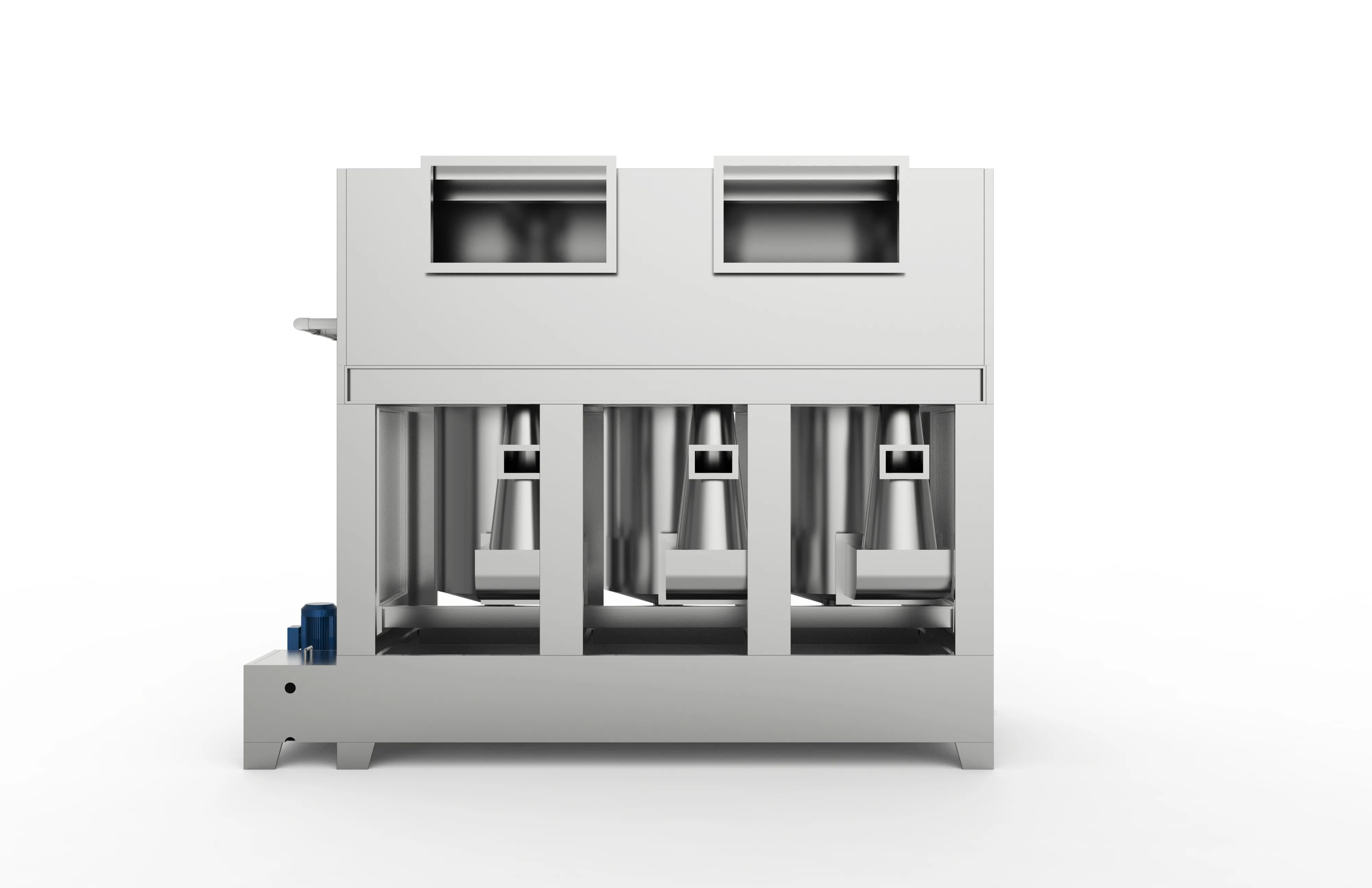
Spray Scrubber
A configurable wet scrubber for soluble gas absorption, cooling, dust conditioning and pretreatment.
304 Stainless Air Duct
High-quality 304 stainless steel welded air ducts with anti-corrosion coatings, sized 80-2000mm.
Jet-Mixing Tower
High-energy gas-liquid mixing front-end equipment for flammable, explosive, and dust-heavy pre-treatment.
Cyclone Hybrid Tower
Front-end treatment tower specifically engineered for sticky dust, fibrous dust, and heavy polishing particulate.
Spray Tower
Custom-built packed spray towers in PP or 304 SS for neutralizing acidic, alkaline, and water-soluble waste gases.
Selection questions
When is a wet scrubber used before VOC treatment?
It can cool or remove acid/alkali gas, soluble contaminants and certain mist/particulate so that the downstream adsorption or oxidation equipment is protected.
What happens to the scrubber liquid?
It is recirculated with controlled make-up and blowdown. The project must define chemical dosing, wastewater treatment and disposal responsibilities.
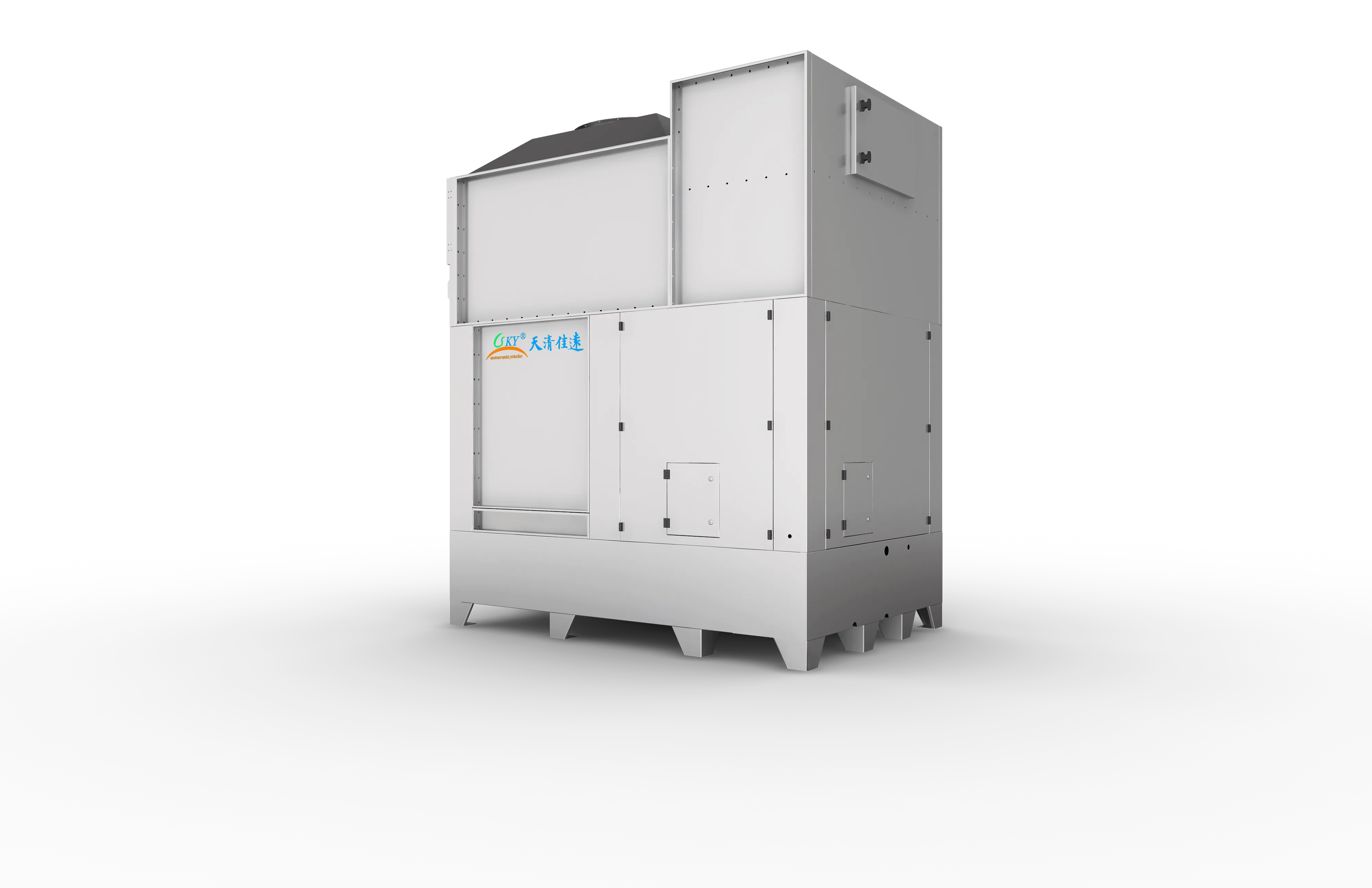
Equipment views
Specify Wet Scrubbing for your plant
Performance depends on actual gas composition, inlet load, temperature and operating schedule. Share process data for a configuration review.