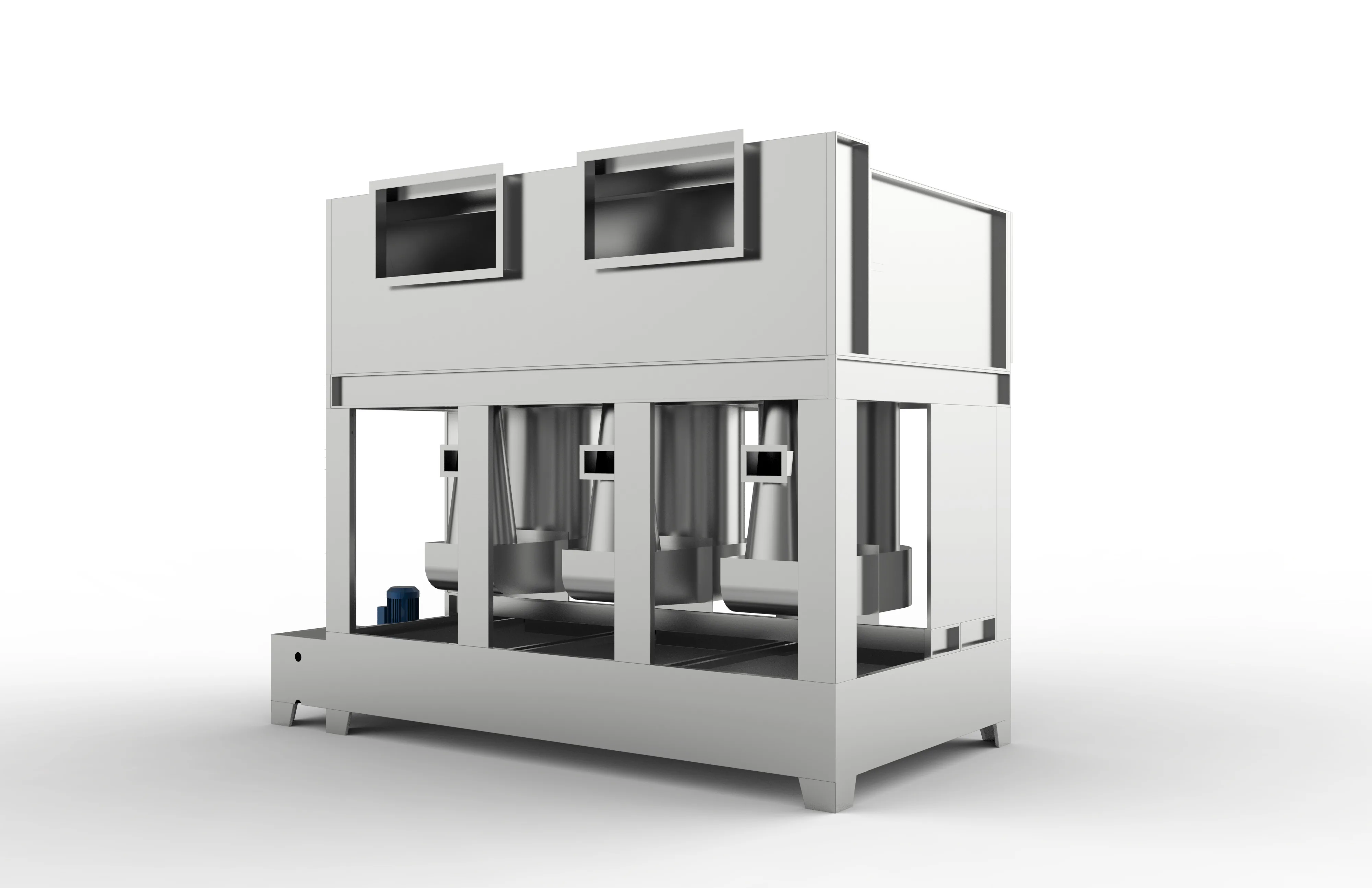
Spray Tower / Scrubber (PP or 304 Stainless Steel)
Custom-built packed spray towers in PP or 304 SS for neutralizing acidic, alkaline, and water-soluble waste gases.
Designed around actual process conditions
A fundamental workhorse in industrial exhaust treatment. These scrubbers are built from corrosion-resistant PP or 304 SS. They effectively neutralize dangerous acidic (like Cl2, HF) or alkaline gases through intensive liquid-gas contact over packing media.
Wet Scrubber / Acid/Alkaline Scrubber
Maximizes gas-liquid contact
For highly soluble gases
Requires proper packing design
Operating references and configuration choices
These reference values and modules clarify the scope we evaluate. They are not a substitute for a process-data review or final proposal.
| Engineering reference | Value | How to read it |
|---|---|---|
| Application scope | Acid, alkaline and water-soluble gas absorption | A selection reference only; final capacity and materials follow the project design basis. |
| Configuration | Project-specific | Confirmed from process data, site constraints and the required treatment objective. |
| Performance basis | Process-dependent | No generic removal, safety or compliance promise is made without the stated pollutant and operating conditions. |
Typical modules considered
- Counter-current packed/spray contact zone
- Chemical dosing, recirculation and monitoring provisions
- Demisting and outlet duct interface
- Blowdown and wastewater-treatment connection
Project-specific selection notes
- Select PP, stainless steel or another material from actual gas chemistry and temperature.
- Set dosing/control approach around the pollutant reaction and liquid-management plan.
- Review wastewater and waste-salt responsibilities before final scope approval.
How to use this product information
This packed spray-tower configuration is chosen for suitable soluble gases and wet pretreatment. Its performance cannot be generalized to insoluble or mixed VOC streams.
- The bilingual product information provides the base description for PP/304 spray-tower construction and acid/alkaline absorption applications.
- The published description is a selection starting point. Process data, utilities, materials, safety requirements and acceptance criteria remain subject to engineering review.
What we review before specifying Spray Tower
A product name is a starting point, not a final design. These inputs define pretreatment, materials, controls, equipment size and scope boundaries.
Project data to provide
- Gas chemistry and required absorption/reaction
- Airflow, inlet temperature, dust and mist loading
- Liquid chemistry, pH/ORP control and make-up water
- Wastewater treatment route and discharge constraints
- Corrosion requirements, footprint and pressure-drop allowance
Typical engineered scope
- Inlet quench, jet or packed contact stage as required
- Recirculation tank, pump, chemical dosing and instrumentation
- Mist eliminator and duct/fan interface
- Materials selected for temperature and chemistry
- Wastewater, sludge and maintenance access provisions
Safety and controls
- The treatment liquid is selected from the gas chemistry and operating target.
- pH, ORP, liquid level, pressure drop and pump status are typical monitored points.
- Scrubbers may be pretreatment, primary acid/alkali control or a polishing stage; the role must be defined.
- Do not quote generic efficiency without the gas species, reagent and contact design.
How it works
Waste gas flows upward while a neutralizing chemical liquid is sprayed downward over high-surface-area packing. The counter-flow design ensures maximum contact, neutralizing the gas via chemical reaction.
- 01Gas enters bottom of tower
- 02Flows up through wetted packing
- 03Counter-current chemical spray neutralizes gas
- 04Demister removes droplets before stack
- Acidic exhaust (HCl, HF, H2SO4)
- Alkaline exhaust (NH3)
- Water-soluble solvents
- Pre-treatment for RTO/CO
- Requires precise pH monitoring and chemical dosing.
- Wastewater blowdown must be treated before discharge.
Typical pollutants
- Acid gases
- Alkaline gases
- Water-soluble VOCs
- Coarse dust
Engineering features
- High-efficiency packing media
- Corrosion-resistant PP or SS
- Integrated demister
- Reliable spray nozzle design
Available options
- Automated pH dosing
- ORP monitoring
- Dual-stage towers for complex gases
Relevant industries
Chemical Industry
Resins, coatings, waterproofing, and specialty chemicals.
Pharmaceutical & Medical
Solvent exhaust from synthesis, coating, and finishing.
Electronics, PCB & Semiconductors
PCB, semiconductor, motor, and appliance process exhaust.
Coating & Surface Finishing
Industrial paint, UV coating, adhesive, metal finishing and multi-booth surface processes.
New Materials & New Energy
Battery materials, functional films, composites and advanced material production.
General technology selection
These answers explain the selection path. Final performance, safety scope and dimensions follow the approved project design.
When is a wet scrubber used before VOC treatment?
It can cool or remove acid/alkali gas, soluble contaminants and certain mist/particulate so that the downstream adsorption or oxidation equipment is protected.
What happens to the scrubber liquid?
It is recirculated with controlled make-up and blowdown. The project must define chemical dosing, wastewater treatment and disposal responsibilities.
Source basis: VOCs equipment source. Materials, reagent and performance are selected from the gas chemistry.
Specific product Q&A
What is the purpose of the packing media in a spray tower?
The random packing media (such as Pall rings or Tri-packs) creates a large, complex internal surface area. As the scrubbing liquid sprays down from the top, it coats the packing, creating a thin, continuous liquid film. The exhaust gas flows upward through this wetted maze. This vastly increases the contact time and surface area between the gas and the liquid, maximizing the absorption efficiency for highly soluble compounds.
Can a packed bed tower handle heavy dust loads?
No. Packed bed scrubbers are designed purely for gas-phase absorption. If the exhaust contains heavy particulate, sticky aerosols, or biological matter, it will rapidly coat and plug the intricate voids within the packing media. This causes 'channeling' (where gas bypasses the liquid), skyrockets the pressure drop, and ultimately requires the system to be shut down to manually dig out and replace the fouled packing.
How is 'channeling' prevented in a large packed tower?
Channeling occurs when the scrubbing liquid flows unevenly down the walls rather than through the center of the packing, leaving dry spots where gas escapes untreated. FluxFine prevents this by utilizing precision-engineered liquid distributors at the top of the tower, and incorporating specialized wall-wiper rings and redistribution trays at calculated intervals to constantly force the liquid back into the active center of the packed bed.
Proven Spray Tower installations
Review documented treatment trains featuring Spray Tower technology across various industrial processes.
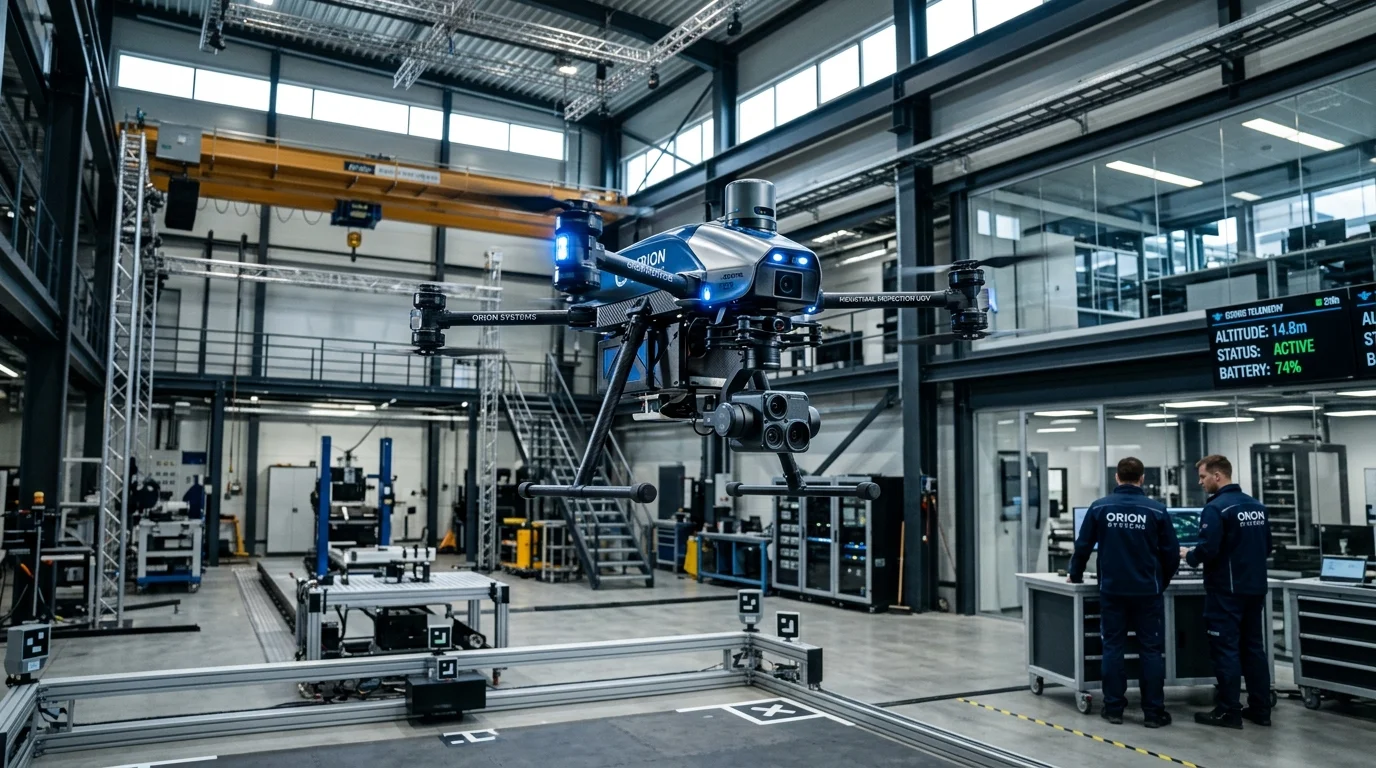
15,000 m³/h (8,830 CFM) · UAV aging, drone spray testing & battery/pesticide soaking
15,000 m³/h VOC & Odor Abatement System for DJI Innovation Drone Testing Facility
PP Wet Chemical Scrubber + G4/F5 Dry Filter + Dual-Stage SUS304 GAC Adsorbers
Read project reference →
700,000 m³/h (412,000 CFM) across 14 trains · Automated lithium-ion polymer battery pack assembly, adhesive dispensing & ultrasonic sealing
700,000 m³/h Multi-Train VOCs & Fluoride Treatment System for NVT Technology Lithium Battery Plants
14-Train PP Alkali Scrubbing (5% NaOH) + Two-Stage Demisting + Cyclic Honeycomb Carbon Adsorption + Catalytic Oxidation (CO, 25:1 Ratio)
Read project reference →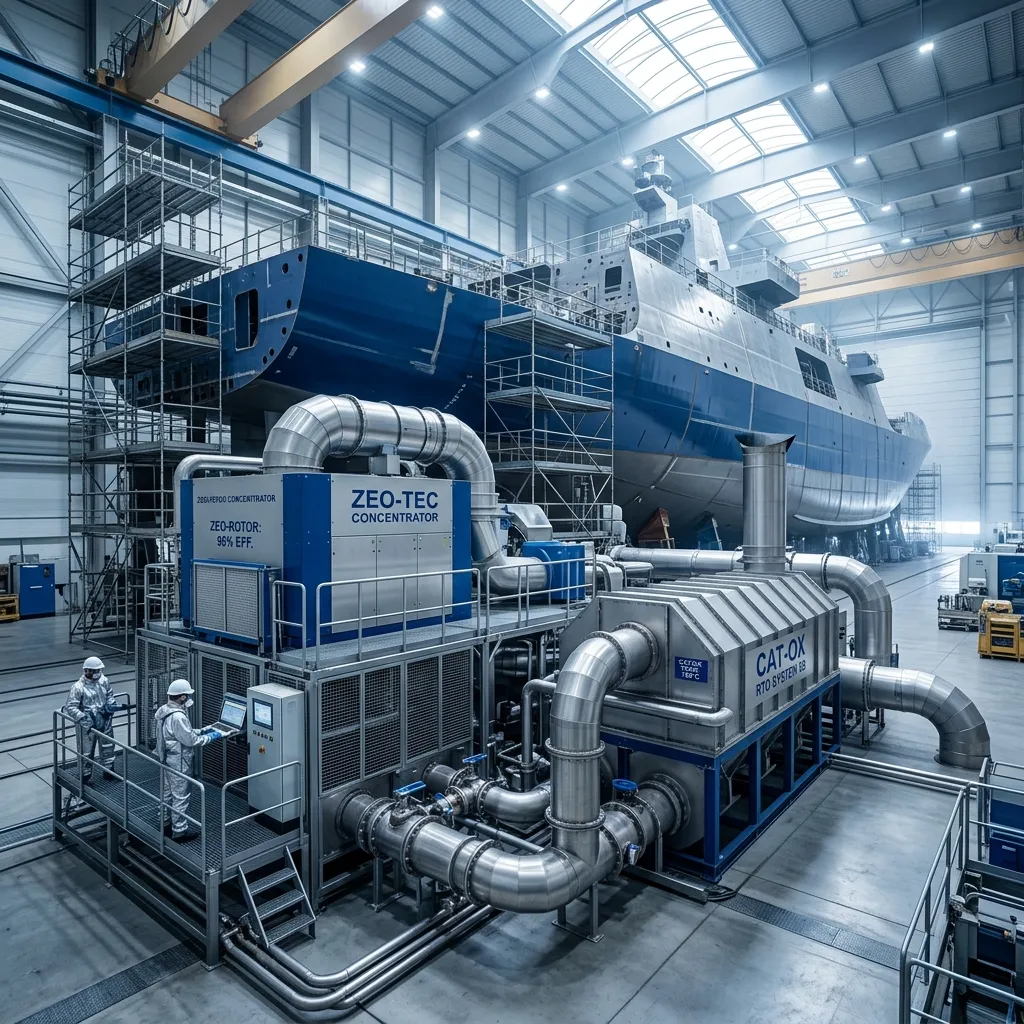
35,000 m³/h (20,600 CFM) · Shipbuilding (Painting & Curing Processes)
High-Efficiency VOC Abatement for Shipbuilding Paint Facilities
Multi-stage Dry Filtration + Cylindrical Zeolite Concentrator + Catalytic Oxidation (CO)
Read project reference →Configure Spray Tower for your plant
Share measured process data so the engineering team can confirm suitability, pretreatment, equipment size and scope boundaries.
Source basis: Extracted from bilingual catalog for SEO. Published values are selection references, not a project guarantee.