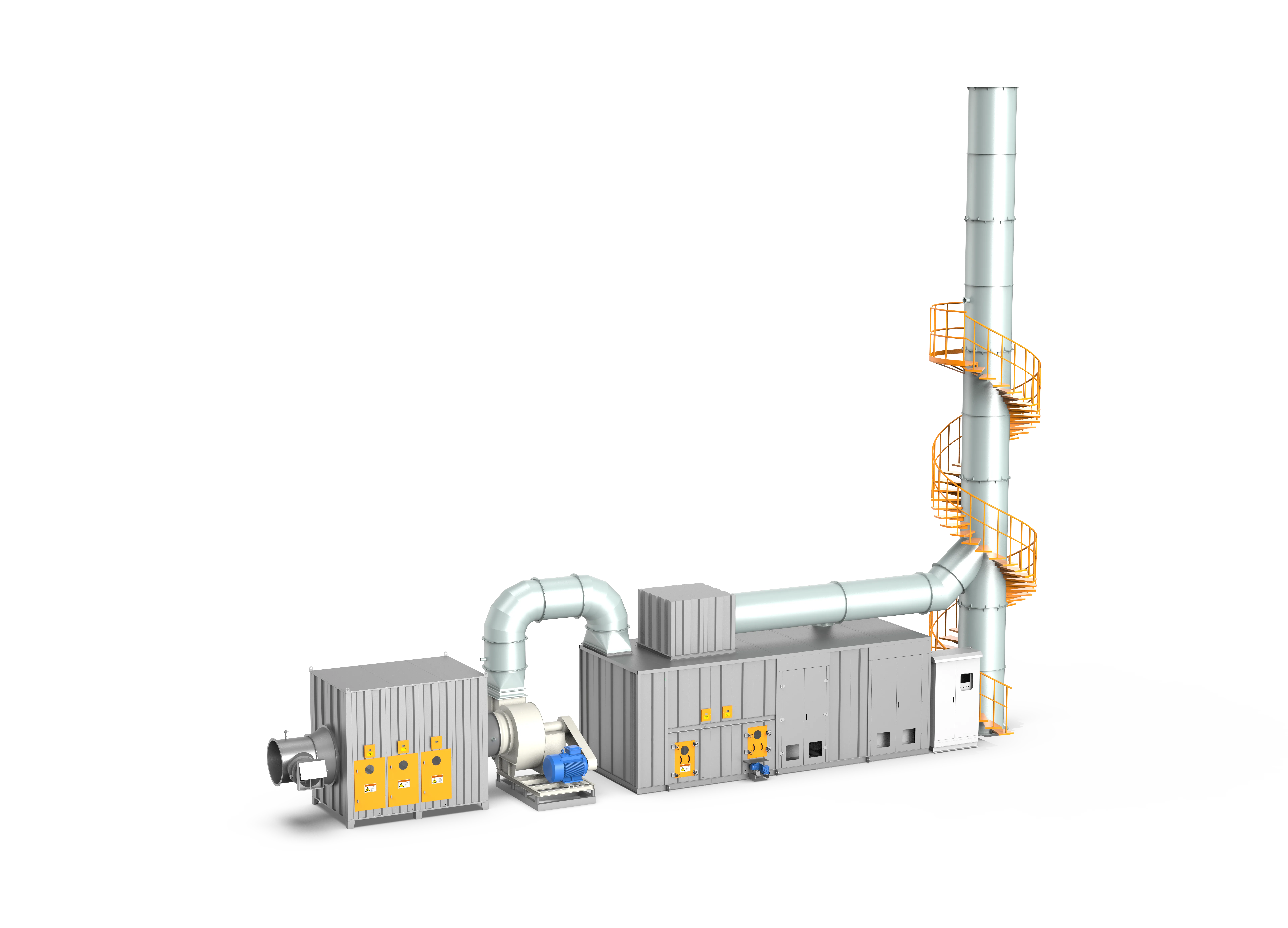
Catalytic Oxidizer (CO)
Catalytic oxidation systems—standalone or paired with zeolite/carbon concentration—for efficient abatement at lower operating temperatures.
Where Catalytic Oxidizer fits
Catalytic oxidizers destroy VOCs over a catalyst bed at lower temperatures than thermal-only systems. FluxFine supplies standalone CO units and integrated packages with zeolite or activated-carbon concentration for compact plant footprints.
Low-to-medium concentration streams; space-constrained plants
Catalog reference; project-specific
Catalog application range
Integrated-unit reference
How the system works
Preheat brings the stream to catalyst light-off temperature. Organics oxidize across the catalyst bed; heat exchangers recover energy to sustain the reaction. Upstream concentration keeps the oxidizer small when process airflow is large.
- 01Pretreat incompatible mist and particulate.
- 02Adsorb and concentrate dilute VOCs where required.
- 03Preheat the concentrated stream to catalyst light-off.
- 04Oxidize organics across the catalyst and recover useful heat.
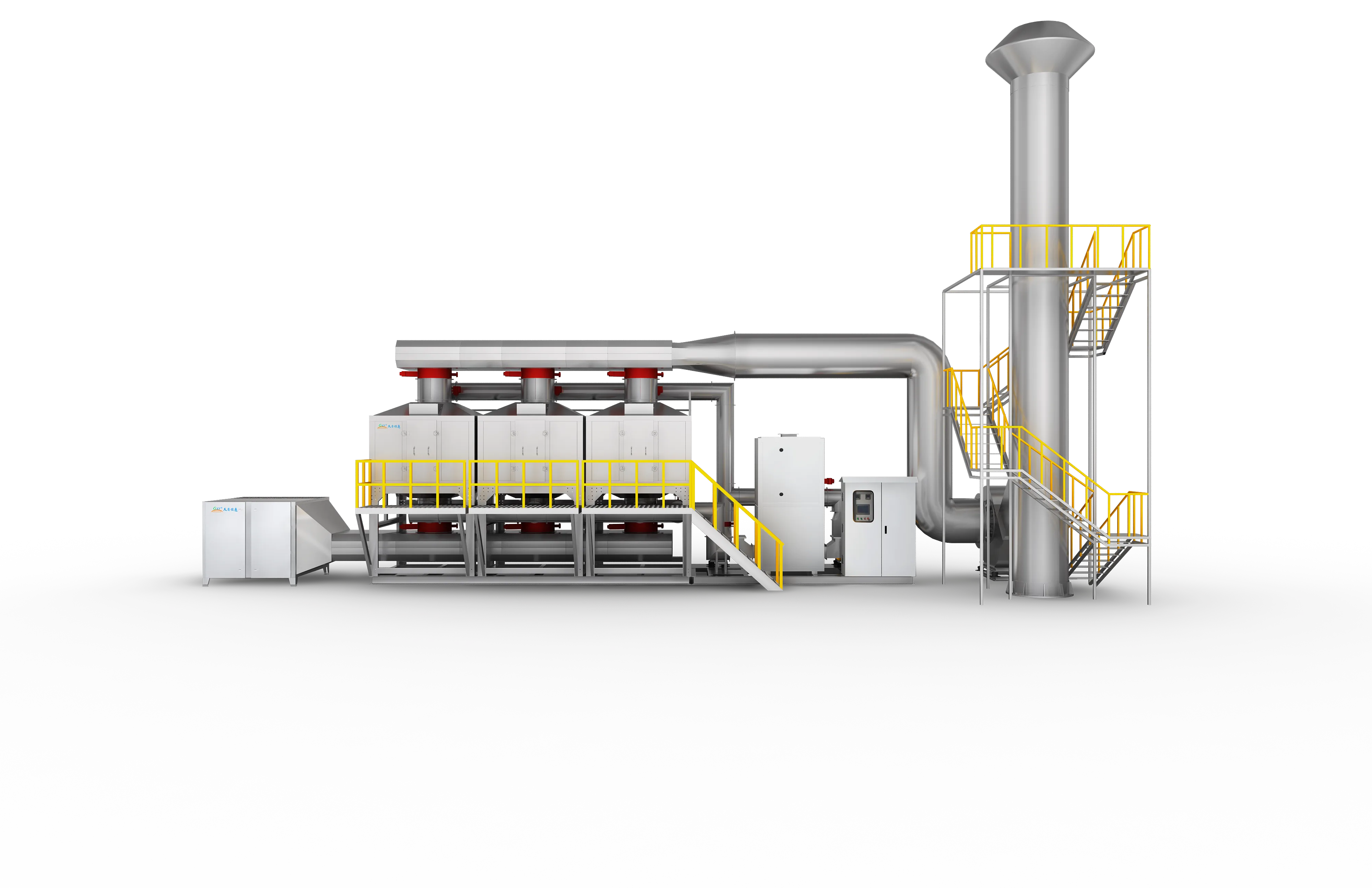
Choose by process conditions
| Configuration | Description | Best fit | Source metric |
|---|---|---|---|
| Zeolite Rotor + CO | Continuous zeolite concentration paired with a compact catalytic oxidizer. | Large airflow, low concentration coating and printing exhaust. | Catalog reference: >=90% purification |
| Activated Carbon + CO | Swing-bed carbon adsorption and hot-air desorption feeding catalytic oxidation. | Intermittent medium-to-low concentration VOC duty. | Catalog reference: >=80% purification |
| Low-Airflow Molecular Adsorption Package | Compact adsorption-catalytic unit for laboratories and smaller production lines. | Low airflow, stable compatible solvents, and limited floor area. | Project-specific |
| RCO | Regenerative catalytic oxidation combines ceramic heat storage with lower-temperature catalytic reaction. | Compatible VOC streams where energy efficiency and stable continuous operation are priorities. | Catalog reference: >=95% purification |
Typical pollutants
- Toluene and xylene
- Ethyl and butyl acetates
- Alcohols
- MEK, MIBK, and compatible ketones
Engineering features
- Catalyst temperature monitoring
- Preheat and heat-exchange control
- Adsorption-bed switching logic
- Automatic alarms and bypass logic
- Integrated export-skid options
Selection cautions
- Catalyst poisons, dust, sulfur, silicon, halogens, and heavy metals require review.
- High-boiling and easily polymerized compounds should be treated cautiously.
- Catalyst selection and replacement interval are process-specific.
What determines the final treatment train
Technology selection begins with process data. The same technology can require different pretreatment, materials, controls and maintenance provisions from one plant to another.
Information to confirm
- VOC species and catalyst-compatibility screening
- Airflow, concentration profile and desired operating cycle
- Sulfur, chlorine, silicon, phosphorus, heavy-metal and aerosol content
- Pretreatment condition and available utilities
- Required emission limit and installation footprint
Typical system scope
- Filtration and conditioning matched to catalyst protection
- Catalyst reactor, heater and heat-exchanger configuration
- Optional zeolite or carbon adsorption/concentration stage
- Temperature, pressure and fan controls with safety permissives
- Access for catalyst inspection and planned maintenance
Selection boundaries
- Catalyst poison screening is a prerequisite, not an optional upgrade.
- Dust, oil and sticky aerosol must be controlled upstream to protect adsorption media and catalyst surfaces.
- Temperature management and interlocks are configured for the selected catalyst and fuel/heat source.
- No public page should promise a fixed removal rate without the actual gas composition and design basis.
Source basis: VOCs equipment source. Catalyst performance and service interval depend on gas chemistry and pretreatment.
Products using this technology
Zeolite Rotor + CO
A modular, highly compact VOC abatement system integrating zeolite molecular sieve concentration with low-temperature catalytic oxidation (CO) at 250-350°C, delivering energy savings of up to 20%+ and zero fire risk for small-to-medium airflow setups.
Carbon + CO
An exceptionally economical VOC abatement package integrating multi-bed activated carbon adsorption with hot-air thermal regeneration and low-temperature catalytic oxidation (CO) for small-scale, intermittent emissions.
RCO
Ceramic heat regeneration combined with catalytic oxidation for compatible VOC streams requiring continuous, energy-conscious treatment.
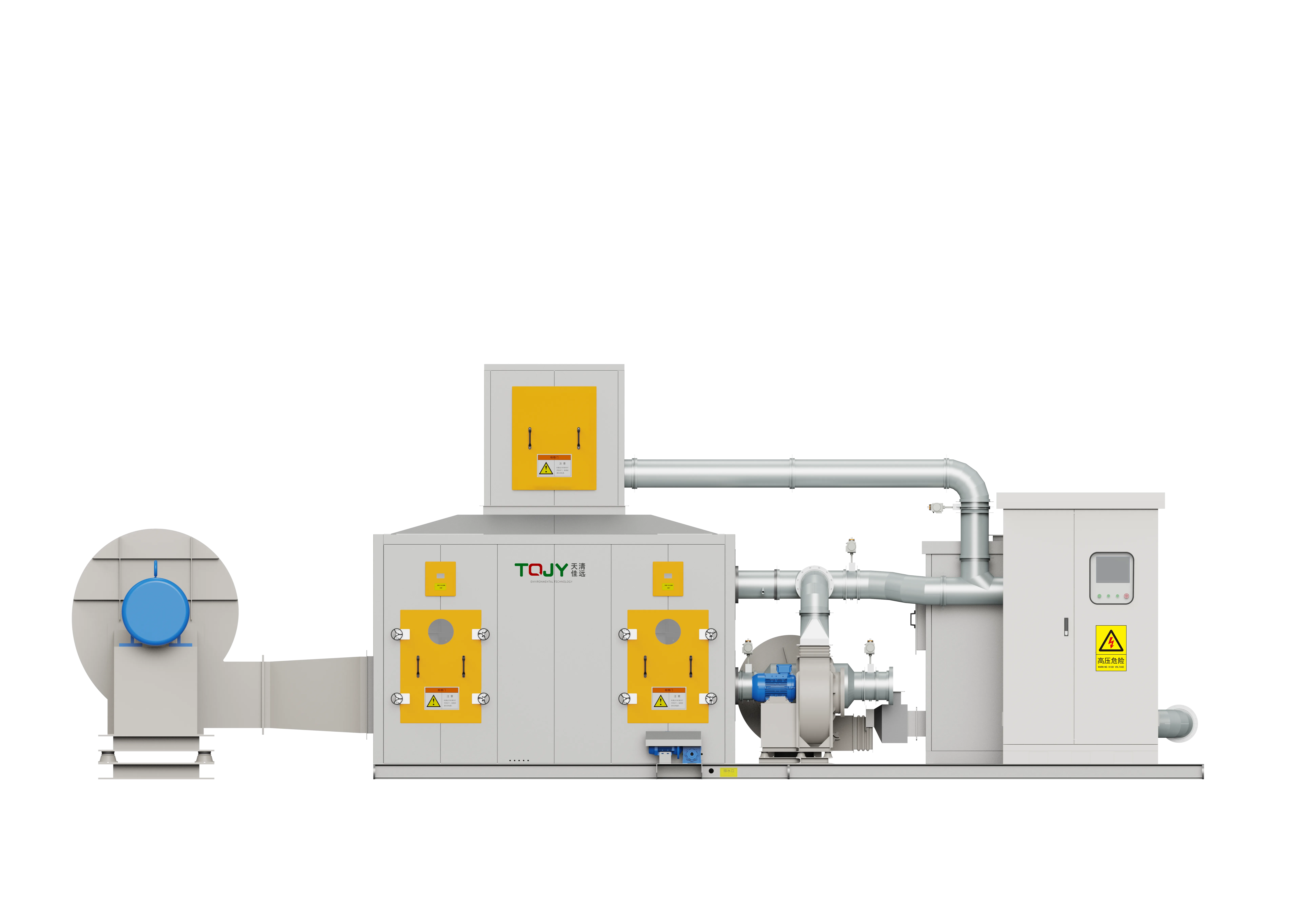
Compact Adsorption + CO
A compact adsorption-catalytic package for laboratories and smaller production lines with low-concentration VOC exhaust.
Low-Volume Zeolite + CO
Compact molecular adsorption-catalytic integrated unit designed for low-concentration, low-volume VOC sources.
Selection questions
Why choose catalytic oxidation?
Catalytic oxidation can operate at a lower reaction temperature than thermal-only oxidation for compatible, clean VOC streams. It is commonly considered where compact layout or lower-temperature operation is valuable.
What can damage a catalyst?
Sulfur, chlorine, silicon, heavy metals, dust, oil and some reactive compounds can reduce catalyst activity. The process chemistry and upstream controls must be reviewed first.
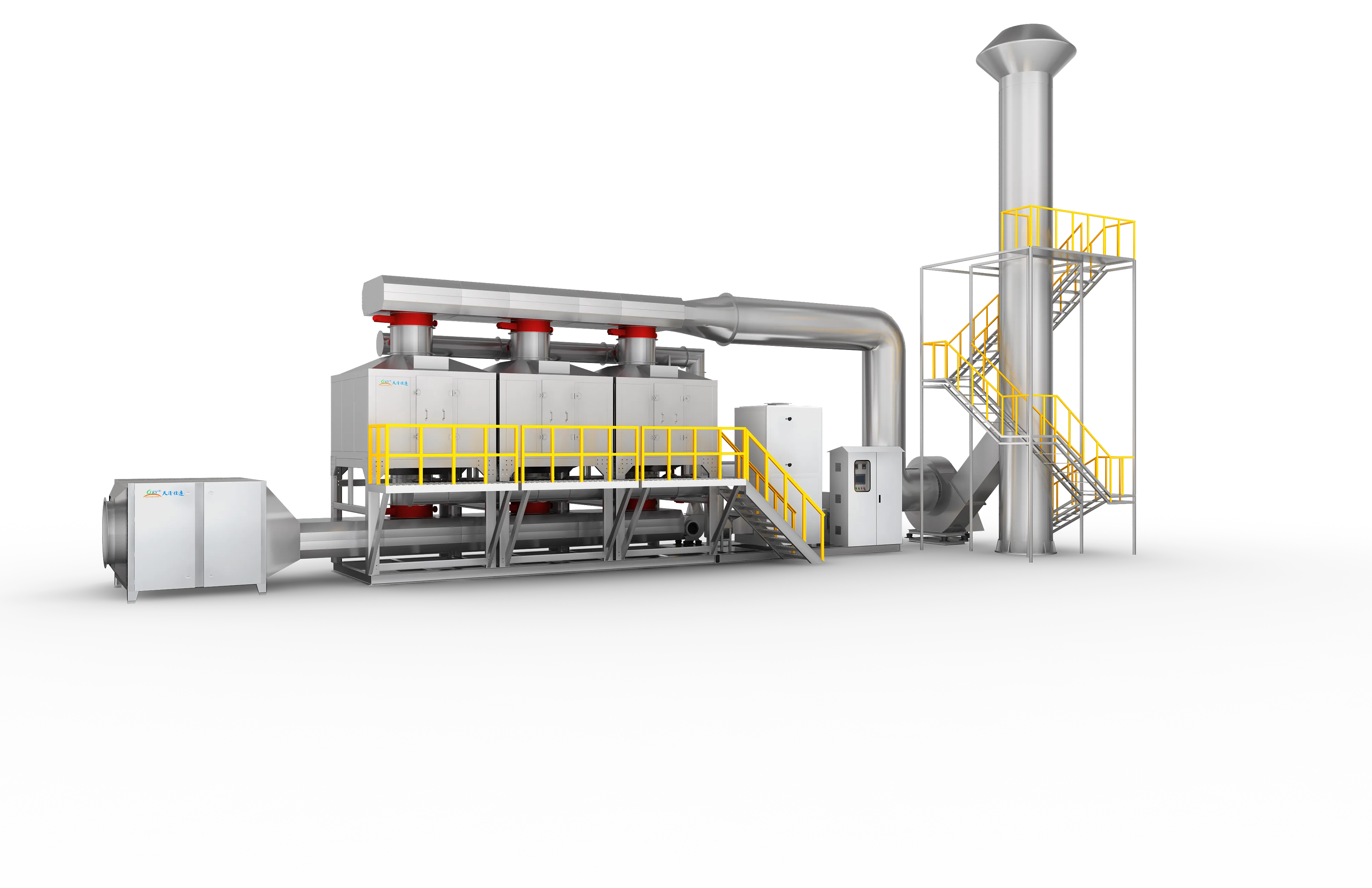
Equipment views
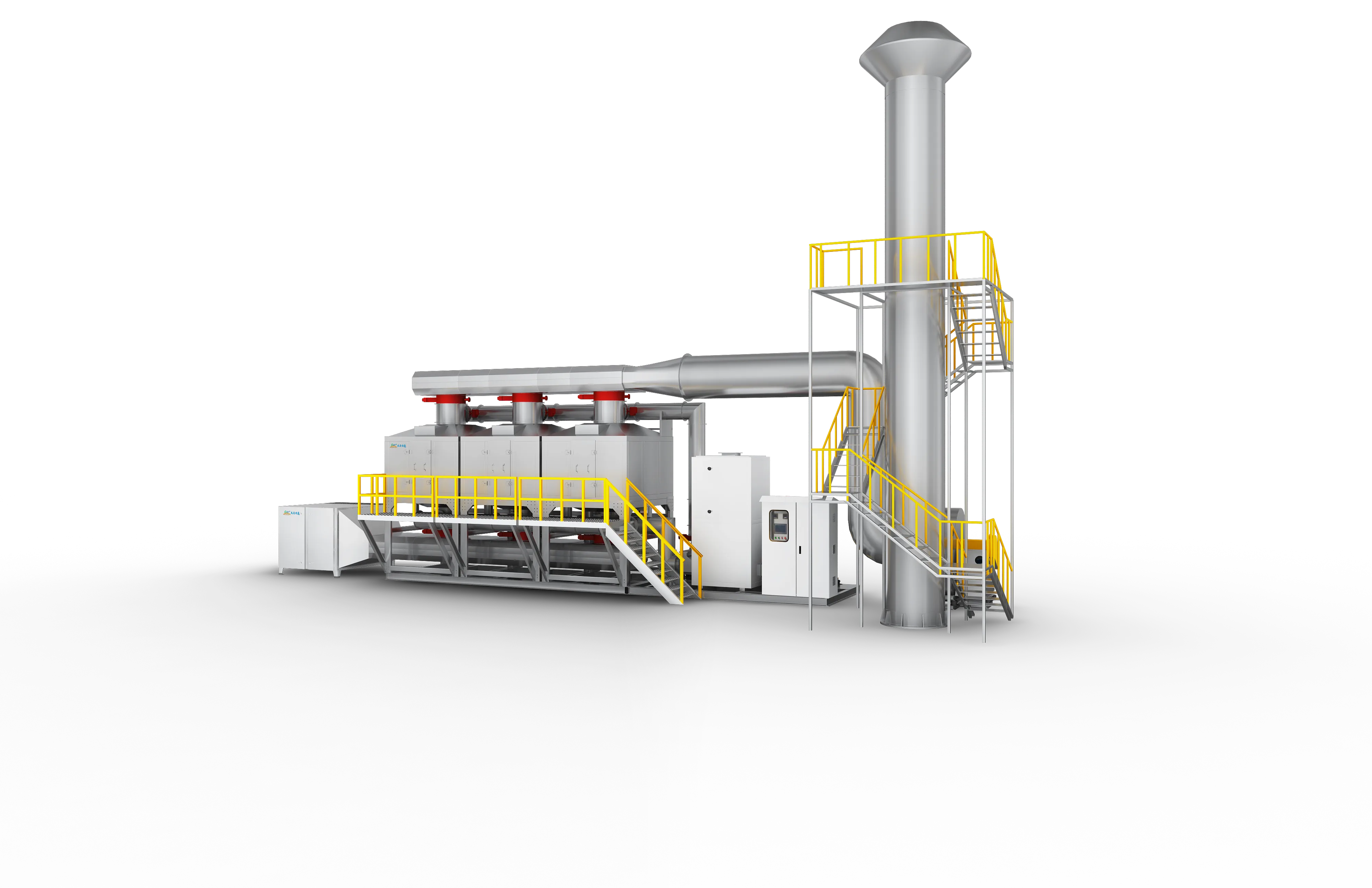
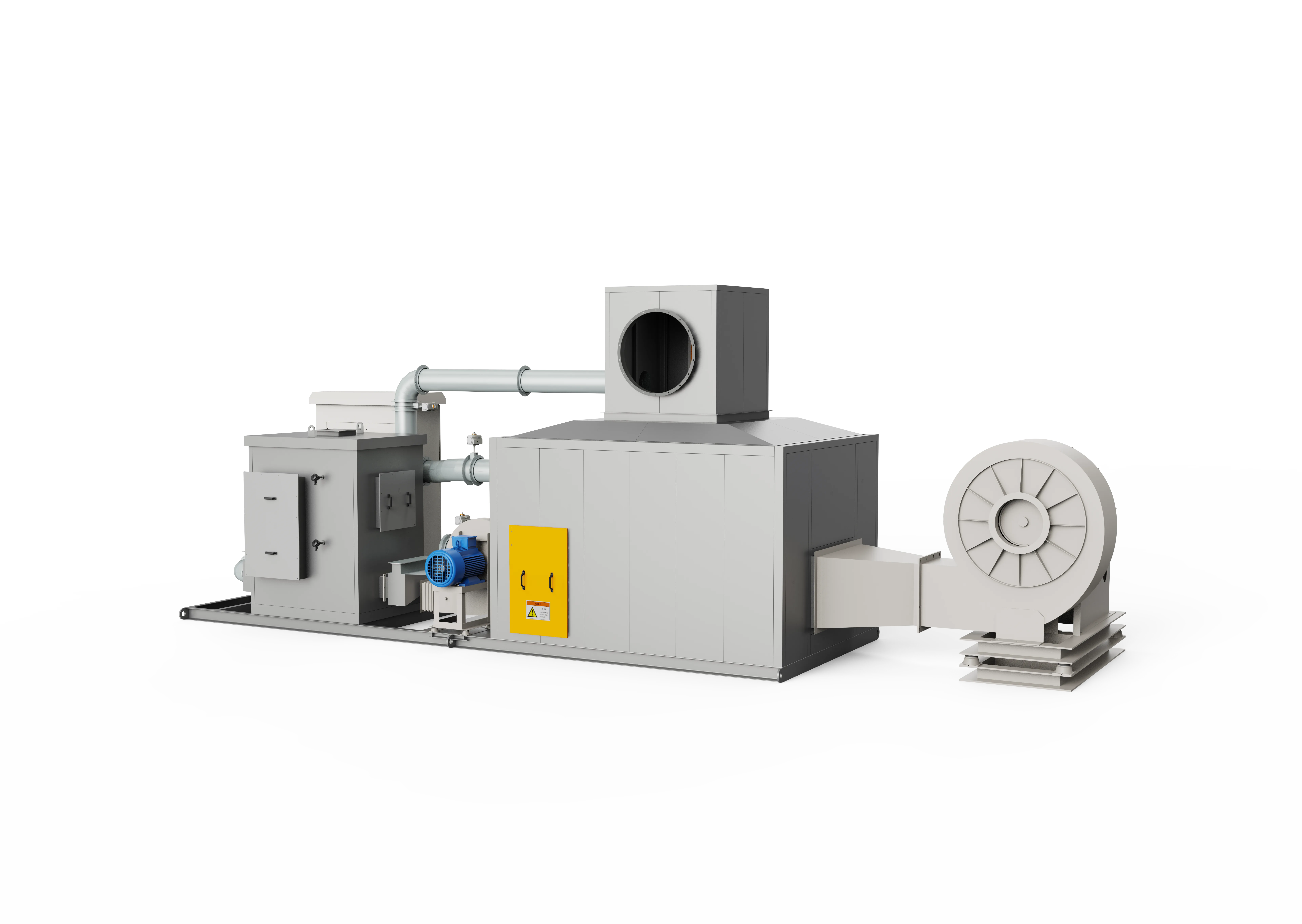
Specify Catalytic Oxidizer for your plant
Performance depends on actual gas composition, inlet load, temperature and operating schedule. Share process data for a configuration review.