01 · VOCs · high airflow / low concentration
Concentrate before oxidation
For large coating, printing and electronics exhaust volumes, evaluate pretreatment, zeolite concentration and a downstream RTO or catalytic oxidizer as one treatment train.
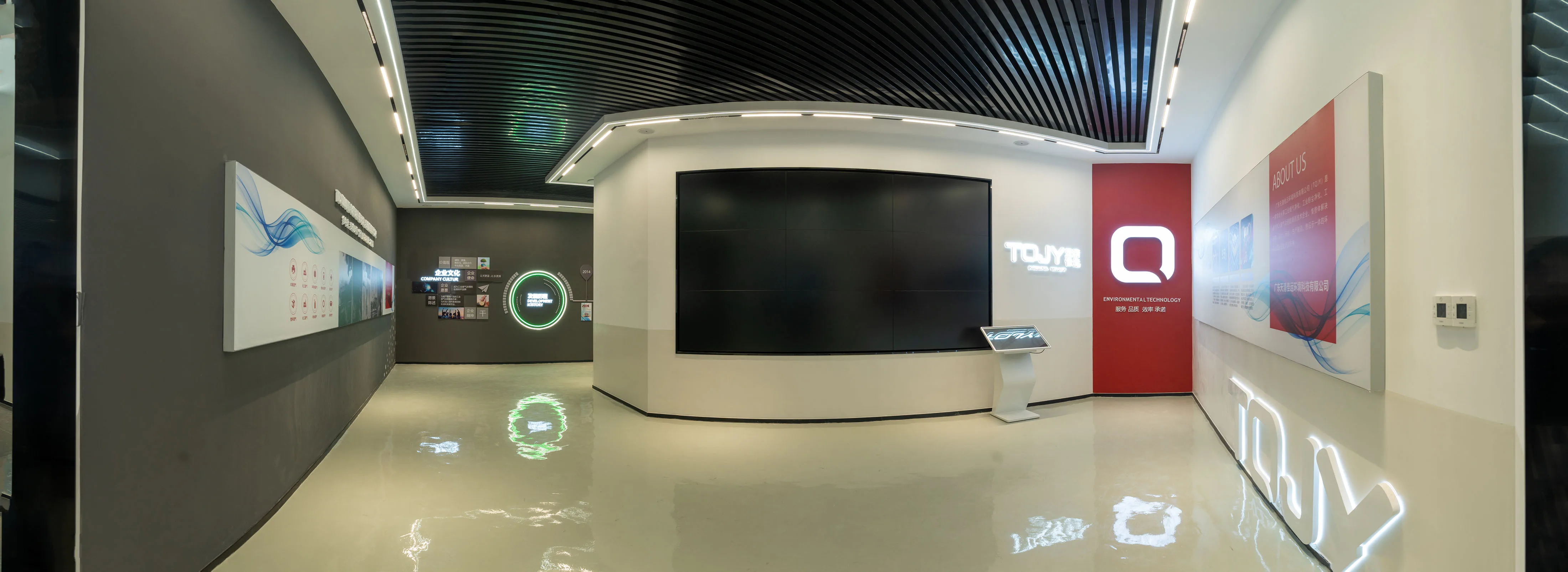
VOCs, dust, oil-mist and odor treatment equipment engineered and manufactured for process-specific industrial duty.
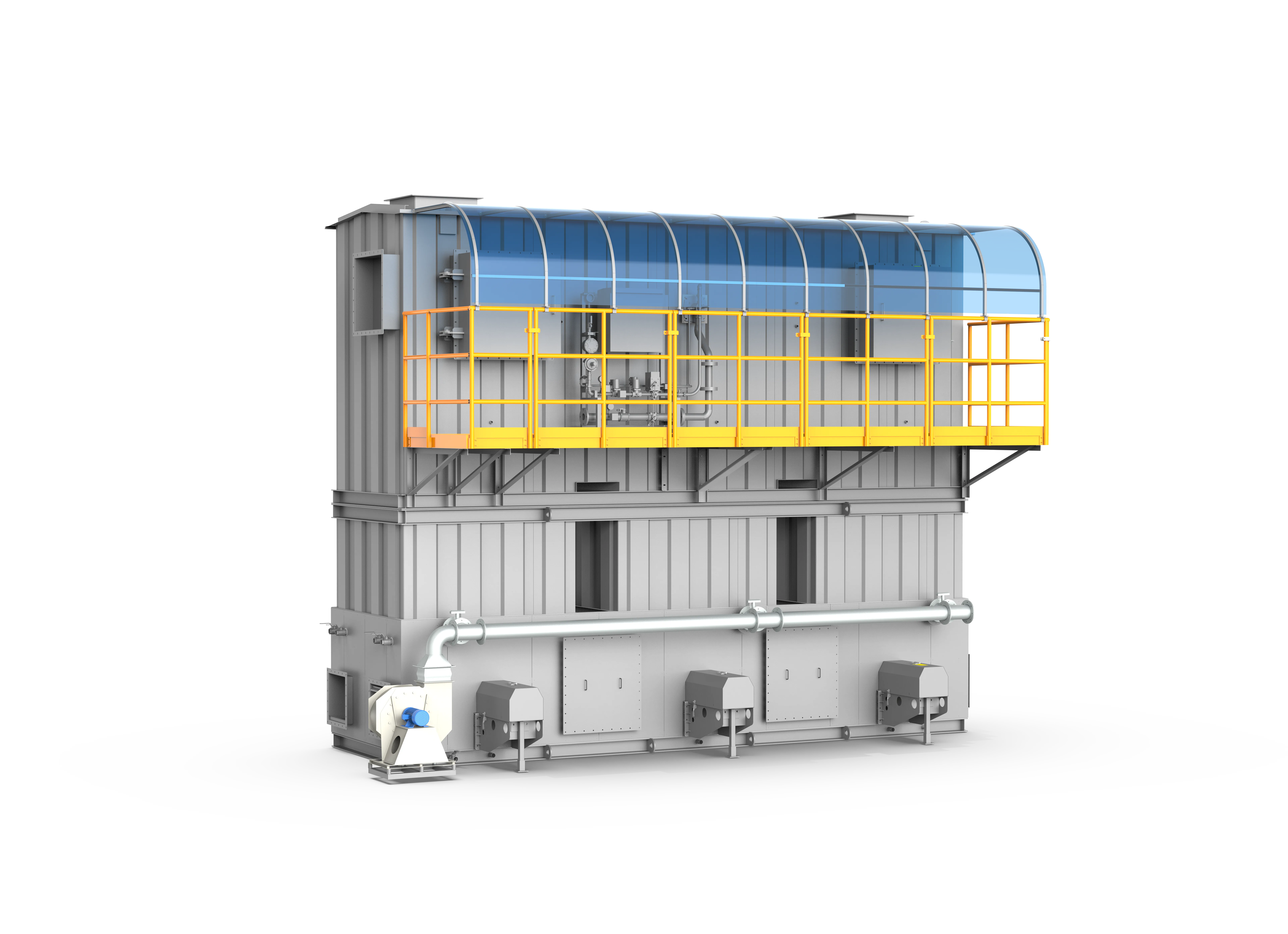
A premier-grade industrial VOC thermal abatement system that achieves >=99% VOC destruction efficiency and >=95% thermal energy recovery through a classic three-bed alternating heat-exchange and purge process.
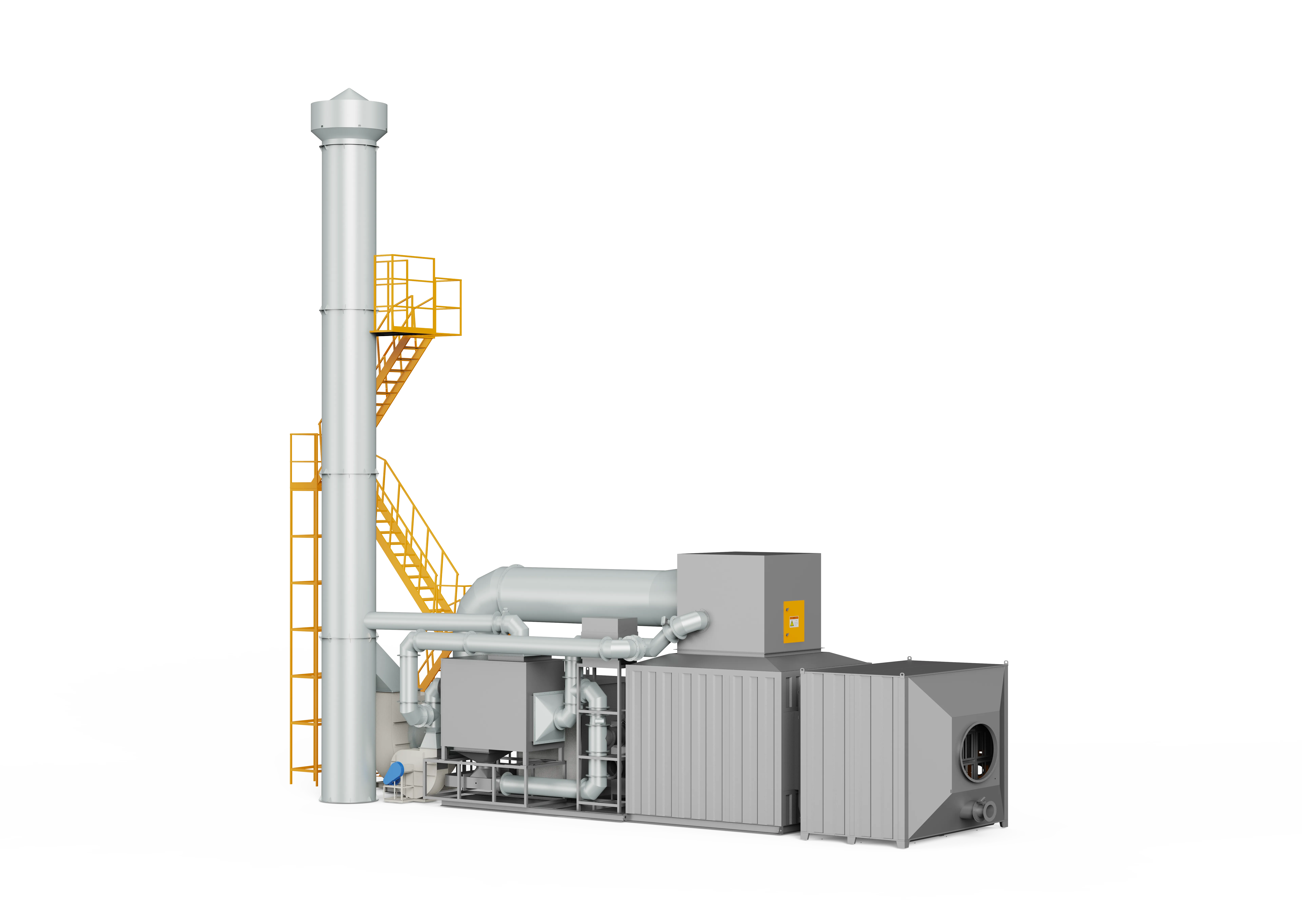
A high-efficiency VOC pre-treatment and concentration system utilizing advanced hydrophobic zeolite molecular sieves to continuously adsorb, desorb, and enrich large-airflow, low-concentration organic exhaust gases, reducing downstream thermal destruction energy consumption by 40% to over 50%.
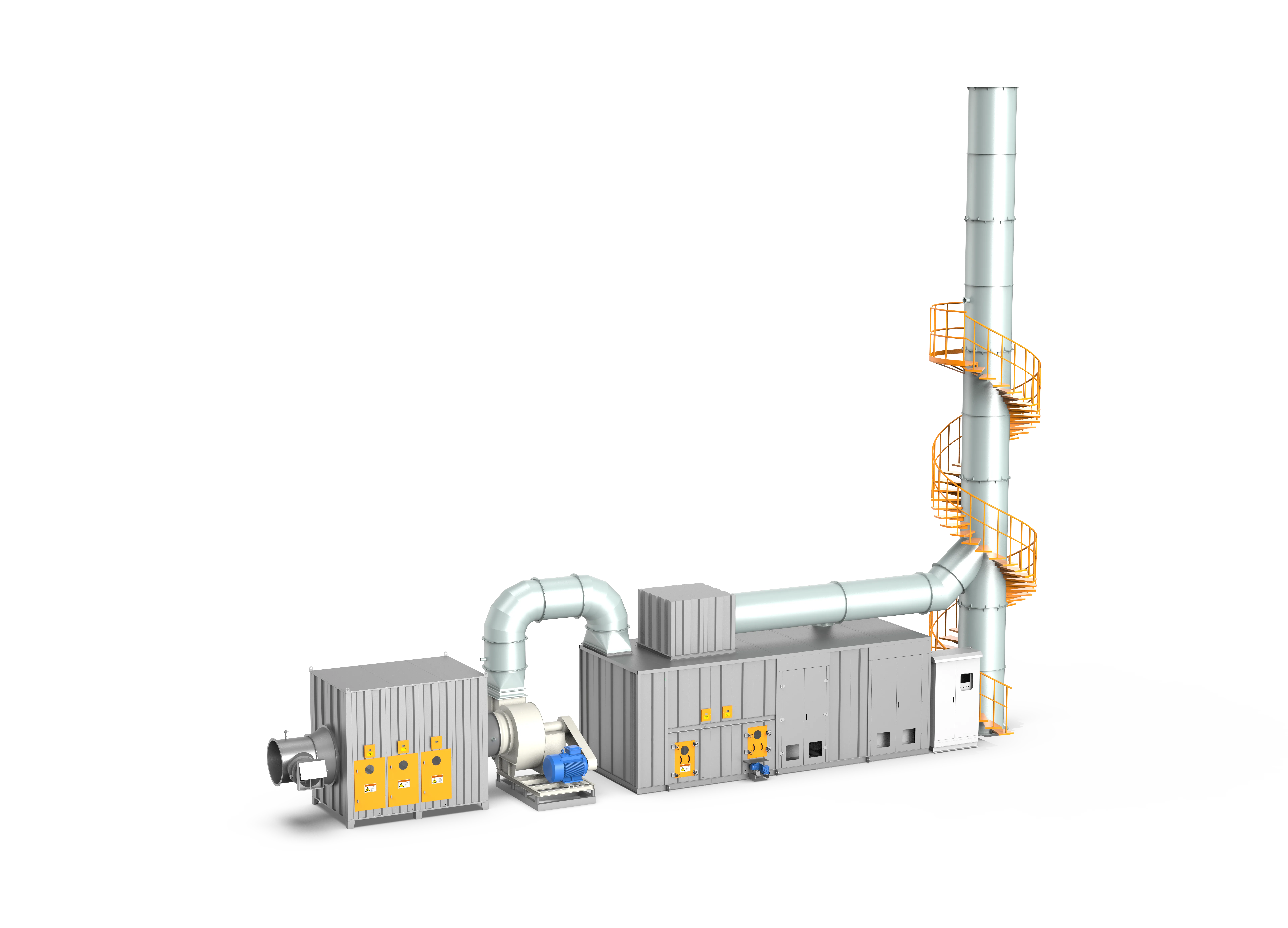
A modular, highly compact VOC abatement system integrating zeolite molecular sieve concentration with low-temperature catalytic oxidation (CO) at 250-350°C, delivering energy savings of up to 20%+ and zero fire risk for small-to-medium airflow setups.
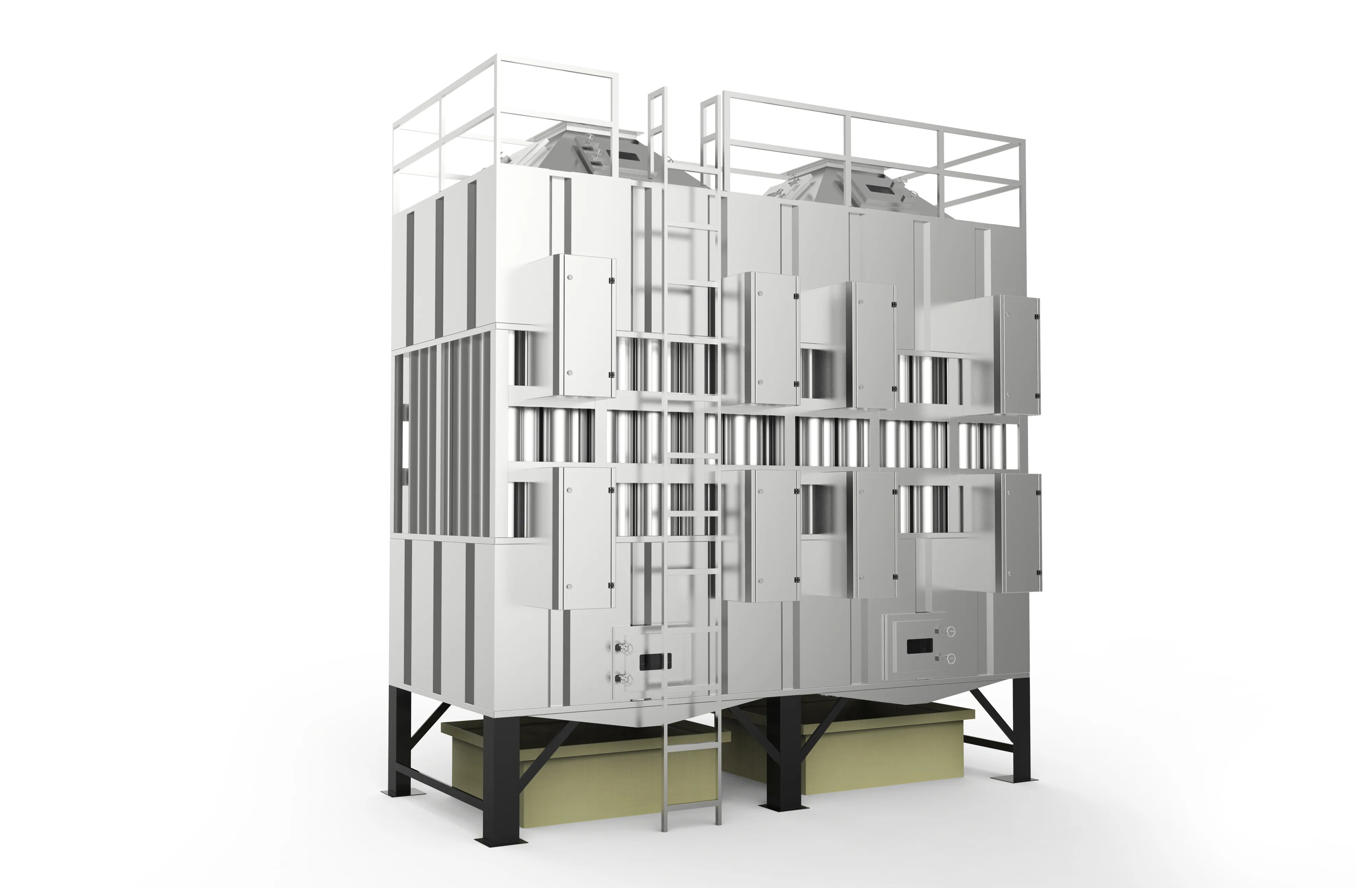
An elite wet-process electrostatic particulate removal system designed to capture sub-micron particles, PM2.5, acid mists, oil aerosols, and heavy metal condensates, achieving purification efficiencies of >=99% and emission concentrations of <30 mg/m³.
Airflow, pollutant chemistry, concentration, production schedule and site constraints determine the equipment train. These routes provide a practical place to start.
For large coating, printing and electronics exhaust volumes, evaluate pretreatment, zeolite concentration and a downstream RTO or catalytic oxidizer as one treatment train.
For streams that need robust thermal destruction, compare three-bed and rotary RTO configurations using solvent chemistry, concentration profile, LEL margin and available heat demand.
Scrubbing, dust collection and WESP are selected around particulate loading, droplet carryover, corrosivity, moisture and the final emission target—not as interchangeable standalone units.
Explore typical pollutants, operating conditions, treatment trains and project references by industry.
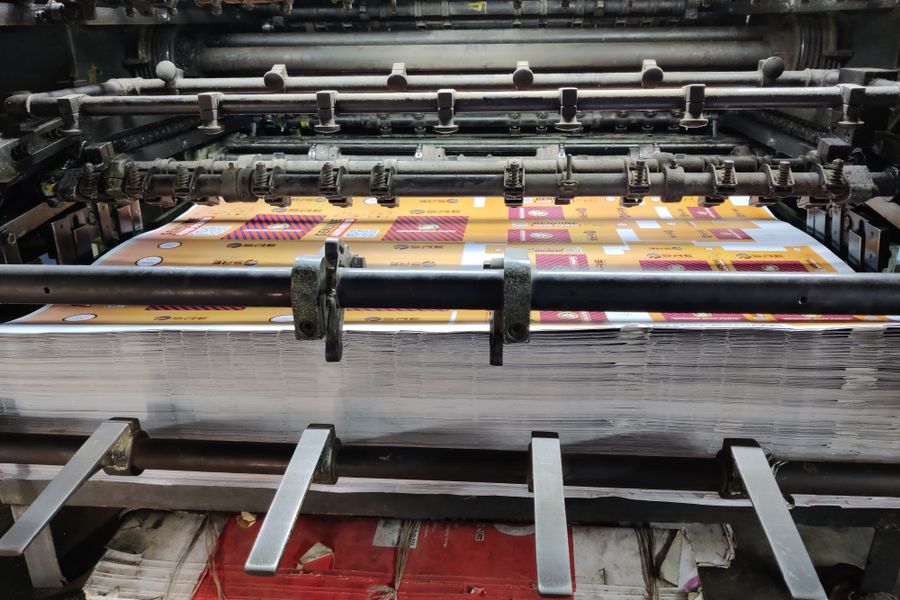
Gravure, flexible packaging, lamination, optical film and continuous web processes.
Explore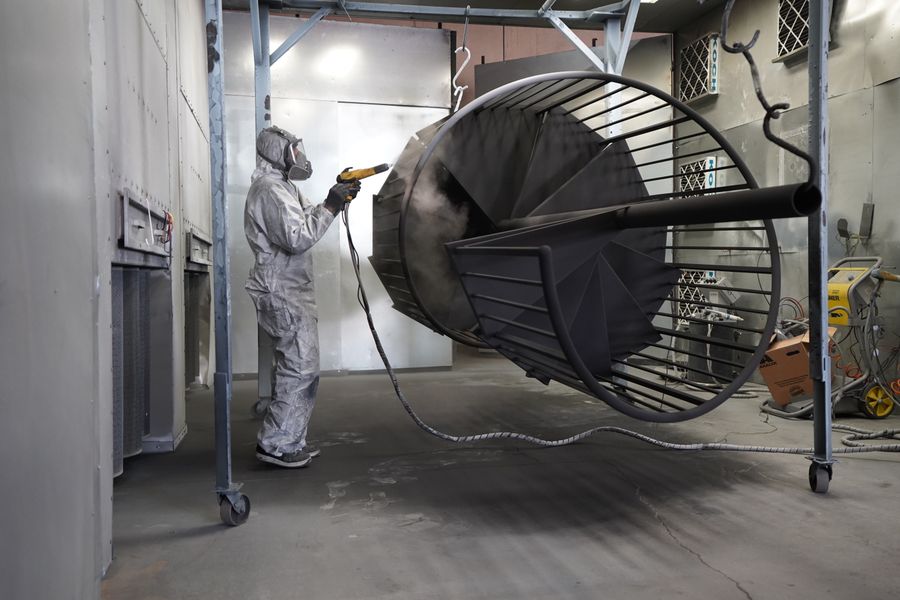
Industrial paint, UV coating, adhesive, metal finishing and multi-booth surface processes.
Explore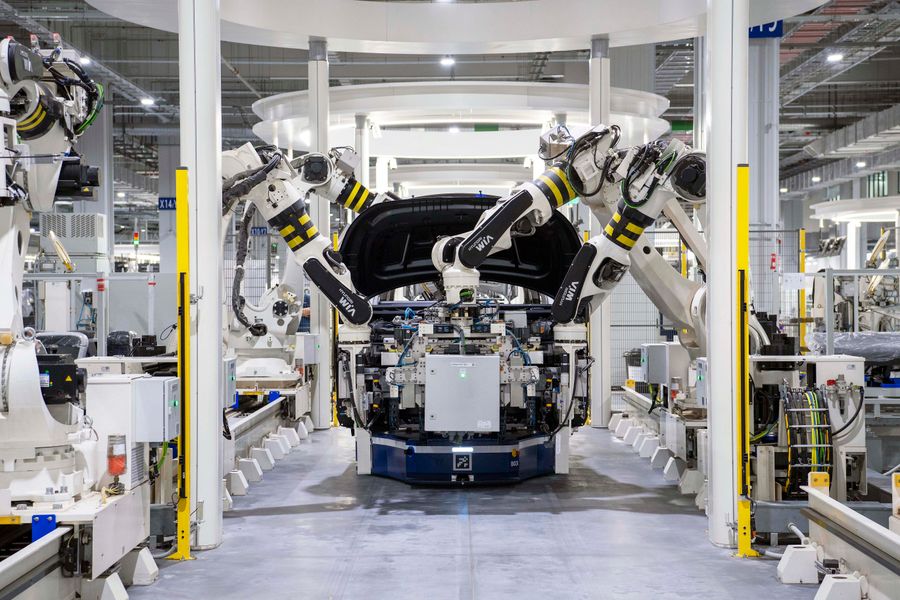
OEM parts, e-bike, and industrial spray booth exhaust.
Explore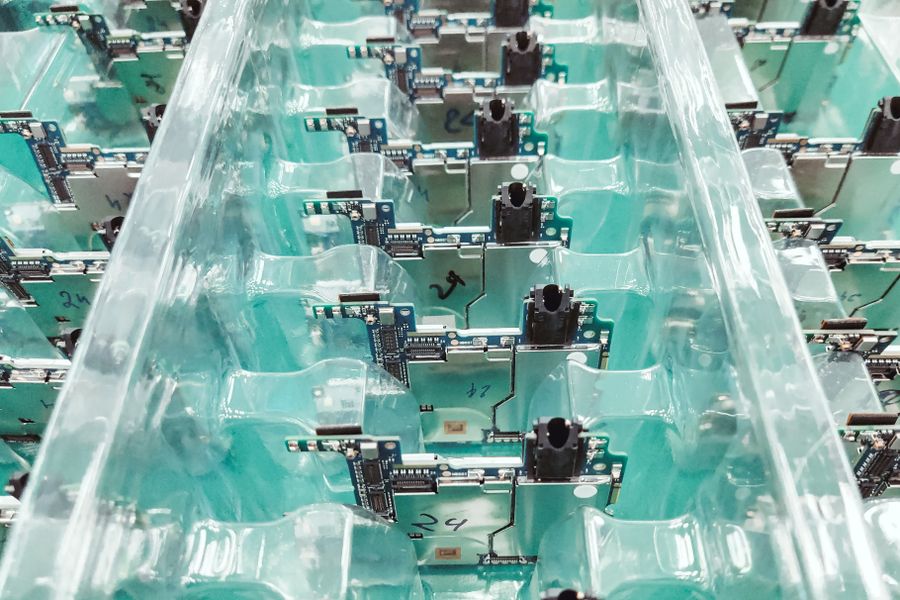
PCB, semiconductor, motor, and appliance process exhaust.
Explore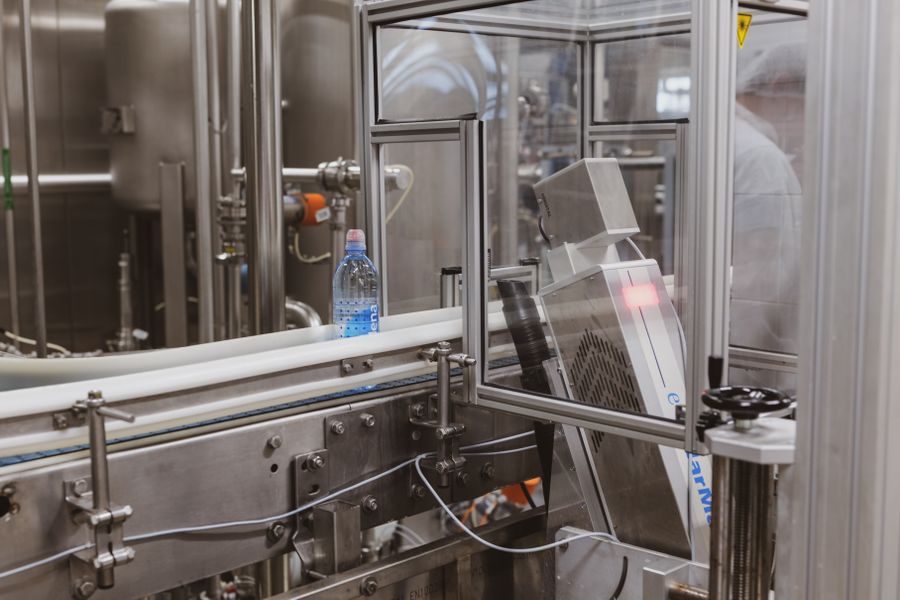
PVC, compounding, injection, and polymer processing fumes.
Explore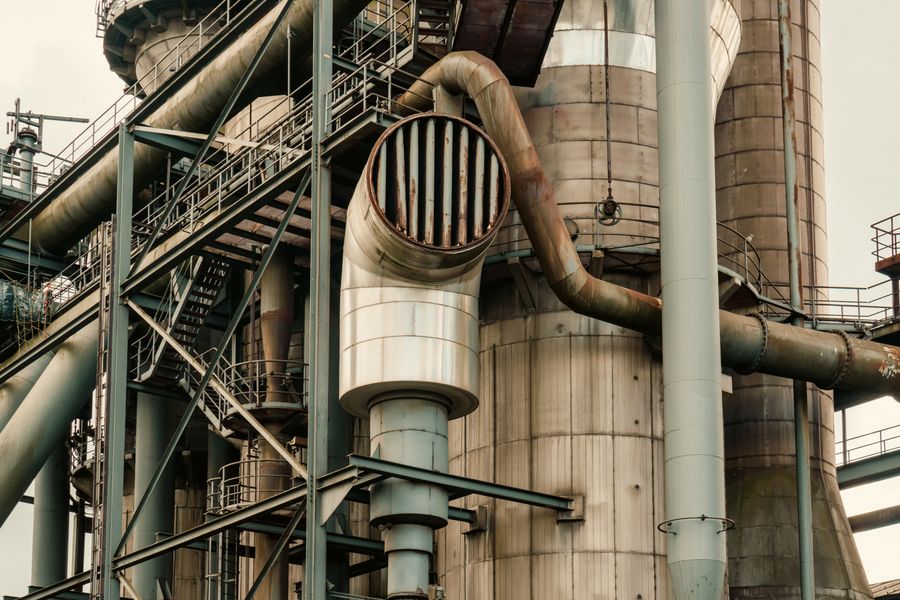
Resins, coatings, waterproofing, and specialty chemicals.
ExploreIndustry images are representative production environments. Project-specific evidence is identified separately in case studies.
Review documented treatment trains and available reference parameters by industrial process. Final performance and scope are always established from project inputs.
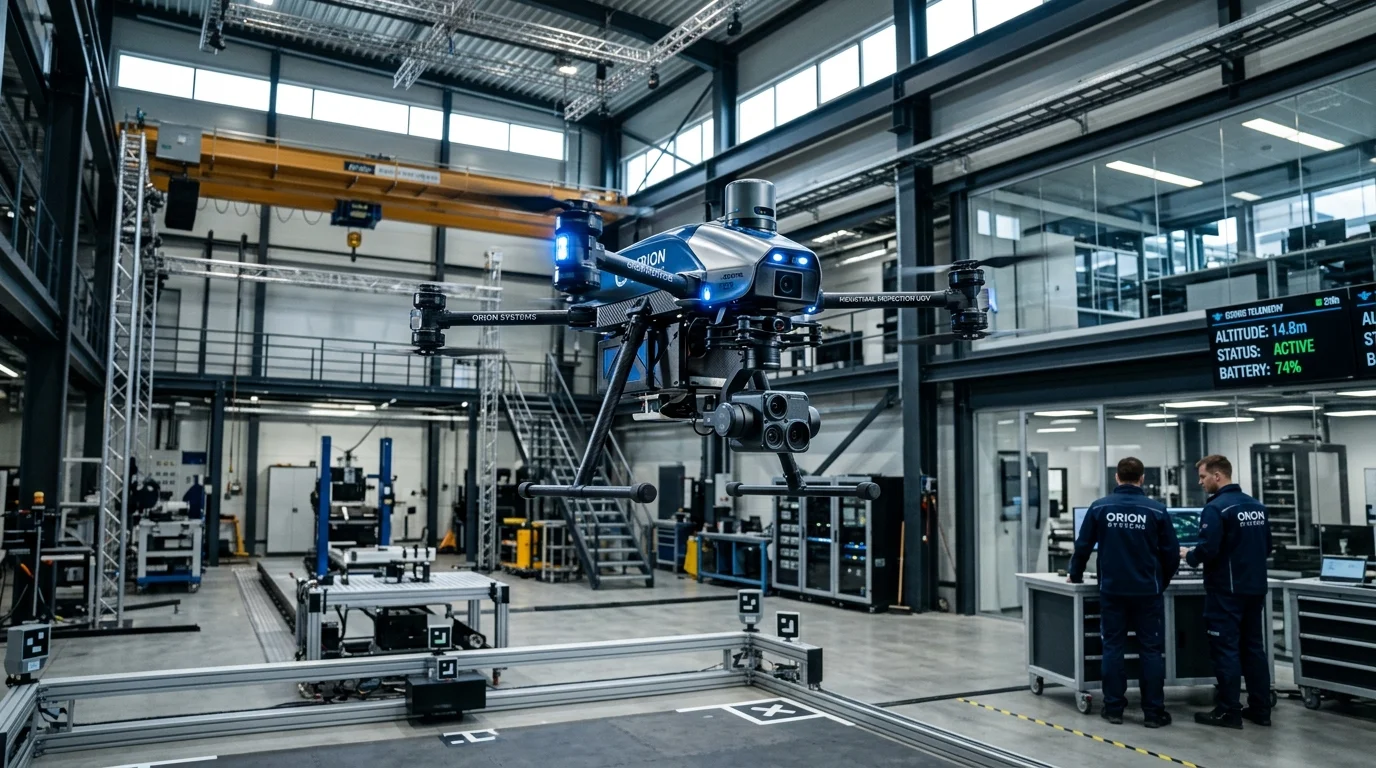
15,000 m³/h (8,830 CFM) · UAV aging, drone spray testing & battery/pesticide soaking
PP Wet Chemical Scrubber + G4/F5 Dry Filter + Dual-Stage SUS304 GAC Adsorbers
Read project reference →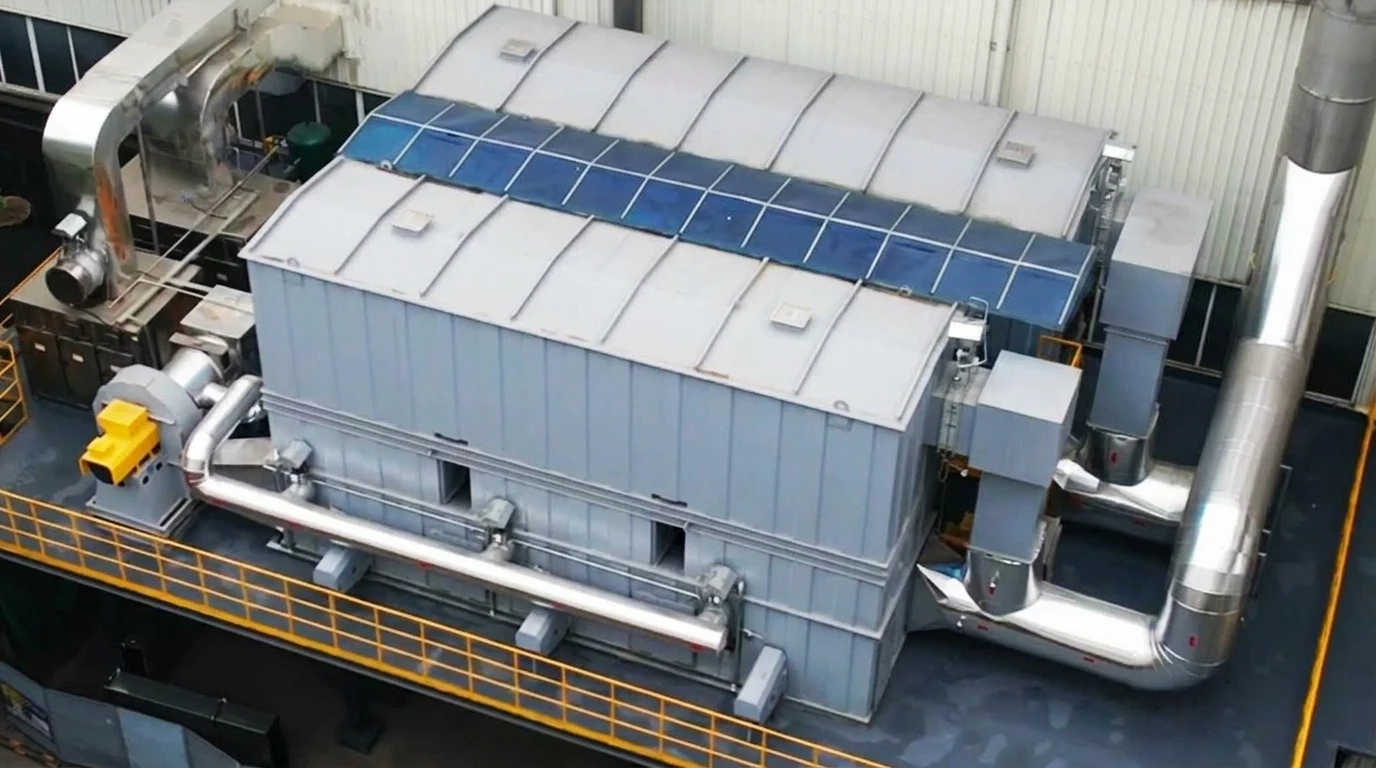
60,000 m³/h (35,300 CFM) · AC heat exchanger coil thermal degreasing ovens (stamping & drawing lubricant VOCs)
Dual-Train 3-Bed RTO (35k + 25k m³/h) + Stainless Wire Mesh Demisters + 25m Combined Stack
Read project reference →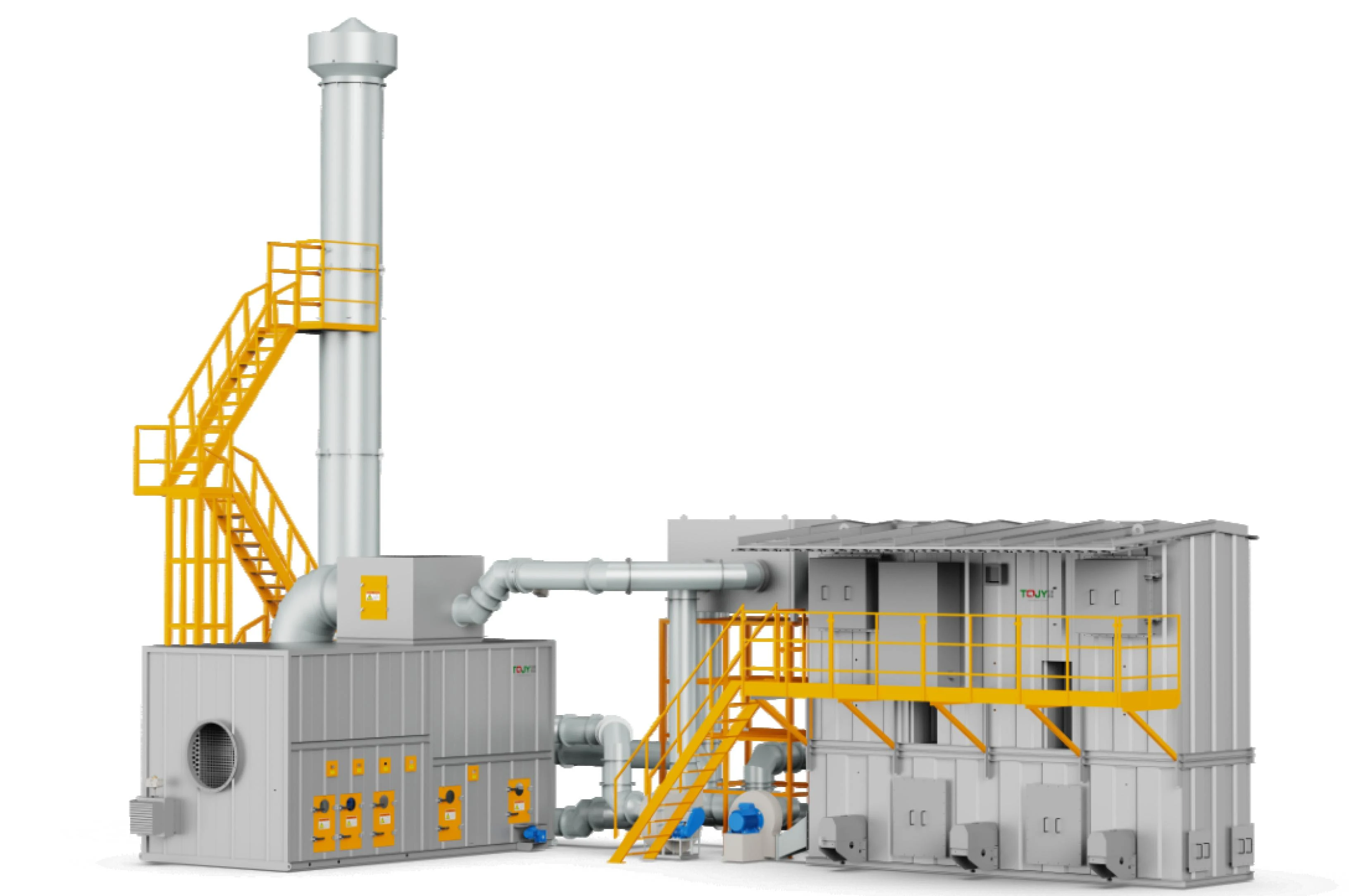
504,000 m³/h (296,600 CFM) · Offshore mega-module fabrication, FCAW & SAW heavy plate welding
Stratified Displacement Ventilation ("Air Lake") + 28-Unit Automated ESP Array + Automated CIP Clarifier
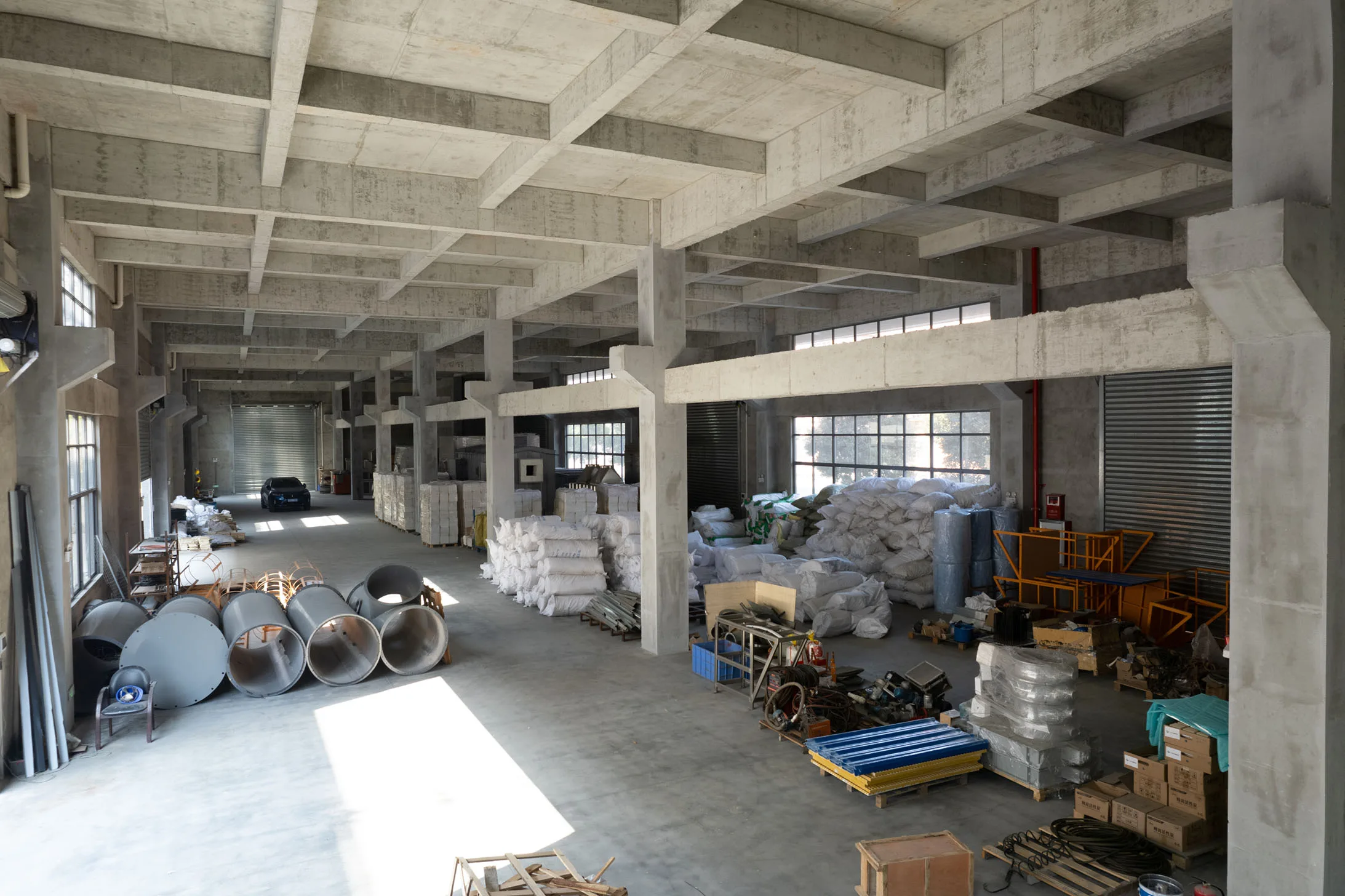
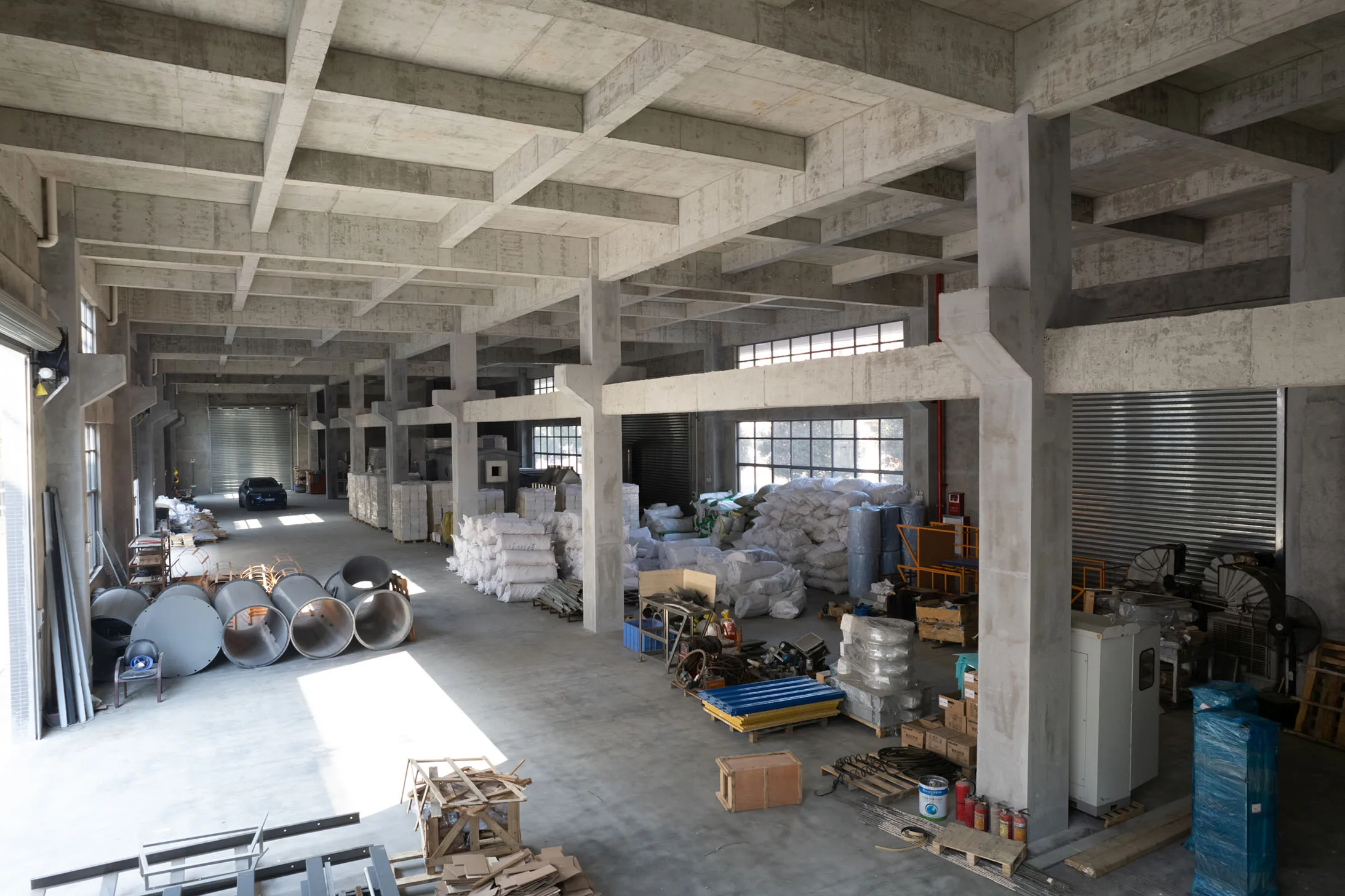
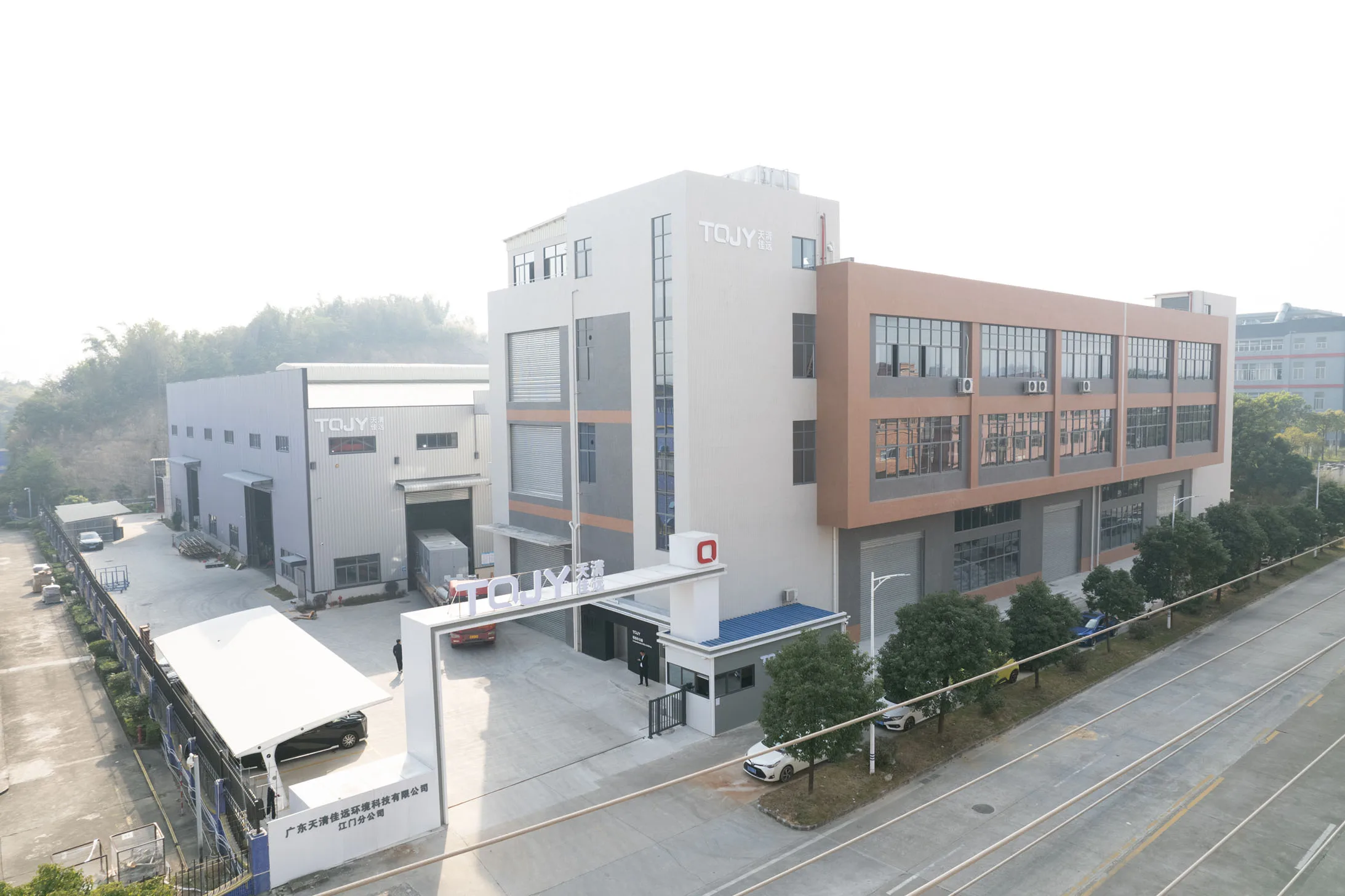
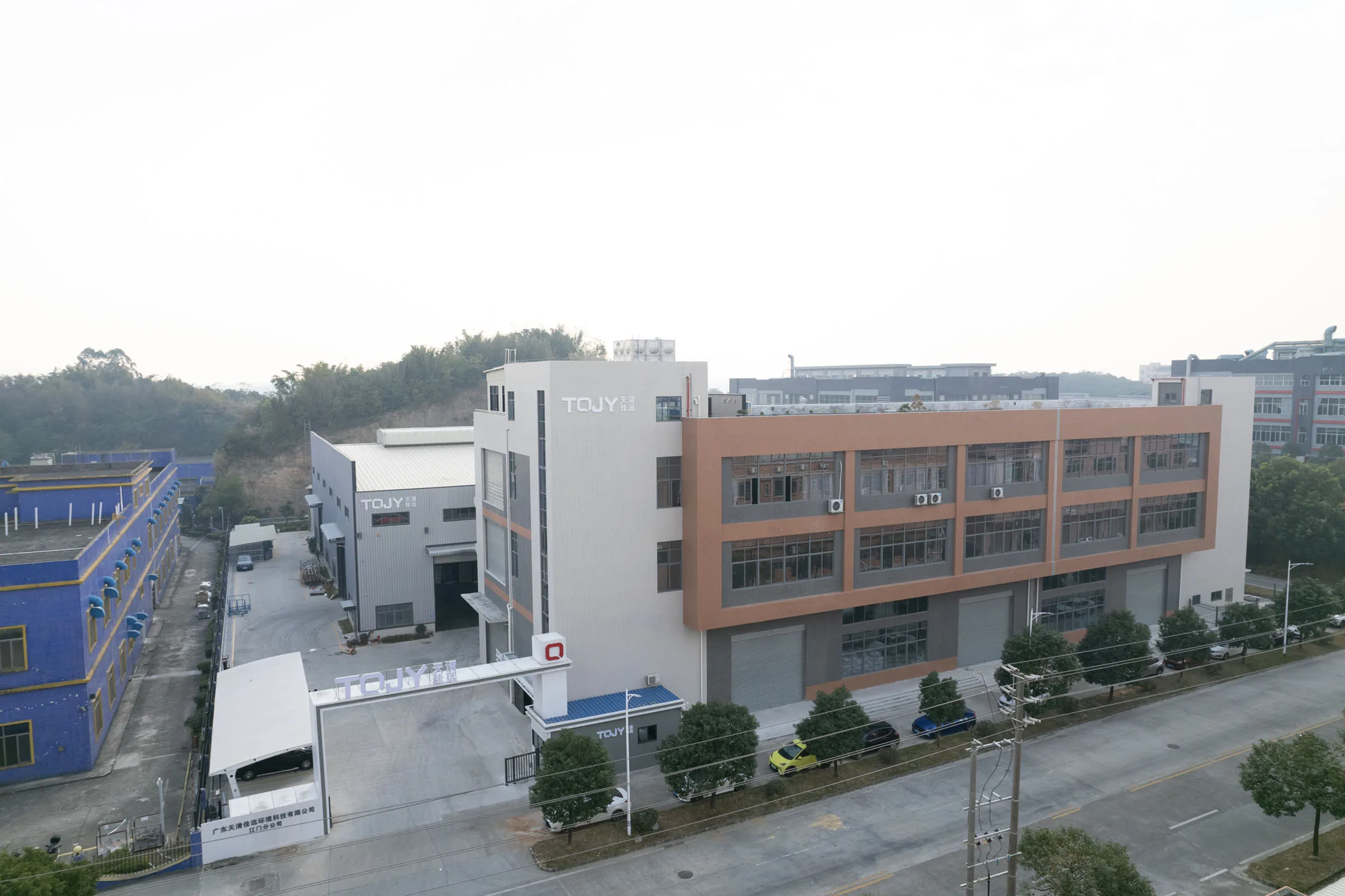
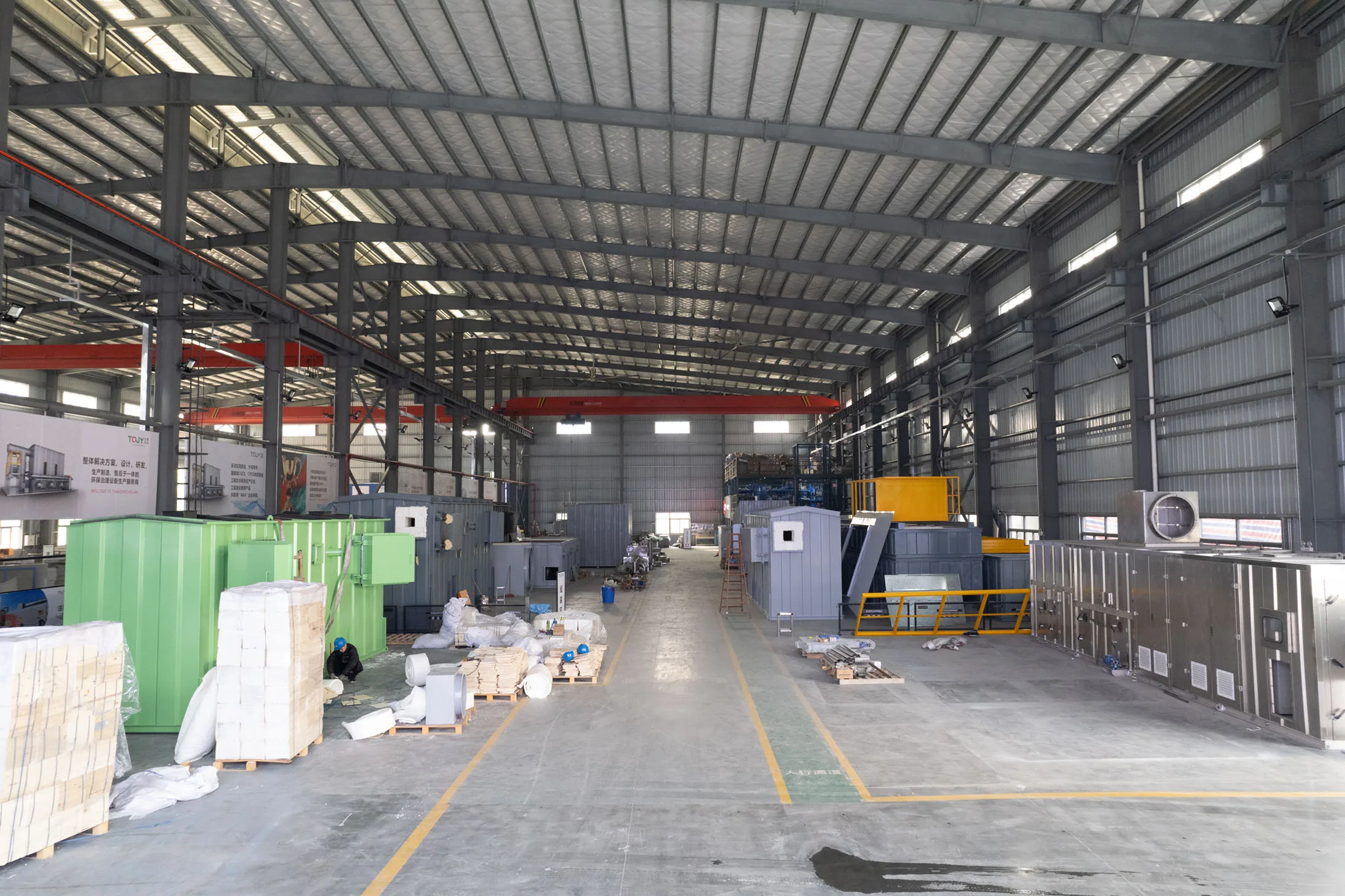
Read project reference →Equipment is fabricated and checked in Guangdong before shipment. Project scope can cover process audit, engineering, manufacturing, installation guidance and commissioning support.
Map solvent species, concentration, temperature, and airflow to define the right abatement train.
Thermal balance, layout, and controls engineered to your plant constraints and compliance target.
Core equipment built and tested in our Guangdong manufacturing base before shipment.
Installation guidance, commissioning, operator training, and after-sales spare parts support.
Process audit, treatment-train design, controls integration, commissioning and operator training.
Core equipment fabrication, assembly, inspection and shipment preparation at the Guangdong production base.
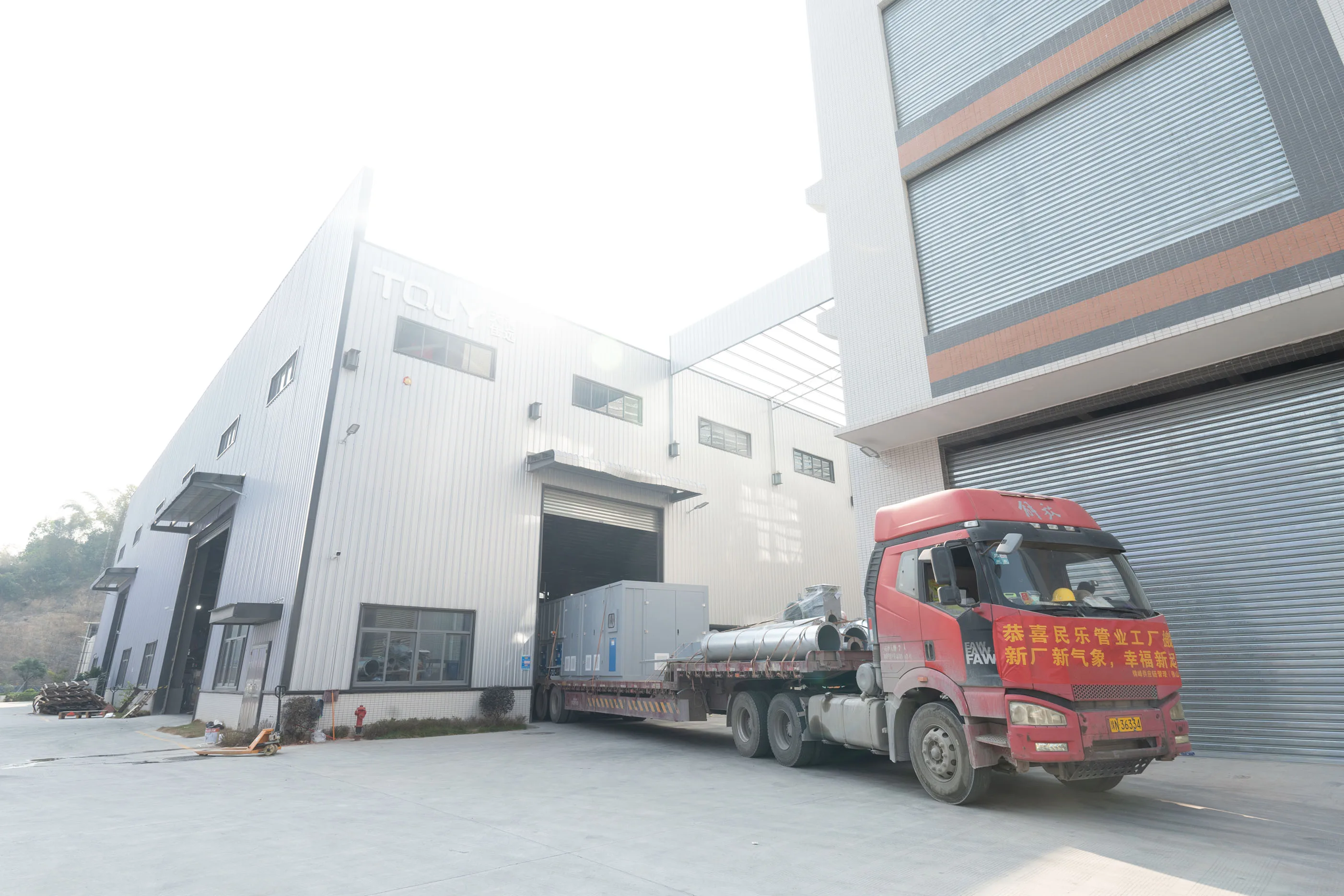
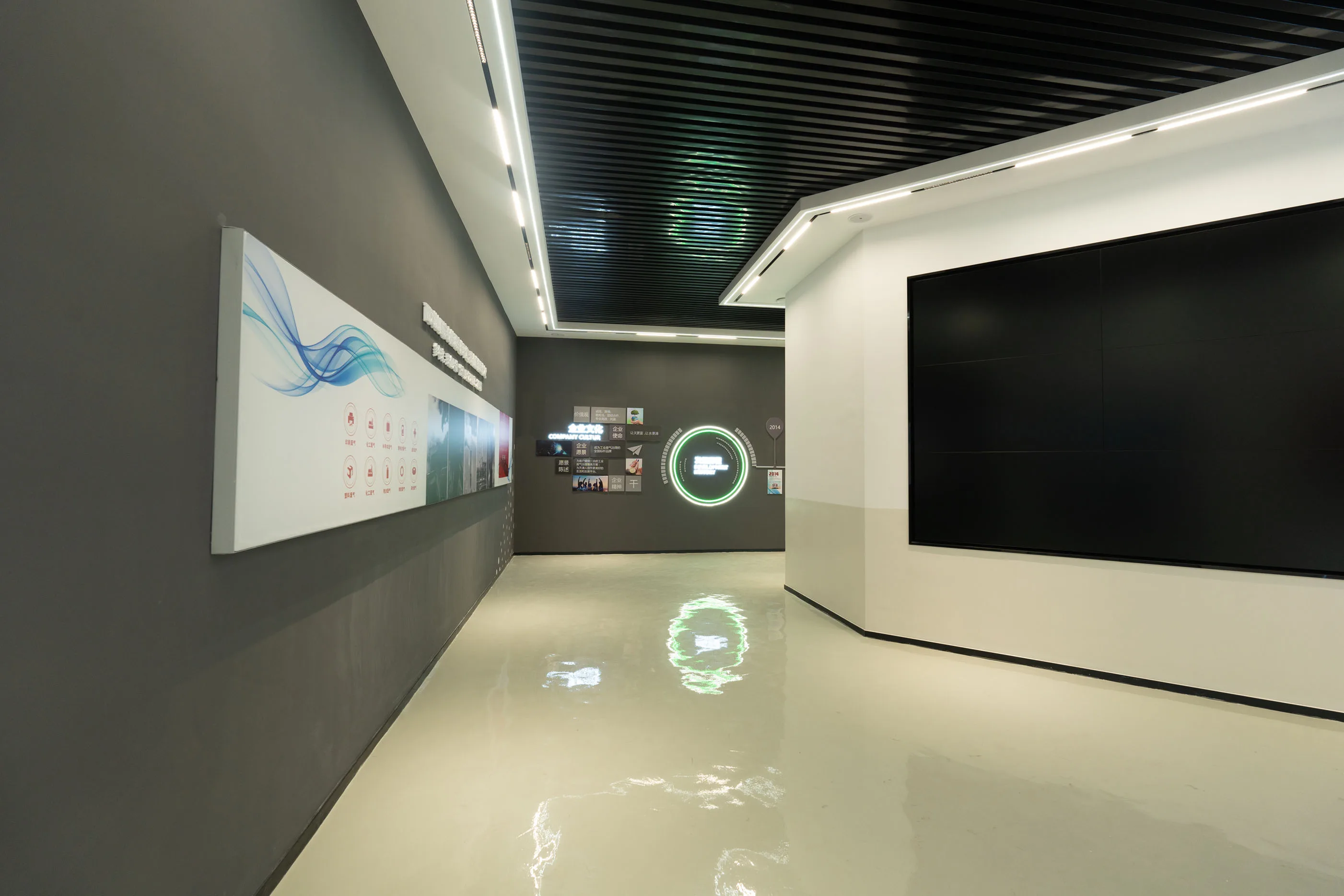
Quality systems, inspection records and project documentation organized around the agreed delivery scope.
FluxFine combines process-oriented treatment-train engineering with in-house equipment fabrication in Guangdong. The final scope can include engineering, manufacturing, commissioning support and service, depending on the project.
Configurations are selected around the process duty: pollutant chemistry, airflow, concentration, operating schedule, safety margin, layout and target emission standard. Controls, heat recovery and monitoring options are defined on the project basis.
Installation guidance, commissioning support, operator training, maintenance and spare-parts support can be included in the agreed project scope. Confirm the exact site responsibilities during engineering and quotation.
The case-study library publishes documented application examples from the product catalog and legacy website materials. Each reference identifies the treatment train and only includes parameters supported by its listed source.
More detail:VOCs airflow & concentration guide · RTO vs catalytic oxidizer
Share airflow, concentration, and solvent data. We respond with a recommended configuration and quotation path.