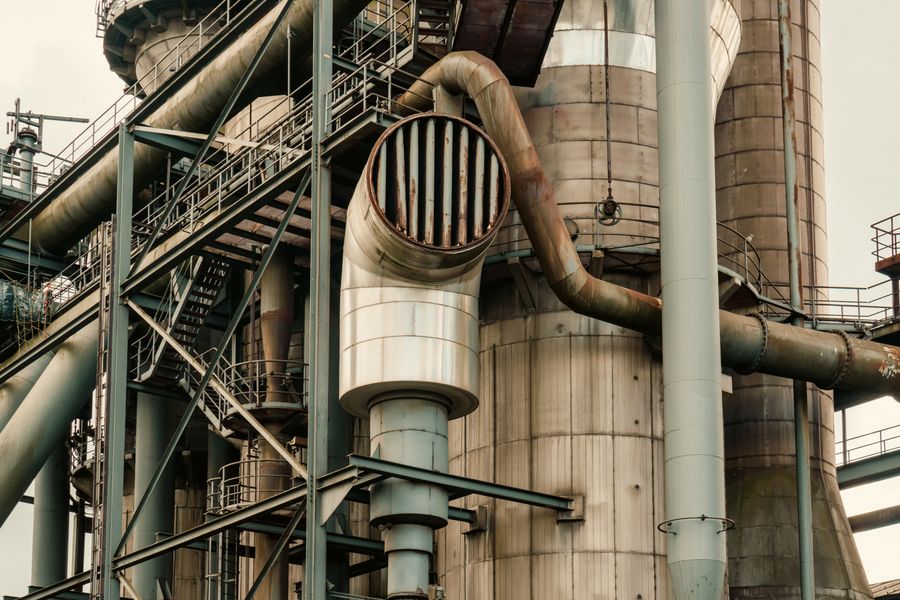
Chemical Industry
Resins, coatings, waterproofing, and specialty chemicals.
Processes and emission sources
RTO for durable thermal oxidation; carbon recovery where solvents have value; scrubbing upstream as needed.

Real engineering project deployed by FluxFine Environmental.
Common pollutants
- Complex VOC mixtures
- Halogenated or sulfur-bearing compounds
- Acid gases
- Odors
- Condensable organics
Typical conditions
- Batch peaks
- High concentration events
- Multiple collection headers
- Potential corrosive components
Engineering priorities
- Material compatibility
- LEL and emergency logic
- Secondary byproducts
- Peak-load buffering
- Heat recovery
From collection to compliant discharge
- 01
Stream characterization
- 02
Segregation and balancing
- 03
Scrubbing where needed
- 04
RTO or solvent recovery
- 05
Final polishing
How we turn chemical industry exhaust data into a treatment train
The recommended configuration is built around the actual production process, not a generic industry label. This is especially important when one site has multiple exhaust headers, recipes or operating modes.
Common treatment challenges
- Complex solvent mixes
- Occasional high concentration spikes
- Acid/alkali pretreatment needs
Data we request
- Exhaust source, airflow and operating schedule
- VOC/pollutant analysis, concentration range and LEL information
- Temperature, humidity, dust, mist and corrosive components
- Existing collection or pretreatment equipment
- Emission target, layout, utilities and shutdown constraints
Engineering decisions
- Whether streams should be segregated, balanced or treated together
- Which pretreatment protects downstream equipment
- Whether concentration, direct oxidation, recovery or polishing is appropriate
- Materials, safety interlocks, monitoring and maintenance access
- Where recovered heat or utilities can be integrated
Recommended path for chemical industry exhaust
This is a decision framework based on the supplied product and project material. The final train changes with measured chemistry, operating patterns and site constraints.
Common emission sources
- Batch reactors and mixing vessels
- Resin/coating production
- Solvent storage and transfer
- Acid/alkali vents and process dryers
Characterize and segregate → scrub/condition → RTO or solvent recovery → final polishing
Chemical sites can have batch peaks, corrosive gases and complex solvents. Stream characterization and material compatibility precede the technology decision.
- 01Sample and segregate incompatible exhausts
- 02Control corrosive gas, aerosol and peak loading
- 03Evaluate direct RTO versus recovery
- 04Engineer LEL, emergency and material controls
- 05Plan heat use, wastewater and maintenance access
Carbon/steam solvent recovery
Consider where solvent composition, value, recovery purity and utilities make regeneration economically and operationally viable.
Process-specific questions
Can chemical exhaust go straight to an RTO?
Only after chemistry, LEL, corrosive components, sulfur/halogen content and particulate/condensable risks are reviewed. Some streams need segregation or pretreatment first.
How are batch peaks handled?
The design can include header segregation, balancing, controls and capacity defined from normal and peak duty. The source of each peak must be understood.
Documented chemical industry applications
Published records show the documented process context and treatment configuration. Airflow and concentration values, where shown, are project data rather than product guarantees.
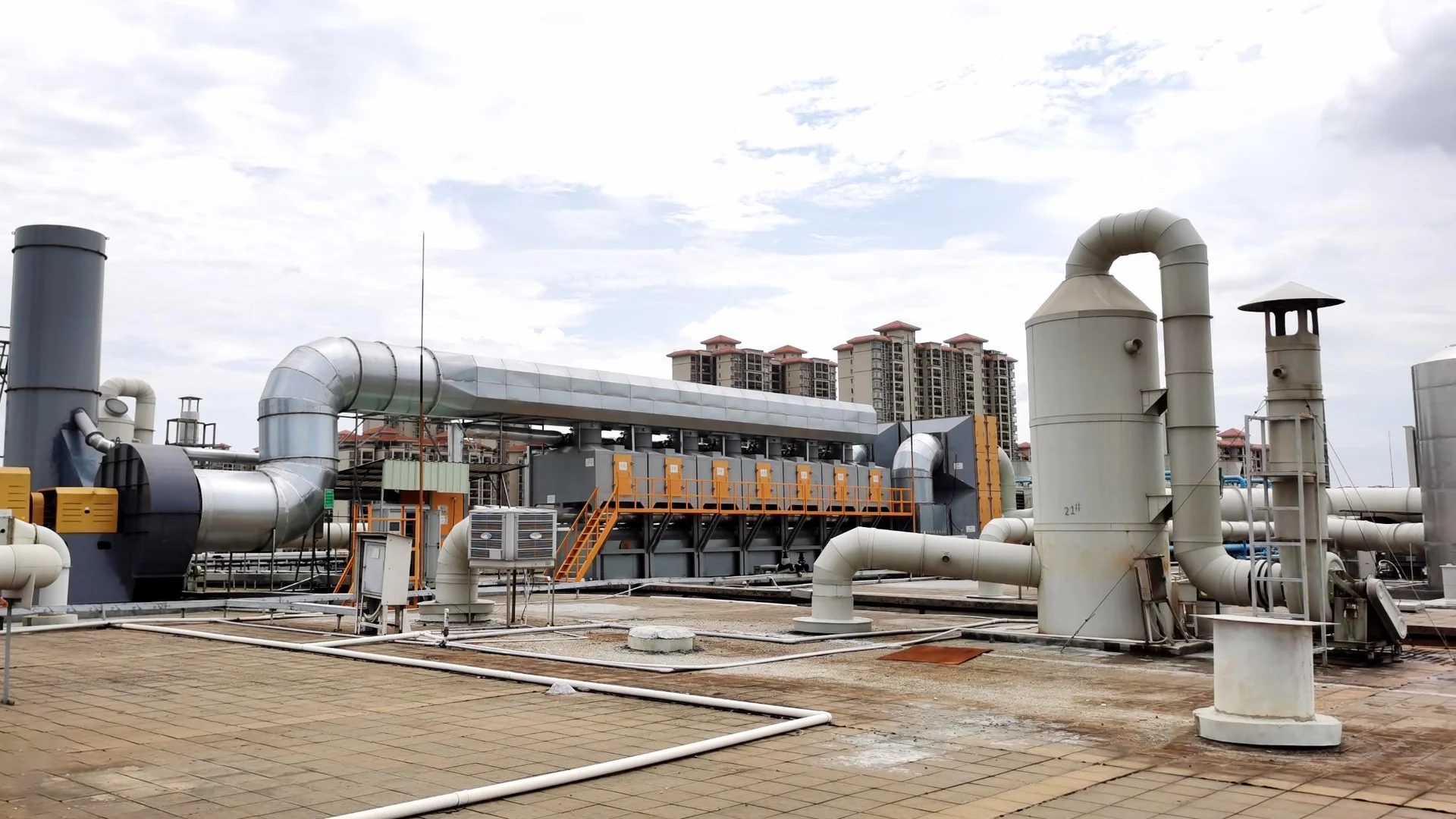
50,000 m³/h Three-Bed RTO & Multi-Stage Chemical Scrubbing for Chlorinated Synthesis Exhaust
4-Stage Chemical Scrubber (Acid/Alkali/Water/Demister) + 50,000 Nm³/h Three-Bed RTO + Dioxin Rapid Quench Tower + Secondary Alkali Scrubber
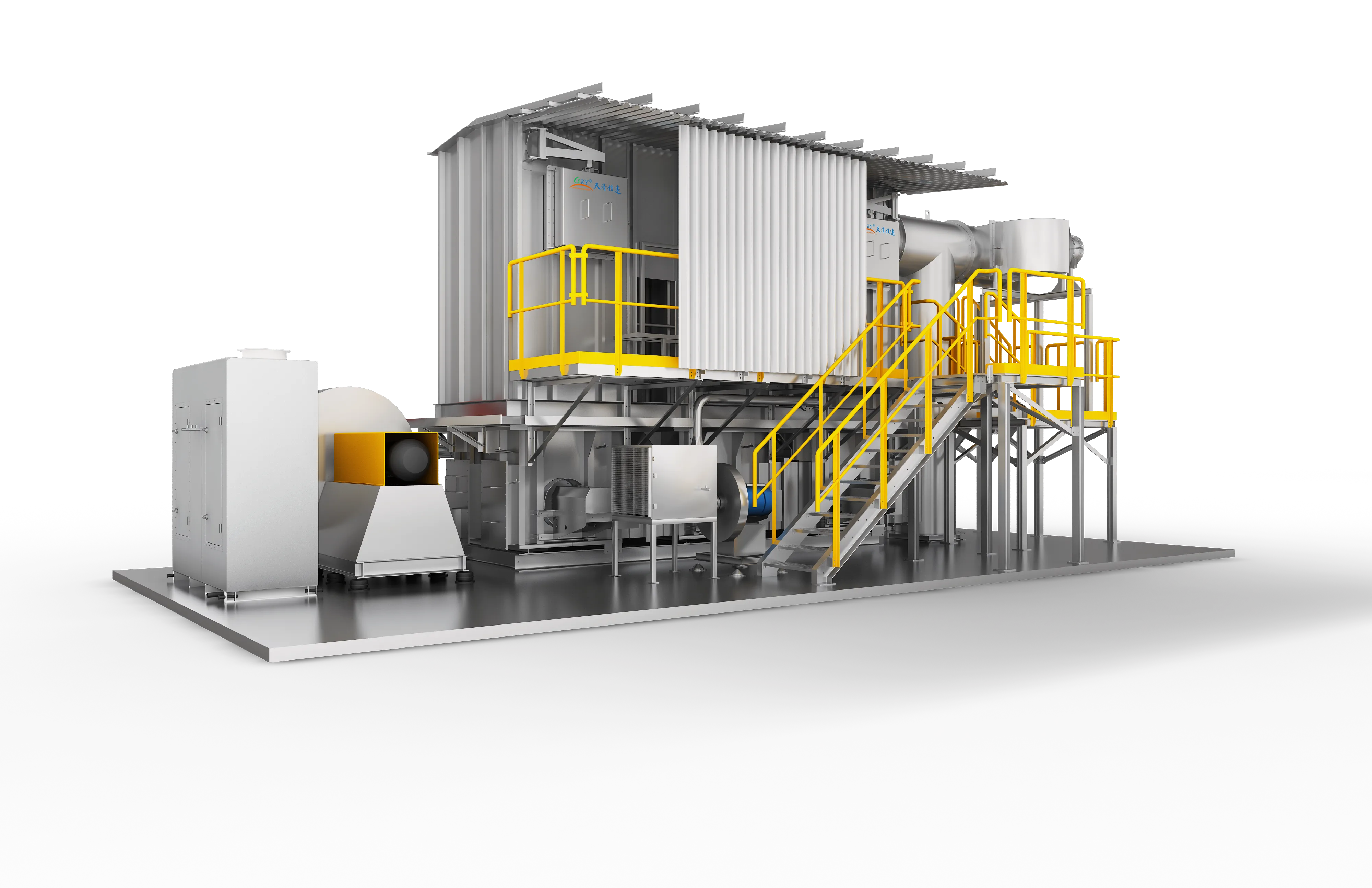
New Material Production Three-Bed RTO
Three-bed RTO
Configurations commonly evaluated
These configurations are starting points for this industry. Final selection depends on measured airflow, pollutant chemistry, concentration, temperature and production schedule.
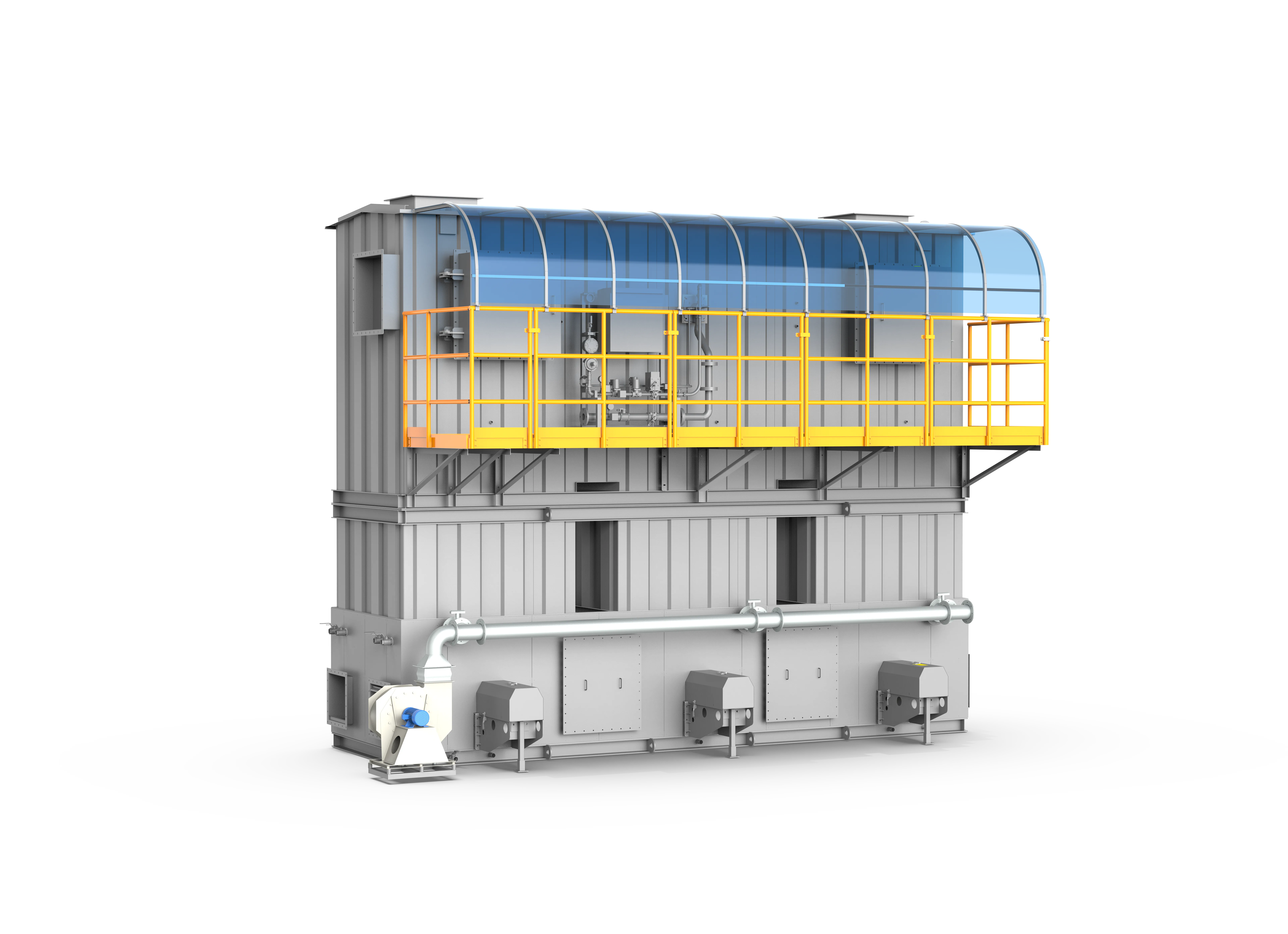
Three-Tower RTO
A premier-grade industrial VOC thermal abatement system that achieves >=99% VOC destruction efficiency and >=95% thermal energy recovery through a classic three-bed alternating heat-exchange and purge process.
View equipmentRotary RTO
A next-generation RTO system utilizing a continuously rotating gas distributor instead of switching valves, providing stable thermal destruction of VOCs with >= 99% purification efficiency, >= 95% thermal recovery, and zero pressure spikes.
View equipmentRotor + Rotary RTO
The ultimate high-end VOC abatement configuration, marrying a hydrophobic zeolite rotor for 10-40x gas concentration with a valveless Rotary RTO for continuous, pulse-free, and highly energy-efficient thermal destruction (efficiency >= 99.8%).
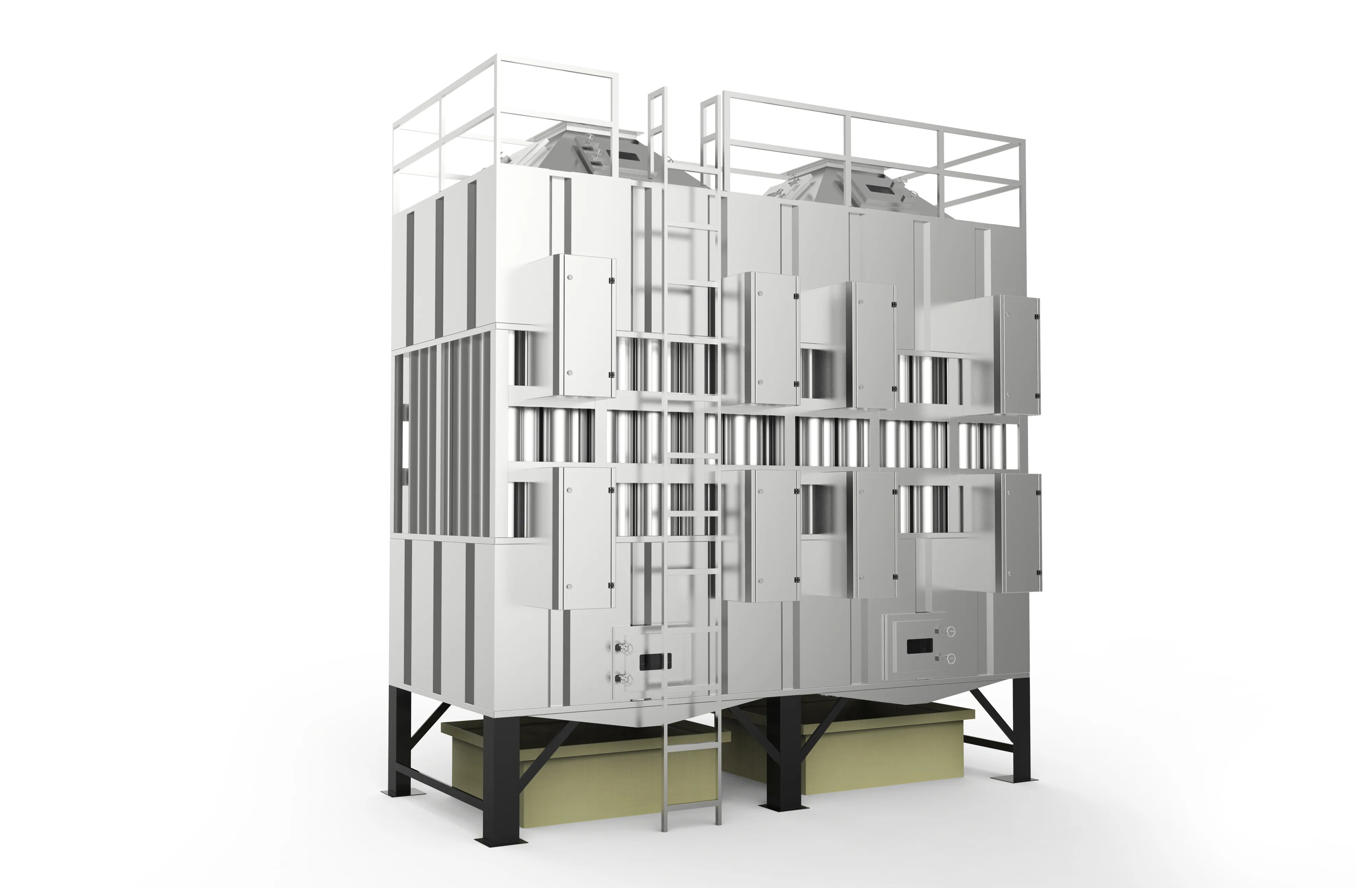
View equipmentCarbon + CO
An exceptionally economical VOC abatement package integrating multi-bed activated carbon adsorption with hot-air thermal regeneration and low-temperature catalytic oxidation (CO) for small-scale, intermittent emissions.
View equipmentRCO
Ceramic heat regeneration combined with catalytic oxidation for compatible VOC streams requiring continuous, energy-conscious treatment.
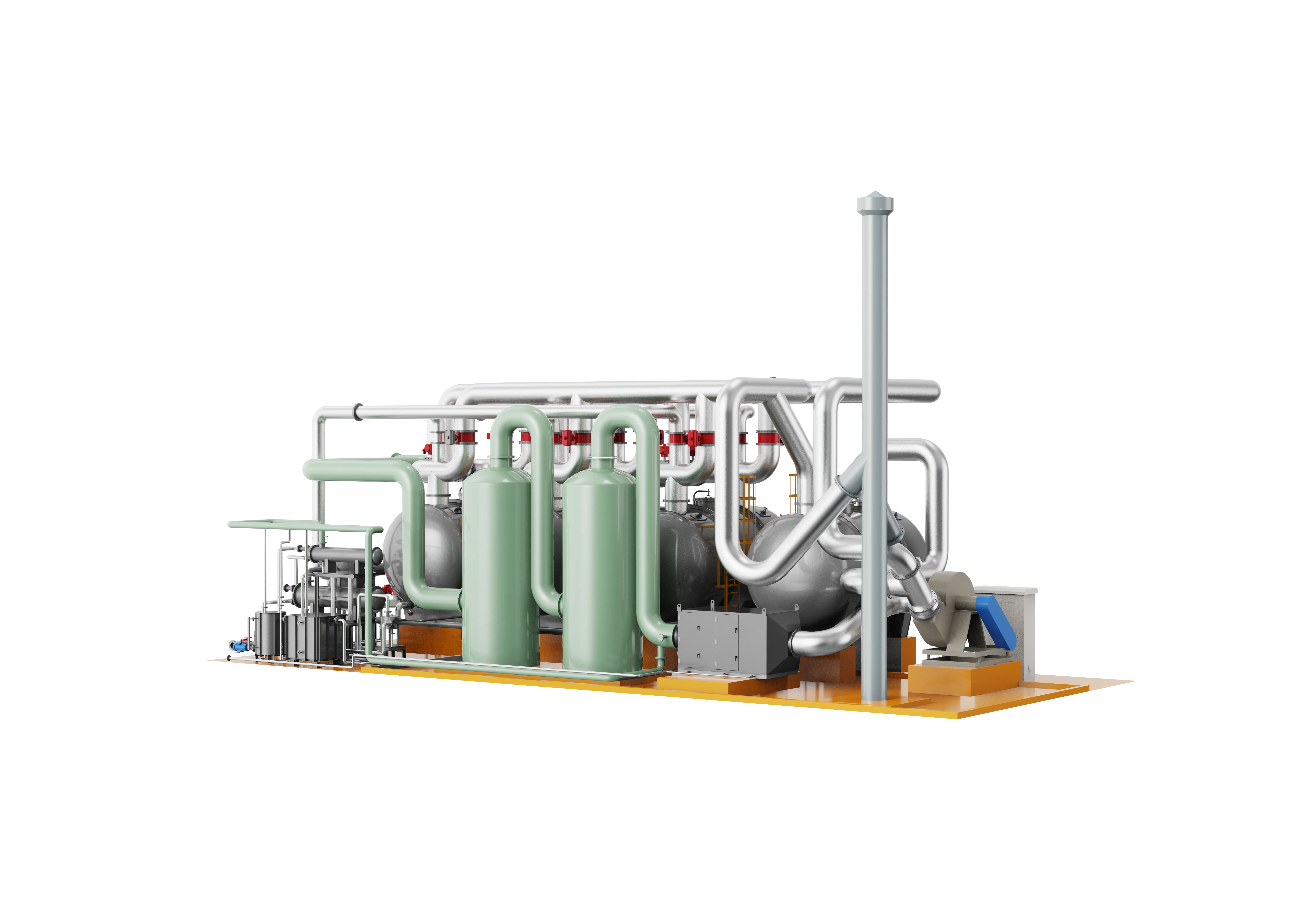
View equipmentCarbon + Steam Recovery
An elite solvent recovery system designed to capture high-value organic vapors on premium activated carbon, desorb them with steam, and condense them into high-purity liquid chemicals, achieving purification and recovery rates of >=99%.
View equipmentMap your chemical industry process
Share exhaust sources, airflow, concentration, operating temperature and schedule. We will identify pretreatment needs and a suitable control train.