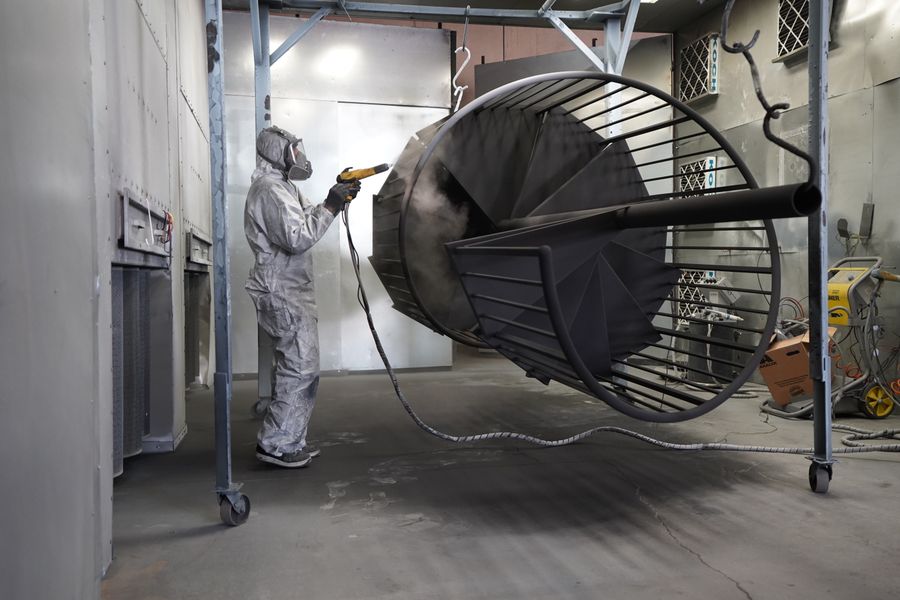
Coating & Surface Finishing
Industrial paint, UV coating, adhesive, metal finishing and multi-booth surface processes.
Processes and emission sources
Mist and particulate pretreatment protects a zeolite concentration or direct oxidation system selected around booth schedules and solvent load.

Real engineering project deployed by FluxFine Environmental.
Common pollutants
- Paint mist
- Aromatic hydrocarbons
- Esters
- Ketones
- Alcohols
Typical conditions
- Large booth airflow
- Low average with peak VOC loads
- Intermittent shifts
- Mist-bearing exhaust
Engineering priorities
- Pretreatment loading
- Booth diversity
- Fire and explosion protection
- Temperature and humidity
- Maintenance access
From collection to compliant discharge
- 01
Booth capture
- 02
Dry or wet pretreatment
- 03
Concentration where appropriate
- 04
Thermal or catalytic oxidation
- 05
Stack monitoring
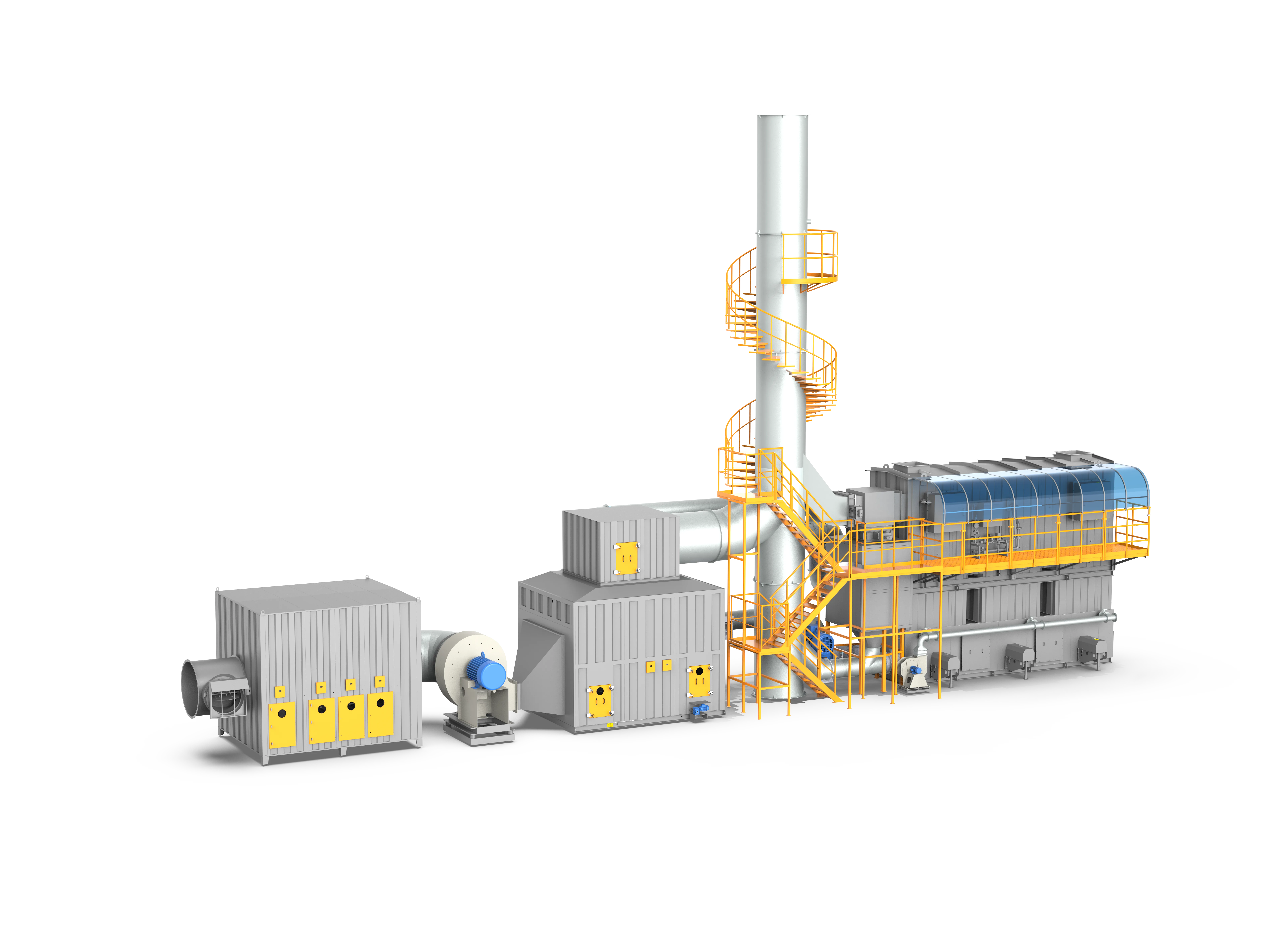
Zeolite Rotor
Large airflow, low concentration VOCs (coating, printing, electronics)
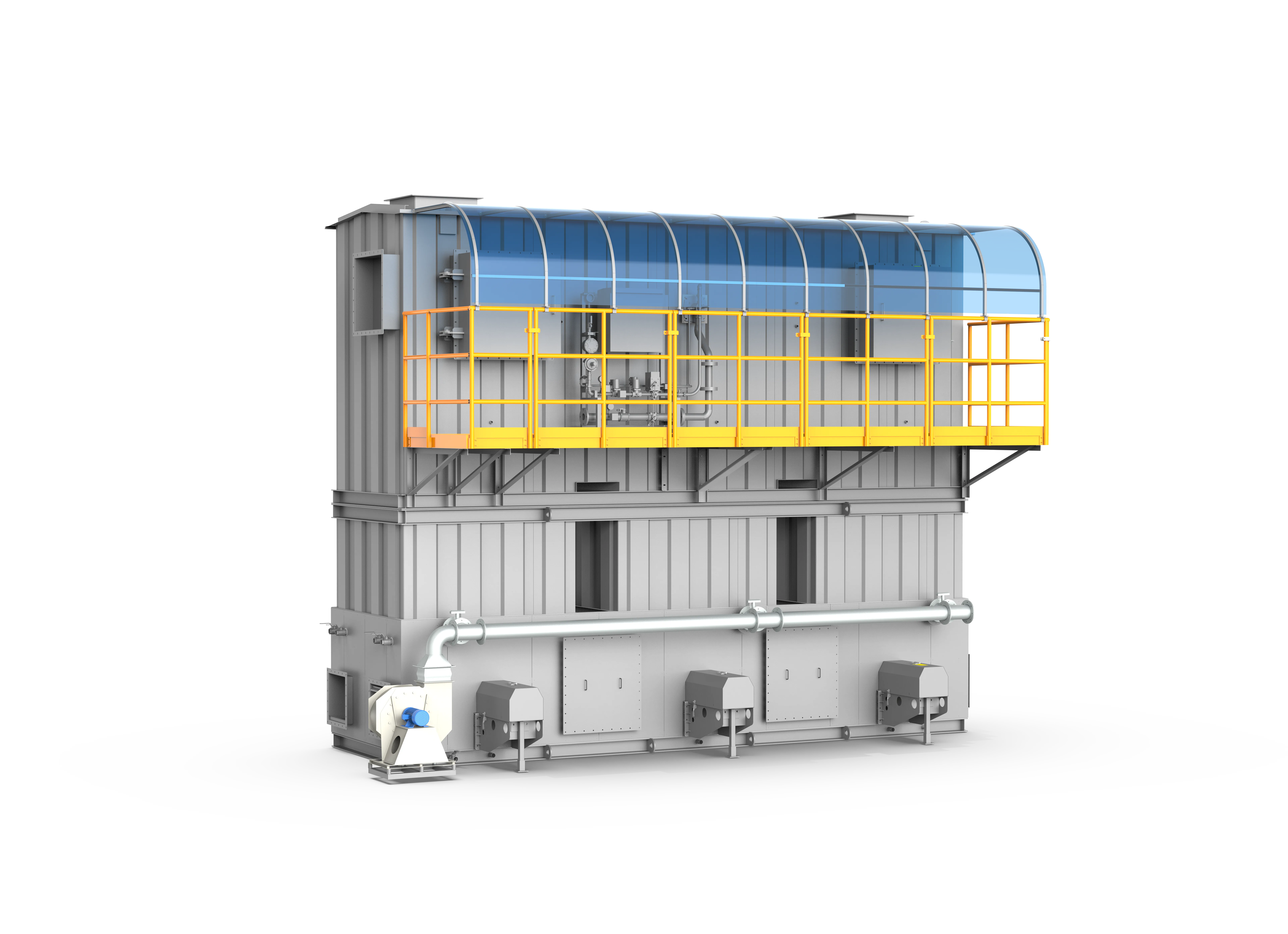
RTO
Medium–high concentration VOCs, complex solvent mixes, heat recovery duty
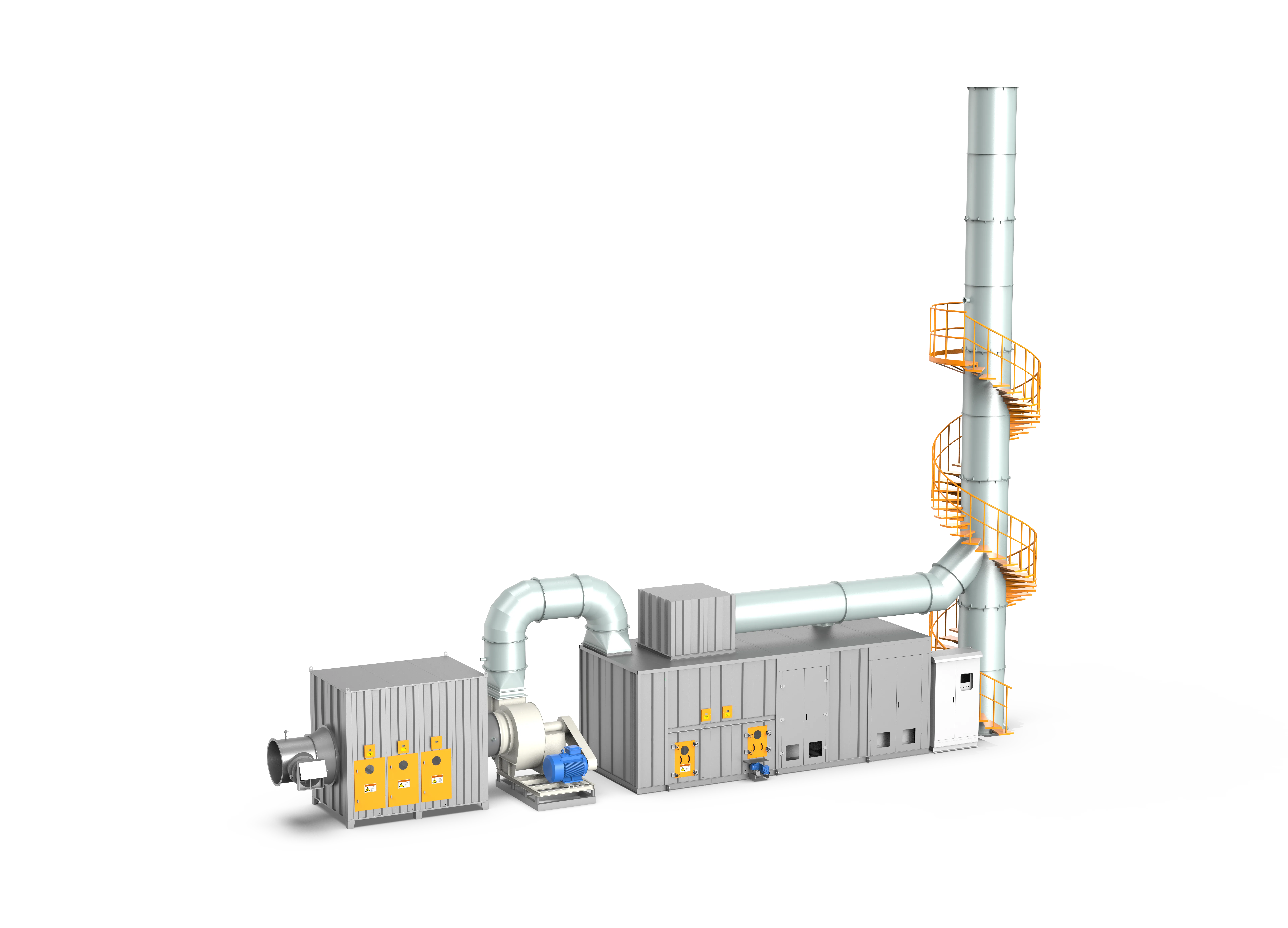
Catalytic Oxidizer
Low-to-medium concentration streams; space-constrained plants
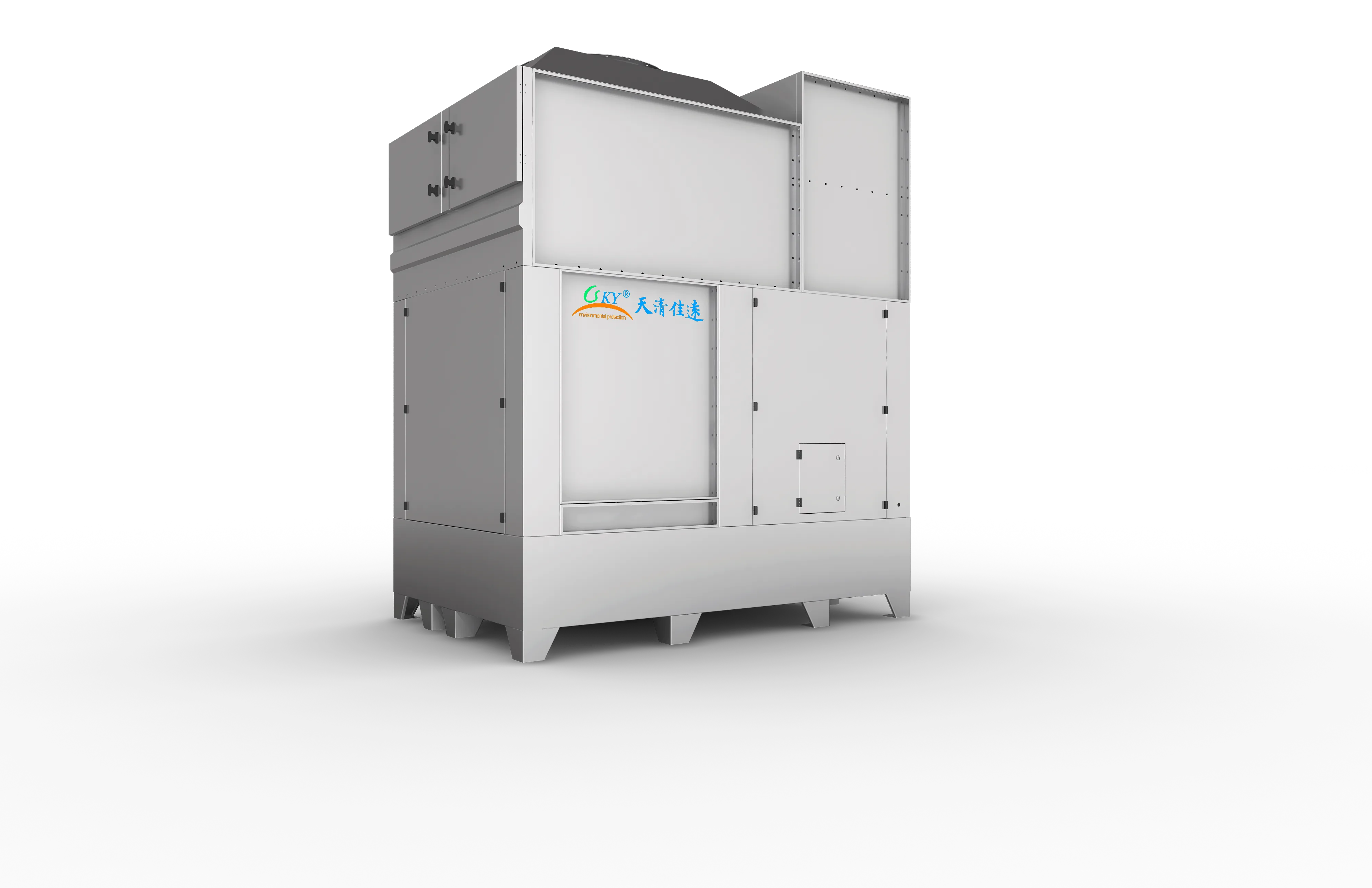
Wet Scrubbing
Pretreatment for explosive risk, sticky dust, acid/alkali gases
How we turn coating & surface finishing exhaust data into a treatment train
The recommended configuration is built around the actual production process, not a generic industry label. This is especially important when one site has multiple exhaust headers, recipes or operating modes.
Common treatment challenges
- Overspray and sticky aerosol upstream of VOC treatment
- Intermittent booth loading
- Mixed solvent systems across product lines
Data we request
- Exhaust source, airflow and operating schedule
- VOC/pollutant analysis, concentration range and LEL information
- Temperature, humidity, dust, mist and corrosive components
- Existing collection or pretreatment equipment
- Emission target, layout, utilities and shutdown constraints
Engineering decisions
- Whether streams should be segregated, balanced or treated together
- Which pretreatment protects downstream equipment
- Whether concentration, direct oxidation, recovery or polishing is appropriate
- Materials, safety interlocks, monitoring and maintenance access
- Where recovered heat or utilities can be integrated
Recommended path for coating & surface finishing exhaust
This is a decision framework based on the supplied product and project material. The final train changes with measured chemistry, operating patterns and site constraints.
Common emission sources
- Spray booths and paint-mist exhaust
- Flash-off and curing ovens
- Adhesive/UV coating stations
- Solvent cleaning and mixing rooms
Source capture → paint-mist pretreatment → concentration or direct oxidation
Paint mist and sticky aerosol must be controlled before adsorption or thermal/catalytic equipment. The oxidation route follows airflow, solvent load, operating schedule and heat demand.
- 01Balance booths and oven exhaust
- 02Remove overspray and particulate
- 03Assess concentration or direct oxidation
- 04Apply engineered destruction and safety controls
- 05Monitor operation and preserve maintenance access
Wet pretreatment + catalytic oxidation
Consider for compatible, clean-enough low-to-medium concentration streams where catalyst protection and liquid/wastewater scope are defined.
Process-specific questions
Why is paint-mist pretreatment essential?
Mist can foul a rotor, carbon bed, catalyst or regenerative ceramic media. Pretreatment is selected from the coating material, loading and gas temperature.
Can one system cover every booth?
Sometimes, but diversity of operation and different exhaust chemistry may make stream grouping or separate trains more reliable.
Documented coating & surface finishing applications
Published records show the documented process context and treatment configuration. Airflow and concentration values, where shown, are project data rather than product guarantees.
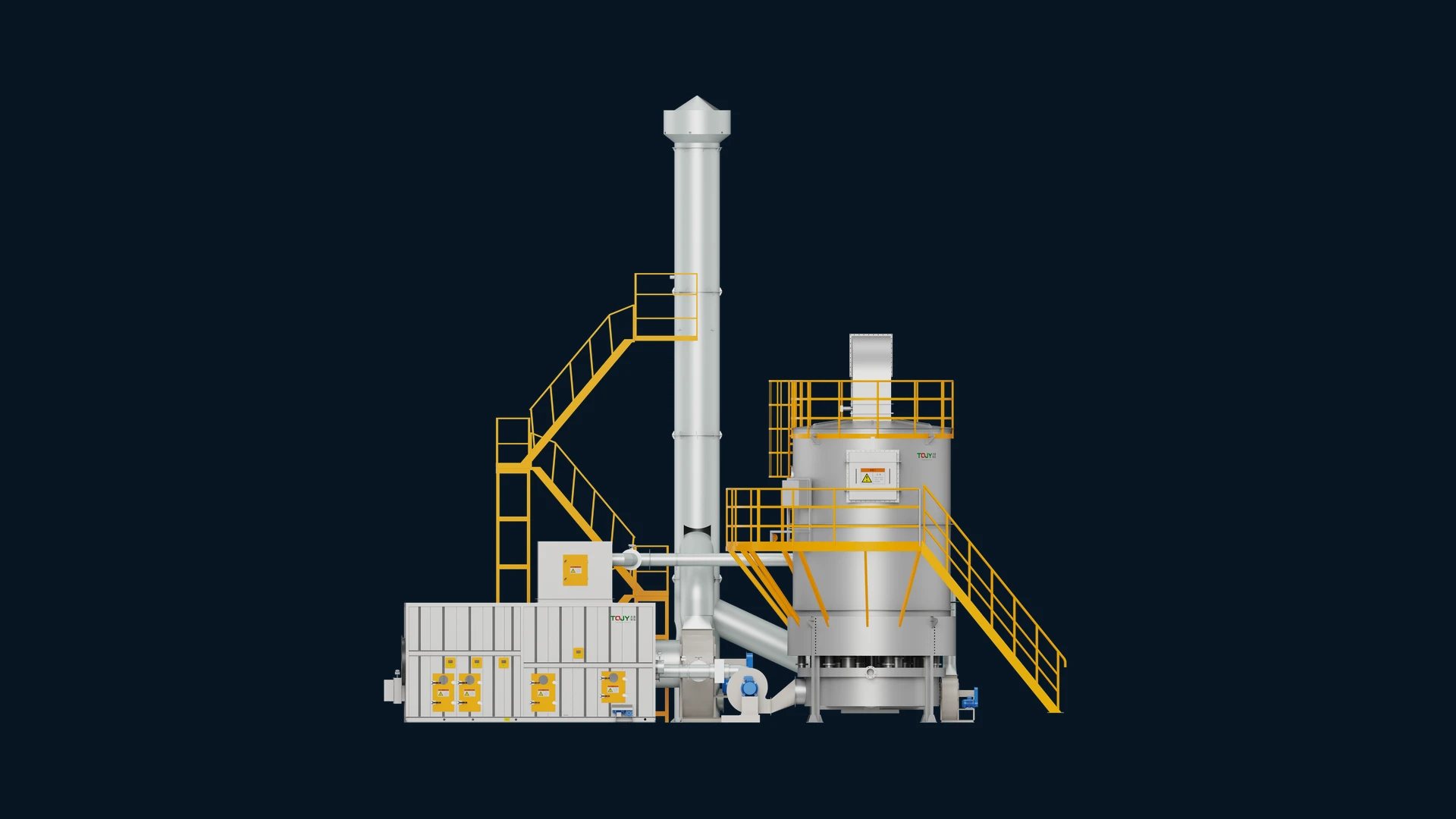
130,000 m³/h Zeolite Rotor & Three-Bed RTO for Architectural Veneer Fluorocarbon Coating
Jet-Mixing & Cyclone Double-Stage Scrubbers + 5-Stage Dry Filtration + 130,000 m³/h Zeolite Rotor (280°C Desorption) + 12,000 m³/h Three-Bed RTO
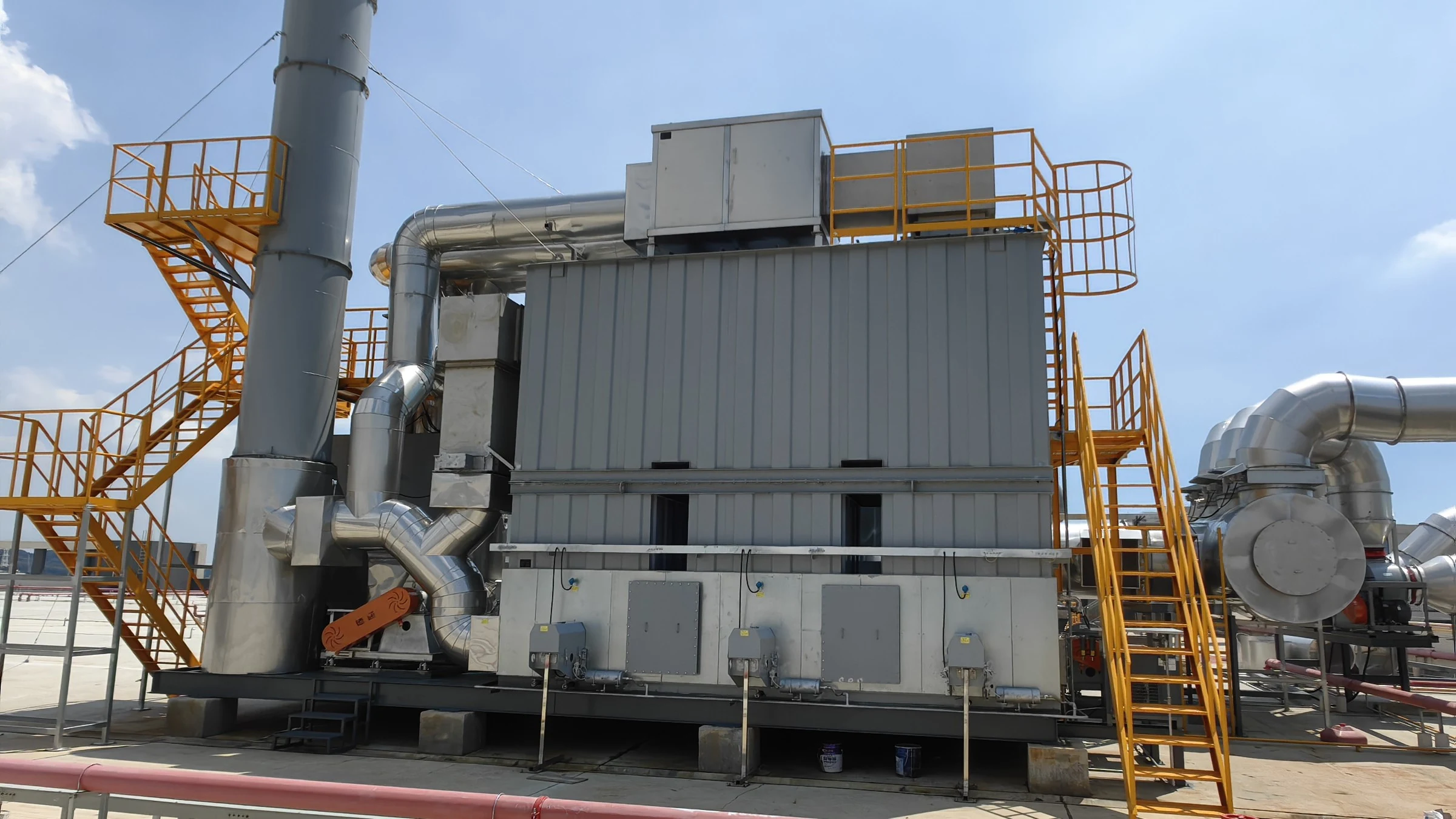
450,000 m³/h Dual Zeolite Rotor & 3-Bed RTO System for JMA Aluminum Fluorocarbon Coating Lines
Dual-Train Zeolite Rotor (2×220k m³/h) + 3-Bed RTO (55k m³/h) + Dual Jet Scrubbers + 4-Stage Dry Filtration
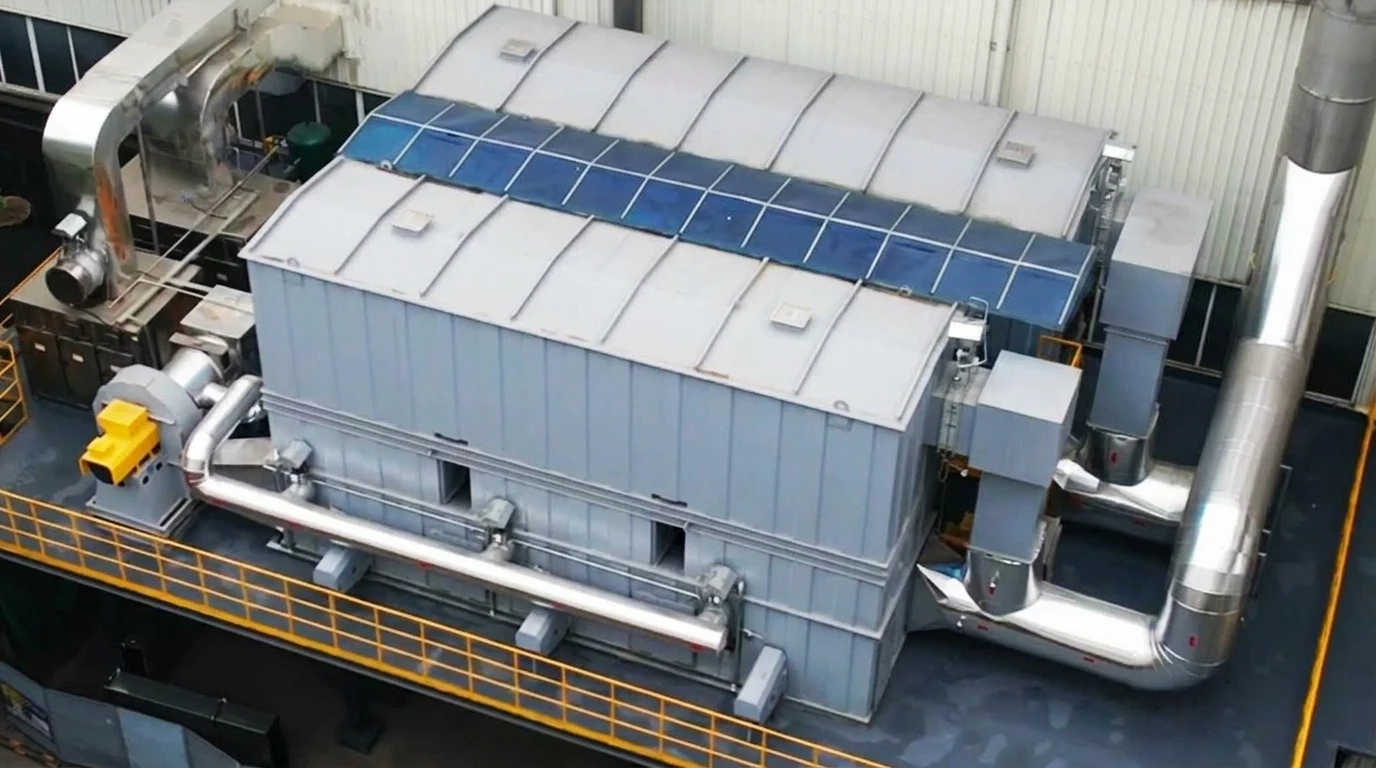
60,000 m³/h Dual 3-Bed RTO Thermal Abatement System for Haier Smart Home (Chongqing)
Dual-Train 3-Bed RTO (35k + 25k m³/h) + Stainless Wire Mesh Demisters + 25m Combined Stack
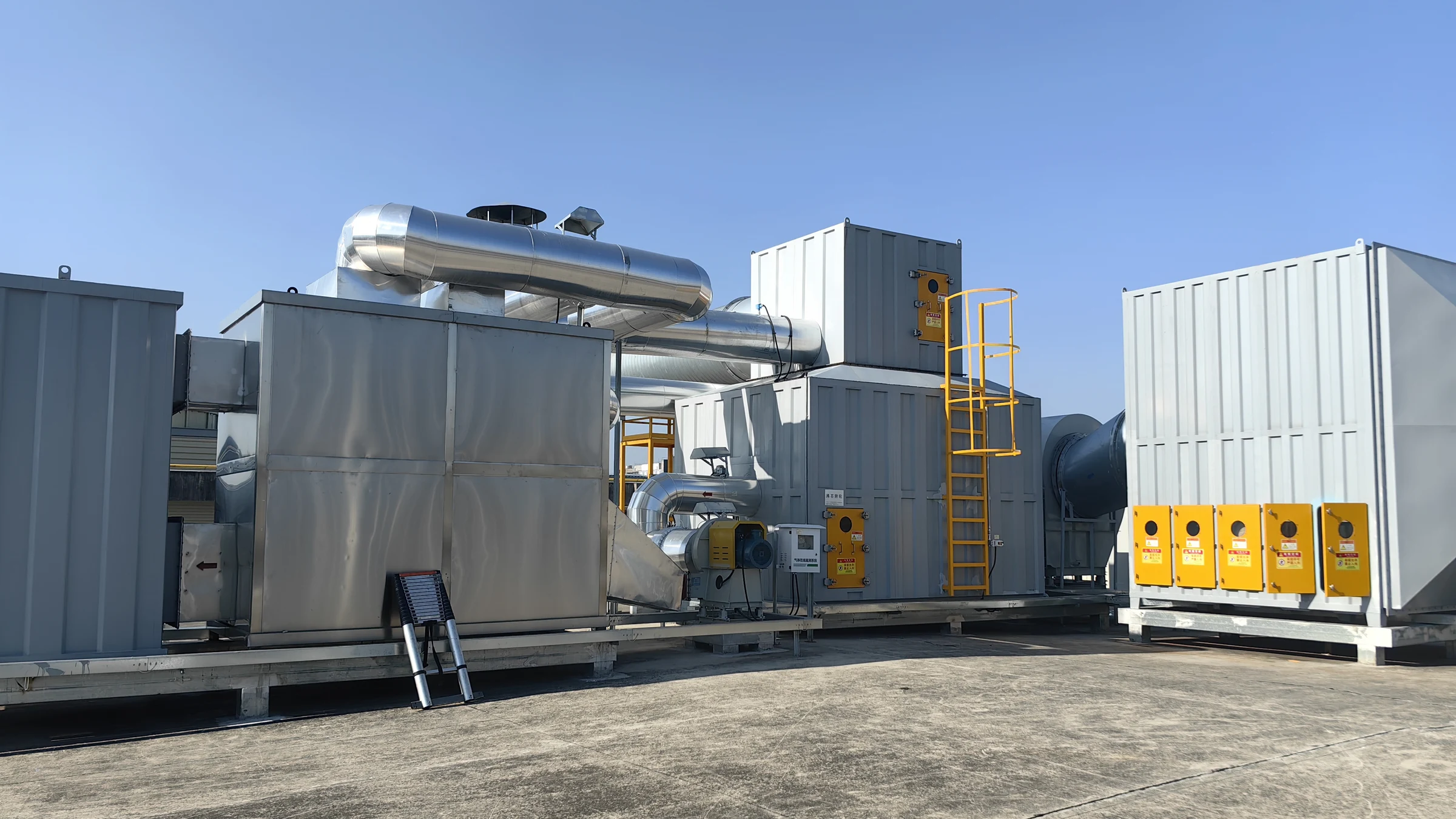
170,000 m³/h VOC Abatement System for Glass Spray-Painting and Silk-Screening
Multi-Stage Dry Filtration (G4-F9) + Cylinder Zeolite Rotor + Catalytic Oxidizer (CO)
E-Bike Production Base Coating Exhaust Treatment
Dry filtration + zeolite rotor + RTO
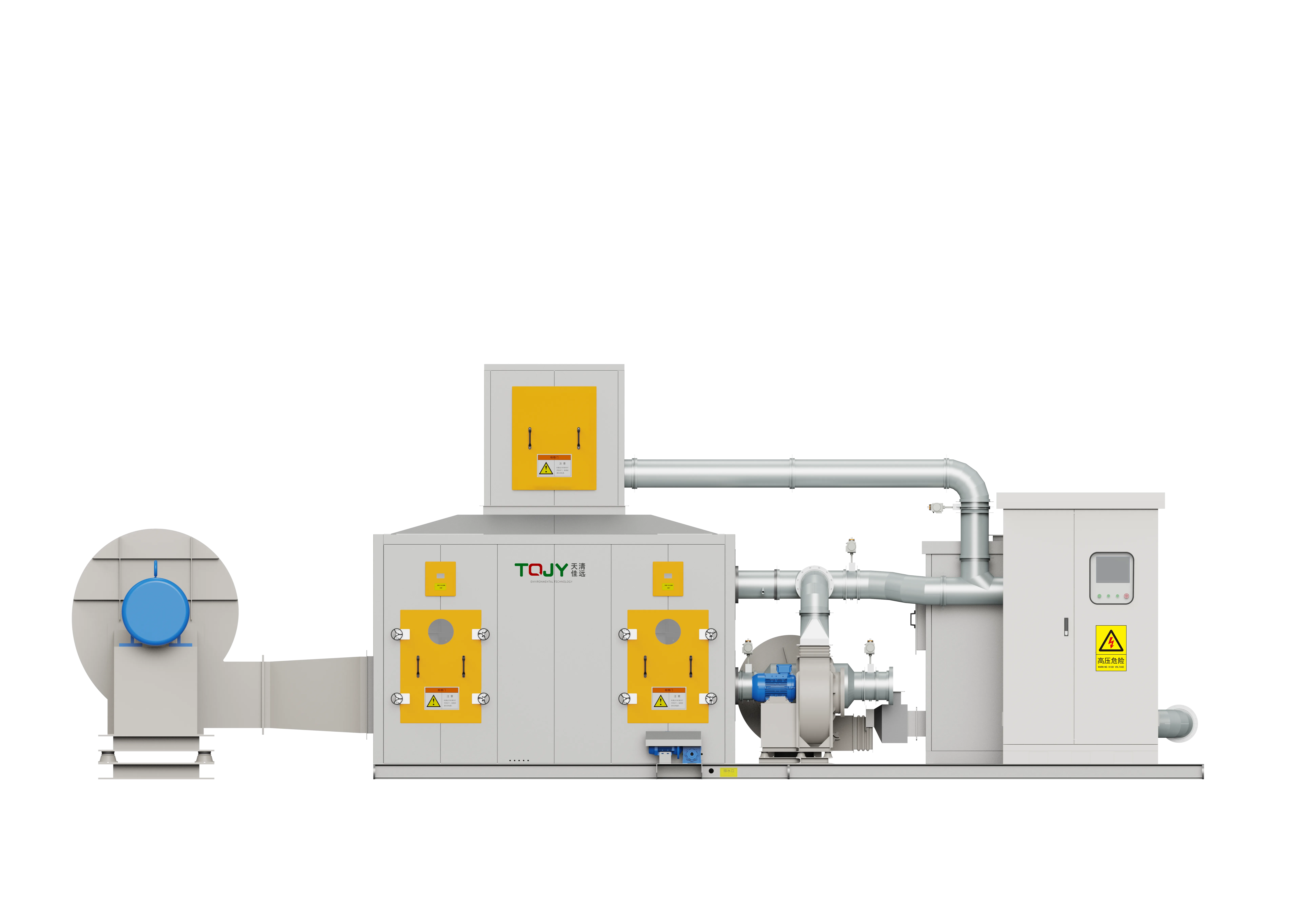
UV Coating Zeolite and Catalytic Oxidation Project
Zeolite rotor + catalytic oxidation
Configurations commonly evaluated
These configurations are starting points for this industry. Final selection depends on measured airflow, pollutant chemistry, concentration, temperature and production schedule.
Three-Tower RTO
A premier-grade industrial VOC thermal abatement system that achieves >=99% VOC destruction efficiency and >=95% thermal energy recovery through a classic three-bed alternating heat-exchange and purge process.
View equipmentRotary RTO
A next-generation RTO system utilizing a continuously rotating gas distributor instead of switching valves, providing stable thermal destruction of VOCs with >= 99% purification efficiency, >= 95% thermal recovery, and zero pressure spikes.
View equipmentZeolite Rotor
A high-efficiency VOC pre-treatment and concentration system utilizing advanced hydrophobic zeolite molecular sieves to continuously adsorb, desorb, and enrich large-airflow, low-concentration organic exhaust gases, reducing downstream thermal destruction energy consumption by 40% to over 50%.
View equipmentRotor + 3-Tower RTO
The premier system for large-airflow, low-concentration VOC emissions, combining a hydrophobic zeolite rotor for 10-40x gas enrichment with a mature three-tower RTO for complete destructive oxidation, cutting energy costs by 40%-60%.
View equipmentRotor + Rotary RTO
The ultimate high-end VOC abatement configuration, marrying a hydrophobic zeolite rotor for 10-40x gas concentration with a valveless Rotary RTO for continuous, pulse-free, and highly energy-efficient thermal destruction (efficiency >= 99.8%).
View equipmentZeolite Rotor + CO
A modular, highly compact VOC abatement system integrating zeolite molecular sieve concentration with low-temperature catalytic oxidation (CO) at 250-350°C, delivering energy savings of up to 20%+ and zero fire risk for small-to-medium airflow setups.
View equipmentMap your coating & surface finishing process
Share exhaust sources, airflow, concentration, operating temperature and schedule. We will identify pretreatment needs and a suitable control train.