
Technical Insights
Practical selection and comparison notes for industrial VOCs and flue-gas projects.
Use process data to narrow the treatment path
These notes are decision aids, not equipment promises. Final system design requires measured process conditions, solvent chemistry and the applicable emission target.
I have VOC airflow and concentration data
Start with the selection guide to understand when direct oxidation, concentration or adsorption is typically evaluated.
Read the selection guide →I need to compare RTO and catalytic oxidation
Compare energy, chemistry, footprint and configuration boundaries before shortlisting a treatment train.
Read the comparison →I have a large volume of dilute exhaust
Learn where zeolite rotor concentration can reduce the downstream oxidation volume.
Explore zeolite concentration →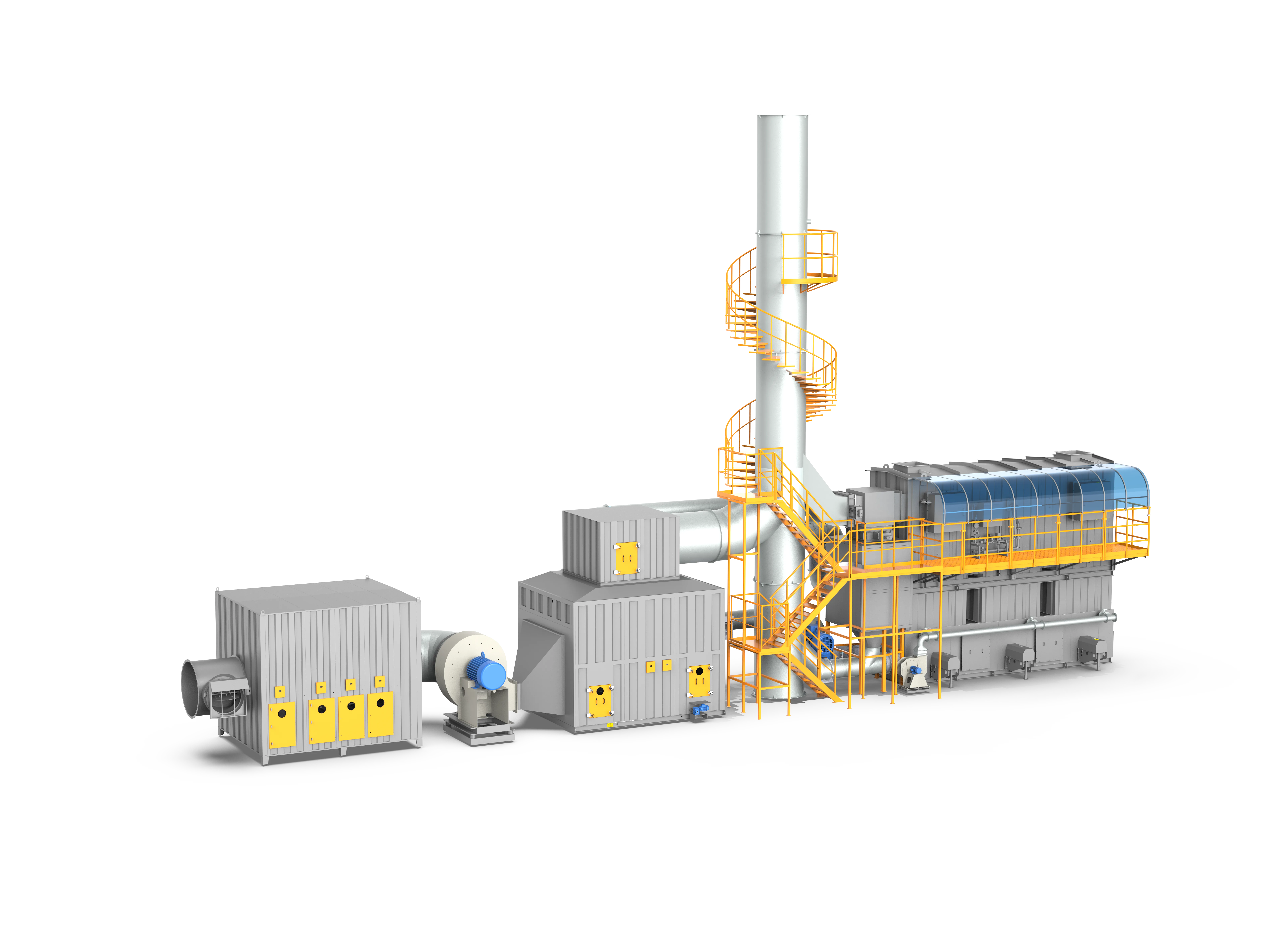
VOCs Airflow & Concentration Selection Guide
How airflow and inlet concentration drive choices between zeolite concentration, RTO, catalytic oxidizer, and carbon systems.
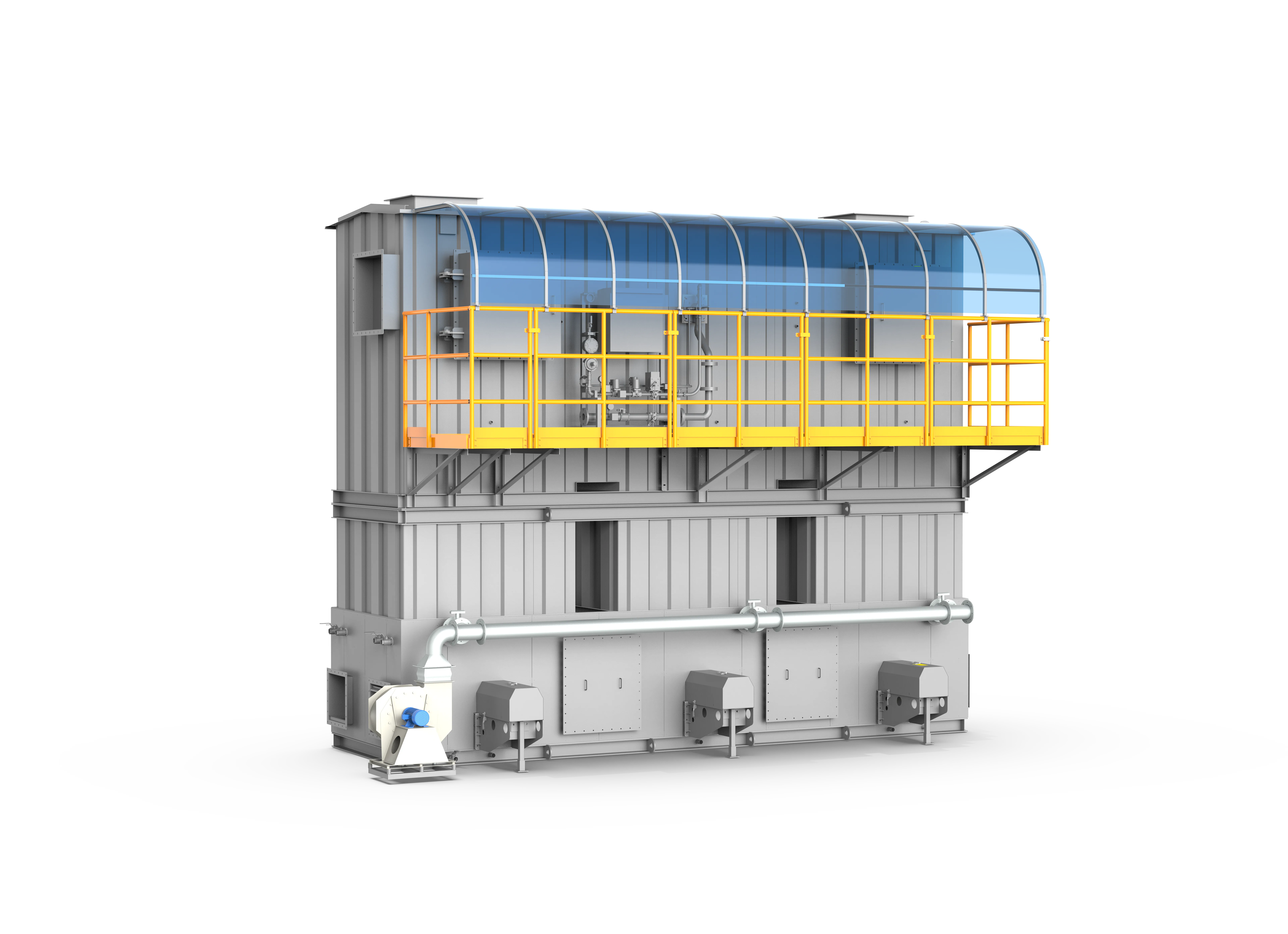
RTO vs Catalytic Oxidizer: How to Choose
A practical comparison of regenerative thermal oxidizers and catalytic oxidizers for industrial VOCs projects.
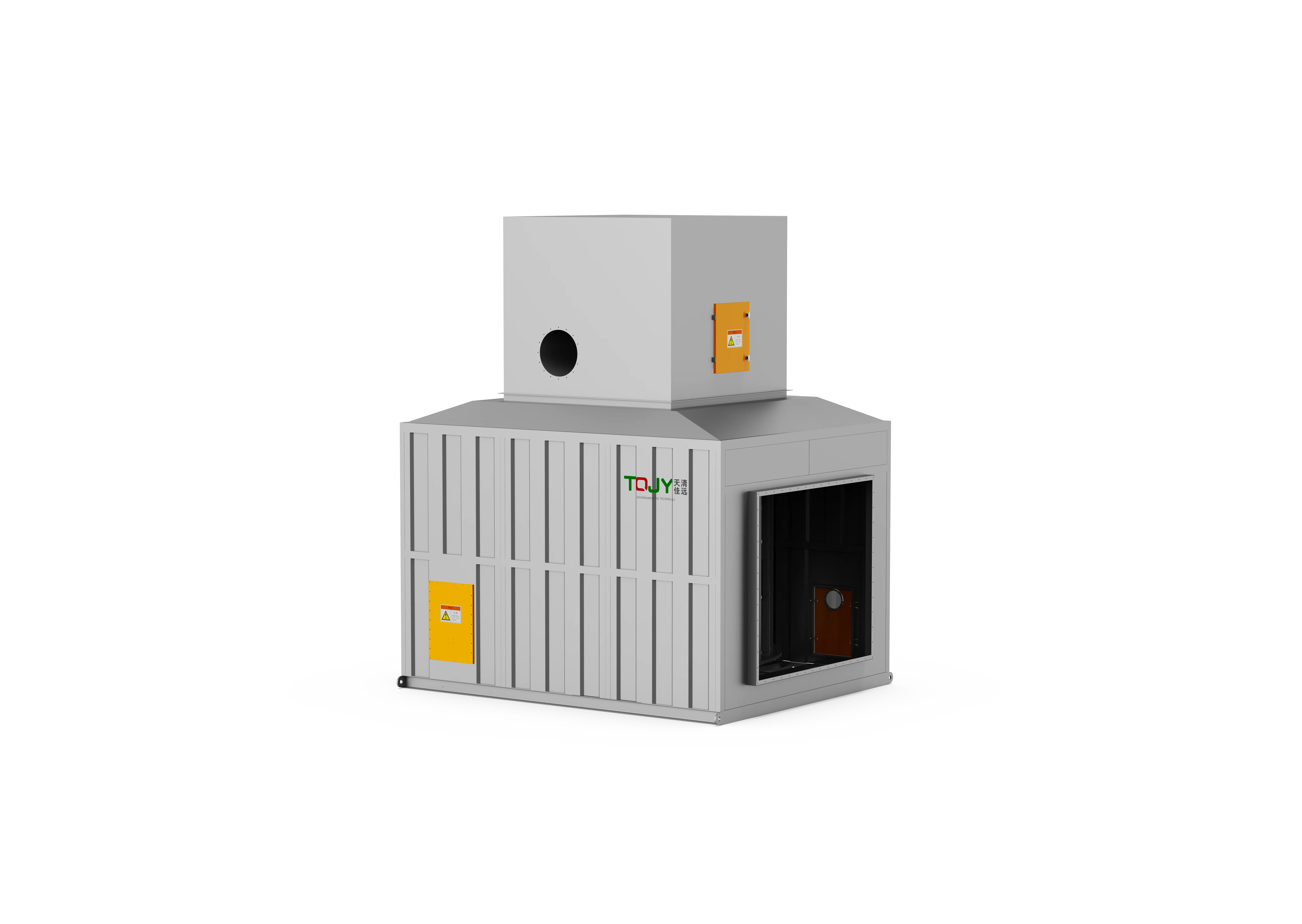
When to Use a Zeolite Rotor Concentrator
Where zeolite molecular sieve concentrators pay off in coating, printing, and electronics VOCs trains.

WESP for Industrial Oil Mist & Flue Gas
How wet electrostatic precipitators capture sticky aerosols and fine mist after scrubbing or as primary control.
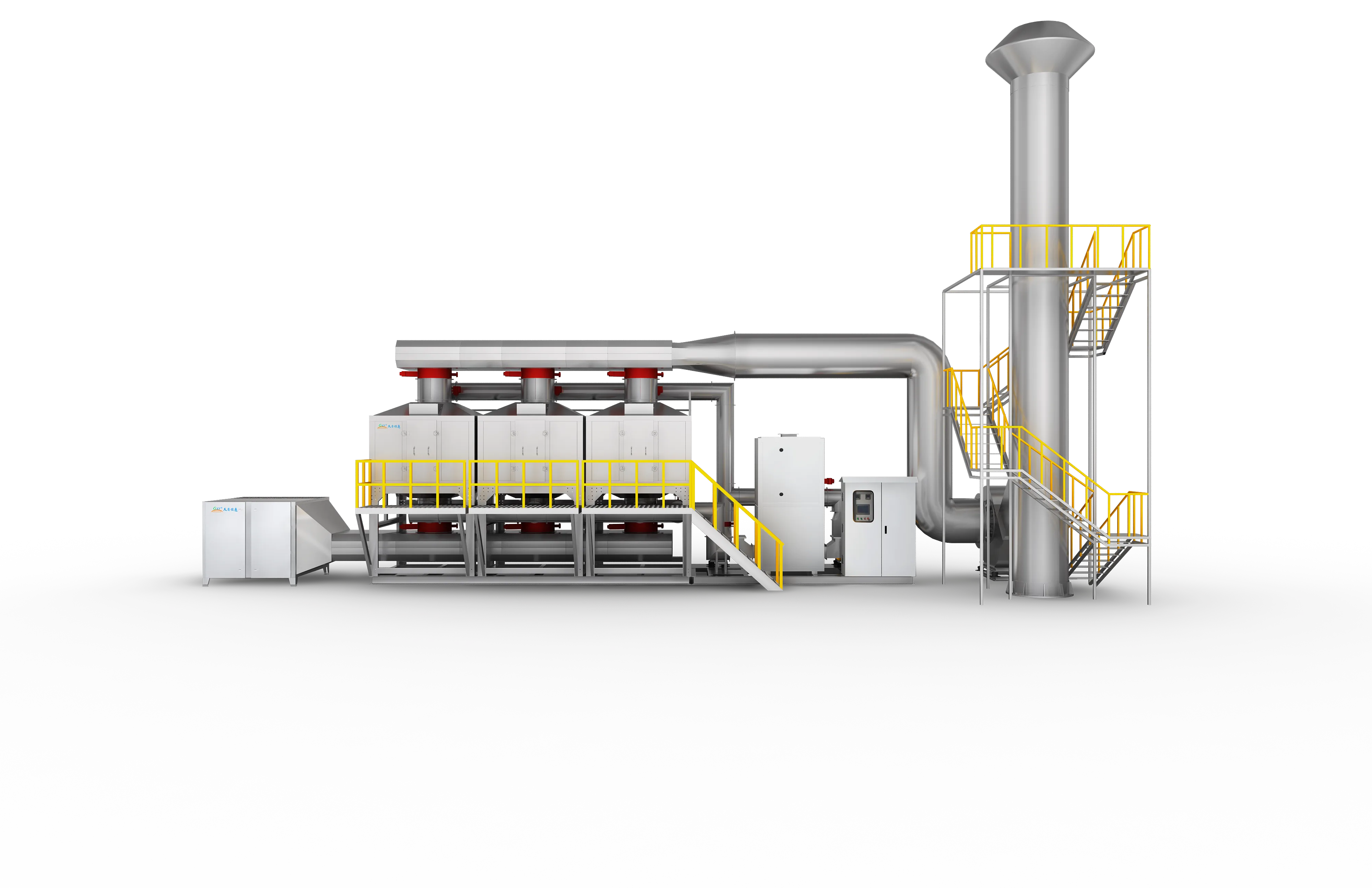
Activated Carbon vs Zeolite Rotor for VOC Concentration
A practical guide to comparing activated-carbon adsorption and zeolite rotor concentration before catalytic oxidation, RTO, recovery or replacement decisions.
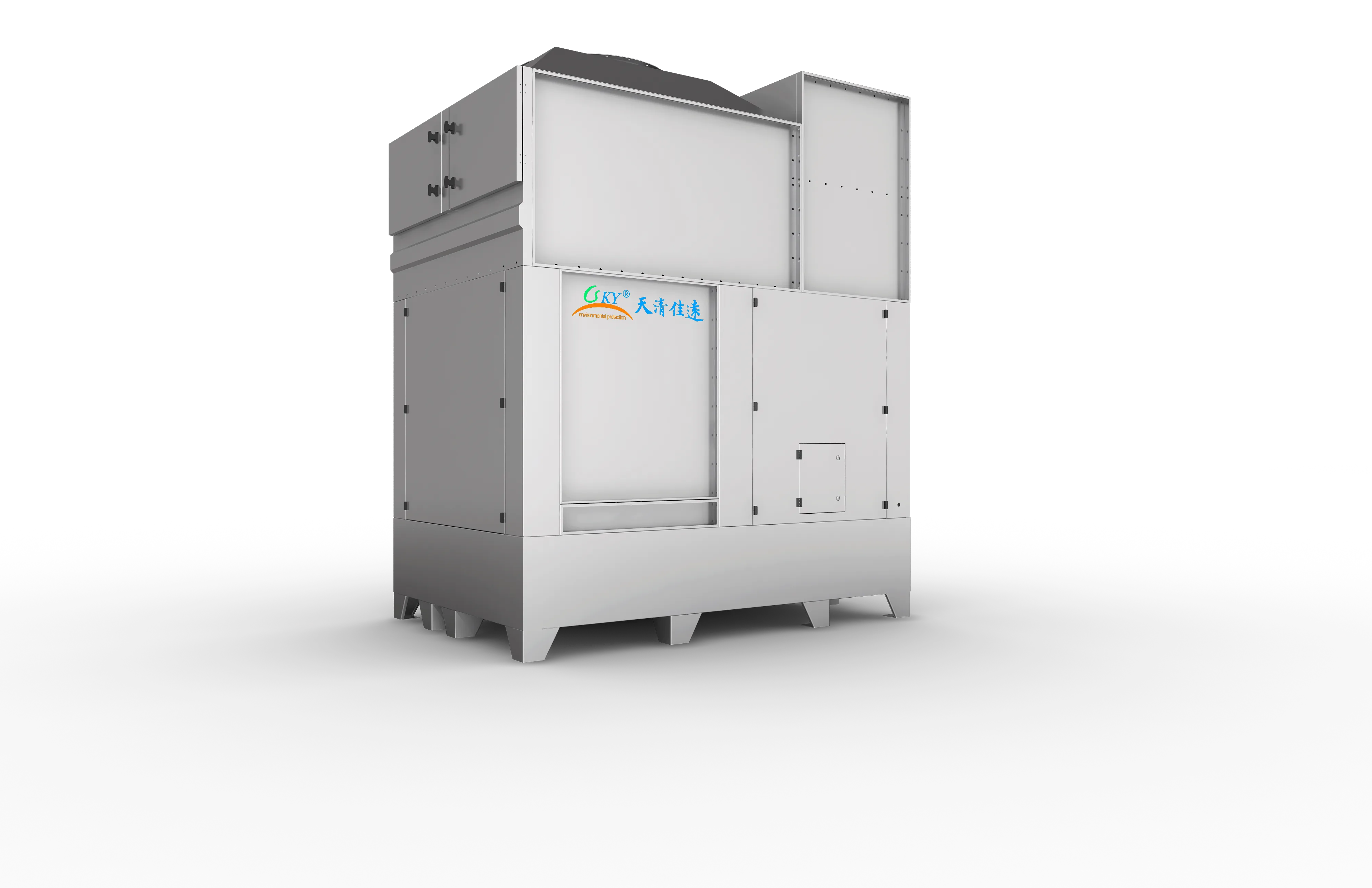
VOC Pretreatment Before RTO, Catalytic Oxidation or Zeolite
Why mist, dust, condensables, corrosive gases and unstable exhaust conditions must be assessed before a VOC oxidation or concentration system is specified.
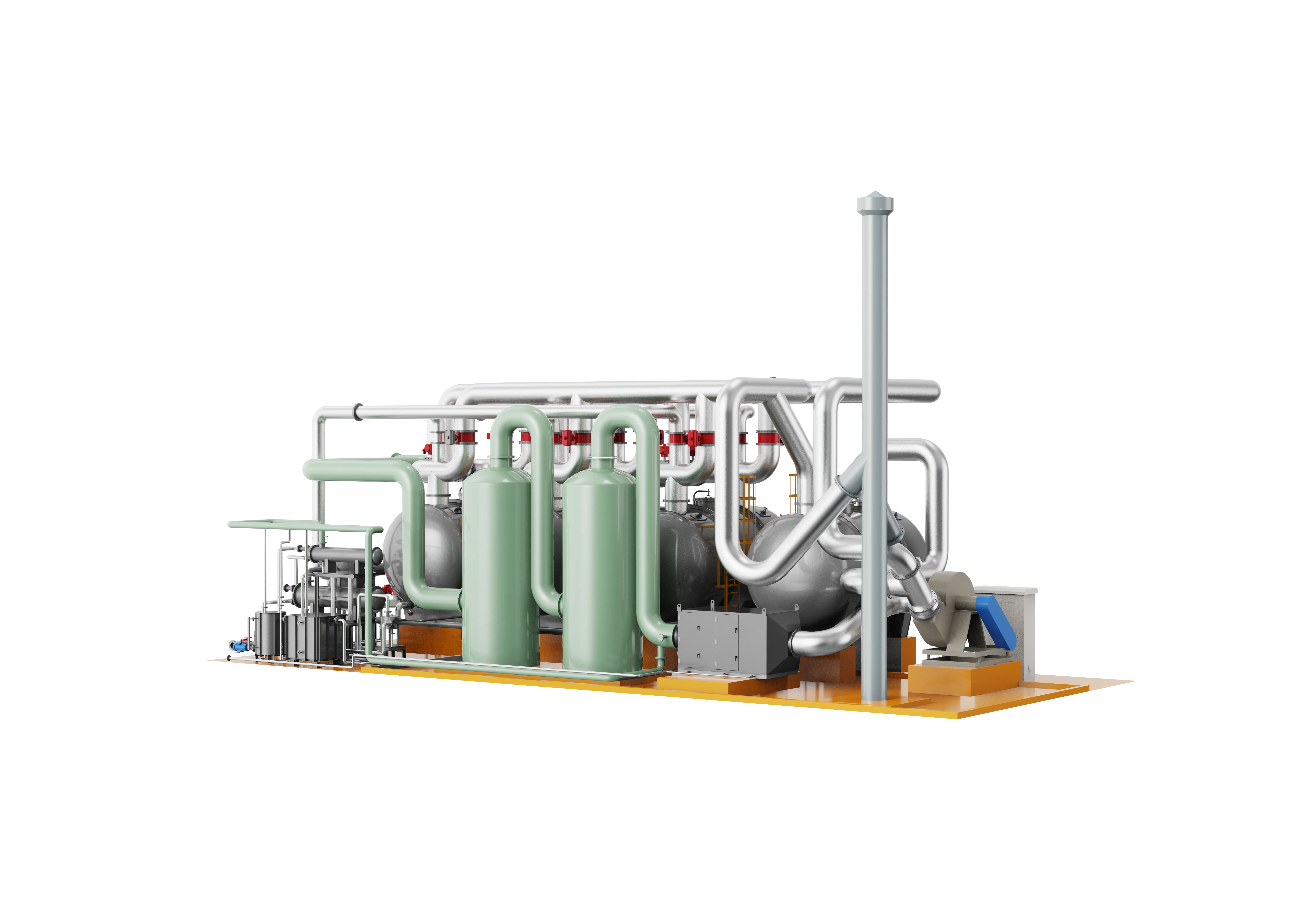
Solvent Recovery vs VOC Destruction: How to Evaluate the Path
When to evaluate adsorption and recovery, and when oxidation is the more appropriate path for industrial solvent-bearing exhaust.
WESP vs Dust Collector for Industrial Oil Mist and Fine Aerosol
How to distinguish fine, sticky oil mist and aerosol duty from dry particulate collection when assessing WESP, filters and wet pretreatment.
Need a plant-specific recommendation?
Guides are starting points. Process data decides the final train.
Request Quote