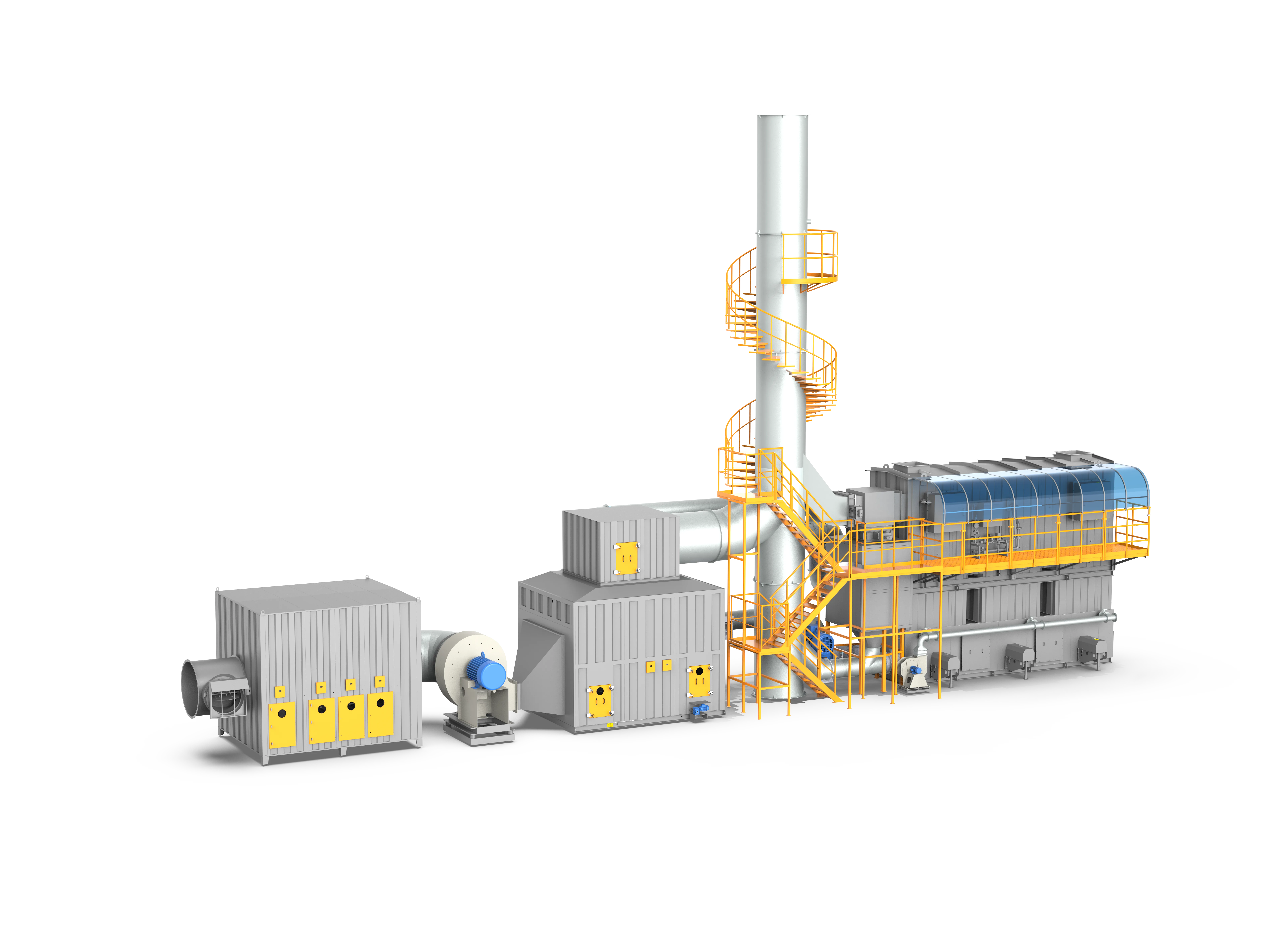
Zeolite Rotor Concentrator
Molecular sieve rotor systems that concentrate large-airflow, low-concentration VOCs before oxidation—cutting energy cost.
Where Zeolite Rotor fits
When exhaust volume is high but solvent concentration is low, oxidizing the full stream is expensive. A zeolite rotor adsorbs VOCs from the process air and desorbs them into a much smaller, richer stream sized for RTO or catalytic oxidation.
Large airflow, low concentration VOCs (coating, printing, electronics)
Catalog range for combined systems
Media-dependent working range
High-boiling duty option
How the system works
The rotor turns continuously through adsorption, desorption, and cooling zones. Large process airflow is cleaned in the adsorption sector; a smaller desorption airflow carries concentrated organics to the downstream oxidizer.
- 01Large-volume process air enters the adsorption zone.
- 02Zeolite media captures compatible VOC molecules.
- 03A small heated stream desorbs and concentrates the VOCs.
- 04The concentrated stream is sent to RTO or catalytic oxidation.
Choose by process conditions
| Configuration | Description | Best fit | Source metric |
|---|---|---|---|
| Disc Zeolite Rotor | Axial-flow rotor with a large frontal adsorption area and established modular sizing. | Large, stable process airflows and conventional coating or printing duty. | Project-specific |
| Cylindrical Zeolite Rotor | Radial-flow cylindrical media designed for greater adsorption area within a compact envelope. | Compact layouts, higher-boiling components, and projects prioritizing lower pressure drop. | Project-specific |
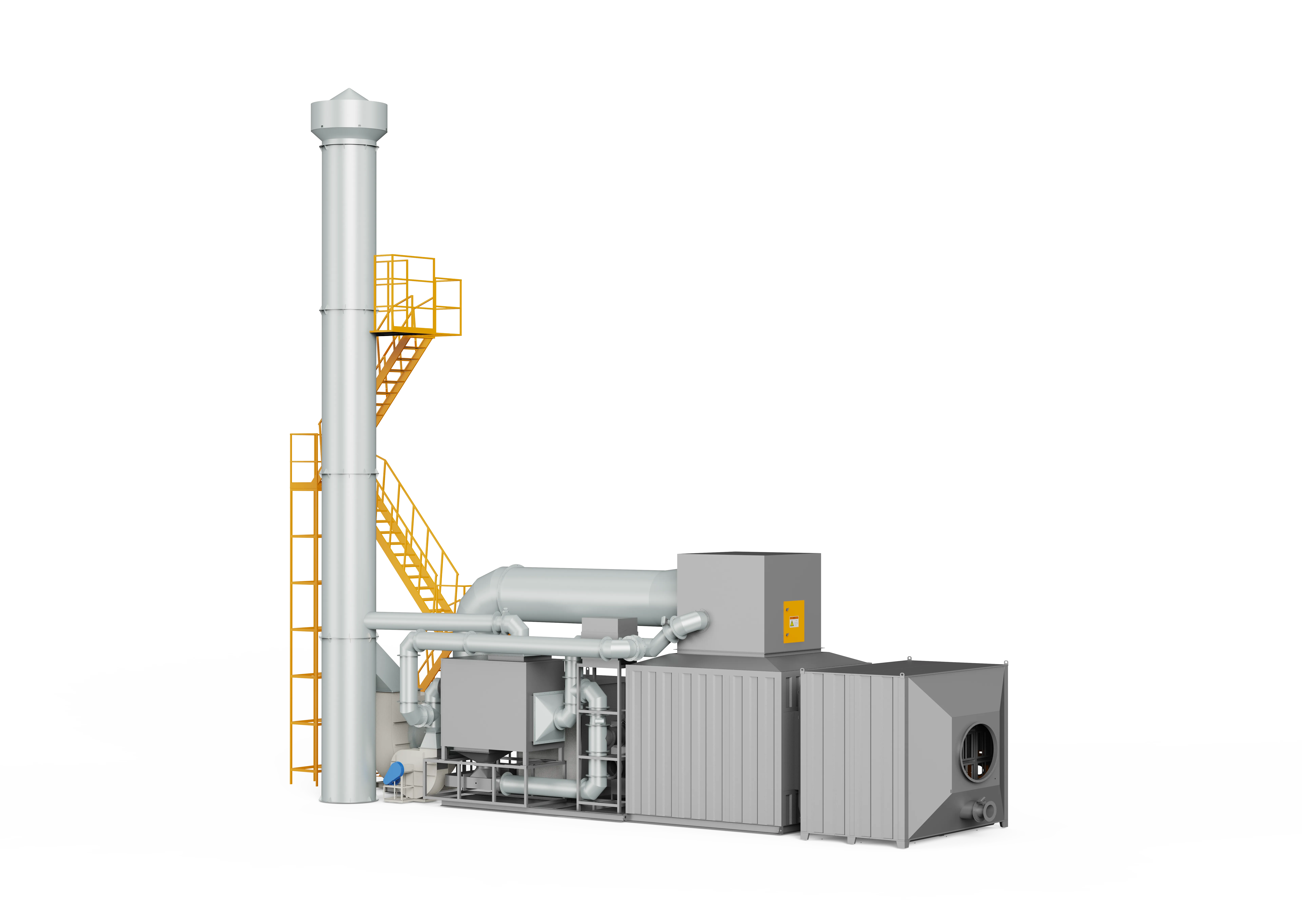
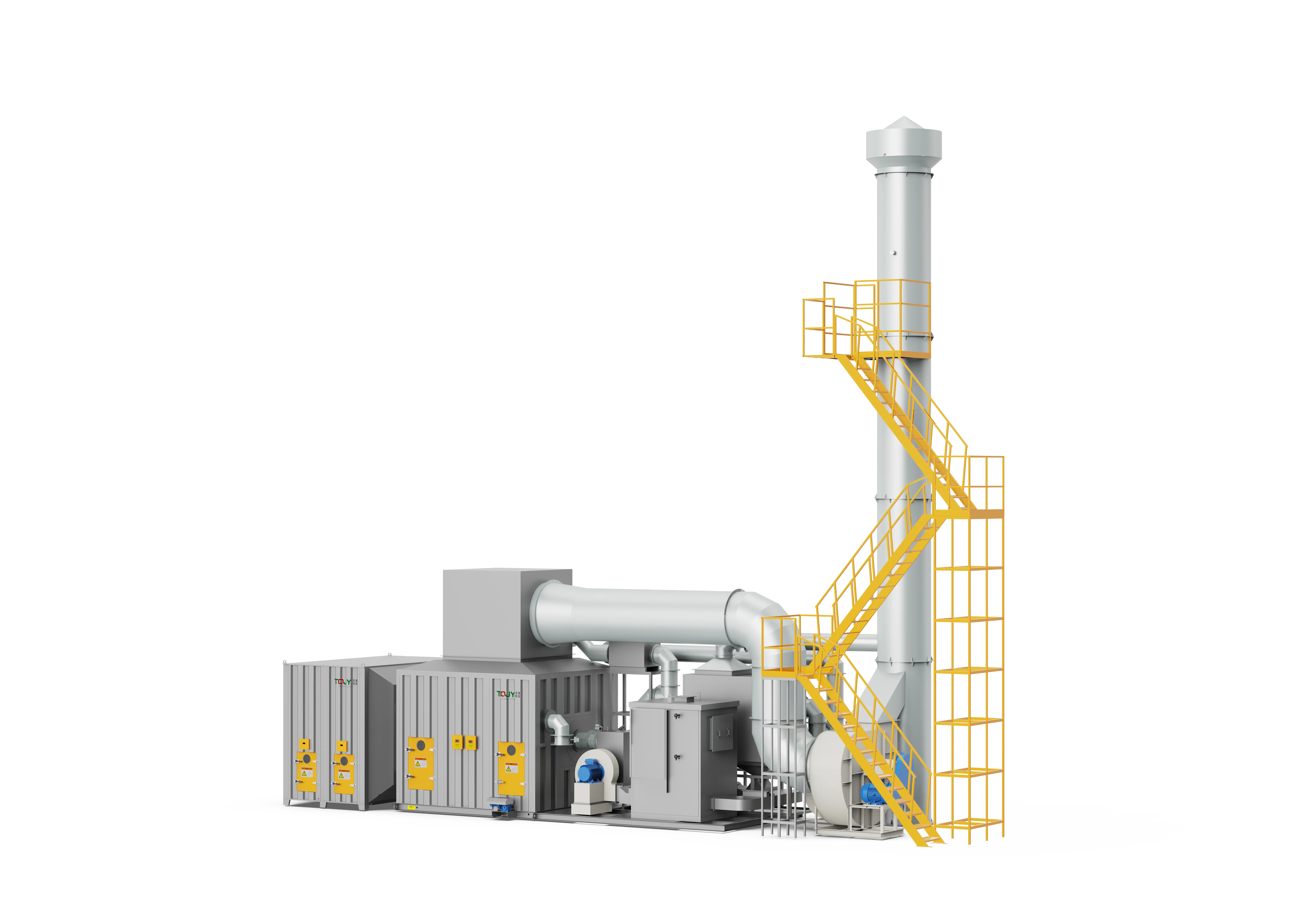
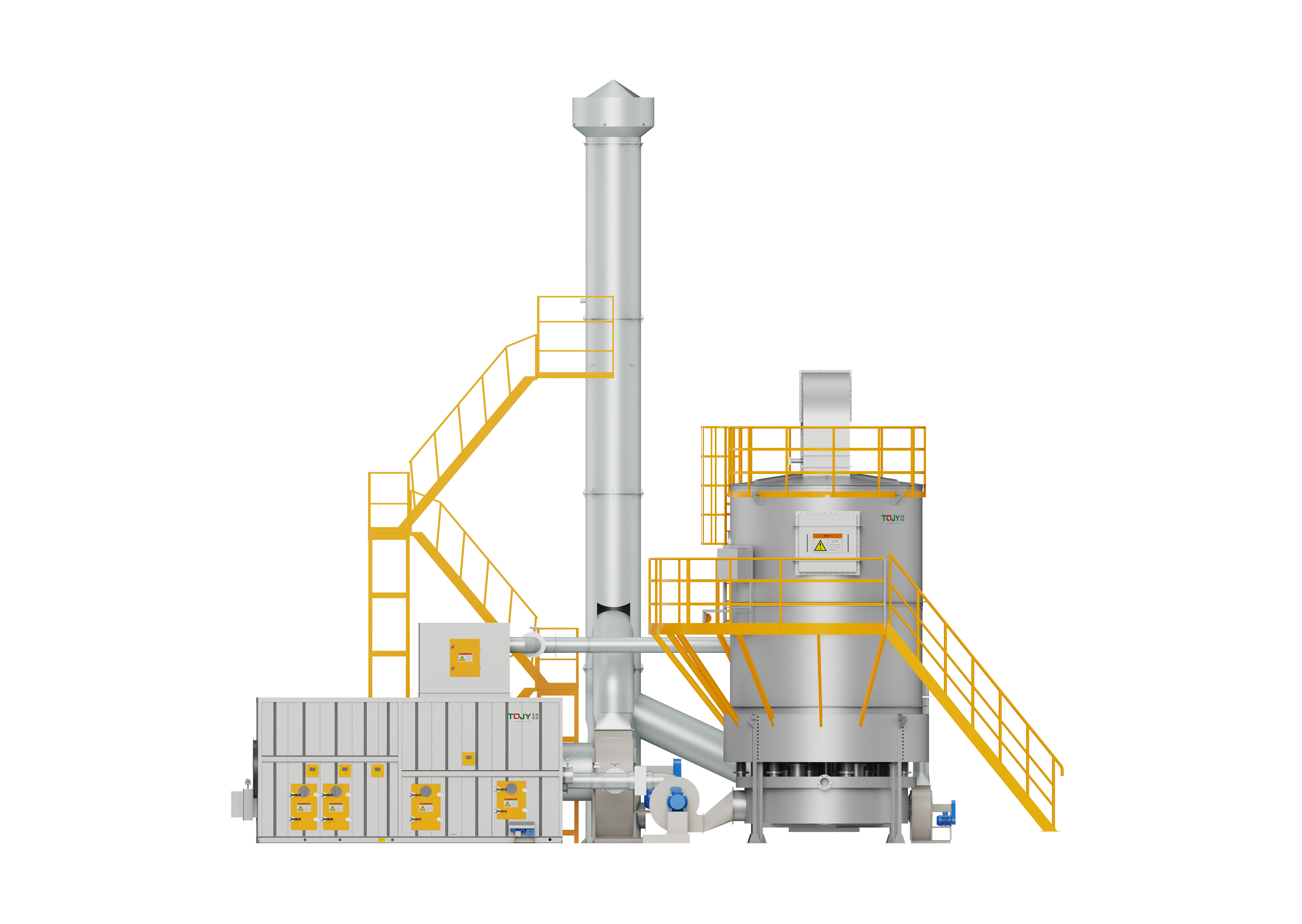
| Integrated Or Split Package | Rotor, desorption, fan, heat exchange, and oxidation arranged as one package or separate modules. | Export skids, retrofit sites, and layouts with restricted equipment zones. | Project-specific |
Typical pollutants
- Toluene and xylene
- Acetates and alcohols
- Ketones
- Mixed coating and printing solvents
Engineering features
- Adsorption, desorption, and cooling sectors
- Rotor sealing and leakage control
- Variable-speed drive
- Desorption temperature control
- Integrated or split-system layouts
Selection cautions
- High-boiling or easily polymerized compounds require compatibility review.
- Mist, particulate, and sticky aerosols must be removed before the rotor.
- Purification performance depends on the complete downstream oxidation train.
What determines the final treatment train
Technology selection begins with process data. The same technology can require different pretreatment, materials, controls and maintenance provisions from one plant to another.
Information to confirm
- Airflow and concentration profile by production mode
- VOC component list, boiling point and polymerization risk
- Inlet temperature, relative humidity, dust and paint-mist loading
- Desorption heat source and downstream oxidizer selection
- Available footprint for integrated, split or vertical layout
Typical system scope
- Multi-stage dry filtration or other approved pretreatment
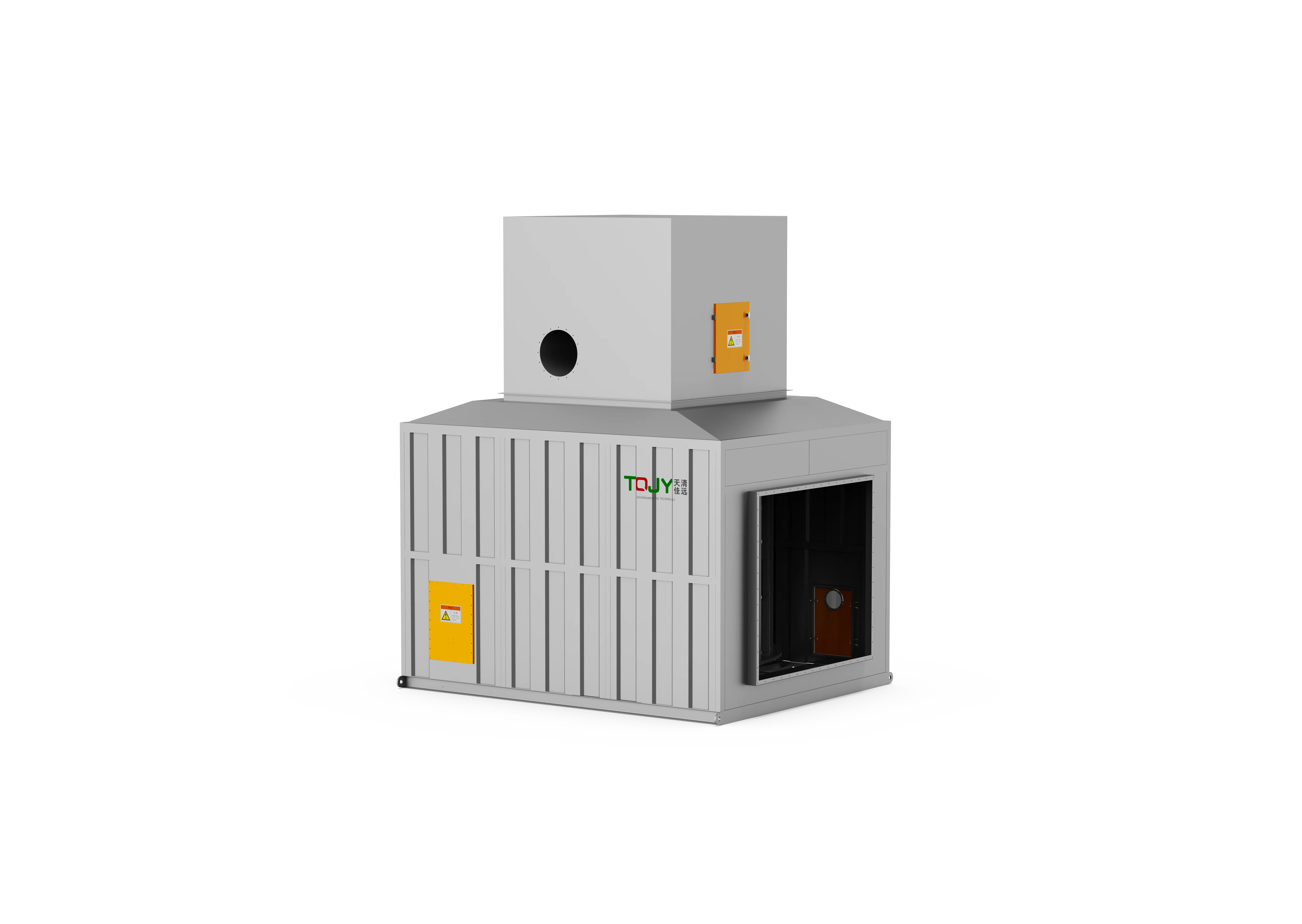
- Disc or cylindrical molecular-sieve rotor
- Desorption-air heater, cooling section and variable-speed drives
- Downstream RTO or catalytic oxidizer connection
- PLC linkage, differential-pressure and temperature monitoring
Selection boundaries
- Rotor media compatibility is confirmed before equipment selection.
- Dust, paint mist, acid/alkali gases and high-boiling or polymerizable compounds require removal or dedicated review.
- Desorption temperature, airflow and downstream oxidizer load are controlled as one system.
- A compatibility assessment is required for low-boiling, highly polar and corrosive compounds.
Source basis: VOCs equipment source. Rotor speed, desorption temperature and concentration ratio are reference values only.
Products using this technology
Selection questions
What does a zeolite rotor do?
It adsorbs compatible VOCs from a large process-air stream and releases them into a smaller heated desorption stream. That smaller stream is then sent to an RTO or catalytic oxidizer.
Is a zeolite rotor suitable for every VOC?
No. Solvent chemistry, boiling point, humidity, particulates, mist and reactive compounds all affect media suitability. A gas analysis is required before a recommendation is made.
Equipment views
Specify Zeolite Rotor for your plant
Performance depends on actual gas composition, inlet load, temperature and operating schedule. Share process data for a configuration review.