Rubber & Plastics
PVC, compounding, injection, and polymer processing fumes.
Processes and emission sources
Zeolite or carbon concentration with CO for organics; WESP for mist-heavy exhaust streams.

Real engineering project deployed by FluxFine Environmental.
Common pollutants
- Plasticizer fumes
- Oil mist
- Styrene and mixed VOCs
- Odor compounds
- Particulate
Typical conditions
- Variable recipes
- Sticky condensable fumes
- Medium temperature exhaust
- Odor-sensitive boundaries
Engineering priorities
- Condensation control
- Duct fouling
- Recipe peaks
- Media compatibility
- Cleaning access
From collection to compliant discharge
- 01
Local capture
- 02
Cooling or filtration
- 03
WESP where mist-heavy
- 04
Adsorption or oxidation
- 05
Odor polishing
How we turn rubber & plastics exhaust data into a treatment train
The recommended configuration is built around the actual production process, not a generic industry label. This is especially important when one site has multiple exhaust headers, recipes or operating modes.
Common treatment challenges
- Plasticizer and solvent odors
- Oil mist from compounding
- Variable production recipes
Data we request
- Exhaust source, airflow and operating schedule
- VOC/pollutant analysis, concentration range and LEL information
- Temperature, humidity, dust, mist and corrosive components
- Existing collection or pretreatment equipment
- Emission target, layout, utilities and shutdown constraints
Engineering decisions
- Whether streams should be segregated, balanced or treated together
- Which pretreatment protects downstream equipment
- Whether concentration, direct oxidation, recovery or polishing is appropriate
- Materials, safety interlocks, monitoring and maintenance access
- Where recovered heat or utilities can be integrated
Recommended path for rubber & plastics exhaust
This is a decision framework based on the supplied product and project material. The final train changes with measured chemistry, operating patterns and site constraints.
Common emission sources
- Compounding and mixing fumes
- Extrusion, injection moulding and pelletizing
- PVC/plasticizer process emissions
- Oil mist and odor from hot processing
Local capture → cooling/filtration or WESP → adsorption/concentration → oxidation or odor polishing
Condensable organic fumes, plasticizers and oil mist can foul downstream media. The first decision is how to condition and separate the stream before VOC or odor treatment.
- 01Identify hot, oily and odor-bearing sources
- 02Control condensation and sticky deposition
- 03Use WESP/filtration where mist-heavy
- 04Select adsorption or oxidation from chemistry and load
- 05Add odor polishing only where justified
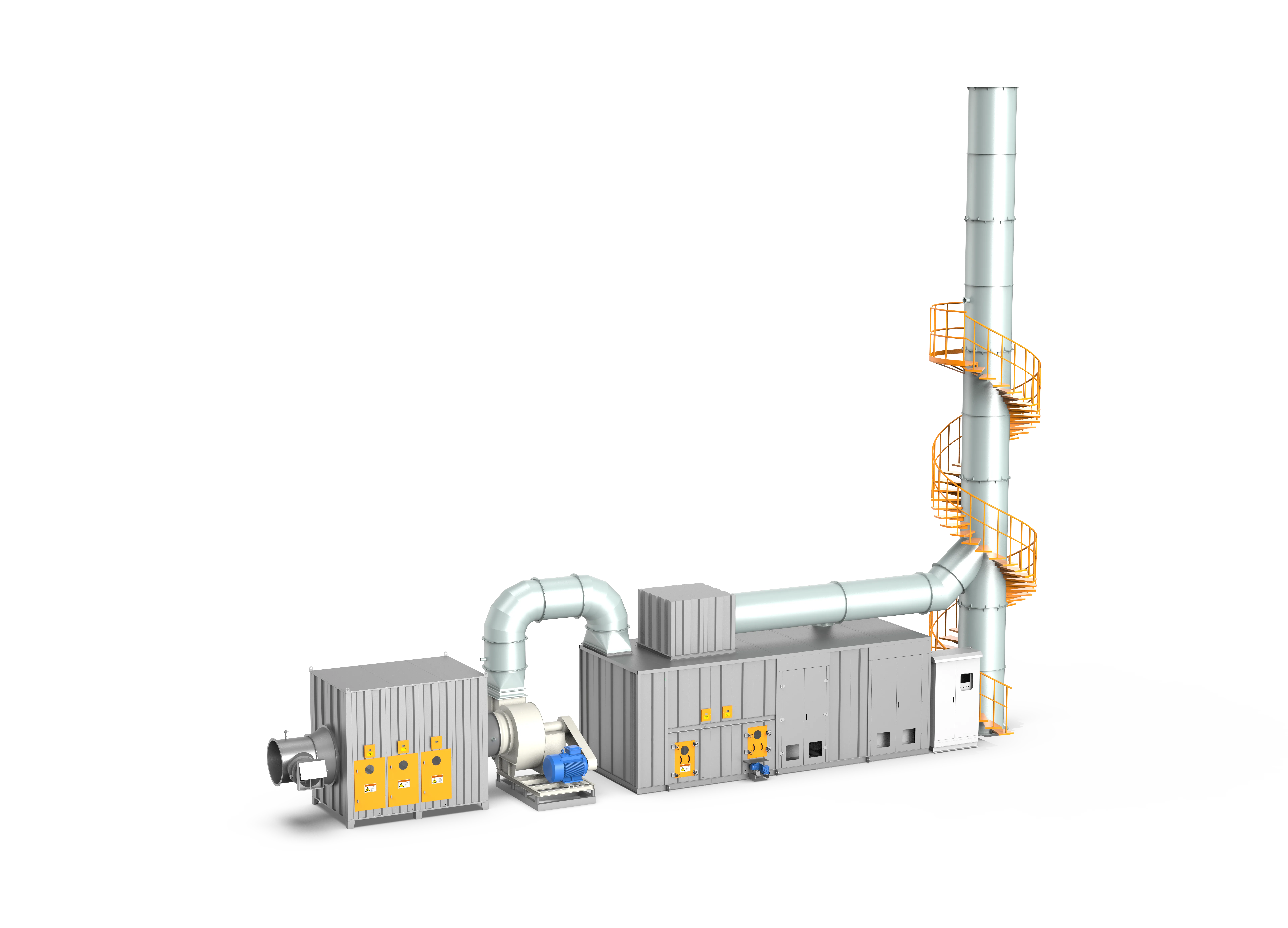
Carbon adsorption + catalytic oxidation
Consider for conditioned, intermittent, lower-concentration streams after a fire, humidity and media-compatibility review.
Process-specific questions
Why is plasticizer chemistry important?
High-boiling or sticky compounds can be difficult to desorb and can foul adsorption media or ducts. They must be identified before selecting a rotor or carbon system.
How is oil mist handled?
Mist-heavy streams are assessed for cooling, electrostatic collection, wet pretreatment or other conditioning before downstream VOC treatment.
Documented rubber & plastics applications
Published records show the documented process context and treatment configuration. Airflow and concentration values, where shown, are project data rather than product guarantees.
Configurations commonly evaluated
These configurations are starting points for this industry. Final selection depends on measured airflow, pollutant chemistry, concentration, temperature and production schedule.
Zeolite Rotor
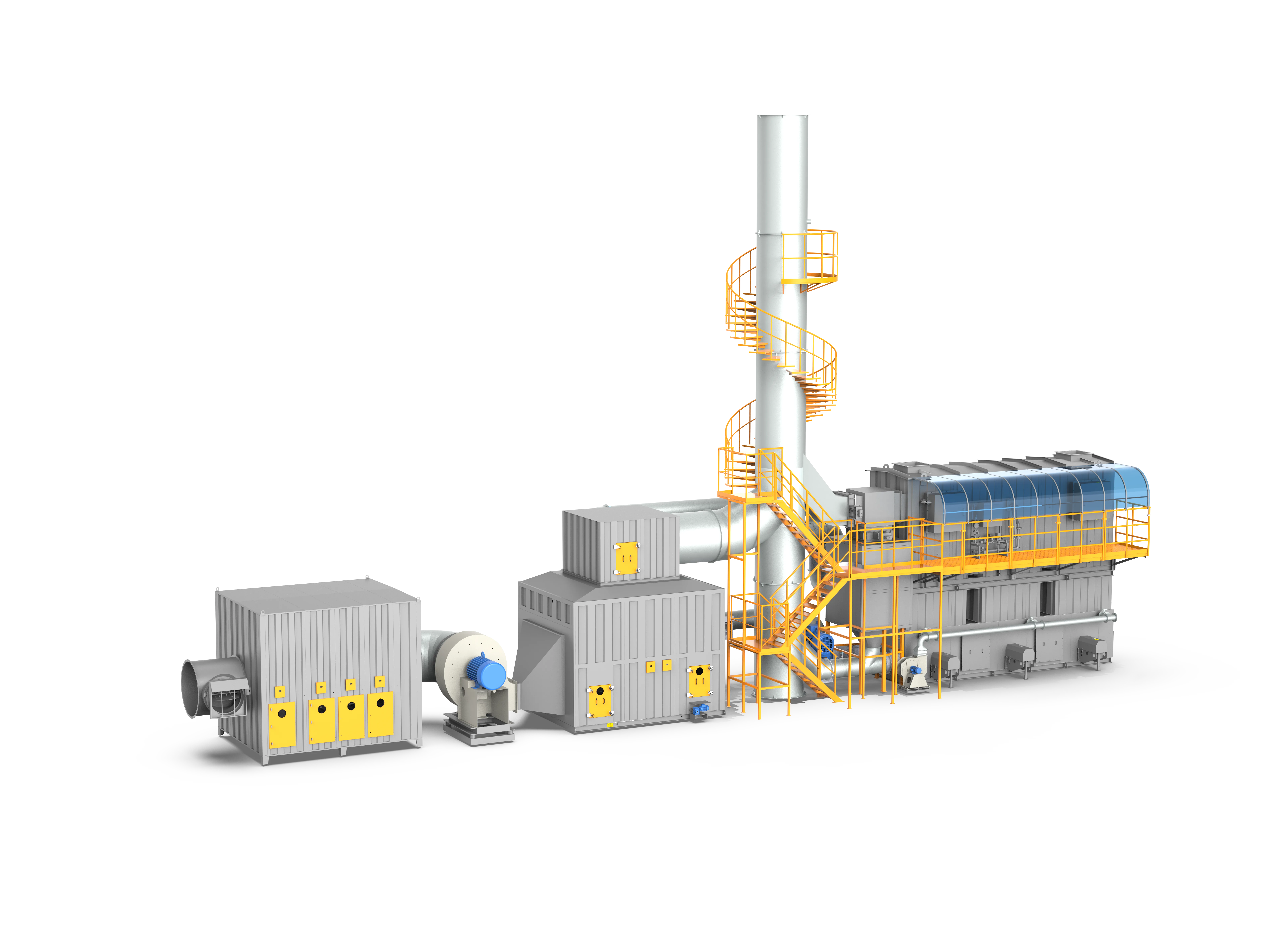
A high-efficiency VOC pre-treatment and concentration system utilizing advanced hydrophobic zeolite molecular sieves to continuously adsorb, desorb, and enrich large-airflow, low-concentration organic exhaust gases, reducing downstream thermal destruction energy consumption by 40% to over 50%.
View equipmentZeolite Rotor + CO
A modular, highly compact VOC abatement system integrating zeolite molecular sieve concentration with low-temperature catalytic oxidation (CO) at 250-350°C, delivering energy savings of up to 20%+ and zero fire risk for small-to-medium airflow setups.
View equipmentCarbon + CO
An exceptionally economical VOC abatement package integrating multi-bed activated carbon adsorption with hot-air thermal regeneration and low-temperature catalytic oxidation (CO) for small-scale, intermittent emissions.
View equipmentWESP
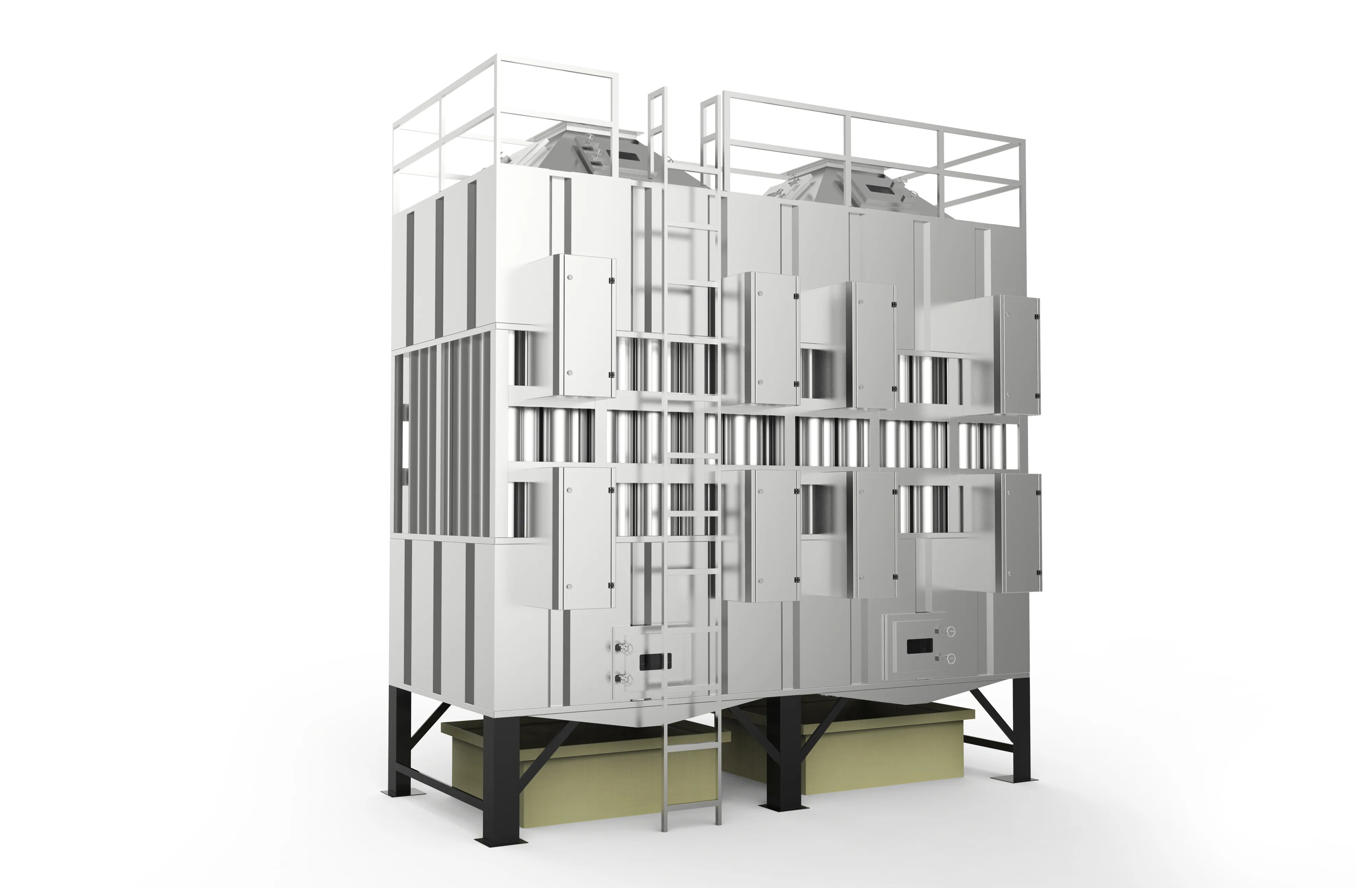
An elite wet-process electrostatic particulate removal system designed to capture sub-micron particles, PM2.5, acid mists, oil aerosols, and heavy metal condensates, achieving purification efficiencies of >=99% and emission concentrations of <30 mg/m³.
View equipmentCyclone Scrubber
An elite wet-cyclonic pre-treatment system designed to capture highly sticky, fibrous, and abrasive dusts from industrial grinding, polishing, and spray painting, delivering dust capture efficiencies of 95%-98.5%.
View equipmentWESP Flue Gas Unit
High-tech patented WESP for sub-micron particulate, oil fumes, and complex industrial flue gas purification.
View equipmentMap your rubber & plastics process
Share exhaust sources, airflow, concentration, operating temperature and schedule. We will identify pretreatment needs and a suitable control train.