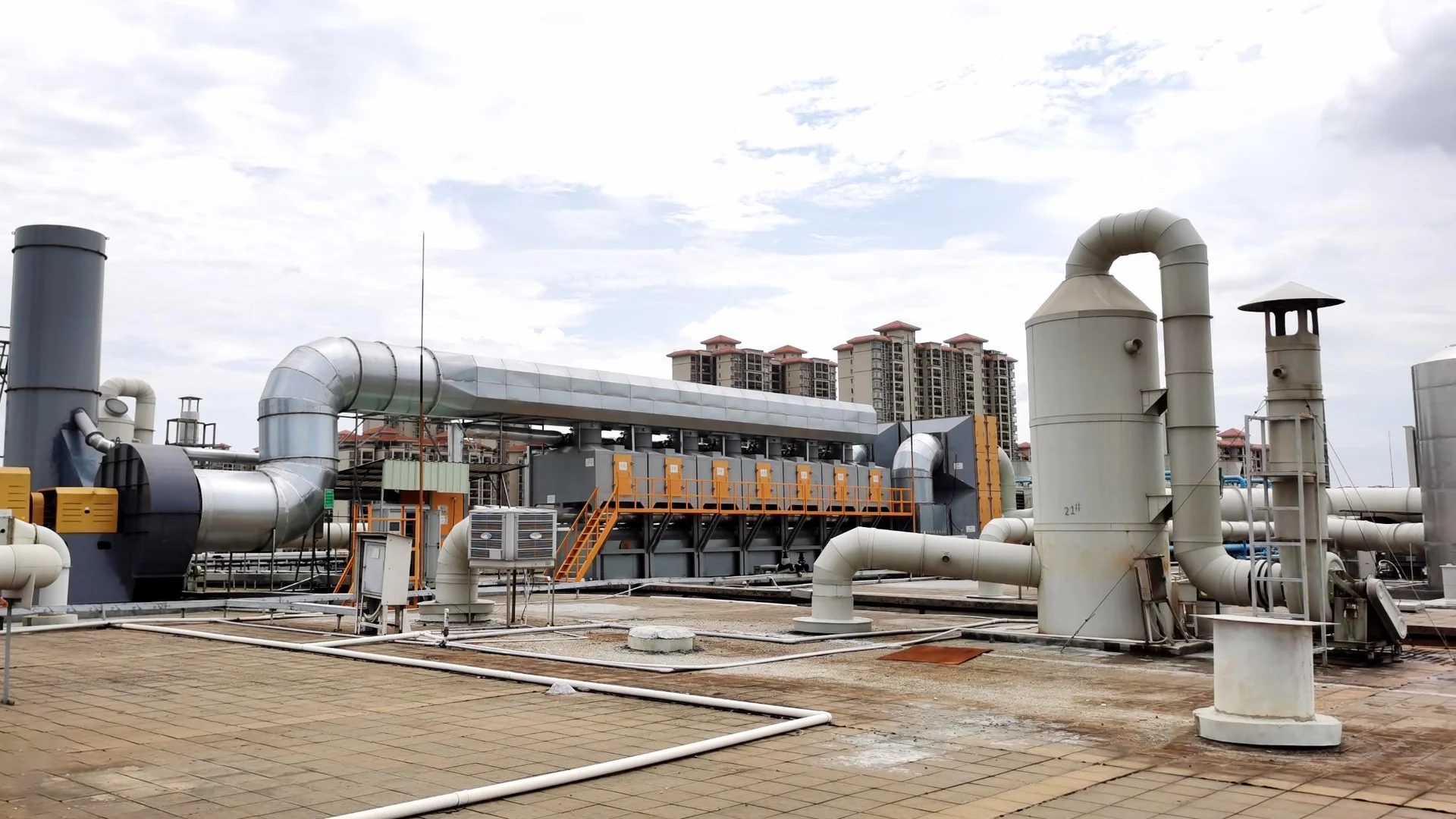
50,000 m³/h 3-Bed RTO for Complex Chemical Synthesis & Chlorinated VOCs
Turnkey heavy-duty environmental EPC engineered for Hubei Runtian Chemical Technology Co., Ltd. Integrating multi-stage chemical scrubbing, 850°C thermal oxidation, and post-combustion dioxin-inhibiting quenching to guarantee ≥99.5% DRE and strict GB 31571 compliance.
Multi-Product Fine Chemical Synthesis & Severe Exhaust Complexity
Hubei Runtian Chemical Technology Co., Ltd., located in the Lingang Industrial Park in Songzi, Hubei Province, operates large-scale fine organic chemical synthesis facilities. The manufacturing core encompasses multi-purpose batch reactors, atmospheric and vacuum distillation columns, centrifugal solid-liquid separators, and bulk solvent storage tank farms.
Because the plant synthesizes specialty chemical intermediates involving diverse chemical pathways, the process vents generate highly aggressive, multi-component exhaust streams. Contaminants include chlorinated hydrocarbons (dichloromethane, chlorobenzenes), aliphatic and aromatic amines, alcohols, esters, alongside acidic gases (HCl, SO₂) and alkaline vapors (ammonia, amine derivatives).
Inlet VOC concentrations swing drastically between 500 mg/m³ during standby and up to 8,000 mg/m³ during peak batch discharge. Treating chlorinated and nitrogenous organics in high-temperature oxidizers introduces severe engineering hazards: risk of secondary dioxin / furan synthesis, hydrogen chloride gas corrosion, and potential poppet valve degradation. Adsorption and catalytic combustion are completely unfeasible due to catalyst poisoning and acid condensation.

Critical Engineering Constraints
- Chlorinated Organics & Dioxin Risk: Presence of DCM requires ≥850°C destruction followed by rapid sub-second quenching below 200°C to inhibit de novo dioxin formation.
- Severe Corrosive Precursors: Amines, HCl, and SO₂ demand 4-stage wet chemical neutralization prior to thermal oxidizer entry.
- Extreme Concentration Volatility: Swings from 500 to 8,000 mg/m³ require continuous LEL monitoring, dynamic dilution dampers, and hot-gas bypass.
- GB 31571-2015 Compliance: Strict limits on NMHC, HCl, dioxins, and odor threshold at the main stack.
Operating Baseline & Thermal Balance Matrix
Mass, energy, and chemical reaction boundaries established for the 50,000 Nm³/h chemical RTO facility.
| Parameter / Operational Metric | Design Baseline | Measured Operating Range | Engineering Significance |
|---|---|---|---|
| Total Exhaust System Capacity | 50,000 Nm³/h | 30,000 – 50,000 Nm³/h | VFD fan modulation dynamically tracking multi-reactor batch cycles. |
| Inlet VOCs Concentration | 500 – 8,000 mg/m³ | 1,200 – 3,200 mg/m³ (typical) | Autothermal balance achieved at ≥ 1,460 mg/m³; automated fresh air dilution above 4,000 mg/m³. |
| Composite VOC Calorific Value | 35,000 kJ/kg | 32,000 – 36,500 kJ/kg | Weighted enthalpy across mixed chlorinated, nitrogenous, and oxygenated organics. |
| Combustion Chamber Temperature | ≥ 850°C | 850°C – 880°C | Residence time ≥ 1.5 s ensuring 100% C-Cl and C-N bond cleavage. |
| Ceramic Cooling Gradient (500°C → 200°C) | ≤ 1.0 s (Statutory) | ≈ 0.5 s | Sub-second rapid cooling across ceramic media prevents dioxin precursor recombination. |
| Thermal Energy Recovery (TER) | ≥ 95.0% | 95.4% – 96.2% | Structured cordierite ceramic packing minimizes flue gas heat dissipation. |
| Stack NMHC Emission | ≤ 60 mg/m³ (GB 31571) | ≤ 20 mg/m³ | 66% safety margin under continuous FID telemetry. |
| Stack Hydrogen Chloride (HCl) | ≤ 10 mg/m³ | ≤ 5 mg/m³ | Neutralized via post-RTO alkaline scrubber with ≥ 95% absorption efficiency. |
Technological Architecture & Key Engineering Solutions
Integrated chemical pre-scrubbing, 3-bed regenerative thermal oxidation, and post-combustion dioxin quenching.
Complete Multi-Stage Pre-Treatment & RTO Oxidation Train
The chemical exhaust abatement train operates under unified PLC supervisory control. Process gases collected from multi-building reactor bays first enter an automated 4-stage chemical pre-scrubber consisting of an acid tower (5% H₂SO₄) to strip aliphatic amines, an alkali tower (5% NaOH) to neutralize acidic vapors, a fresh water wash tower, and a high-efficiency demister.
Conditioned VOC stream is delivered by VFD draft fans to the 3-Bed RTO for 850°C thermal destruction. Clean flue gas exiting the ceramic beds passes through an atomized quench tower and secondary alkaline scrubber before entering the 25m exhaust stack. An automated bypass route leads to an emergency activated carbon bed in the event of unscheduled system trip.
- Fail-safe emergency activated carbon bypass ensuring 100% environmental security during plant upsets.
- Automated hot gas bypass protecting ceramic packing from thermal stress above 880°C.
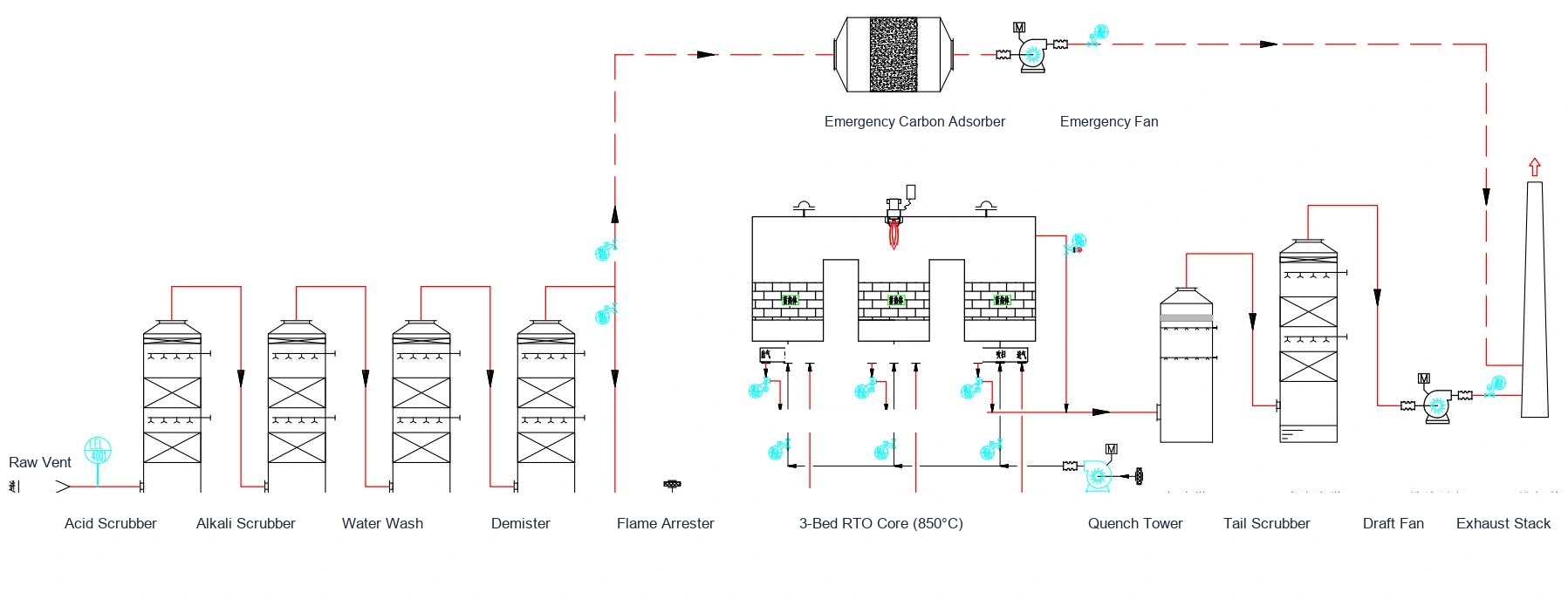
4-Stage Multi-Media Chemical Pre-Scrubbing Architecture
4-Stage Multi-Media Acid/Alkali Neutralization
Direct admission of raw organic amine vapors and inorganic acid mists into an 850°C thermal oxidizer would rapidly destroy refractory furnace anchors, degrade poppet valve seals, and generate excessive nitrogen oxide (NOx) emissions.
FluxFine deployed a 4-stage scrubbing train utilizing specialized polypropylene and 316L stainless steel internals. The system features counter-current packed beds with automated online pH and ORP dosing pumps. The final demister stage utilizes multi-faceted hollow polypropylene balls and wire-mesh mist eliminators, lowering liquid moisture carryover below 0.05 g/m³ to safeguard RTO ceramics.
- Automated dual-loop pH titration maintaining ±0.2 pH precision in acid and alkali circulating loops.
- High gas-liquid ratio (1.5 L/m³) achieving > 98% capture of basic amines and inorganic acid vapors.
Sub-Second Thermal Quenching & Dioxin De Novo Inhibition
When chlorinated solvents such as dichloromethane are oxidatively decomposed, chlorine radicals (Cl·) can recombine with aromatic ring fragments to synthesize toxic polychlorinated dibenzo-p-dioxins (PCDD/Fs) within the classic 250°C–450°C temperature window.
FluxFine eliminated this hazard through a two-tiered thermodynamic barrier: (1) Inside the RTO beds, structured cordierite ceramics force the gas temperature to drop from 500°C to 200°C in ~0.5 seconds, cutting off the kinetic reaction window; (2) At the RTO discharge, an engineered Quench Tower (急冷塔) injects atomized alkaline mist, crashing gas temperature below 80°C in milliseconds while capturing secondary HCl.
- Verified stack dioxin emission ≤ 0.05 ng TEQ/m³, well within the most stringent international standards.
- Corrosion-resistant FRP/polypropylene quench internals withstand high chloride and acidic condensation.
Two-Tiered Rapid Thermal Quench & De Novo Barrier
Third-Party Environmental Testing & Verified Stack Results
Rigorous third-party environmental audit confirms continuous compliance with GB 31571-2015 and GB 14554 standards.
| Target Pollutant | Raw Inlet Concentration | Measured Stack Emission | Regulatory Limit (GB 31571-2015) | Compliance Status |
|---|---|---|---|---|
| Non-Methane Hydrocarbons (NMHC) | 500 – 8,000 mg/m³ | ≤ 20 mg/m³ | ≤ 60 mg/m³ | Verified Pass (66% Margin) |
| Hydrogen Chloride (HCl) | 80 – 250 mg/m³ | ≤ 5 mg/m³ | ≤ 10 mg/m³ | Verified Pass |
| Dioxins & Furans (PCDD/Fs) | Potential by-product | ≤ 0.05 ng TEQ/m³ | ≤ 0.1 ng TEQ/m³ | Verified Pass |
| Particulate Matter (PM) | 30 – 80 mg/m³ | ≤ 5 mg/m³ | ≤ 20 mg/m³ | Verified Pass |
| Overall VOC Destruction Removal (DRE) | Baseline 100% | ≥ 99.5% DRE | ≥ 95.0% | Exceeds Standard |
Equipment Integrated in This Project
Standard environmental engineering products fabricated, delivered, and commissioned on site.
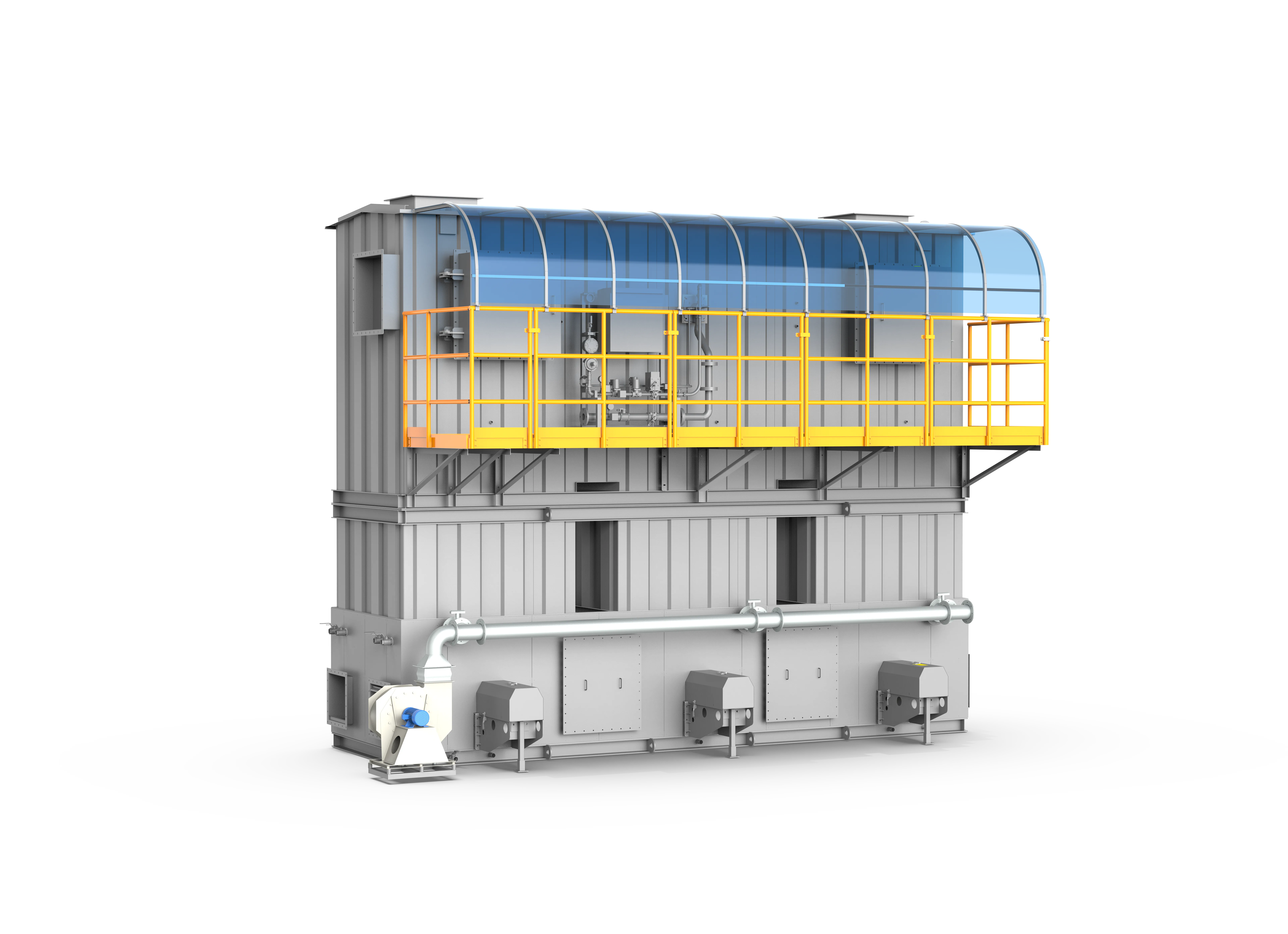
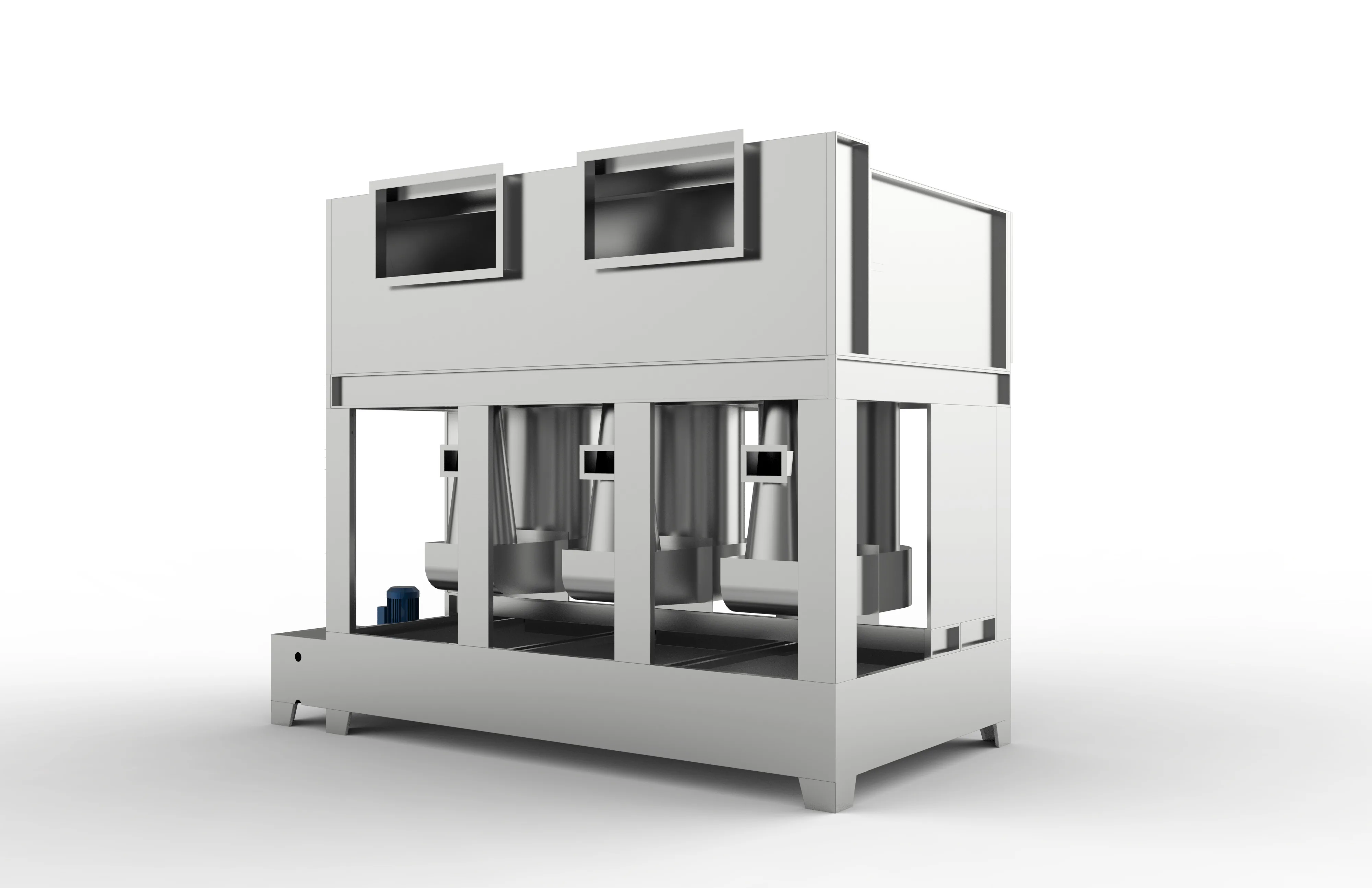
Three-Tower RTO
A premier-grade industrial VOC thermal abatement system that achieves >=99% VOC destruction efficiency and >=95% thermal energy recovery through a classic three-bed alternating heat-exchange and purge process.
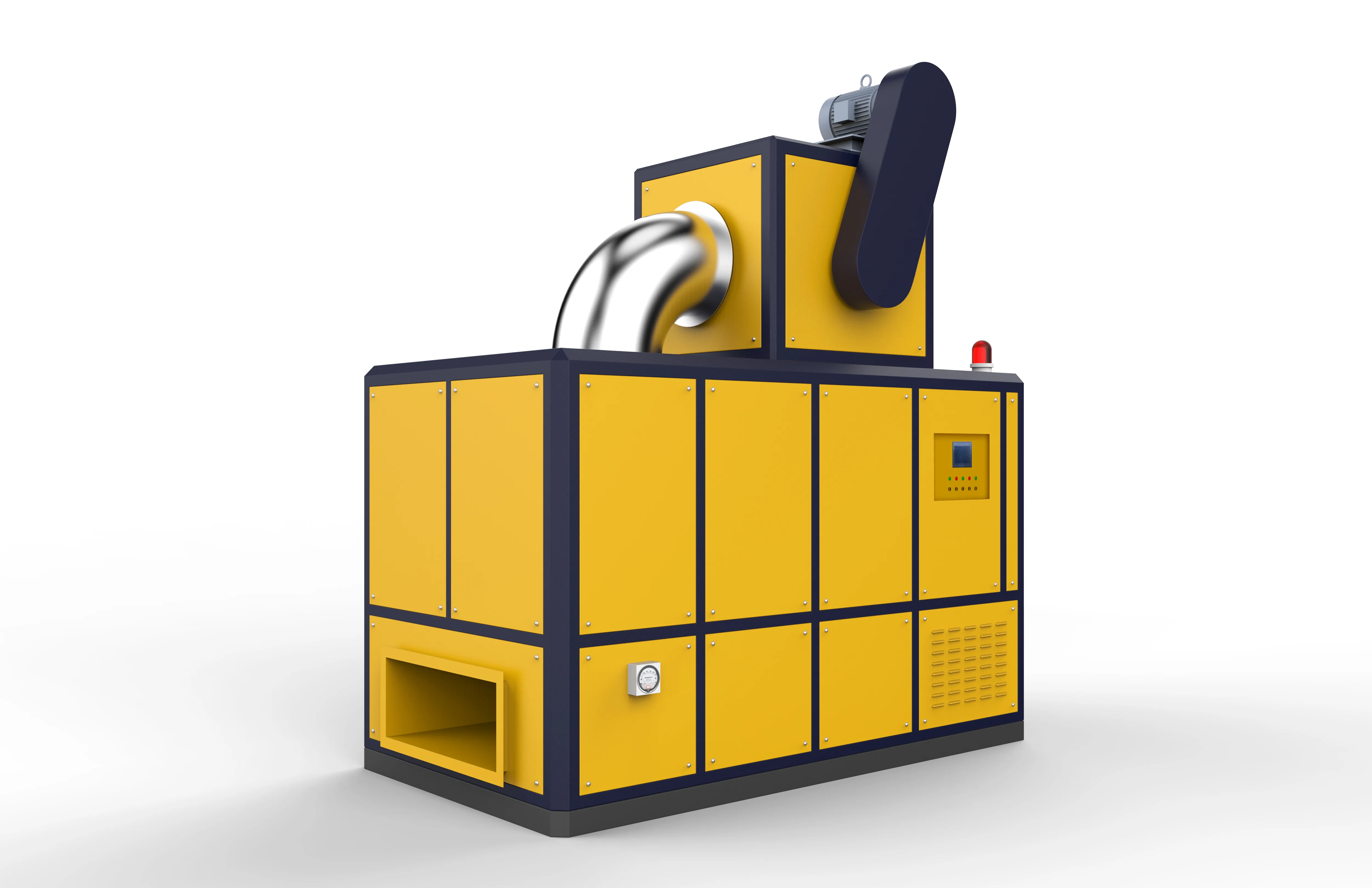
304 Stainless Air Duct
High-quality 304 stainless steel welded air ducts with anti-corrosion coatings, sized 80-2000mm.
Spray Tower
Custom-built packed spray towers in PP or 304 SS for neutralizing acidic, alkaline, and water-soluble waste gases.
Managing Toxic, Halogenated, or Flammable Chemical Exhaust?
FluxFine provides complete process diagnostics, hazardous component chemical modeling, custom multi-stage scrubber-RTO trains, and sub-second dioxin quench systems tailored to strict chemical safety codes.