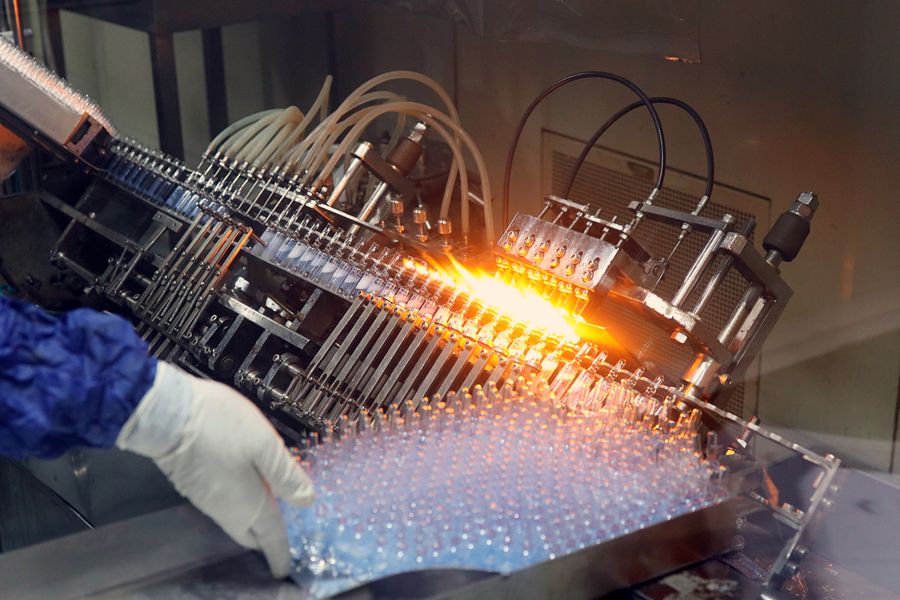
Pharmaceutical & Medical
Solvent exhaust from synthesis, coating, and finishing.
Processes and emission sources
Scrubbing pretreatment plus zeolite/CO or carbon trains sized to batch peaks and average duty.
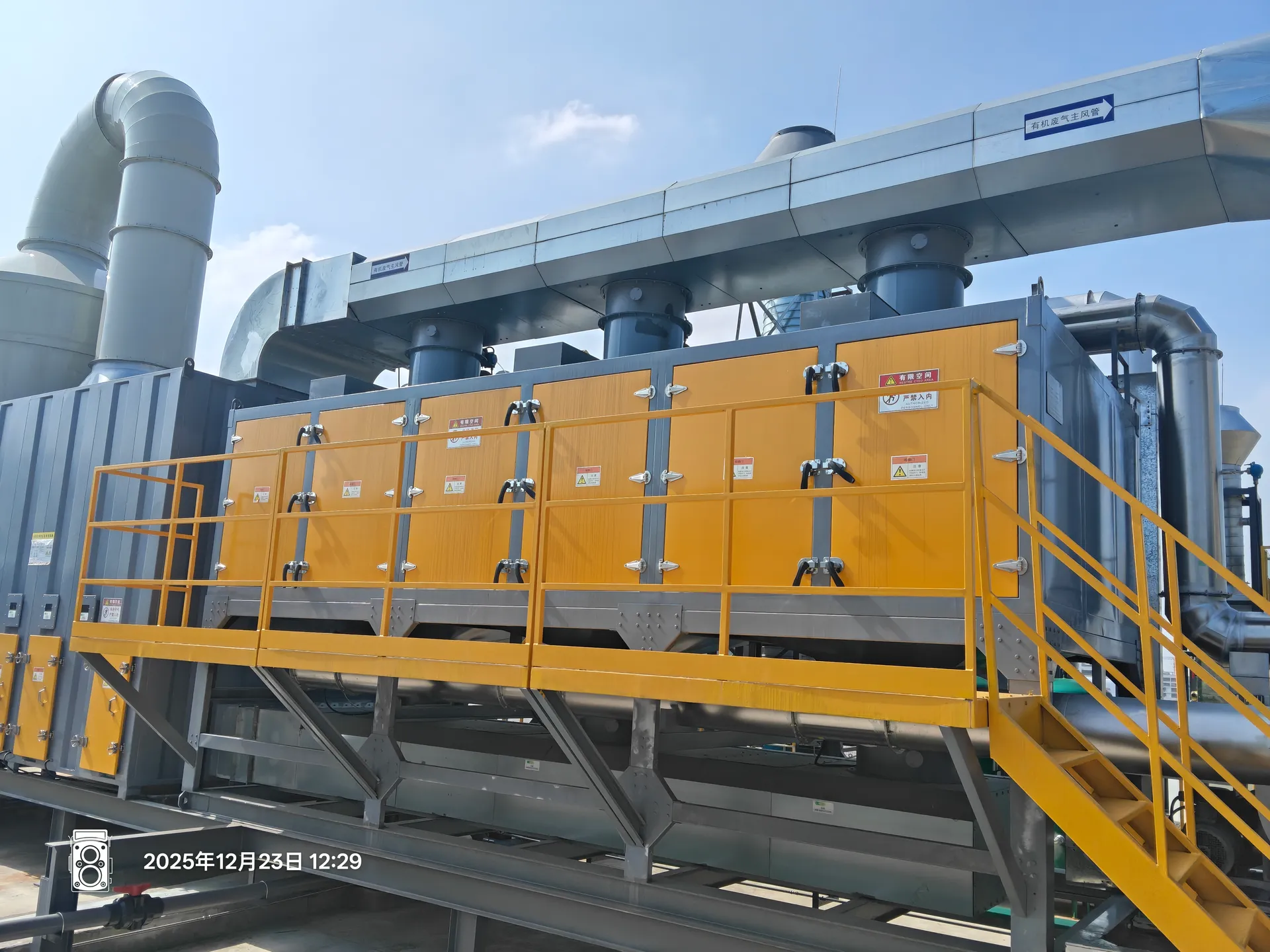
Real engineering project deployed by FluxFine Environmental.
Common pollutants
- Solvent VOCs
- Acid or alkaline gases
- Odorous compounds
- Powder traces
- Batch vent peaks
Typical conditions
- Batch variability
- Mixed chemistry
- Corrosive co-streams
- Documented acceptance requirements
Engineering priorities
- Batch peak definition
- Corrosion-resistant materials
- Cleaning and validation needs
- Safety interlocks
- Commissioning records
From collection to compliant discharge
- 01
Stream segregation
- 02
Scrubbing or filtration
- 03
Balancing
- 04
Thermal oxidation
- 05
Compliance monitoring
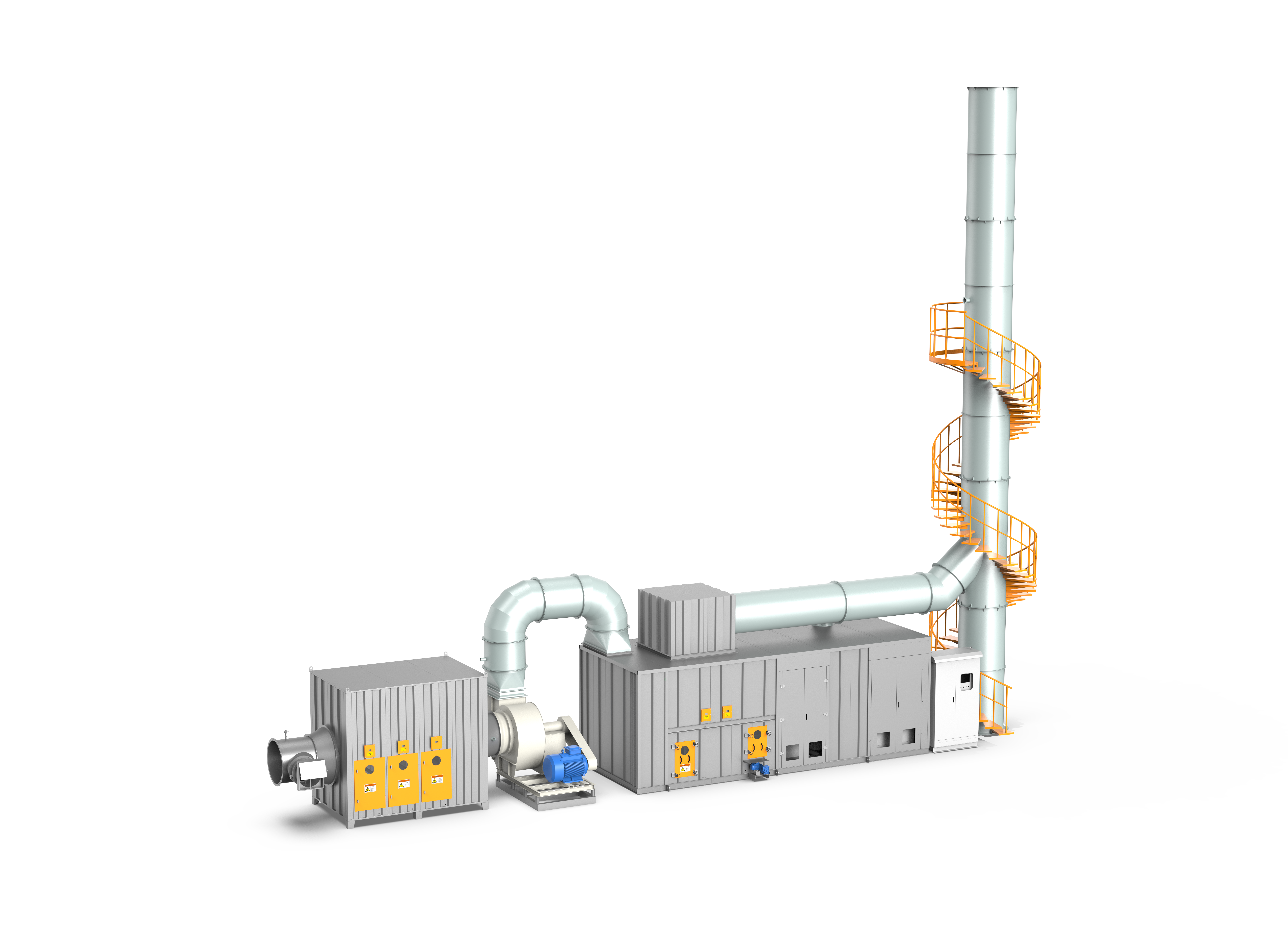
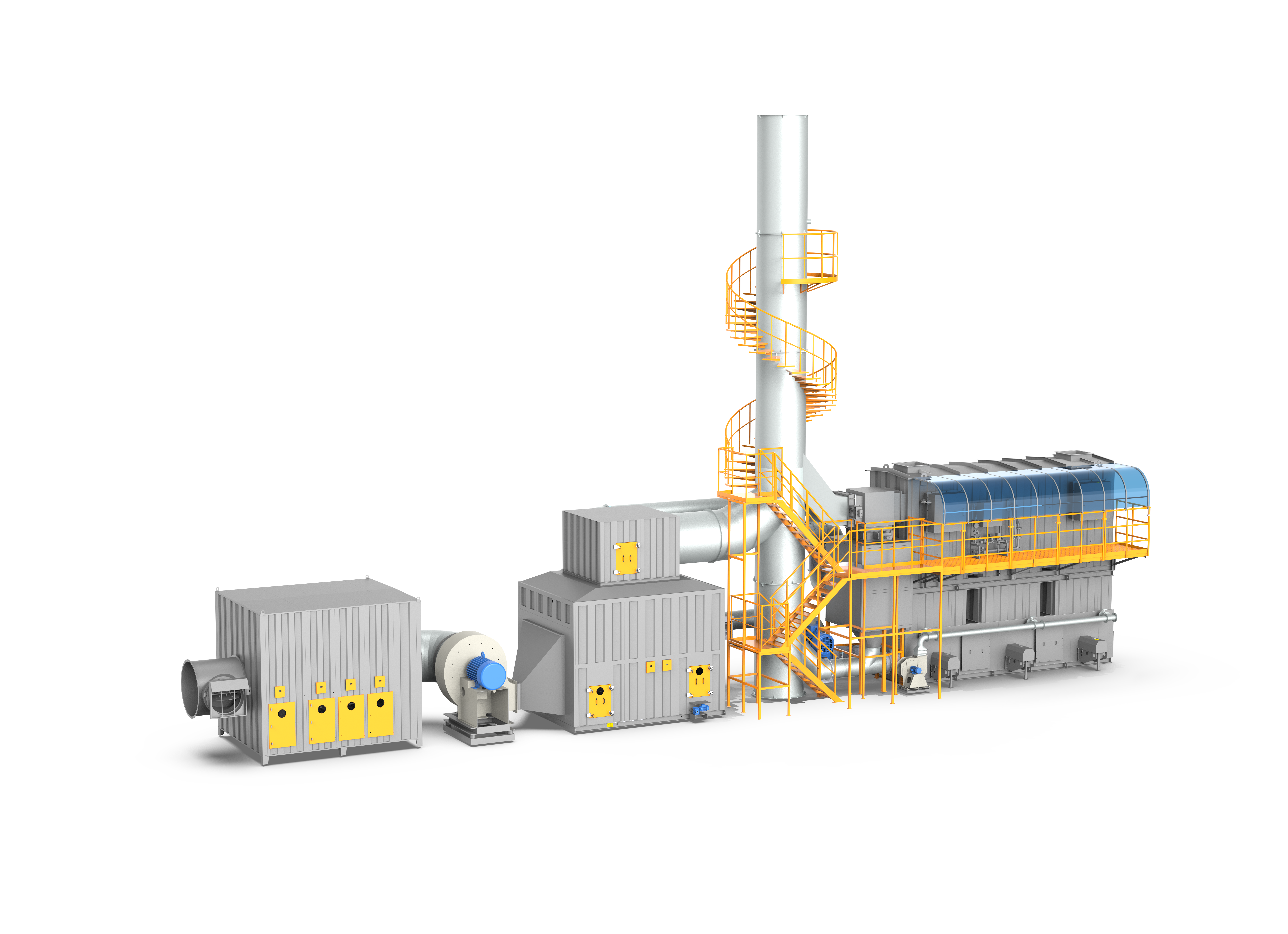
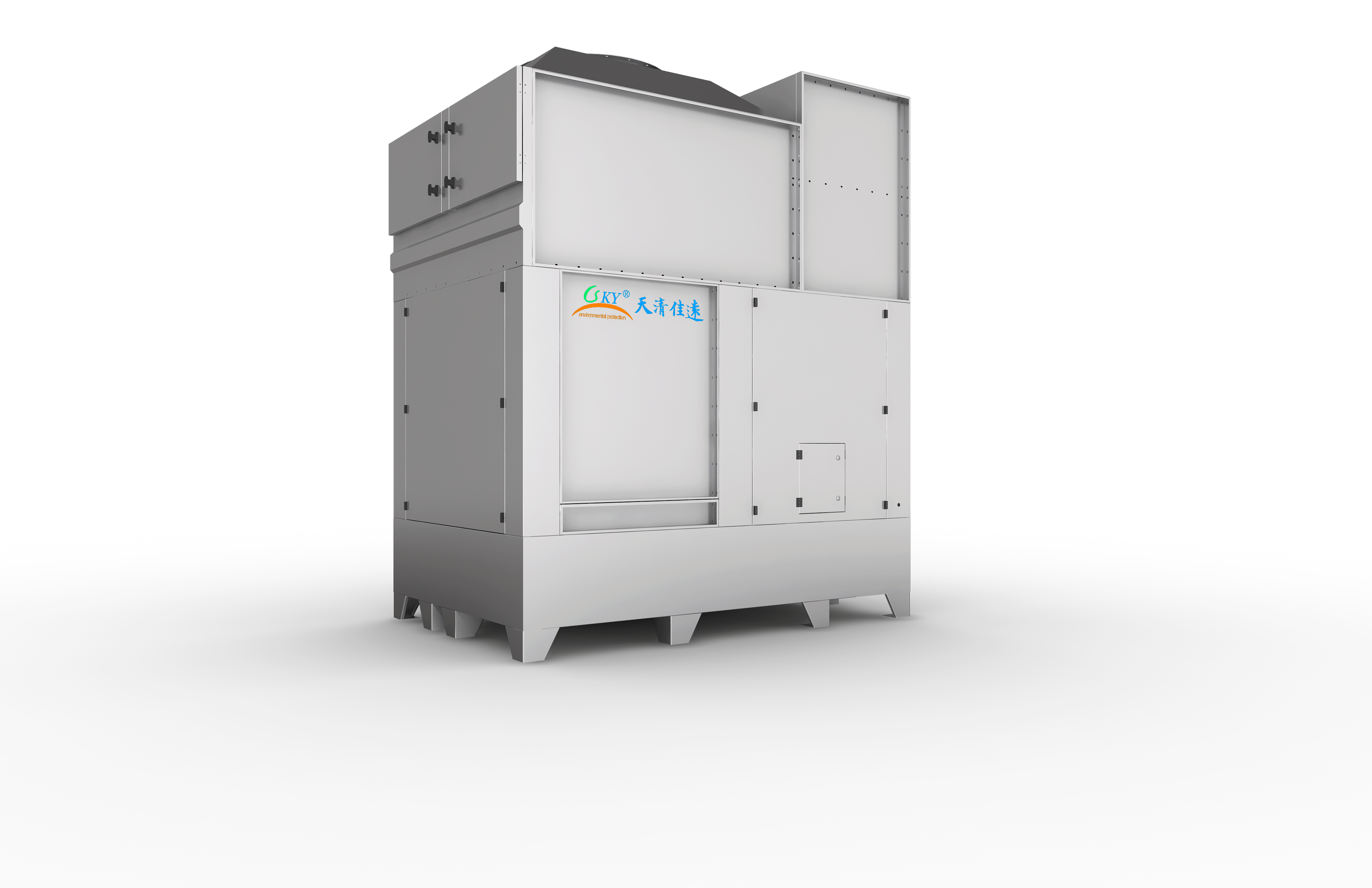
Configurations commonly evaluated
These configurations are starting points for this industry. Final selection depends on measured airflow, pollutant chemistry, concentration, temperature and production schedule.
Three-Bed RTO
A high-heat-recovery oxidizer for continuous treatment of medium-to-high VOC loads and changing solvent mixtures.
View equipmentRotary RTO
A compact RTO configuration using a rotary gas-distribution valve for broad airflow flexibility and continuous VOC oxidation.
View equipmentZeolite + CO
An integrated low-temperature oxidation package for large-airflow, low-concentration and catalyst-compatible VOC streams.
View equipmentActivated Carbon + CO
Swing-bed adsorption and desorption combined with catalytic oxidation for intermittent, low-concentration VOC exhaust.
View equipmentRCO
Ceramic heat regeneration combined with catalytic oxidation for compatible VOC streams requiring continuous, energy-conscious treatment.
View equipmentCompact Adsorption + CO
A compact adsorption-catalytic package for laboratories and smaller production lines with low-concentration VOC exhaust.
View equipmentMap your pharmaceutical & medical process
Share exhaust sources, airflow, concentration, operating temperature and schedule. We will identify pretreatment needs and a suitable control train.