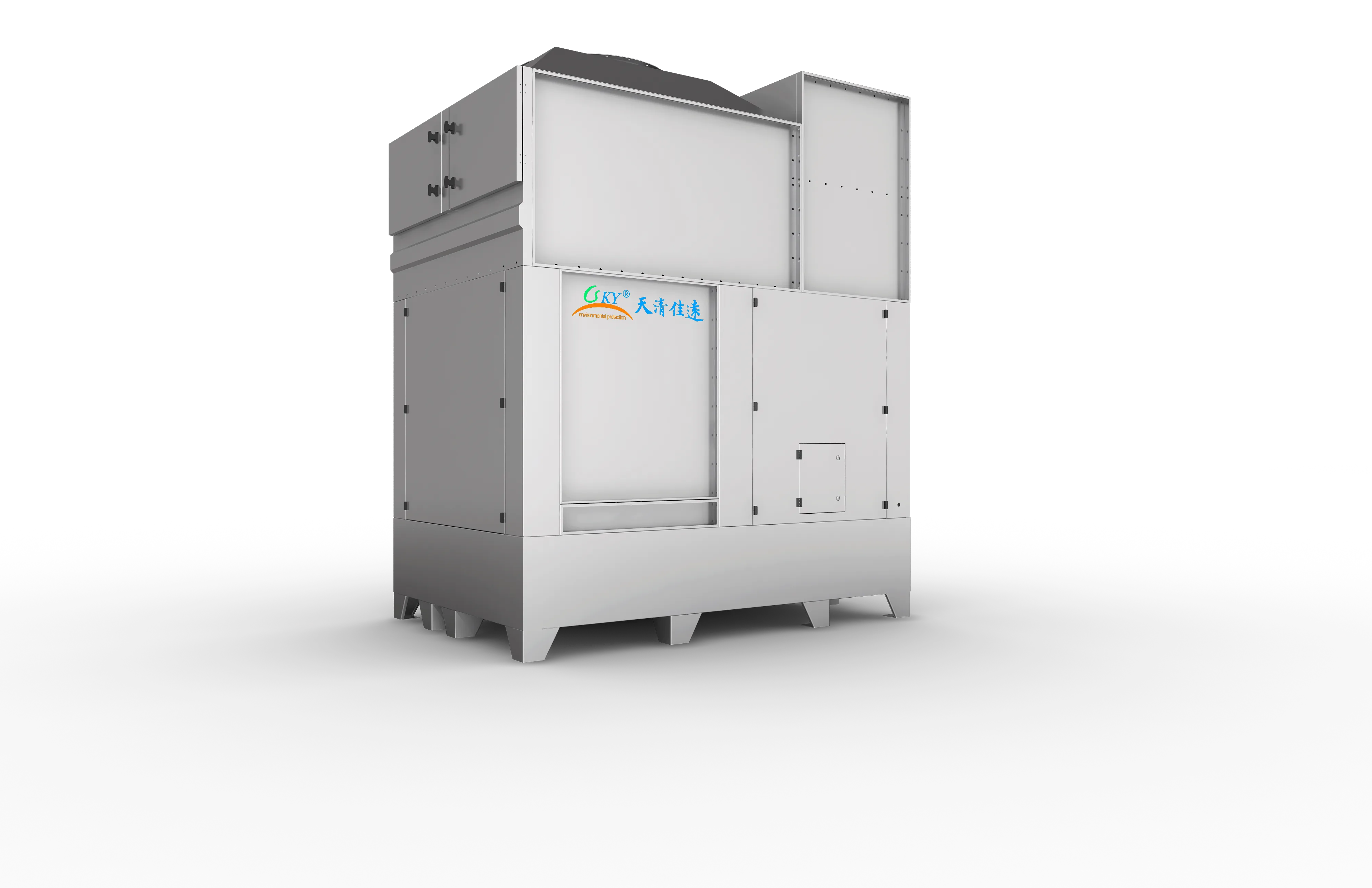
Jet Hybrid Scrubber Tower
A next-generation wet scrubber utilizing jet-ejection fluid dynamics to self-inhale process gases and generate intensive turbulent mixing, delivering acid-gas and dust removal efficiencies of >=95% with zero clogging.
Designed around actual process conditions
Traditional packed-bed scrubbers often suffer from high pressure drops, narrow operational turn-down ratios, and frequent packing calcification or clogging. The FluxFine Jet Hybrid Scrubber Tower bypasses these limitations by leveraging advanced venturi jet-ejection. By using high-velocity liquid sprays to induce a natural draft, the tower self-inhales process gas without requiring an upstream draft fan under low-resistance conditions. This fluid dynamic mechanism generates intense gas-liquid contact, creating large interfacial surface area for high-efficiency absorption and particulate scrubbing (>=95%) while completely eliminating internal packing-bed clogging.
Jet Venturi Scrubber / Ejector Scrubber Tower / Self-Inhaling Wet Scrubber / Jet Hybrid Tower
Achieved consistently under optimized pH and stoichiometric chemical feeding.
Eliminates the typical high-pressure penalty of packed-bed absorption systems.
Packing-free design requires only simple periodic nozzle checks.
Operating references and configuration choices
These reference values and modules clarify the scope we evaluate. They are not a substitute for a process-data review or final proposal.
| Engineering reference | Value | How to read it |
|---|---|---|
| Target gas | Acid/alkali gas, mist, dust or odor | Treatment liquid and system duty follow gas chemistry. |
| Role in train | Pretreatment or primary wet control | Define the downstream equipment and wastewater route. |
| Source removal reference | ≥95% | Source claim; only applicable to defined gas/reagent/contact conditions. |
Typical modules considered
- Jet-induced contact section
- Mixing/separation or packed absorption stage
- Recirculation tank, pumps and chemical dosing
- Mist eliminator and fan/duct interface
- pH/ORP/liquid-level monitoring and wastewater connection
Project-specific selection notes
- Choose reagent, material and contact design from the actual acid/alkali or soluble contaminant.
- Review dust load, temperature and scaling risk before selecting a wet stage.
- Define blowdown, sludge and wastewater responsibilities at the proposal stage.
Jet hybrid vs. cyclone hybrid tower
Both are wet pretreatment configurations. Their practical difference is the gas/liquid-contact and separation arrangement. Selection follows contaminant type, particulate behavior, chemical reaction needs, footprint and maintenance strategy.
- The catalogue’s double-stage tower series provides source material for grinding, polishing, spray pretreatment, industrial cooking aerosol and metallurgical dust contexts.
- Efficiency statements require the defined pollutant, liquid chemistry and design basis.
What we review before specifying Jet Scrubber
A product name is a starting point, not a final design. These inputs define pretreatment, materials, controls, equipment size and scope boundaries.
Project data to provide
- Gas chemistry and required absorption/reaction
- Airflow, inlet temperature, dust and mist loading
- Liquid chemistry, pH/ORP control and make-up water
- Wastewater treatment route and discharge constraints
- Corrosion requirements, footprint and pressure-drop allowance
Typical engineered scope
- Inlet quench, jet or packed contact stage as required
- Recirculation tank, pump, chemical dosing and instrumentation
- Mist eliminator and duct/fan interface
- Materials selected for temperature and chemistry
- Wastewater, sludge and maintenance access provisions
Safety and controls
- The treatment liquid is selected from the gas chemistry and operating target.
- pH, ORP, liquid level, pressure drop and pump status are typical monitored points.
- Scrubbers may be pretreatment, primary acid/alkali control or a polishing stage; the role must be defined.
- Do not quote generic efficiency without the gas species, reagent and contact design.
How it works
The scrubber leverages venturi fluid dynamics. High-pressure scrubbing liquid is pumped through specialized spray nozzles, ejecting a high-velocity, wide-angle water cone. This fast-moving liquid stream creates a strong localized negative pressure (draft) within the venturi chamber, drawing the raw process gas into the jet-ejection throat. As gas and liquid merge at high velocity, the organic mist, acid fumes, and particulates are forcefully impacted, absorbed, and hydrated. The mixed fluid then enters a tangential cyclonic separator. Centrifugal forces separate the liquid slurry (which drains to the sump) from the clean, stripped gas, which rises to the demister and exits the stack.
- 01Raw process gas draft induction via the venturi throat negative-pressure zone.
- 02High-velocity liquid ejection forming a dense mist cone to envelop incoming process air.
- 03Intense turbulent mixing and hydration, capturing acid gases and particulate matter.
- 04Tangential cyclonic separation to split the clean gas from the pollutant-laden scrubbing liquid.
- 05Gravity draining of spent liquid into the recirculation sump for filtration or pH dosing.
- 06Venting of purified, de-misted clean gas directly to the atmosphere.
- Inlet air conditioning of explosive, sticky, or highly particulate-laden streams (such as metal polishing dusts, foundry emissions, or paint overspray).
- Abatement of highly soluble acid fumes (HCl, HF, HNO3, SO2, NH3) in chemical and metallurgical processes.
- Pre-filtration of tar and oil droplets to protect downstream thermal oxidizers or carbon beds.
- Plants requiring compact scrubbing units with minimum mechanical components and low maintenance.
- Nozzle condition must be monitored; particulate buildup in the scrubbing loop can clog the high-pressure nozzles, requiring robust primary liquid filtration.
- Proper liquid-to-gas ratios (L/G) must be maintained; a drop in recirculation pump pressure will reduce gas suction capacity and compromise efficiency.
- System pH must be dynamically adjusted (e.g., adding NaOH for acid gases) to ensure consistent chemical absorption.
- For abrasive dusts, periodic wall-thickness checks of the venturi throat are recommended to manage localized erosion.
Typical pollutants
- Hydrogen Chloride (HCl)
- Sulfur Dioxide (SO2)
- Fluorides (HF)
- Ammonia (NH3)
- Polishing and Grinding Dust
- Soluble Aerosols
- Metallurgical Fumes
- Paint Spray Residues
Engineering features
- Self-Draft Venturi: Uses liquid velocity to induce draft pressure, reducing or eliminating the need for process air draft fans under suitable configurations.
- Zero-Clogging Design: Complete absence of internal tower packing or distribution trays eliminates fouling, scaling, and physical clogging.
- Masive Interfacial Area: Turbulent jet-throat mixing maximizes gas-liquid contact, achieving chemical absorption efficiencies of >=95%.
- Compact Geometry: Highly optimized footprint allows convenient integration into tight outdoor or indoor utility pads.
- Robust Construction: Available in high-density polypropylene (PP), FRP, or 316L stainless steel for maximum chemical resistance.
Available options
- Integrated dual-stage jet scrubbing series for ultra-high-affinity multi-gas scrubbing.
- Automated dosing skids with pH and conductivity transmitters.
- Recirculation slurry settlement tanks with automatic sludge drag conveyors.
Relevant industries
Coating & Surface Finishing
Industrial paint, UV coating, adhesive, metal finishing and multi-booth surface processes.
Chemical Industry
Resins, coatings, waterproofing, and specialty chemicals.
Pharmaceutical & Medical
Solvent exhaust from synthesis, coating, and finishing.
Food Industry
Frying, roasting, and process oil-fume control.
General technology selection
These answers explain the selection path. Final performance, safety scope and dimensions follow the approved project design.
When is a wet scrubber used before VOC treatment?
It can cool or remove acid/alkali gas, soluble contaminants and certain mist/particulate so that the downstream adsorption or oxidation equipment is protected.
What happens to the scrubber liquid?
It is recirculated with controlled make-up and blowdown. The project must define chemical dosing, wastewater treatment and disposal responsibilities.
Source basis: VOCs equipment source. Materials, reagent and performance are selected from the gas chemistry.
Specific product Q&A
How does a jet scrubber remove sticky particulate better than a packed tower?
Standard packed towers rely on high surface area packing media (like Pall rings) to facilitate gas-liquid contact. However, sticky particulates or viscous aerosols will quickly agglomerate on this media, causing severe plugging and skyrocketing pressure drops. A Jet Scrubber operates completely without internal packing. Instead, it utilizes high-pressure venturi-style jet nozzles to atomize the scrubbing liquid, creating a dense curtain of high-velocity micro-droplets that physically collide with and encapsulate the sticky particulate before washing it into the sump.
What is the liquid-to-gas ratio for a high-velocity jet hybrid scrubber?
Because a Jet Scrubber relies on extreme turbulence and droplet collision rather than wetted surface area, it typically requires a significantly higher Liquid-to-Gas (L/G) ratio compared to standard packed beds. Ratios often range from 3 to 10 L/m³ depending on the target pollutant's solubility, the required scrubbing efficiency, and the density of the particulate loading. FluxFine precisely engineers the recirculation pump sizing to optimize this ratio while minimizing power consumption.
Can a jet scrubber handle high-temperature industrial flue gas?
Yes. Jet Scrubbers are exceptional as primary quenchers for high-temperature flue gas (often exceeding 500°C) from industrial boilers, incinerators, or furnaces. The high-volume liquid jets instantly cool the gas through adiabatic evaporation, simultaneously scrubbing out acid gases (like SO2 and HCl) and heavy particulates. For these extreme applications, FluxFine constructs the scrubber using specialized high-temperature, corrosion-resistant alloys (e.g., Hastelloy, Titanium) or heavily lined carbon steel.
Equipment views
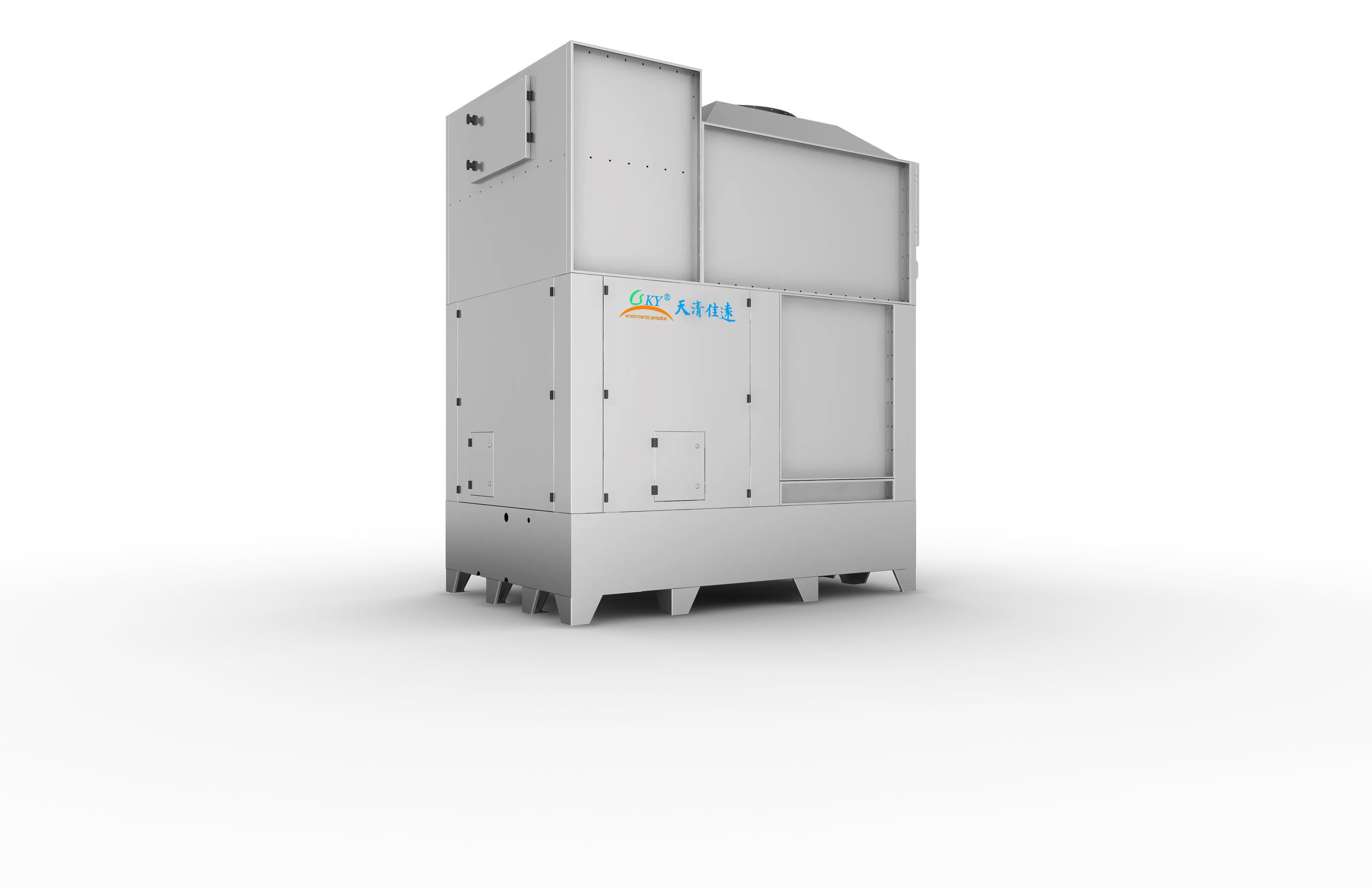
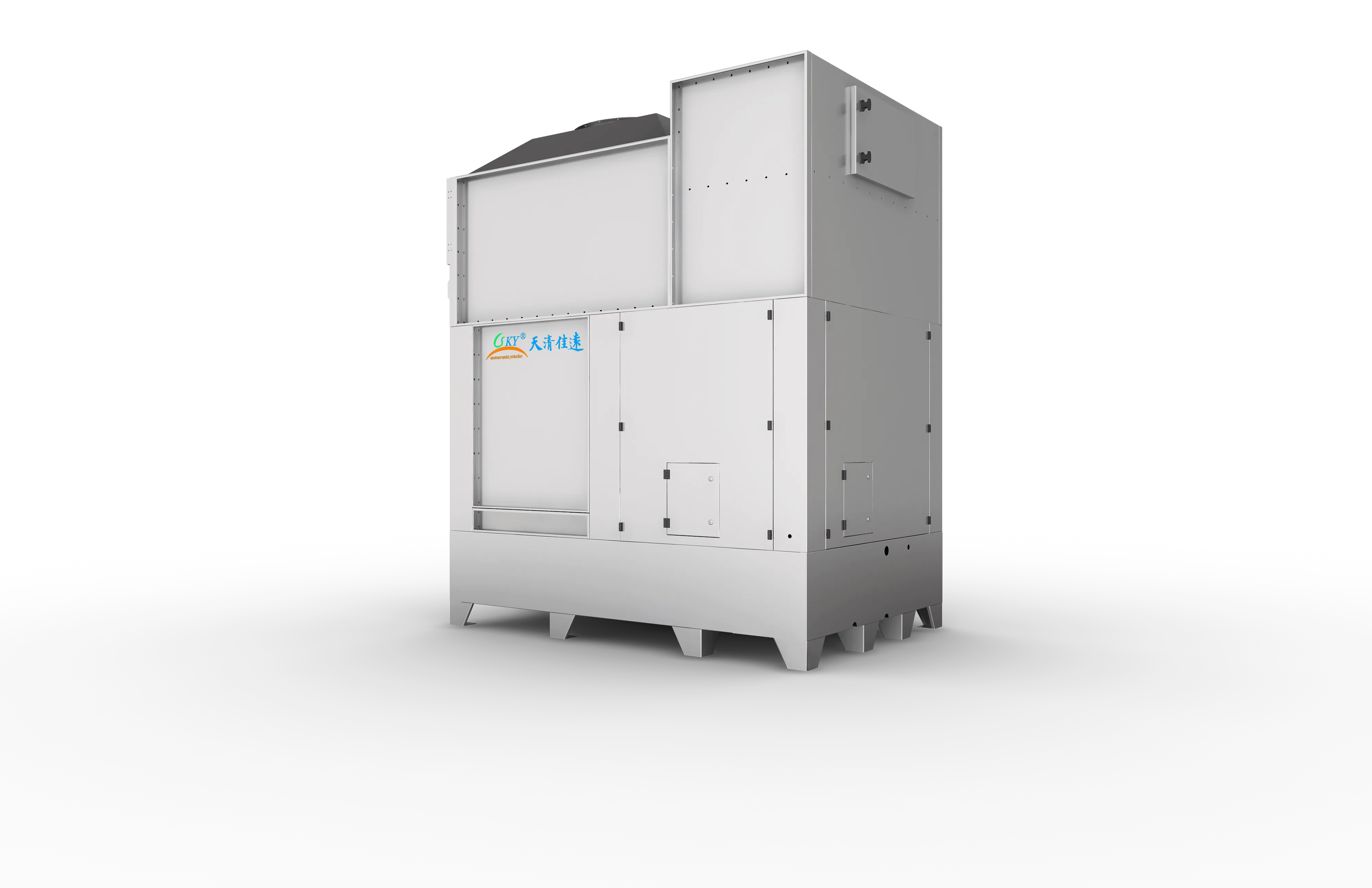
Product images show representative FluxFine configurations. Final dimensions, materials and interfaces follow the approved project design.
Proven Jet Scrubber installations
Review documented treatment trains featuring Jet Scrubber technology across various industrial processes.
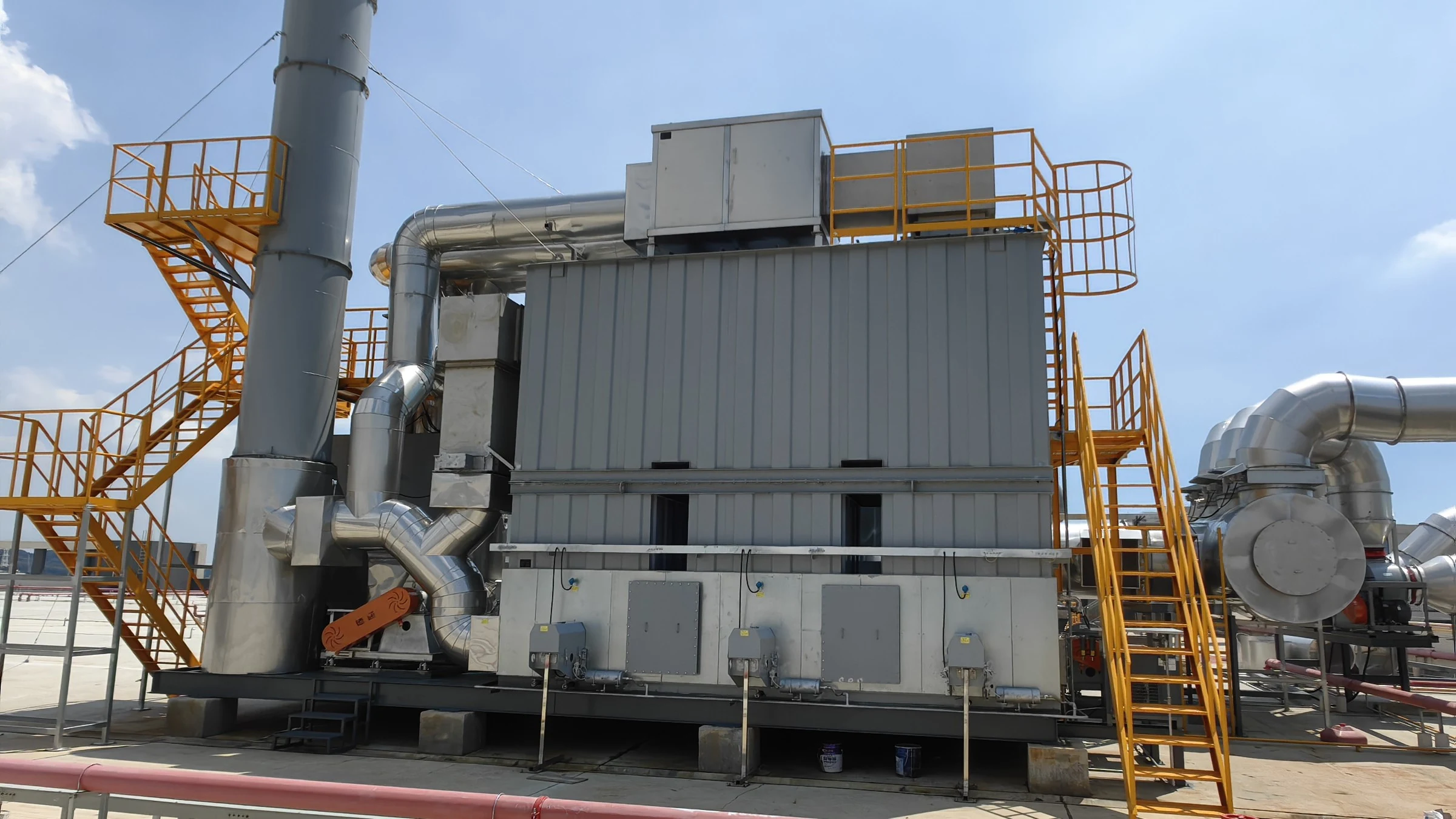
450,000 m³/h (265,000 CFM) · Architectural aluminum profile automated fluorocarbon (PVDF) spray coating and curing lines
450,000 m³/h Dual Zeolite Rotor & 3-Bed RTO System for JMA Aluminum Fluorocarbon Coating Lines
Dual-Train Zeolite Rotor (2×220k m³/h) + 3-Bed RTO (55k m³/h) + Dual Jet Scrubbers + 4-Stage Dry Filtration
Read project reference →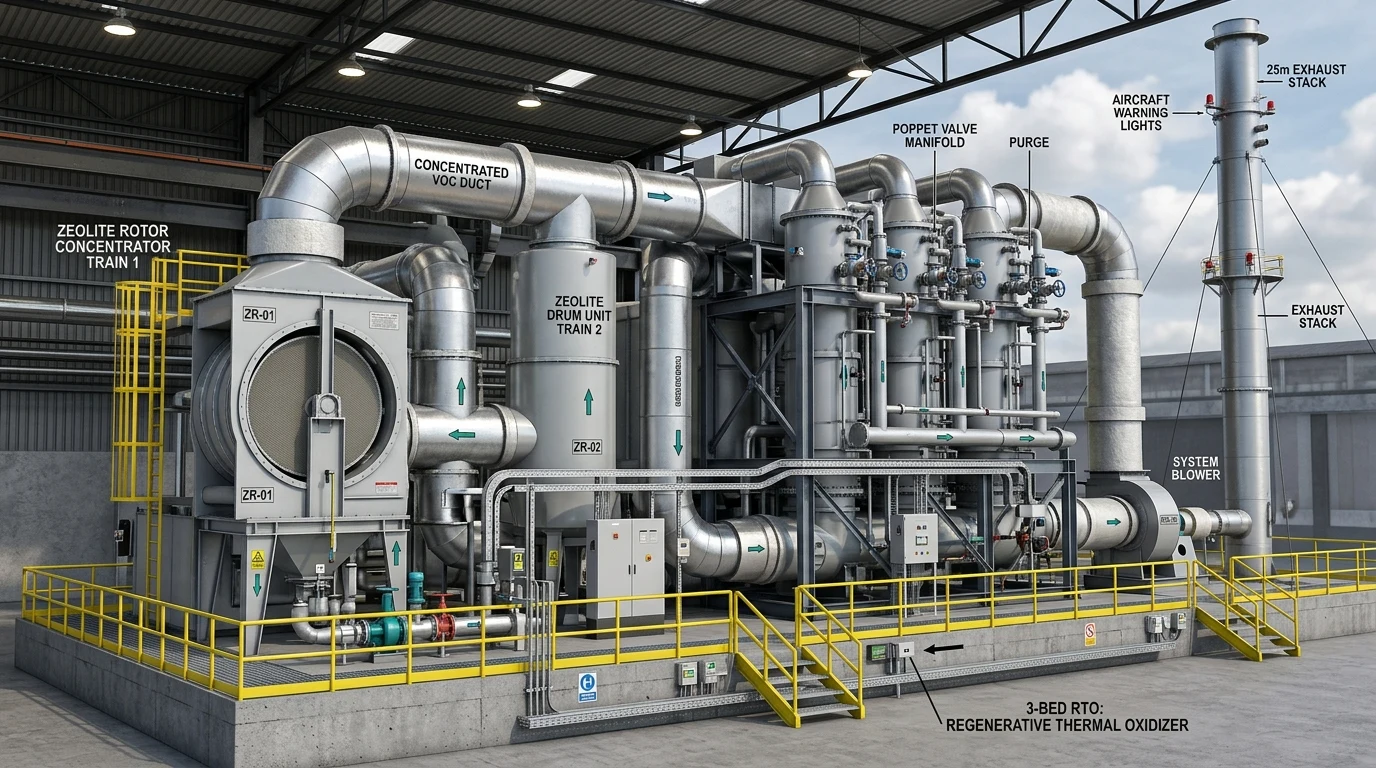
60,000 m³/h (35,300 CFM) Absorption + 8,000 m³/h (4,700 CFM) RTO Oxidation · Automotive interior and exterior trim robotic spray coating, UV/PU curing, water transfer printing & ovens
60,000 m³/h Dual Zeolite Rotor/Drum & 3-Bed RTO System for Wuhan Guangjia Automotive Interior Trim Coating
Dual Jet-Mixing Venturi Scrubbers + 4-Stage Dry Filtration Boxes + 40,000 m³/h Disk Zeolite Rotor + 20,000 m³/h Cylindrical Zeolite Drum + 8,000 m³/h 3-Bed RTO
Read project reference →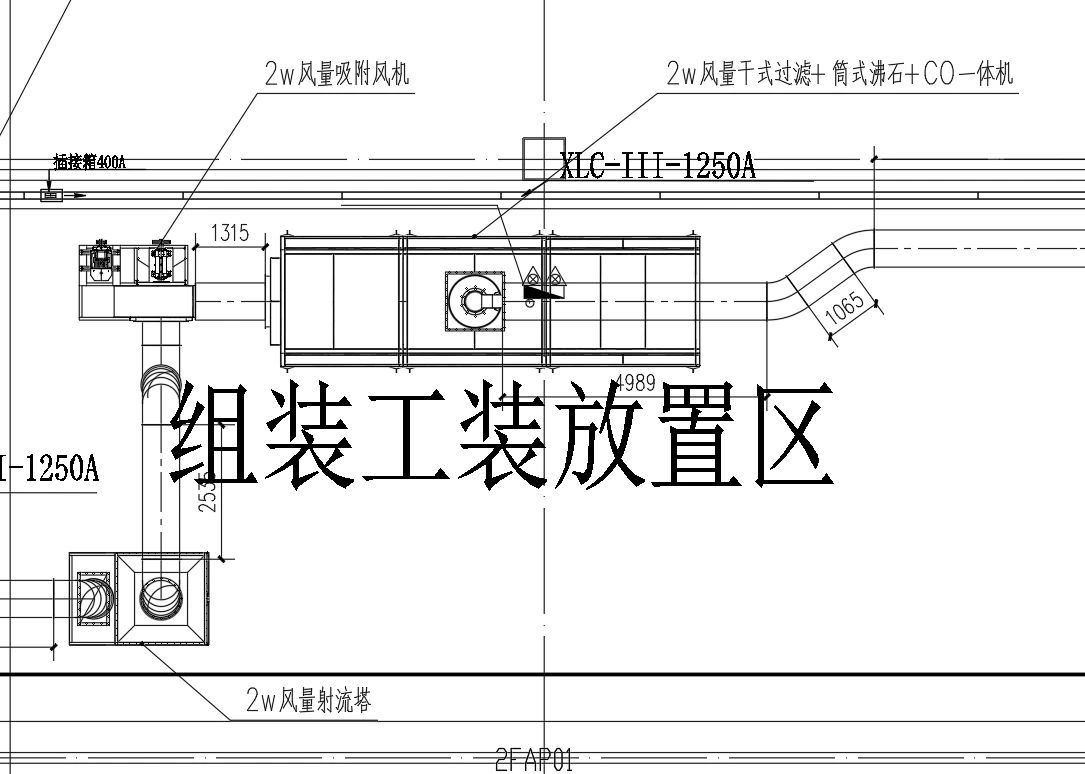
20,000 m³/h (11,760 CFM) · Automated automotive LED headlamp and adaptive front-lighting (AFS) robotic color coating & UV curing
20,000 m³/h Automotive Headlamp Coating VOCs & Paint Mist Abatement System for Jiali Car Light
Jet Kinetic Scrubber (Auto Slag Skimmer) + 5-Stage Spring-Clip Modular Dry Filter + Cylindrical Zeolite Drum & CO Skid (13.3:1 Ratio)
Read project reference →Configure Jet Scrubber for your plant
Share measured process data so the engineering team can confirm suitability, pretreatment, equipment size and scope boundaries.
Source basis: Published values are selection references, not a project guarantee.