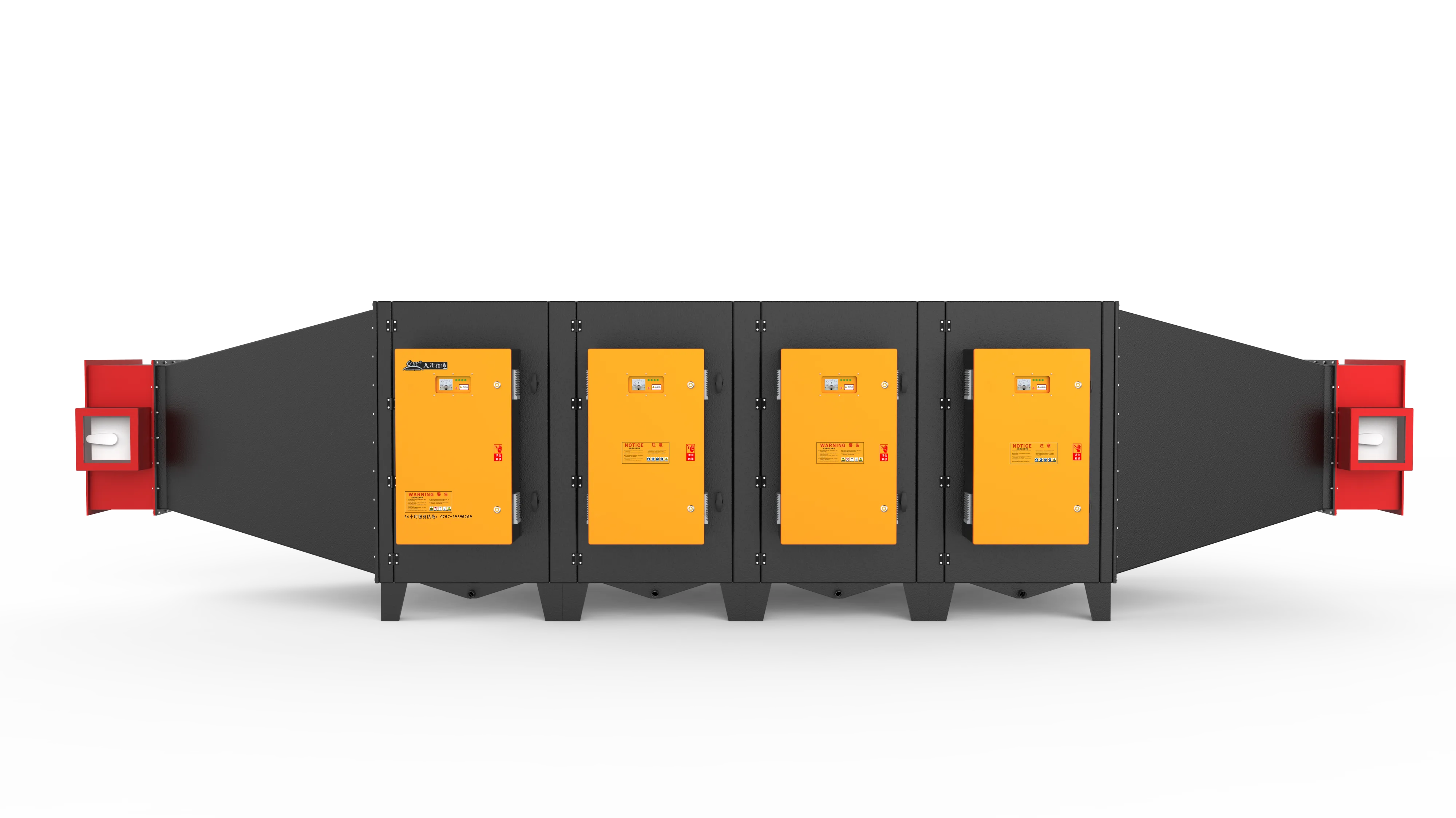
Industrial Electrostatic Fume Purifier
A dry or low-water electrostatic collection unit for industrial oil fume and fine process aerosol.
Designed around actual process conditions
This compact electrostatic configuration targets oil fume from electronics, plastics, metal processing, textile, printing and related production sources.
Industrial Electrostatic Oil-Mist Unit
For fine fume and mist
Energy-saving operation
Washable collection cells
Operating references and configuration choices
These reference values and modules clarify the scope we evaluate. They are not a substitute for a process-data review or final proposal.
| Engineering reference | Value | How to read it |
|---|---|---|
| Application scope | Fine industrial oil fume and process aerosol | A selection reference only; final capacity and materials follow the project design basis. |
| Configuration | Project-specific | Confirmed from process data, site constraints and the required treatment objective. |
| Performance basis | Process-dependent | No generic removal, safety or compliance promise is made without the stated pollutant and operating conditions. |
Typical modules considered
- Capture hood and duct interface
- Coarse prefiltration where loading requires it
- Electrostatic collector cells and high-voltage supply
- Cleaning access, drain/collection interface and safety interlocks
Project-specific selection notes
- Confirm whether the stream contains only aerosol or also a material VOC gas load.
- Plan cleaning frequency around the actual oil, grease and particulate loading.
- Evaluate fire loading, temperature and upstream cooling before selecting the collector.
How to use this product information
Electrostatic fume collection addresses aerosol and oil mist. It is not automatically a substitute for a VOC oxidation or odor-control stage.
- The bilingual equipment source provides application context for industrial oil fume, soldering/process aerosol and plastics/metalworking operations.
- The published description is a selection starting point. Process data, utilities, materials, safety requirements and acceptance criteria remain subject to engineering review.
What we review before specifying Electrostatic Fume Purifier
A product name is a starting point, not a final design. These inputs define pretreatment, materials, controls, equipment size and scope boundaries.
Project data to provide
- Aerosol type and particle-size distribution
- Inlet loading, gas temperature and moisture content
- Acid mist, SO₃/corrosion potential and upstream scrubbing
- Water supply, wastewater route and site materials requirements
- Maintenance access and electrical safety requirements
Typical engineered scope
- Collection duct and inlet conditioning
- Electrostatic collection section and high-voltage power supply
- Washdown/spray system and mist separation
- Drainage, recirculation and wastewater interface
- Local controls, interlocks and inspection access
Safety and controls
- High-voltage isolation, power-supply protection and safe access are part of the engineered scope.
- Acid-dew-point and corrosion assessment determines materials and upstream conditioning.
- WESP is selected around particle/aerosol characteristics; it does not replace VOC oxidation for high organic gas loads.
- Outlet targets must cite the pollutant, inlet condition and applicable test/design basis.
How it works
A high-voltage field charges suspended particles and droplets, which migrate to collection cells for scheduled cleaning.
- 01Capture and cool process fume
- 02Remove coarse contamination
- 03Electrostatically charge and collect aerosol
- 04Clean cells on a planned interval
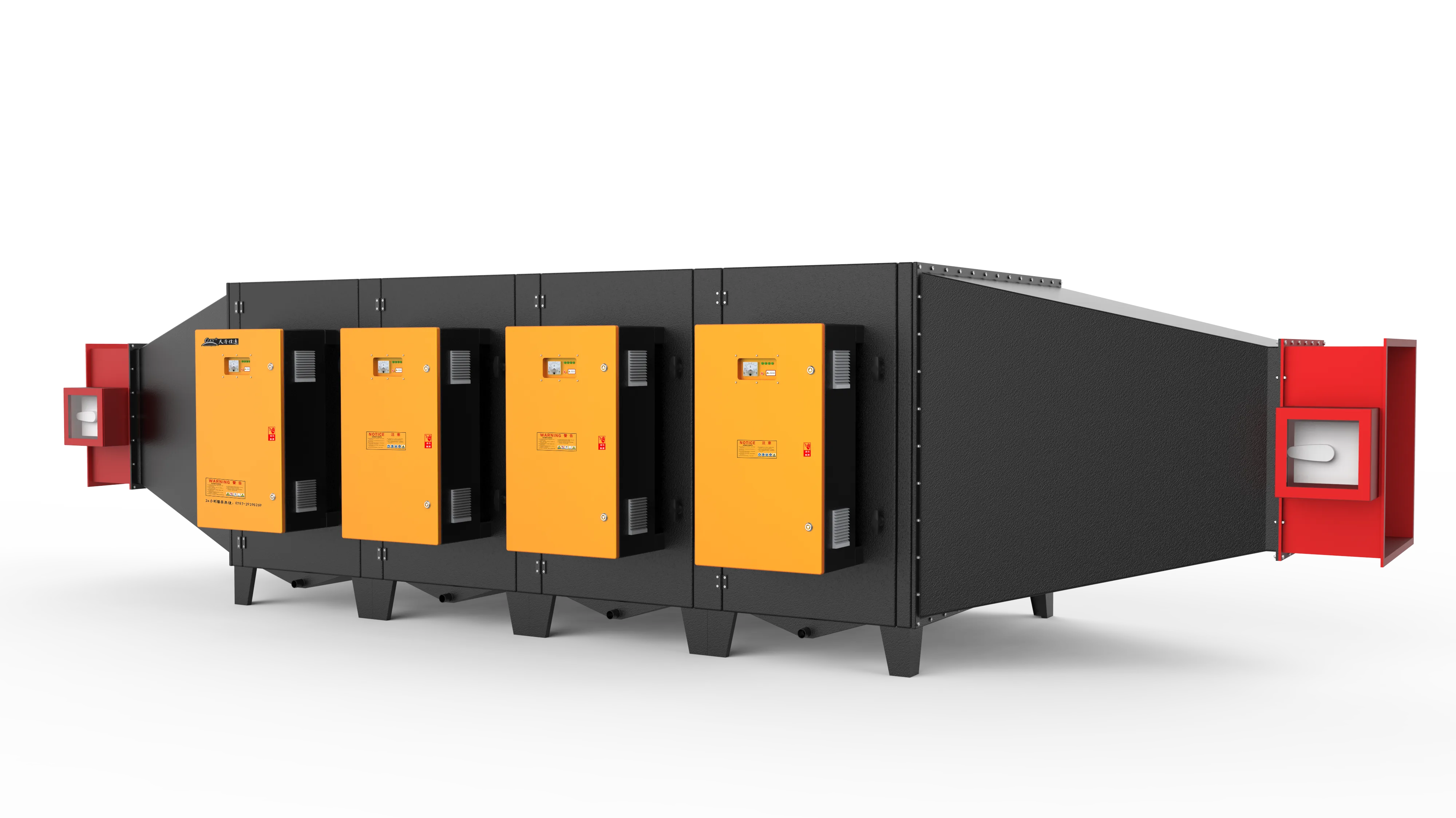
- Industrial oil fume
- Electronics and soldering exhaust
- Plastic and rubber processing
- Metalworking aerosol
- Fire loading and cleaning intervals depend on inlet contamination.
- Sticky or very heavy loads may require wet pretreatment.
Typical pollutants
- Oil fume
- Fine aerosol
- Soldering fume
- Process smoke
Engineering features
- Compact modular cells
- High-voltage protection
- Washable collectors
- Low-pressure-drop treatment
Available options
- Prefilter
- Wash station
- Module quantity
- Upstream scrubber
Relevant industries
Heavy Machinery & Shipbuilding
Large booth coating and high-airflow paint shops.
New Materials & New Energy
Battery materials, functional films, composites and advanced material production.
Coating & Surface Finishing
Industrial paint, UV coating, adhesive, metal finishing and multi-booth surface processes.
Food Industry
Frying, roasting, and process oil-fume control.
General technology selection
These answers explain the selection path. Final performance, safety scope and dimensions follow the approved project design.
What does a WESP capture well?
It is commonly evaluated for fine, sticky or oily aerosols, acid mist, tar and other particulate that is difficult to polish with mechanical filtration alone.
Does a WESP require water management?
Yes. Spray/washdown water, drainage, recirculation and wastewater treatment need to be included in the project scope.
Source basis: VOCs equipment source and 2026 catalogue. Any outlet concentration or collection-efficiency value is project-specific.
Specific product Q&A
How does an electrostatic fume extractor (ESP) compare to a cartridge filter for oil mist?
Cartridge filters rely on physical media which quickly becomes blinded and saturated when exposed to oil mist or liquid aerosols, requiring constant expensive replacements. An Electrostatic Precipitator (ESP) ionizes the oil particles and collects them on metal plates. The oil naturally drains off the plates into a collection sump, allowing the ESP to operate continuously without consumable filters, making it the superior choice for CNC machining and cold heading exhaust.
What is the maintenance cycle for ESP collection cells?
The aluminum collection cells in an ESP must be periodically washed to remove baked-on grime and restore ionization efficiency. Depending on the fume loading, this cycle ranges from every 2 weeks to 3 months. FluxFine ESPs feature sliding cell tracks for rapid removal, and we offer automated clean-in-place (CIP) spray systems for heavy-duty applications to minimize manual labor.
Can an ESP handle combustible dust or explosive fumes?
No. Because electrostatic precipitators generate continuous high-voltage corona discharges (sparks) to ionize particles, they are strictly prohibited for combustible dusts, flammable solvents, or explosive environments. For such applications, an explosion-proof wet scrubber or ATEX-rated cartridge collector must be used.
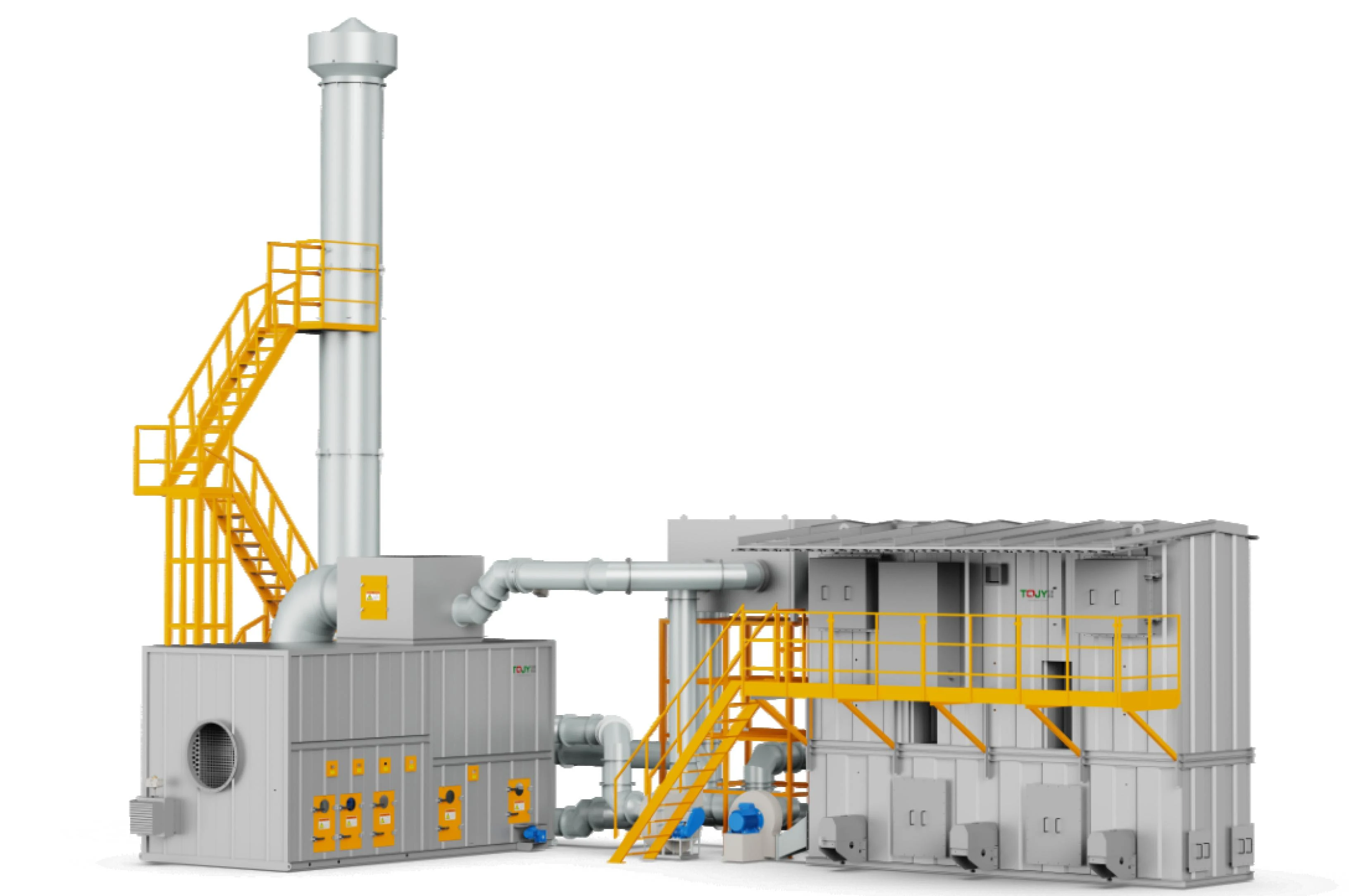
Equipment views
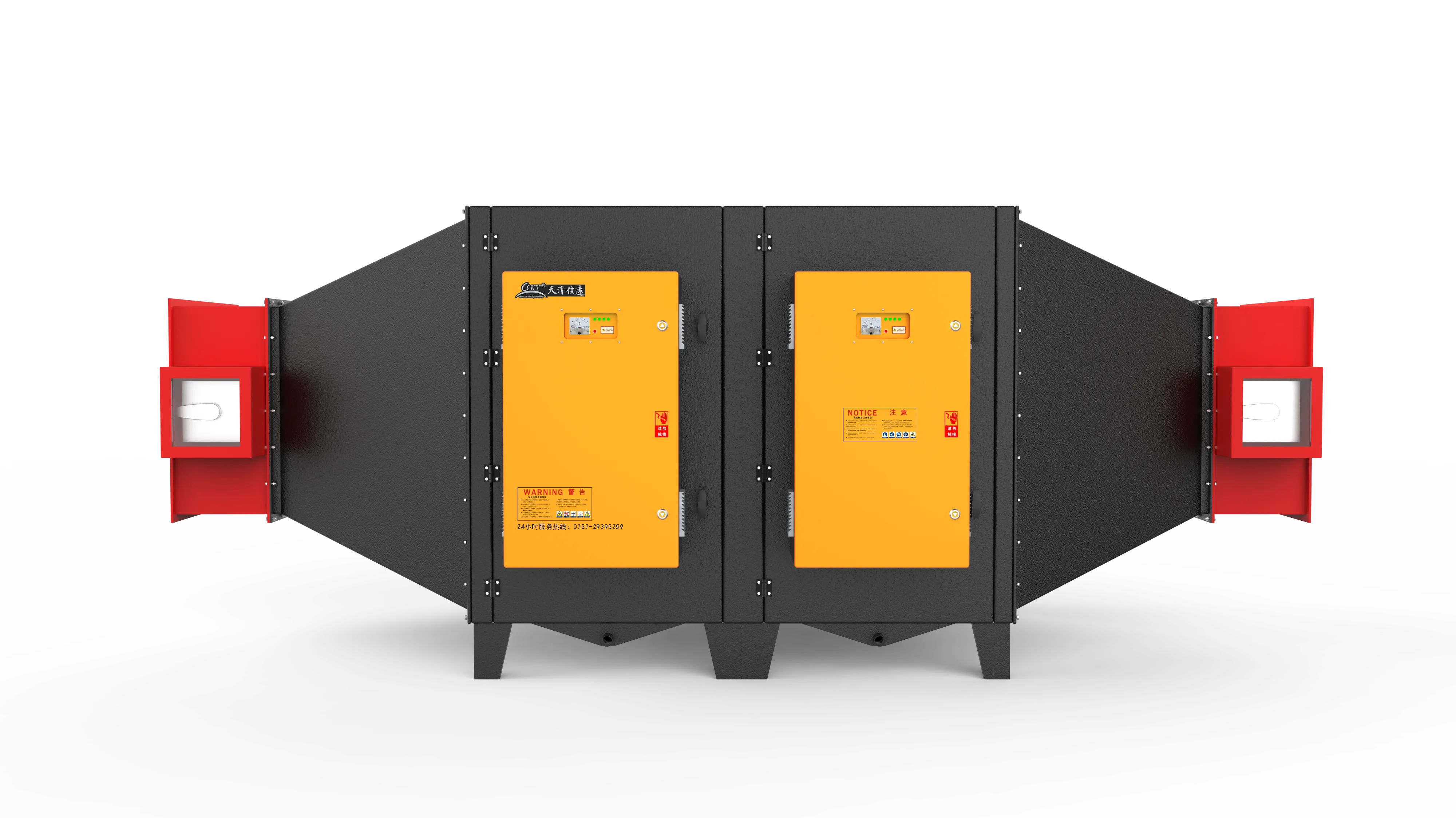
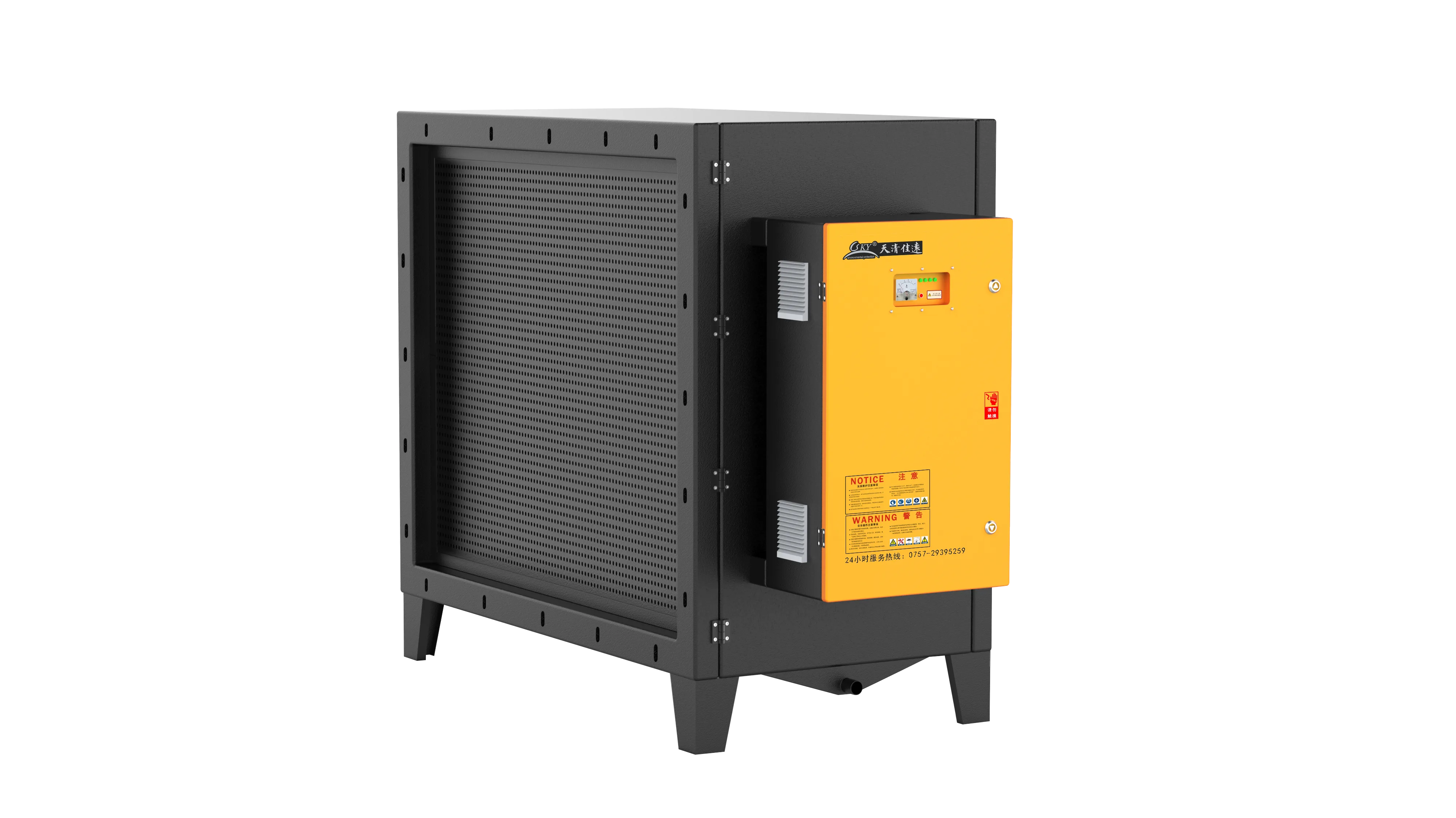
Product images show representative FluxFine configurations. Final dimensions, materials and interfaces follow the approved project design.
Proven Electrostatic Fume Purifier installations
Review documented treatment trains featuring Electrostatic Fume Purifier technology across various industrial processes.
Configure Electrostatic Fume Purifier for your plant
Share measured process data so the engineering team can confirm suitability, pretreatment, equipment size and scope boundaries.
Source basis: Bilingual legacy product record and current product image set. Published values are selection references, not a project guarantee.