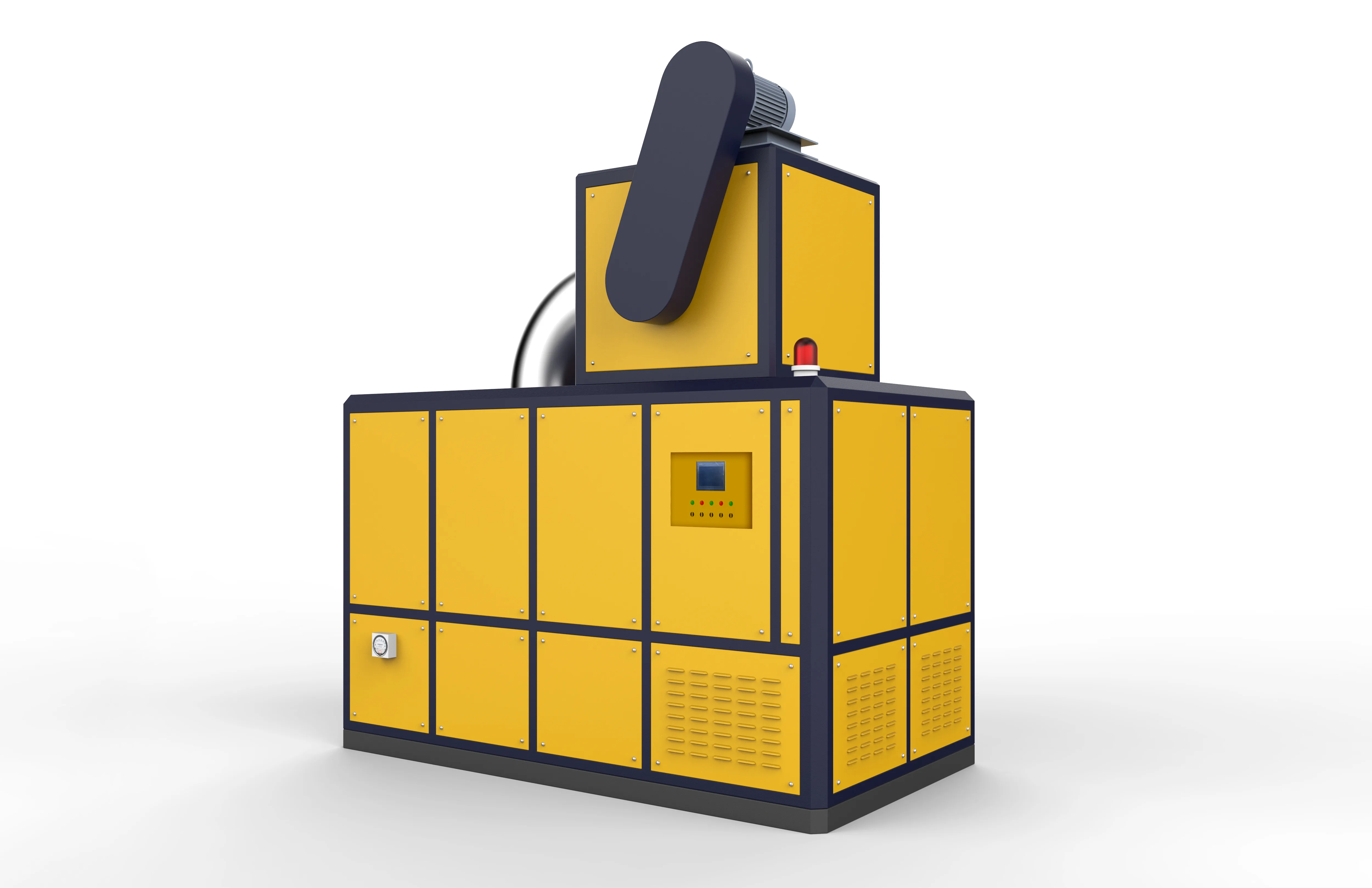
Microbial Deodorization Unit
Biological waste gas treatment unit utilizing specialized microorganisms to digest and eliminate severe industrial and municipal odors.
Designed around actual process conditions
This system offers an eco-friendly approach to odor control. By cultivating specialized microbes on a media bed, odorous compounds like hydrogen sulfide, ammonia, and VOCs are naturally digested and converted into harmless byproducts.
Biological Odor Control
Depending on compound
With proper nutrient management
Ambient temperature, no fuel
Operating references and configuration choices
These reference values and modules clarify the scope we evaluate. They are not a substitute for a process-data review or final proposal.
| Engineering reference | Value | How to read it |
|---|---|---|
| Application scope | Biological treatment of suitable odor-bearing exhaust | A selection reference only; final capacity and materials follow the project design basis. |
| Configuration | Project-specific | Confirmed from process data, site constraints and the required treatment objective. |
| Performance basis | Process-dependent | No generic removal, safety or compliance promise is made without the stated pollutant and operating conditions. |
Typical modules considered
- Air distribution and humidification/conditioning interface
- Biological media or biological treatment zone
- Drainage, nutrient or recirculation provisions where required
- Monitoring and maintenance access
Project-specific selection notes
- Confirm odor compounds, concentration variability, humidity and potential biological inhibition before selection.
- Provide upstream dust/mist removal where loading could foul or inhibit the biological stage.
- Define drainage, media maintenance and cold-weather/site operating conditions in the project scope.
How to use this product information
Biological odor treatment is evaluated for compatible odor duty; it is not a generic substitute for VOC destruction on high-concentration solvent exhaust.
- The original bilingual site material is the available source for this odor-control product family; performance remains project-confirmed.
- The published description is a selection starting point. Process data, utilities, materials, safety requirements and acceptance criteria remain subject to engineering review.
What we review before specifying Microbial Deodorizer
A product name is a starting point, not a final design. These inputs define pretreatment, materials, controls, equipment size and scope boundaries.
Project data to provide
- Odor source and compound analysis
- Average and peak load, airflow and humidity
- Presence of high-concentration VOCs, aerosol or corrosive gas
- Operating schedule and required boundary/stack objective
- Available footprint, utilities and maintenance capability
Typical engineered scope
- Source capture and prefiltration
- Selected biological, photo-ion, adsorption or polishing stage
- Fan/duct interface and local controls
- Inspection and media/lamp maintenance access
- Monitoring points matched to the selected process
Safety and controls
- Odor polishing is not a substitute for VOC oxidation when concentration and risk require a thermal or catalytic system.
- Selection follows measured odour chemistry and peak loading.
- Filter/media/lamp maintenance must be planned as part of the operating model.
How it works
Odorous air is humidified and passed through a bio-filter bed. Microbes residing in the biofilm absorb and metabolize the odor-causing compounds.
- 01Exhaust humidification
- 02Gas-liquid mass transfer
- 03Microbial digestion
- 04Odor-free discharge
- Sewage treatment plants & pump stations
- Farms & food waste treatment
- Rubber & plastics
- Oil refineries
- Microbes require continuous moisture, nutrients, and stable temperatures.
- Toxic shocks from high-concentration solvents can kill the bio-mass.
Typical pollutants
- Hydrogen sulfide (H2S)
- Ammonia (NH3)
- Mercaptans
- Organic odorants
Engineering features
- Low operating cost
- No secondary chemical pollution
- Long-lasting bio-media
- Automated irrigation
Available options
- Nutrient dosing system
- Winter heating loop
- Multi-stage beds
Relevant industries
Food Industry
Frying, roasting, and process oil-fume control.
Chemical Industry
Resins, coatings, waterproofing, and specialty chemicals.
Pharmaceutical & Medical
Solvent exhaust from synthesis, coating, and finishing.
New Materials & New Energy
Battery materials, functional films, composites and advanced material production.
General technology selection
These answers explain the selection path. Final performance, safety scope and dimensions follow the approved project design.
How is odor technology selected?
Start with the source, compound analysis, airflow, humidity and peak load. The same smell complaint can need very different treatment trains.
Can odor control treat high-concentration VOCs?
Not as a default. High VOC loads may require adsorption, catalytic oxidation or thermal oxidation after a process and safety review.
Source basis: existing site content. Odor-control performance is application-specific.
Specific product Q&A
How does microbial deodorization eliminate H2S and ammonia?
The system uses a packed bed inoculated with specialized autotrophic and heterotrophic bacteria. As the odorous gas passes through the moist packing media, compounds like hydrogen sulfide (H2S), ammonia (NH3), and volatile mercaptans dissolve into the biofilm. The microorganisms metabolize these pollutants, breaking them down into harmless byproducts like water, carbon dioxide, and dilute sulfates, providing a highly sustainable odor elimination method.
What happens to the bacteria if the exhaust gas flow stops during the weekend?
Biological systems require continuous moisture, oxygen, and nutrients to survive. During short shutdown periods (like a weekend), FluxFine systems automatically run intermittent recirculation pump cycles to keep the packing media moist and prevent the biofilm from drying out or dying. However, if the shutdown extends beyond a week, a supplemental carbon/nutrient source may need to be temporarily dosed into the recirculation tank to sustain the bacterial colony.
Can a biological scrubber treat high-concentration solvent (VOC) emissions?
No. Biological scrubbers are designed for low-concentration, water-soluble odorous compounds. High concentrations of industrial solvents (like toluene, xylene, or heavy industrial VOCs) are highly toxic to the bacteria and will instantly poison the biological bed, killing the biofilm. For high-concentration VOCs, thermal oxidation (RTO) or catalytic combustion must be used.
Configure Microbial Deodorizer for your plant
Share measured process data so the engineering team can confirm suitability, pretreatment, equipment size and scope boundaries.
Source basis: Extracted from bilingual catalog for SEO. Published values are selection references, not a project guarantee.