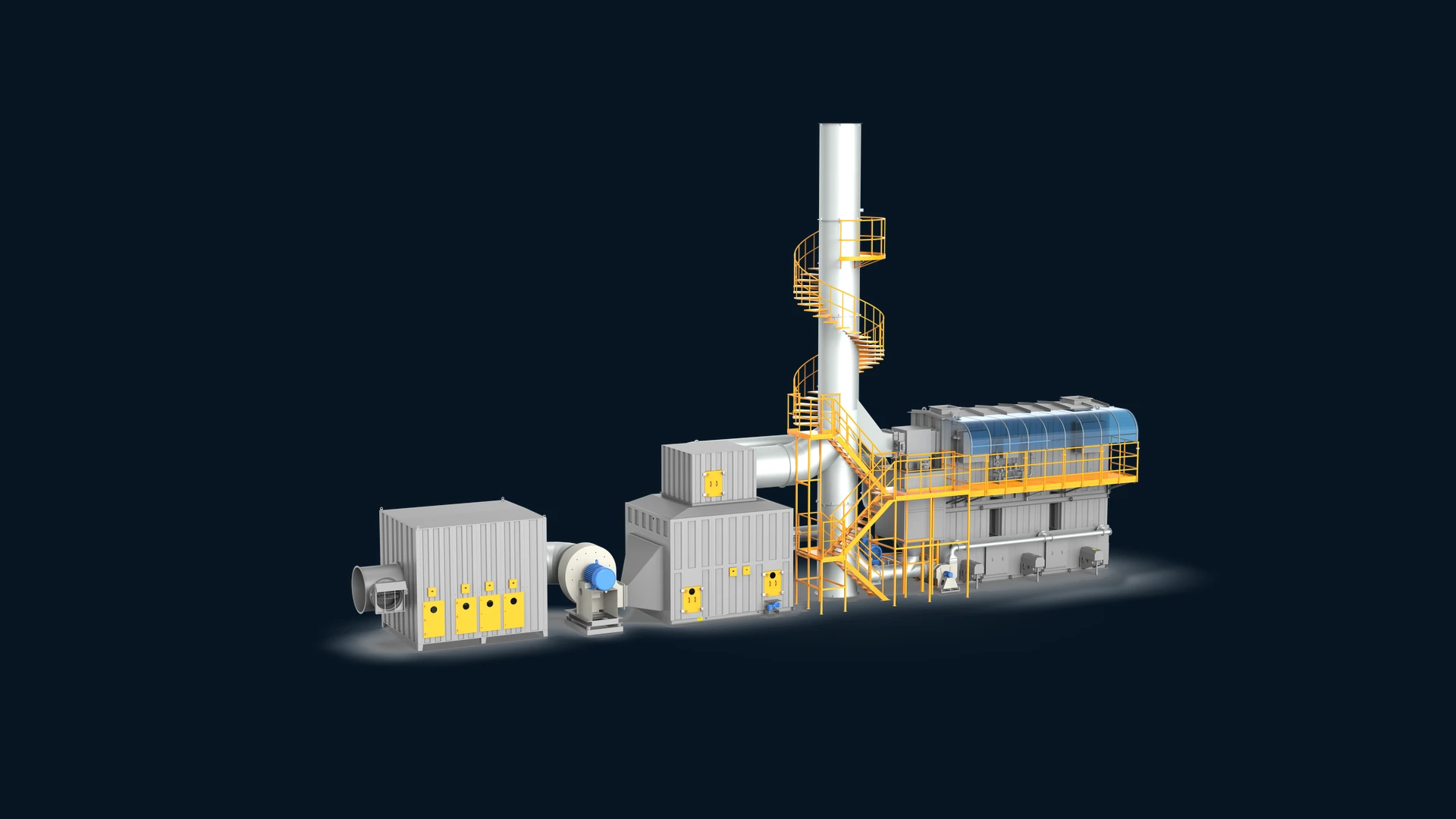
30,000 m³/h Zeolite Concentrator & Three-Bed RTO System
Guangdong Xinbang New Materials Co., Ltd. | Advanced Polymer Film Printing, Coating & Lamination Lines
Decoupled Concentration & Thermal Oxidation for Multi-Solvent Polymer Film Lines
Guangdong Xinbang New Materials Co., Ltd. (广东新榜新材料科技有限公司) is a specialized high-performance polymer packaging material manufacturer operating high-speed gravure printing lines, dry laminating machines, and coating ovens utilizing both PE and PVC solvent-based ink chemistries. The manufacturing process generates multi-component solvent emissions rich in ethyl acetate, n-propyl acetate, isopropanol, MEK, and xylenes.
Prior to system upgrades, processing large volumes of dilute capture air alongside high-concentration curing exhausts posed severe operational bottlenecks. Treating the combined 41,500 m³/h total ventilation directly via thermal oxidation would require massive fuel consumption. Conversely, batch carbon systems faced resinous fouling and smoldering risks from complex ketone/ester chemistries.
FluxFine engineered an integrated, energy-neutral abatement train: a 30,000 m³/h Zeolite Rotor Concentrator unit with 3-stage dry filtration (G4/F7/F9) treating dilute ambient streams at a 10:1 to 12:1 concentration ratio, converging with 11,500 m³/h of high-concentration drying oven exhaust into a central 15,000 m³/h Three-Bed Regenerative Thermal Oxidizer (3-Bed RTO). The system achieves continuous auto-thermal operation, guaranteed DRE of ≥98.0% (measured field performance ≥99.2%), stack emissions of NMHC ≤ 30 mg/m³, and recovers surplus thermal energy as 85°C process water for plant drying tunnels.
Four Engineering Challenges in Polymer Film VOCs Abatement
Managing multi-line film printing emissions requires decoupling diverse exhaust streams while ensuring strict thermodynamic safety and particulate protection.
Dual-Stream Heterogeneity
Exhaust is split between high-volume ambient collection (30,000 m³/h @ 450 mg/m³) and oven drying exhausts (11,500 m³/h @ 3,450 mg/m³). Treating them uniformly wastes thermal energy or overwhelms adsorption beds.
Ketone & Ester Fire Hazards
Solvents comprise Methyl Ethyl Ketone (MEK) and Ethyl Acetate alongside Isopropanol and Xylene. Traditional carbon beds risk catalytic self-heating and smoldering fires under high-temperature desorption.
LEL Concentration Limits
Composite solvent LEL is 1.56% vol (14,685 mg/m³ at 25% LEL). Operating near 3,450 mg/m³ demands strict safety interlocks, dynamic fresh-air dilution, and multi-point optical flame detectors.
Thermal Energy Integration
Film printing drying ovens consume significant electrical energy. Capturing RTO surplus oxidation enthalpy without interfering with production pressure stability required high-efficiency heat exchange.
Comparative Engineering Evaluation: Direct RTO vs. Zeolite Rotor + Three-Bed RTO
FluxFine conducted extensive thermodynamic and capital evaluations comparing direct oxidation of the entire exhaust stream against decoupled zeolite concentration plus compact thermal oxidation.
| Engineering Parameter | Direct 45,000 m³/h RTO Baseline | FluxFine Zeolite Concentrator + 15,000 RTO | Engineering Advantage |
|---|---|---|---|
| RTO Oxidation Capacity | 45,000 m³/h oversized combustion chamber | 15,000 m³/h compact high-efficiency RTO | 66.7% footprint reduction |
| Auxiliary Fuel Demand | Continuous natural gas supplementary firing | 100% self-sustaining auto-thermal balance | Zero gas in production |
| Fire & Smoldering Risk | High in carbon alternatives due to MEK catalytic sites | Inorganic hydrophobic aluminosilicate zeolite wheel | Incombustible Class A1 |
| Destruction Efficiency (DRE) | 95.0% - 97.0% | ≥98.0% guaranteed (field ≥99.2%) | ≥99.2% verified DRE |
| Secondary Heat Integration | Difficult due to low flue temperature rise | High-grade flue energy heating water to 85°C | 180 - 240 kW thermal export |
Complete high-temperature thermal destruction of multi-component esters, ketones, and aromatics.
Significantly outperforming national GB 41616-2022 printing industry emission standards.
33,000 kJ/kg solvent calorific value sustains 800°C chamber temperature without auxiliary fuel.
Closed-loop heat exchanger displaces electric heating on printing and laminating drying tunnels.
Subsystem Architecture & Hardware Execution
Explore the four synchronized engineering subsystems delivering continuous compliance, energy recycling, and operational resilience.
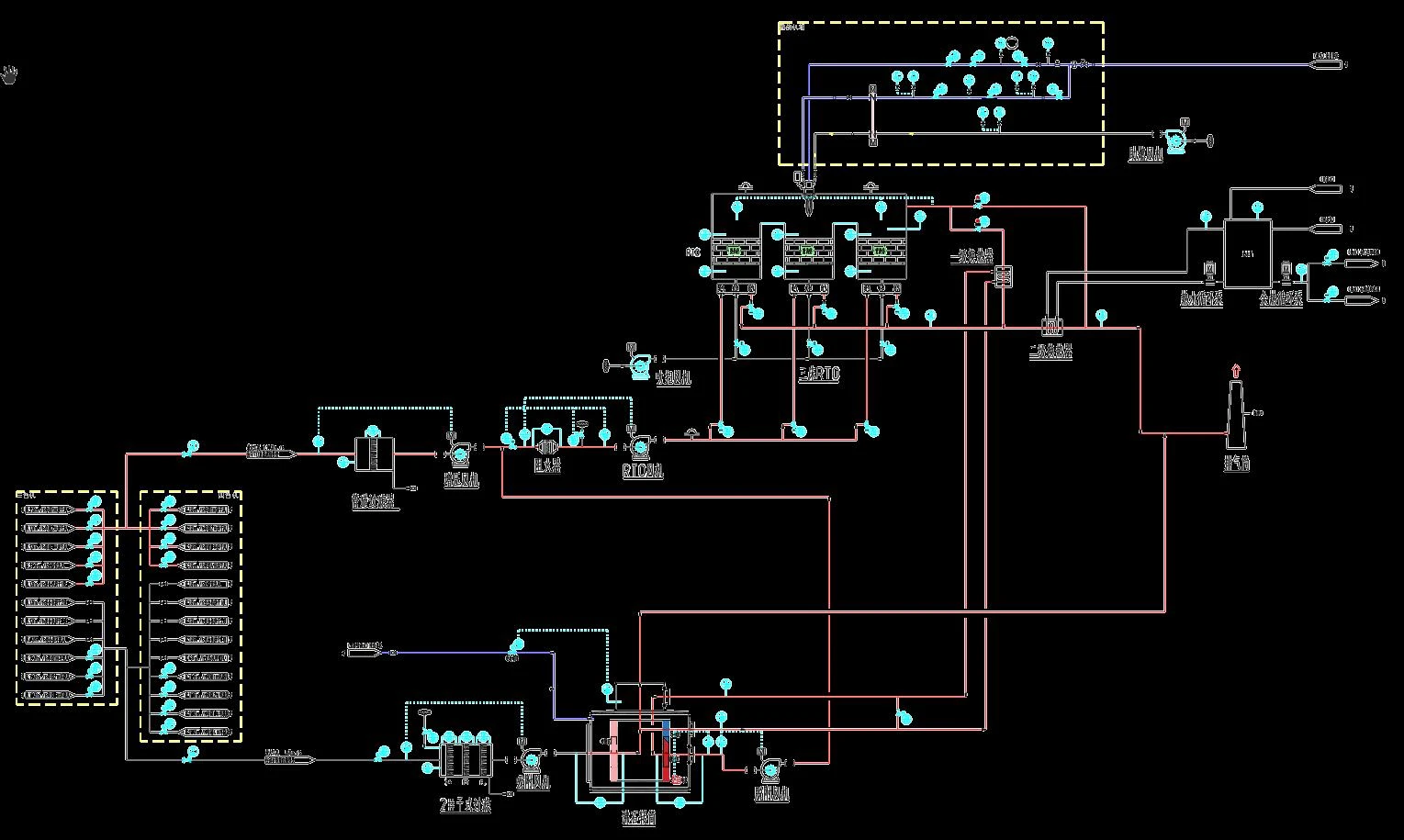
Complete P&ID Process Topology & Stream Decoupling
The system segregates low-concentration collection lines (30,000 m³/h @ 450 mg/m³) from high-concentration PE and PVC drying oven exhausts (11,500 m³/h @ 3,450 mg/m³).
Dilute air passes through three-stage coalescing filtration (G4/F7/F9) before entering the hydrophobic zeolite drum. Desorption air heated to 180°C–200°C produces a concentrated stream that merges with direct oven exhausts, maintaining a perfectly balanced 15,000 m³/h feed into the 3-Bed RTO.
Parameters: 30,000 m³/h adsorption flow; 10:1 to 12:1 concentration ratio; 15,000 m³/h RTO oxidation flow; 800°C combustion setpoint.
Hydrophobic Zeolite Rotor & Three-Bed Ceramic Core
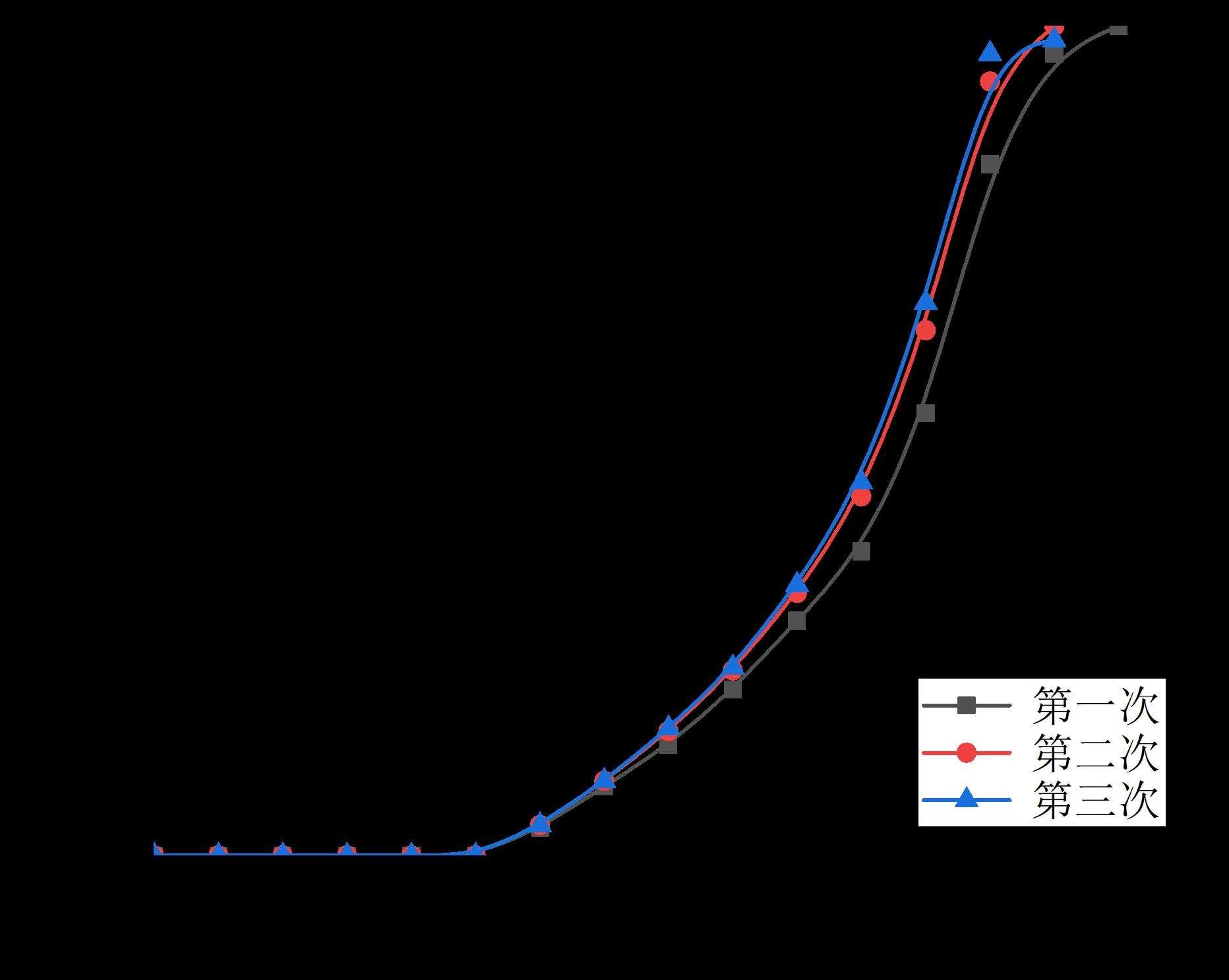
The adsorption core incorporates an inorganic aluminosilicate molecular sieve drum designed with non-combustible ceramic paper substrates. Unlike activated carbon, the zeolite framework withstands continuous 200°C desorption cycles without catalytic degradation or ketone smoldering risks.
The Three-Bed RTO utilizes high-surface-area cordierite ceramic honeycomb monoliths achieving ≥95% Thermal Energy Recovery (TER). Three alternating regenerative chambers ensure continuous purging and eliminate transient valve-switching bypass slips.
Parameters: 92.0% adsorption efficiency; 95% TER heat recovery; <1.0s pneumatic poppet valve stroke time; zero-leakage elastomeric seal seats.
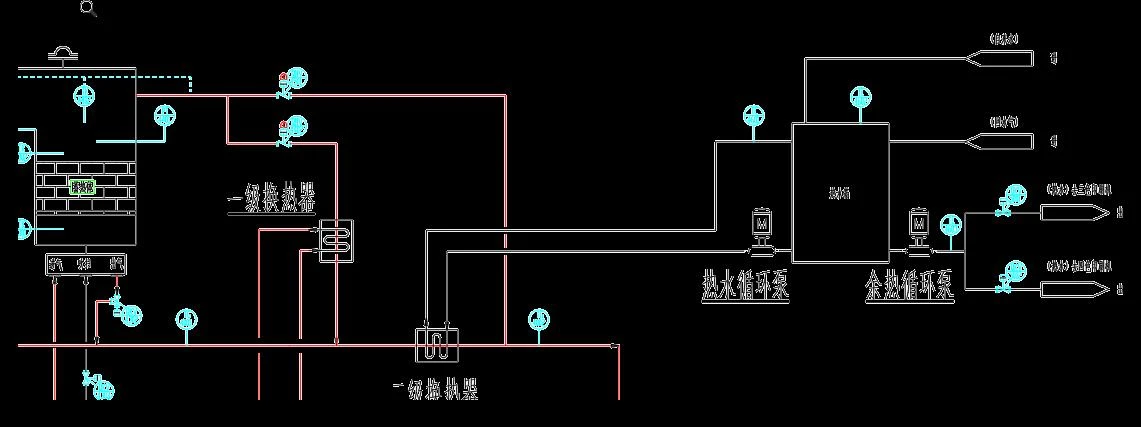
Closed-Loop 85°C Hot Water Waste Heat Exchanger
Operating with an organic loading averaging 3,450 mg/m³ yields significant surplus heat beyond that needed to sustain auto-thermal oxidation.
FluxFine integrated a secondary shell-and-tube heat exchanger on the clean exhaust plenum. Process water is elevated from 75°C to 85°C and piped directly to the plant's film printing and laminating drying tunnels, reducing facility electrical boiler heating load by 180–240 kW.
Parameters: Water circulation: 15–20 m³/h; delta T: 10°C (75°C to 85°C); thermal transfer capacity: ~200 kW; automated temperature modulating bypass.
System Operational & Thermodynamic Data Matrix
Verified operational thresholds, airflow capacities, and destruction metrics for the Xinbang New Materials facility.
| Subsystem | Design Specification | Operating Metric | Compliance Standard |
|---|---|---|---|
| Zeolite Concentrator | 30,000 m³/h monolithic rotor with hydrophobic zeolite | 10:1 to 12:1 concentration ratio | ≥92% adsorption efficiency |
| Pre-filtration Unit | 3-stage dry coalescing box (G4 panel + F7 pocket + F9 mini-pleat) | ΔP ≤ 450 Pa across stages | PM ≥ 1 μm capture > 95% |
| 3-Bed RTO Thermal Core | 15,000 m³/h three-bed design with cordierite ceramic packing | 760°C - 820°C oxidation temperature | ≥98.0% guaranteed DRE |
| Thermal Energy Recovery (TER) | Structured ceramic monolith regenerative heat exchange | ≥95% thermal recovery efficiency | Auto-thermal at ≥1,800 mg/m³ |
| Secondary Waste Heat Unit | Gas-to-water heat exchanger circulating 75°C to 85°C water | ~200 kW thermal power exported | Offsetting drying oven electric heaters |
| Stack Emissions (NMHC) | Continuous flame ionization detector (FID) monitored | Measured ≤ 20 mg/m³ | GB 41616-2022 (≤ 50 mg/m³) |
Equipment in This Project
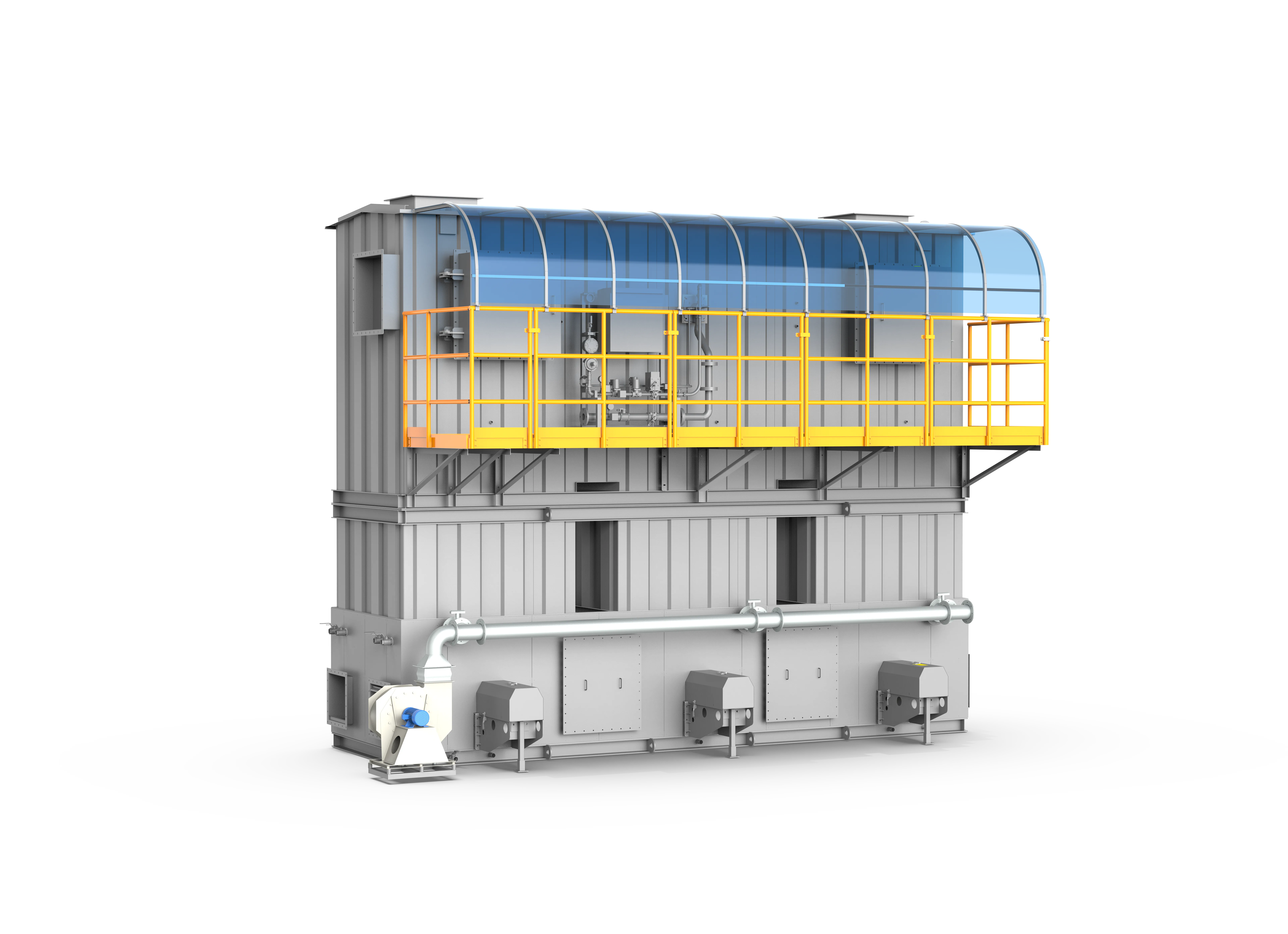
Three-Tower RTO
A premier-grade industrial VOC thermal abatement system that achieves >=99% VOC destruction efficiency and >=95% thermal energy recovery through a classic three-bed alternating heat-exchange and purge process.
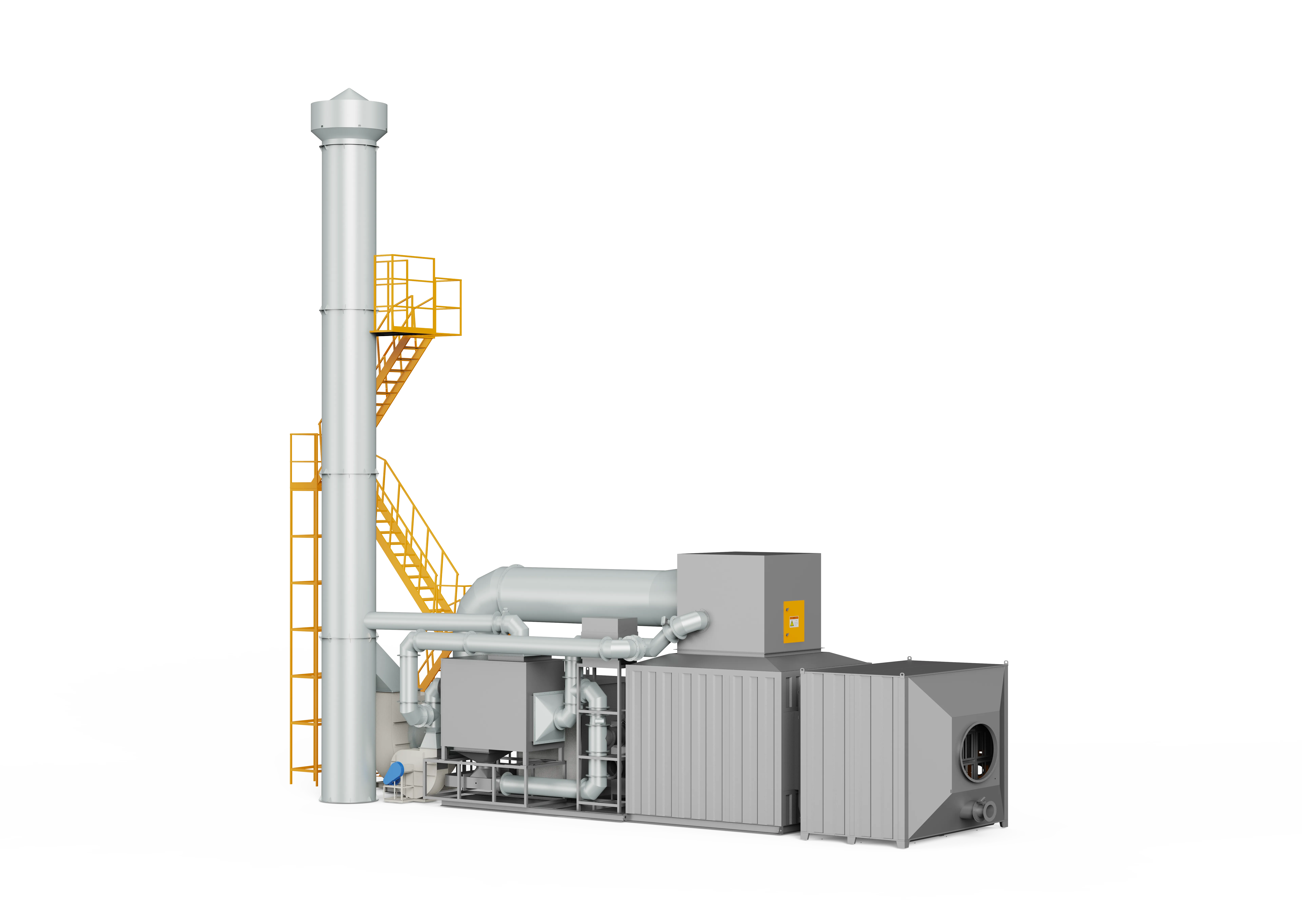
Zeolite Rotor
A high-efficiency VOC pre-treatment and concentration system utilizing advanced hydrophobic zeolite molecular sieves to continuously adsorb, desorb, and enrich large-airflow, low-concentration organic exhaust gases, reducing downstream thermal destruction energy consumption by 40% to over 50%.
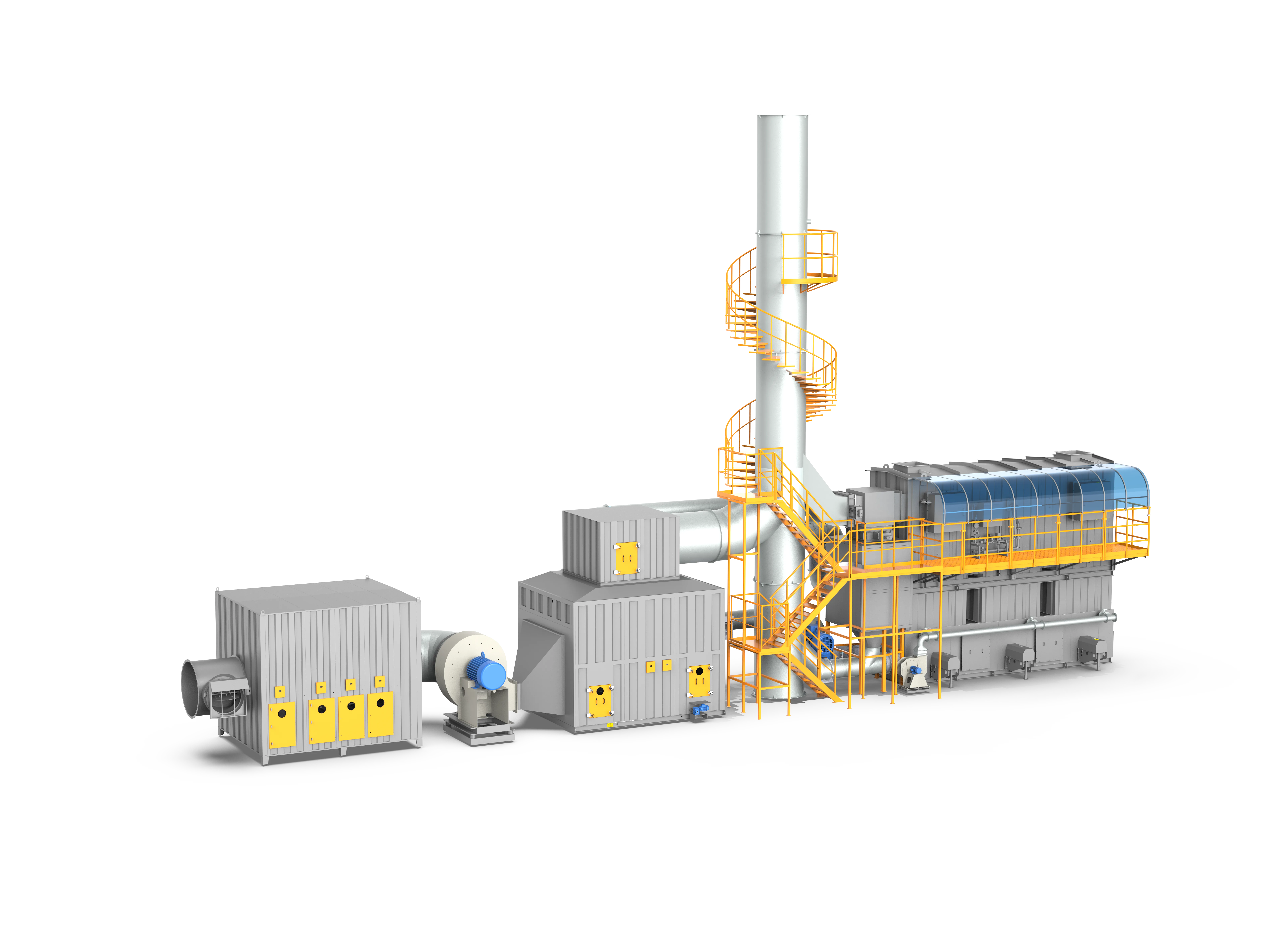
Rotor + 3-Tower RTO
The premier system for large-airflow, low-concentration VOC emissions, combining a hydrophobic zeolite rotor for 10-40x gas enrichment with a mature three-tower RTO for complete destructive oxidation, cutting energy costs by 40%-60%.
Upgrade Your Printing & Coating Lines with Guaranteed VOC Compliance
FluxFine designs, engineers, manufactures, and commissions integrated zeolite concentration, regenerative thermal oxidation, and waste heat recovery systems for leading global manufacturing enterprises.