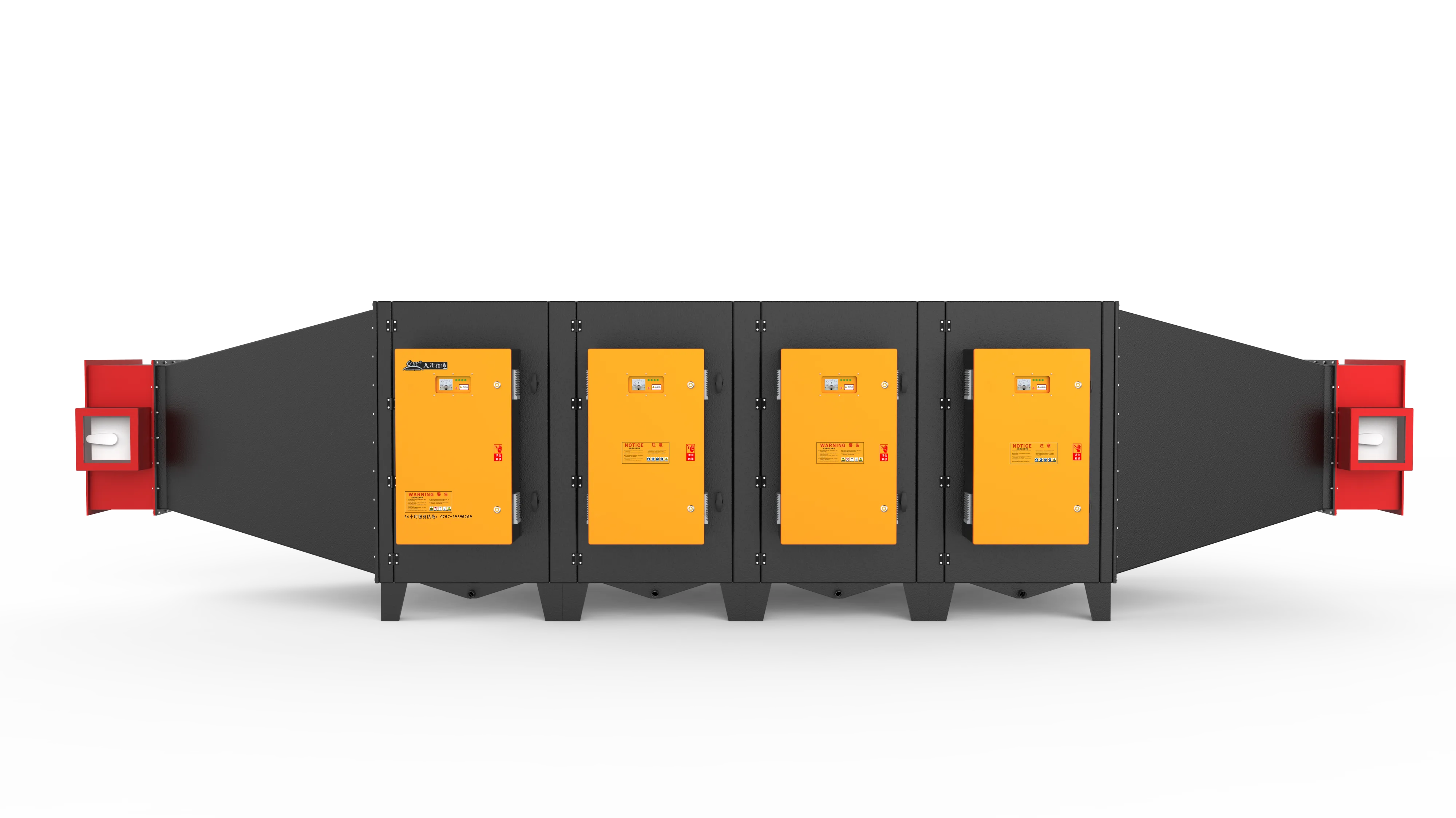
Industrial Electrostatic Fume Purification Unit
Industrial-grade electrostatic precipitation for heavy oil fumes from PVC, rubber, and metal processing.
Designed around actual process conditions
Widely applied to severe industrial oil fume pollution, this electrostatic unit captures thick mists and fumes from PCB spray painting, electronic soldering, PVC artificial leather, and rubber/plastic processing, ensuring visible emissions are eliminated.
Electrostatic Oil Mist Purifier
Double pass capability
For fine oil mist
Leak-proof welded construction
Operating references and configuration choices
These reference values and modules clarify the scope we evaluate. They are not a substitute for a process-data review or final proposal.
| Engineering reference | Value | How to read it |
|---|---|---|
| Application scope | Heavy industrial oil fume and aerosol collection | A selection reference only; final capacity and materials follow the project design basis. |
| Configuration | Project-specific | Confirmed from process data, site constraints and the required treatment objective. |
| Performance basis | Process-dependent | No generic removal, safety or compliance promise is made without the stated pollutant and operating conditions. |
Typical modules considered
- Mechanical droplet pre-separation where required
- Electrostatic ionization and collector plates
- Oil drainage/collection interface
- Cleaning access and high-voltage safety interlocks
Project-specific selection notes
- Differentiate combustible solvent vapor from non-combustible oil aerosol before applying electrostatic collection.
- Set cleaning and drainage requirements from the actual contaminant loading.
- Assess whether residual odor or gaseous VOC needs an additional treatment stage.
How to use this product information
Industrial electrostatic fume collection focuses on aerosol and oil mist; any gas-phase VOC or odor treatment must be specified separately.
- The bilingual equipment record identifies process contexts including electronics, rubber/plastics and metalworking aerosol.
- The published description is a selection starting point. Process data, utilities, materials, safety requirements and acceptance criteria remain subject to engineering review.
What we review before specifying Industrial ESP Fume Unit
A product name is a starting point, not a final design. These inputs define pretreatment, materials, controls, equipment size and scope boundaries.
Project data to provide
- Aerosol type and particle-size distribution
- Inlet loading, gas temperature and moisture content
- Acid mist, SO₃/corrosion potential and upstream scrubbing
- Water supply, wastewater route and site materials requirements
- Maintenance access and electrical safety requirements
Typical engineered scope
- Collection duct and inlet conditioning
- Electrostatic collection section and high-voltage power supply
- Washdown/spray system and mist separation
- Drainage, recirculation and wastewater interface
- Local controls, interlocks and inspection access
Safety and controls
- High-voltage isolation, power-supply protection and safe access are part of the engineered scope.
- Acid-dew-point and corrosion assessment determines materials and upstream conditioning.
- WESP is selected around particle/aerosol characteristics; it does not replace VOC oxidation for high organic gas loads.
- Outlet targets must cite the pollutant, inlet condition and applicable test/design basis.
How it works
Oil mist and particulate are ionized in a high-intensity electrostatic field and magnetically drawn to grounded collector plates. The collected oil drains safely into a collection sump.
- 01Mechanical pre-filtration of large droplets
- 02Electrostatic ionization
- 03Collection on plates
- 04Oil drainage
- Electronics processing (PCB, soldering)
- Rubber & plastics (PVC artificial leather)
- Metal processing & CNC
- Waste incineration & textile printing
- Not for highly flammable solvent vapors without proper LEL monitoring and dilution.
- Regular cleaning of collector cells is mandatory for safety and performance.
Typical pollutants
- Heavy oil mist
- Plasticizer fumes
- Soldering smoke
- Machining aerosols
Engineering features
- Modular cell design
- High-efficiency power supply
- Heavy-duty industrial casing
- Easy-access doors for maintenance
Available options
- Auto-wash system
- Fire suppression
- Odor control add-on
Relevant industries
Heavy Machinery & Shipbuilding
Large booth coating and high-airflow paint shops.
New Materials & New Energy
Battery materials, functional films, composites and advanced material production.
Coating & Surface Finishing
Industrial paint, UV coating, adhesive, metal finishing and multi-booth surface processes.
General technology selection
These answers explain the selection path. Final performance, safety scope and dimensions follow the approved project design.
What does a WESP capture well?
It is commonly evaluated for fine, sticky or oily aerosols, acid mist, tar and other particulate that is difficult to polish with mechanical filtration alone.
Does a WESP require water management?
Yes. Spray/washdown water, drainage, recirculation and wastewater treatment need to be included in the project scope.
Source basis: VOCs equipment source and 2026 catalogue. Any outlet concentration or collection-efficiency value is project-specific.
Specific product Q&A
What is the difference between single-pass and double-pass ESP systems?
In a single-pass ESP, the fume travels through one ionization and collection cell. This is sufficient for standard welding or light machining (achieving ~90-95% efficiency). For heavy-duty applications like cold heading, die casting, or heavy oil mist, a double-pass system is required. The fume passes through two sequential ESP cells, dramatically increasing residence time and boosting capture efficiency to >=98%, ensuring compliance even with dense, opaque smoke.
How do you handle heavy liquid oil loading in an ESP?
When processing heavy oil mist (e.g., from neat cutting oils), the ESP plates will rapidly saturate. FluxFine industrial ESPs are designed with specialized angled collection plates and deep, leak-proof, sloped drain sumps. This geometry encourages continuous, rapid shedding of the liquid oil into a collection drum or return line, preventing bridging between the high-voltage plates and maintaining stable ionization.
Why does my ESP crackle and spark frequently?
Frequent electrical arcing (crackling) indicates that the collection cells are heavily fouled with conductive dirt, short-circuiting the high-voltage field. Alternatively, large particulate or liquid droplets might be bypassing the pre-filters. If the ESP sparks constantly, it is not effectively cleaning the air. It requires immediate cell washing and a check of the mechanical impingement baffles upstream to ensure large droplets are removed before entering the electrostatic field.
Proven Industrial ESP Fume Unit installations
Review documented treatment trains featuring Industrial ESP Fume Unit technology across various industrial processes.
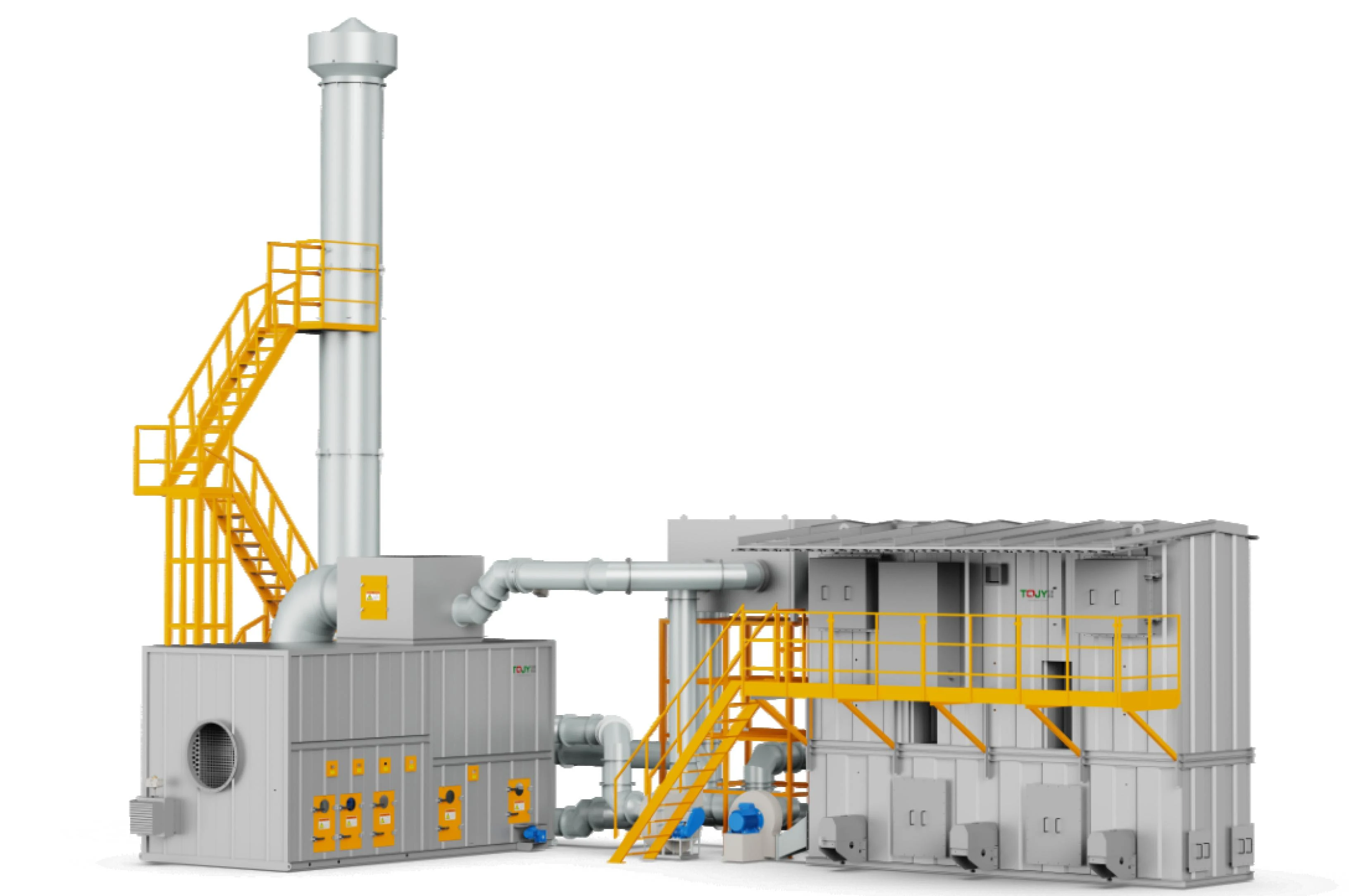
Configure Industrial ESP Fume Unit for your plant
Share measured process data so the engineering team can confirm suitability, pretreatment, equipment size and scope boundaries.
Source basis: Extracted from bilingual catalog for SEO. Published values are selection references, not a project guarantee.